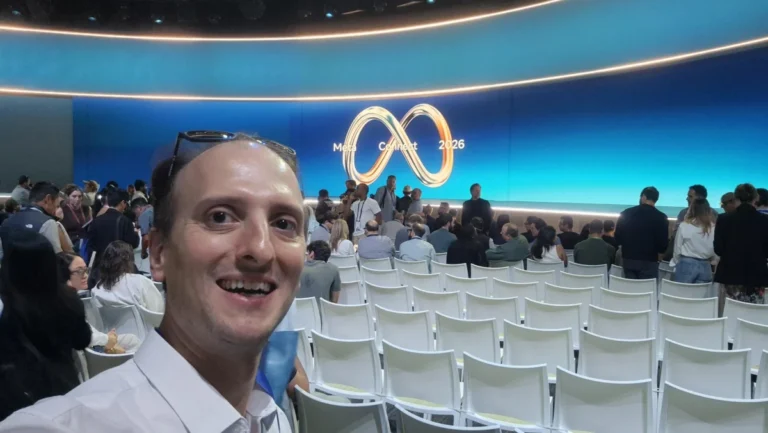
Meta Platforms Inc. has officially unveiled its next generation of wearable technology and artificial intelligence at the Meta Connect 2026 keynote, signaling a definitive shift from bulky head-mounted displays toward lightweight, daily-wear optics. The event, held at the company’s headquarters, was headlined by the introduction of the "Meta VR Glasses," a high-end mixed reality device formerly known by the codename "Phoenix," and the "Muse Charm," a wearable AI pendant designed to provide ubiquitous access to the company’s latest digital assistant. These announcements were accompanied by significant updates to the Ray-Ban Meta smartglasses line and a strategic partnership with global K-pop icon Lisa, aimed at capturing a broader lifestyle demographic.

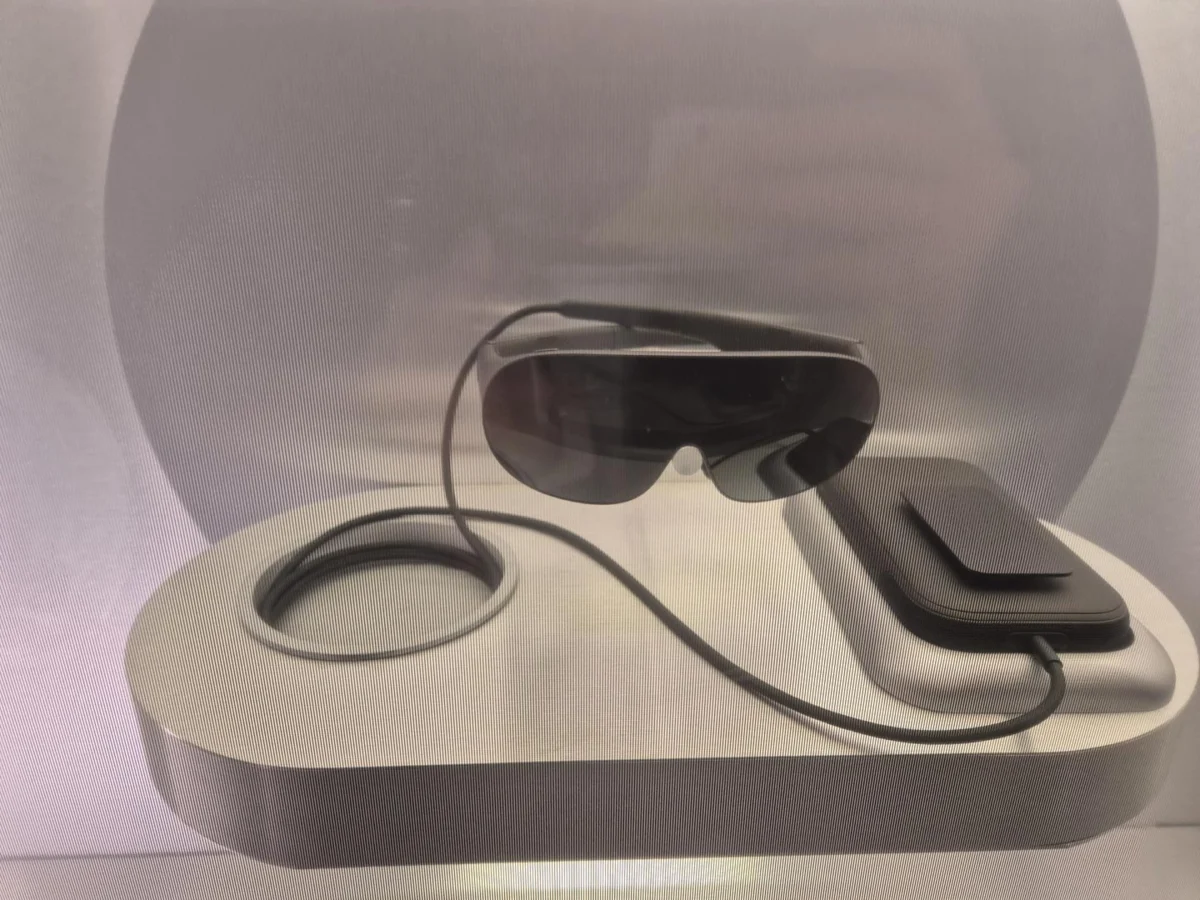
The cornerstone of the keynote was the debut of the Meta VR Glasses, which represent Meta’s most ambitious attempt to challenge Apple’s Vision Pro. Priced at $1,299 and scheduled for a Spring 2027 release, the device utilizes a decoupled architecture where the primary computational hardware and battery are housed in a pocket-sized "puck." This design choice allows the glasses themselves to remain significantly lighter than the Meta Quest 3 or the Vision Pro, facilitating extended use for productivity and media consumption. The glasses feature advanced hand and eye tracking, as well as a high-resolution passthrough system that enables seamless mixed-reality (MR) interactions. To bolster the device’s launch, Meta announced more than 70 games optimized for hand tracking, including "Beat Saber Flow," and a new slate of immersive video content produced in collaboration with filmmaker James Cameron.
Central to Meta’s hardware ecosystem is the new Muse AI, a personalized assistant that the company describes as "AI native." Unlike previous iterations of voice assistants, Muse AI is designed to be highly customizable, allowing users to alter its appearance, voice, and personality. Meta Chief Technology Officer Andrew Bosworth highlighted that the operating system for the new VR glasses was built from the ground up to integrate AI at the kernel level, mirroring the "AI-first" approach taken by competitors like Google with Gemini. Muse AI is capable of cross-app integration, providing it with the context necessary to assist with tasks ranging from email management to real-time coding support.

A surprising addition to the hardware lineup was the Muse Charm, a small, decorative pendant that houses a microphone and speaker to facilitate constant interaction with the Muse assistant without the need for eyewear. Positioned as a budget-friendly entry point into the Meta ecosystem, the Charm is expected to be available before the 2026 holiday season. Industry analysts view the Muse Charm as a strategic move to normalize ambient AI usage, targeting consumers who may be hesitant to adopt smartglasses but desire the convenience of a hands-free digital assistant.
The smartglasses category saw incremental but commercially significant updates. Meta introduced the Ray-Ban Meta Gen 3, which includes new "Aviator" and "Zena" styles to appeal to fashion-conscious consumers. Furthermore, a new "Meta Smartglasses" model was announced with a starting price of $249, lowering the barrier to entry for wearable tech. Notably, Meta also launched the Ray-Ban Meta Audio glasses, a camera-less version of its popular frames. While the removal of the camera limits certain multimodal AI features, the device is aimed at privacy-sensitive environments and the hearing-impaired community.

To support the hearing-impaired, Meta introduced a software suite for its smartglasses that provides real-time audio enhancement and hearing correction features. This accessibility initiative was paired with a renewed focus on data security. CEO Mark Zuckerberg announced that a significant portion of AI processing for the smartglasses will now occur via end-to-end encrypted communication with Meta’s servers. This architecture ensures that sensitive user data—including conversations and visual inputs—remains inaccessible to third parties and Meta employees alike, utilizing the same Signal Protocol-based encryption found in WhatsApp.
The event’s marketing highlight was the announcement of a multi-year partnership with Lisa, the Thai rapper and singer of Blackpink fame. The partnership includes a signature line of smartglasses and exclusive digital accessories. This move is seen as a tactical maneuver to penetrate the youth and female-led fashion markets, where high-tech wearables have historically struggled to gain a foothold. Following the announcement, social media engagement surrounding Meta’s wearable line saw a dramatic uptick, particularly in Asian markets, suggesting that celebrity endorsements remain a vital component of Meta’s hardware distribution strategy.

From a strategic standpoint, the pivot toward higher-priced, premium wearables like the $1,299 VR Glasses is supported by internal sales data. According to statements made by Andrew Bosworth during the event, Meta observed that sales for the premium Quest 3 remained robust even after the launch of the more affordable Quest 3S. This trend indicated to the company that the market is willing to pay a premium for improved comfort, superior optics, and a more refined form factor. Consequently, the Meta VR Glasses are positioned as a "prosumer" device intended to bridge the gap between current VR enthusiasts and the eventual goal of consumer-grade augmented reality (AR) spectacles.
However, the path to mainstream adoption is not without hurdles. Initial hands-on reports from the press indicated that while the Meta VR Glasses excel in weight and passthrough clarity, the field of view (FOV) remains more restricted than that of traditional VR headsets. This limitation suggests that while the device is ideal for virtual monitors and casual MR games, it may not yet be the definitive solution for high-immersion VR gaming. Meta representatives acknowledged these challenges, stating that the current version of the hardware is a "stepping stone" toward a future where the distinction between spectacles and computers disappears entirely.

As the keynote concluded, the overarching message from Meta was clear: the company is doubling down on the intersection of AI and wearables. By integrating the Muse AI across pendants, audio-only frames, and high-end MR glasses, Meta is attempting to build a ubiquitous platform that precedes the arrival of true AR. With the Spring 2027 launch of the Meta VR Glasses on the horizon, the industry will be watching closely to see if Meta can successfully transition from a social media giant into the dominant hardware provider for the next era of computing.
About the Author