The global mobile gaming landscape is undergoing a period of significant transition as major console publishers and technology conglomerates increasingly leverage established intellectual properties to capture market share on iOS and Android platforms. This week’s developments highlight a diverse range of strategies, from high-fidelity premium ports and anniversary-driven promotional giveaways to the deepening integration of cross-platform ecosystems. Leading the news cycle is the upcoming mobile adaptation of the critically acclaimed martial arts title Sifu, alongside a major milestone for the Castlevania franchise and a strategic expansion of Microsoft’s casual gaming portfolio following its acquisition of Activision Blizzard.
Premium Porting and the Evolution of Mobile Combat Systems
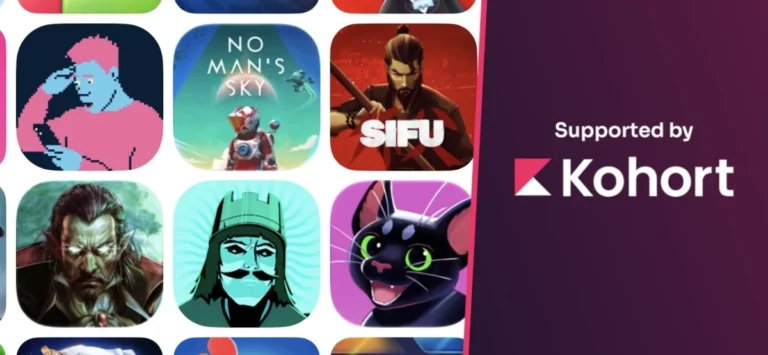
Sloclap, the developer behind the breakout hit Sifu, has officially announced that its martial arts beat-em-up will arrive on iOS and Android devices on October 12. Priced at a premium point of $7.99, the port represents a significant technical undertaking. Unlike many mobile adaptations that rely on simplified mechanics, Sloclap has developed a "touch-first" control scheme and a contextual combat system designed specifically to maintain the integrity of the original game’s complex parry and combo mechanics.
The release of Sifu on mobile follows a successful tenure on PC and consoles, where it was praised for its unique aging mechanic and demanding difficulty curve. Industry analysts suggest that the $7.99 price point is a strategic move to position the title as a "premium experience" in a market often dominated by free-to-play models. This trend of porting high-quality indie and AA titles to mobile is further evidenced by Plug In Digital’s announcement regarding Lil’ Guardsman. Originally a success on Steam, the narrative adventure is scheduled for a mobile debut on November 10, signaling a growing confidence in the mobile market’s appetite for narrative-driven, single-purchase content.
Legacy IP and Anniversary Marketing Strategies
In a move to celebrate the 40th anniversary of one of the most influential franchises in gaming history, Konami has made the original 1986 Castlevania available for free on the App Store and Google Play. This promotional window, which extends until October 24, serves as both a nostalgic gift to long-term fans and a strategic brand-building exercise. By lowering the barrier to entry for a foundational title, Konami maintains the relevance of the Castlevania IP in a modern era characterized by the "Metroidvania" genre it helped define.
Similarly, the collaboration between BeXide and Bandai Namco has resulted in the release of Namco Legendary Mountains. This voxel-based puzzler, which features classic Namco arcade characters, utilizes a physics-based stacking mechanic. Having previously launched on PC and Nintendo Switch in June, its arrival on mobile underscores the industry’s "multi-platform first" mentality, where mobile serves as the final, and often most lucrative, destination for puzzle-centric gameplay.
Microsoft and the Integration of Casual Gaming Ecosystems
The mobile gaming sector is also witnessing the ripple effects of Microsoft’s massive reorganization of its gaming division. Following the acquisition of Activision Blizzard, King—the developer of Candy Crush—has taken Microsoft Casual Games under its wing. A primary result of this synergy is the release of Microsoft Jewel on iOS and Android.

While the game itself is a traditional match-three puzzler, its significance lies in its infrastructure. Microsoft Jewel includes full Xbox achievement support and cloud synchronization. By allowing players to sign in with a Microsoft account and sync progress across PC and mobile, Microsoft is effectively blurring the lines between platforms. This "ecosystem lock-in" strategy is designed to increase user engagement within the Xbox network, regardless of the hardware being used. Data from the first half of 2024 suggests that cross-platform synchronization is a key driver in player retention for casual titles, as it allows for seamless transitions between domestic and mobile play.
The Subscription Model Wars: Apple Arcade vs. Netflix Games
The competition between subscription-based mobile gaming services continues to intensify with new exclusive releases. Arc System Works has launched River City Survivors: Downtown of the Dead exclusively on Apple Arcade. This title blends the retro brawling aesthetics of the River City series with the popular "horde survivor" genre. By offering over 20 unlockable characters, including series icons Kunio and Riki, Apple continues to use established Japanese IPs to add value to its Arcade subscription service.
Conversely, Netflix Games is expanding its utility by focusing on "controller-free" and social gaming. The release of Codenames Party, developed by Czech Games Edition, allows subscribers to play the popular board game on smart TVs and web browsers using their smartphones as controllers. This move reflects Netflix’s broader strategy to move beyond traditional mobile apps and into the "living room" space, leveraging its existing streaming infrastructure to provide low-friction multiplayer experiences.
Regional Market Trends and Genre Specialization
The Asian market remains a primary driver for mobile innovation, particularly in the strategy and RPG sectors. Tencent has initiated a soft launch for New Three Kingdoms: Glory Reborn in China. Currently available for pre-order in a Simplified Chinese build, the title represents the latest attempt to modernize the classic Three Kingdoms narrative for a competitive mobile audience. Strategy games based on this historical period consistently rank among the highest-grossing titles in the East Asian region.
In the realm of niche and experimental content, FunPlus International and Chan Gaming have released State of Desire, a prison management and gang politics simulation. Notable for its 18+ rating and "mature" themes, the game has been soft-launched in the United States and Indonesia. The emergence of high-budget mature-themed mobile games suggests that publishers are beginning to target older demographics who have grown up with mobile devices and are seeking more complex, adult-oriented narratives.
Specialized Management and Puzzle Adventures
Management simulations continue to find success by pairing established anime IPs with accessible gameplay loops. Bandai Namco’s One Piece: Grand Gourmet, featuring the Straw Hat Crew in a restaurant management setting, is currently open for pre-registration ahead of an October 23 launch. This "transmedia" approach—utilizing a world-famous manga and anime brand—significantly reduces user acquisition costs, as the game benefits from an existing global fan base.
In the puzzle adventure genre, Blue Brain Games is following up on its successful House of Da Vinci series with The House of Tesla: Definitive Edition. Scheduled for release on October 20 for $6.99, the game emphasizes atmospheric storytelling and intricate mechanical puzzles. The developer’s decision to stick with a premium pricing model suggests a stable market for high-quality, "one-and-done" puzzle experiences that contrast with the aggressive monetization found in free-to-play competitors.

Finally, the "idle" genre continues to serve as a testing ground for larger projects. Kneeshaw Developments has released Titan Saga: Idle, a free faction management game. The developer has explicitly stated that this mobile title is being used to live-test systems for an upcoming open-world simulation, Titan Saga. This "incremental release" strategy allows developers to gather massive amounts of player data and refine game balance in a controlled environment before committing to a full-scale PC or console launch.
Industry Implications and Future Outlook
The current wave of releases illustrates several critical trends that will likely define the remainder of the 2024 fiscal year. First, the "premiumization" of mobile gaming is gaining momentum. As mobile hardware becomes more capable, the gap between console and mobile experiences is narrowing, allowing developers like Sloclap to bring uncompromising versions of their games to a handheld audience.
Second, the role of subscription services is evolving from a novelty to a necessity for many developers. For titles like River City Survivors, the guaranteed revenue from Apple Arcade provides a safety net that allows for creative experimentation without the pressure of microtransaction-based monetization.
Third, the integration of mobile titles into larger corporate ecosystems—as seen with Microsoft Jewel—highlights a shift toward "platform agnosticism." In this future, the specific device matters less than the account and the ecosystem the player is engaged with. As these trends continue, the mobile gaming industry is expected to see further consolidation, with major publishers using mobile not just as a secondary platform, but as a central pillar of their global strategy.
With over $90 billion in annual revenue, the mobile sector remains the largest segment of the global gaming market. The influx of high-quality ports and the strategic use of legacy IP suggest that the industry is moving toward a more mature phase, where quality and brand recognition are becoming as important as the underlying monetization mechanics. Players can expect a continued increase in the frequency of high-profile releases as the holiday season approaches.
About the Author