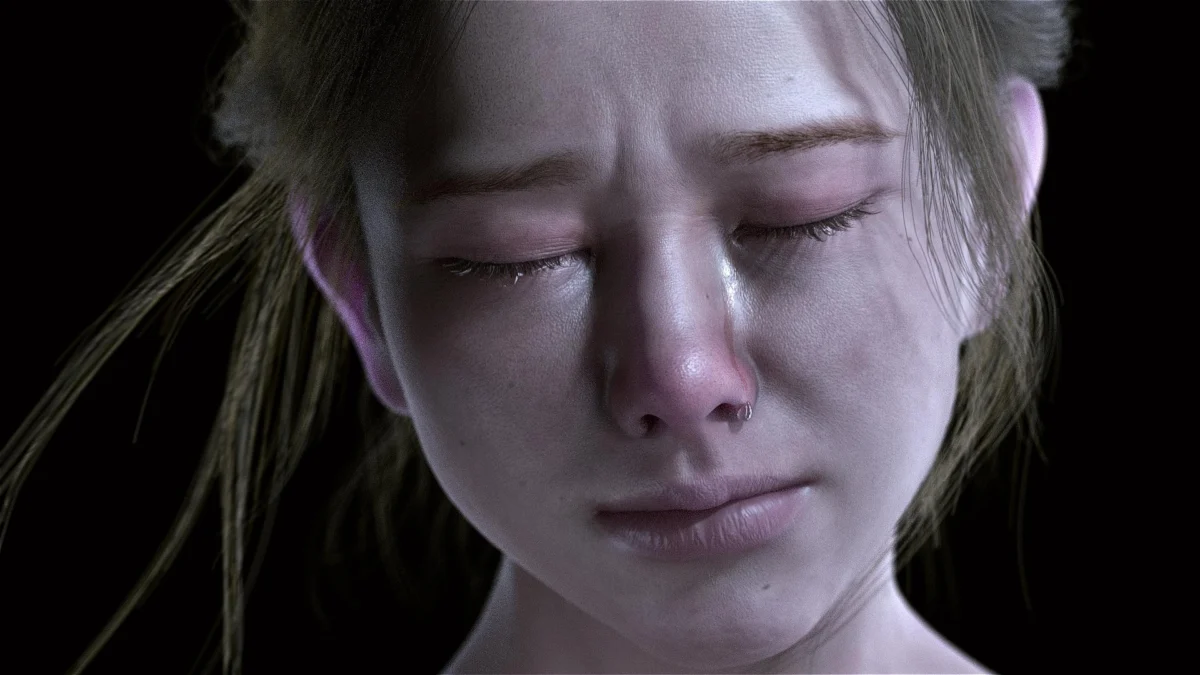
The burgeoning landscape of 3D character animation is being continually shaped by the innovative work shared within online communities, and a recent project highlighted on BlenderNation serves as a compelling testament to the platform’s expanding prowess. This particular animation, currently in production, focuses on intricate facial expressions and vocal synchronization, demonstrating a sophisticated level of artistry and technical execution achievable with Blender, a widely adopted open-source 3D creation suite. The ongoing development of such projects not only elevates individual artists but also contributes to the broader advancement of digital storytelling and character-driven narratives across various media.
The Genesis of a Spotlighted Project
Each week, the Blender Artists forum serves as a vibrant hub where a multitude of artists converge to showcase their latest creations, exchange feedback, and foster a collaborative environment. BlenderNation, a prominent online publication dedicated to the Blender ecosystem, plays a crucial role in curating and disseminating this diverse artistic output. By regularly featuring exceptional work, BlenderNation provides artists with invaluable exposure and inspires a wider audience to explore the creative possibilities offered by Blender. The highlighted facial animation project represents one such instance where artistic merit and technical proficiency have earned it a place in the public eye, underscoring the dedication and skill present within the global Blender community.
The project’s emergence on BlenderNation is part of a long-standing tradition initiated by Bart, the publication’s founder and editor. With a deep-rooted history in the Blender community, including contributions to early tutorials and involvement in the pivotal crowdfunding campaign that led to Blender’s open-sourcing, Bart has been instrumental in nurturing and promoting Blender-centric content since 2006. His consistent dedication to showcasing artist achievements, alongside his leadership of the Blender Artists forum and his role as Community Lead at n8n, positions him as a key figure in the digital art and open-source software landscape. The weekly spotlight on exceptional Blender work, therefore, is not merely a reporting function but a strategic initiative to celebrate and propel the advancements driven by this powerful creative tool.
Technical Prowess in Facial Animation
The specific 3D character animation in question delves into the nuanced domain of facial animation, a critical element in bringing digital characters to life and conveying emotion effectively. This genre of animation requires a meticulous understanding of anatomy, performance, and the technical pipelines necessary to translate subtle movements into believable expressions. Modern facial animation techniques often involve sophisticated rigging systems that allow for precise control over facial musculature, enabling animators to replicate the complex interplay of expressions that define human communication.
Key components of advanced facial animation typically include:
- Advanced Rigging: The creation of intricate control rigs that mimic the bone and muscle structure of the face. This often involves a combination of bone-based rigs and blend shapes (also known as morph targets), which allow for predefined facial deformations.
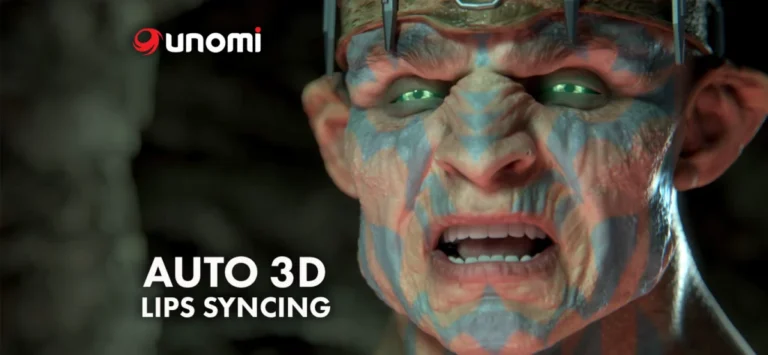
- Lip-Sync Technology: Synchronizing character lip movements with dialogue is a cornerstone of believable animation. This can be achieved through manual animation, automated lip-sync software, or a hybrid approach that combines both.
- Performance Capture Data Integration: Increasingly, studios and independent artists are leveraging performance capture data (motion capture of actors’ facial performances) to drive their digital characters, providing a foundation of realistic movement.
- Shader and Material Development: The realistic rendering of skin, eyes, and hair is paramount to the overall believability of a character. This involves the development of sophisticated shaders that simulate the way light interacts with these complex surfaces.
- Emotional Nuance and Subtlety: Moving beyond basic expressions, skilled animators focus on conveying subtle emotional shifts, micro-expressions, and the underlying personality of a character through their facial performance.
The fact that such a project is being developed and showcased on platforms like BlenderNation suggests a growing accessibility of these advanced techniques to a wider range of creators, from independent artists to small studios. Blender’s continuous development, driven by its open-source nature and active community contributions, has equipped it with increasingly robust tools for character rigging, animation, and rendering, making it a viable and often preferred choice for complex character work.

The Broader Context of Open-Source Animation
The success of projects like this is intrinsically linked to the evolution and adoption of open-source software within the creative industries. Blender, in particular, has transitioned from a niche tool to a mainstream contender, rivaling proprietary software in its feature set and professional application. Its open-source model fosters rapid development through community contributions, a transparent development roadmap, and a collaborative ethos that encourages sharing and learning.
Historical Context:
- Early Days of Digital Animation: The early landscape of digital animation was dominated by proprietary software, often with substantial licensing costs, limiting access for many aspiring artists and smaller studios.
- The Rise of Open Source: The emergence of open-source alternatives, with Blender at the forefront, began to democratize 3D content creation. The pivotal moment for Blender was its open-sourcing in 2002, a move facilitated by a successful crowdfunding campaign.
- Community-Driven Innovation: Since becoming open-source, Blender’s development has been significantly accelerated by its global community. This has led to the rapid integration of advanced features and a consistent release cycle, keeping the software competitive.
- Industry Adoption: Over the years, Blender has seen increasing adoption in professional pipelines, from independent film production and game development to architectural visualization and advertising. Its versatility and cost-effectiveness have made it an attractive option for a wide range of projects.
Supporting Data and Trends:
- User Growth: Blender has experienced exponential user growth in recent years. While precise real-time figures are dynamic, reports and community surveys consistently indicate millions of active users worldwide.
- Feature Set Expansion: Each major Blender release introduces significant enhancements, including improvements to its animation tools, rendering engines (Cycles and Eevee), sculpting capabilities, and simulation physics. For instance, recent updates have focused on enhancing the Grease Pencil for 2D animation within a 3D environment, and improving the performance and workflow for complex character rigging.
- Educational Resources: The abundance of free and affordable tutorials, courses, and documentation available online for Blender has further fueled its adoption, particularly among students and self-taught artists.
- Independent Film and Game Successes: Numerous independent animated films, short films, and video games have been successfully produced using Blender, showcasing its capability for delivering high-quality results on a limited budget. Projects that have garnered significant attention include "Next Gen" (Netflix) which utilized Blender for significant portions of its animation, and a multitude of award-winning short films showcased at festivals globally.
The continuous refinement of Blender’s character animation toolset, including its rigging, posing, and animation playback systems, directly benefits projects like the one highlighted. This allows artists to achieve complex deformations, precise timing, and expressive performances with greater efficiency and artistic control.
Implications for the Future of Animation
The ongoing advancements in 3D character facial animation, particularly those realized through accessible tools like Blender, carry significant implications for the future of animated content creation.
- Democratization of High-Quality Animation: As powerful tools become more accessible, the barrier to entry for producing professional-grade animation is lowered. This empowers a broader spectrum of artists and storytellers to bring their visions to life, leading to a more diverse and innovative animated landscape.
- Enhanced Storytelling Capabilities: Realistic and emotive facial animation is crucial for conveying complex characters and narratives. As these capabilities improve, animated films, series, and games can achieve deeper emotional resonance and more compelling character development.
- Integration with Emerging Technologies: Advanced facial animation techniques are increasingly being integrated with virtual reality (VR), augmented reality (AR), and real-time rendering technologies. This opens up new avenues for interactive storytelling, virtual performances, and immersive experiences.
- Shift in Production Workflows: The efficiency and flexibility offered by modern animation software, coupled with the collaborative nature of online communities, are leading to more agile and iterative production workflows. This can accelerate production timelines and allow for greater experimentation.
- Economic Impact: The growth of accessible, high-quality animation tools can foster new economic opportunities for freelance animators, small studios, and independent content creators. It can also influence the demand for specialized skills within the animation industry.
The continued evolution of projects like the one featured, driven by the robust capabilities of Blender and the dedication of its community, signals a dynamic and exciting future for digital character animation. As technology advances and artistic talent flourishes, we can anticipate even more sophisticated, emotionally engaging, and visually stunning animated content emerging from creators around the globe. The journey from concept to final rendered animation, when executed with skill and passion, underscores the transformative power of digital art and the communities that support its growth.
About the Author