
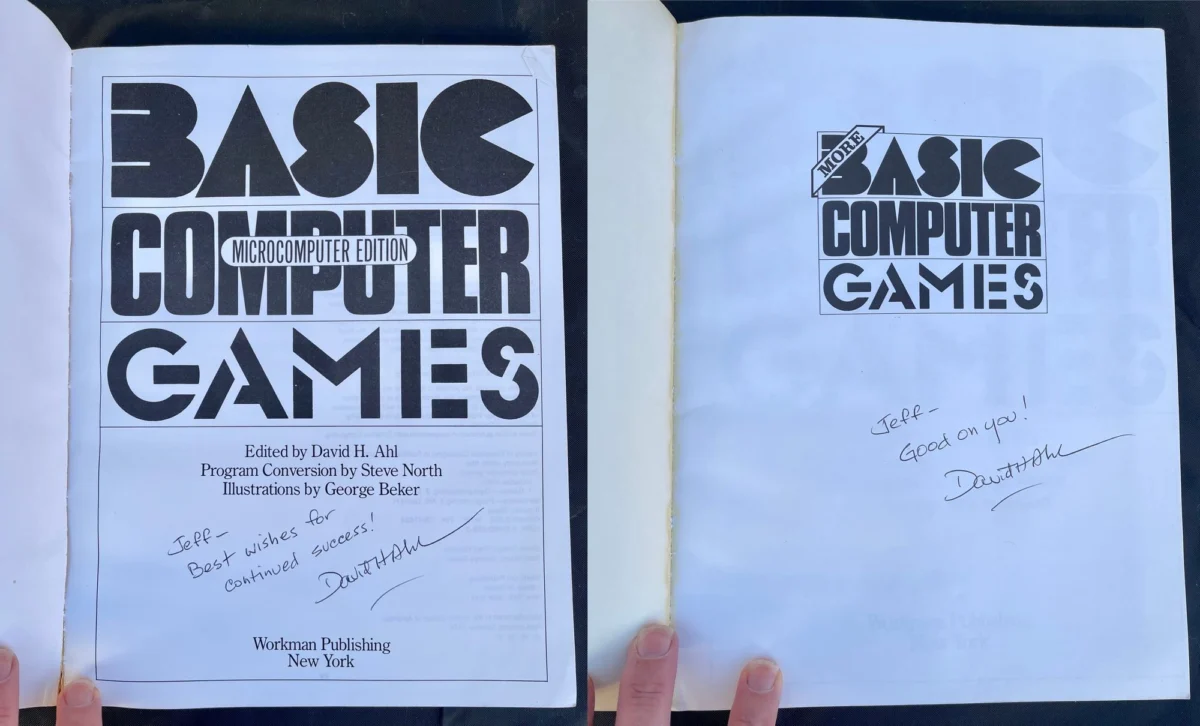
Jeff Atwood, the acclaimed software developer and co-founder of Stack Overflow, is spearheading an ambitious community-driven project to meticulously update David H. Ahl’s iconic "101 BASIC Computer Games." This initiative aims to translate the foundational programs that introduced an entire generation to computing into ten modern, memory-safe, general-purpose scripting languages. The project, hosted collaboratively on GitHub, seeks to preserve these invaluable artifacts of early digital culture while simultaneously demonstrating contemporary programming practices, fostering community engagement, and supporting future generations of coders through a partnership with Girls Who Code. The endeavor has received the express permission and blessing of David H. Ahl himself, connecting the past and present of computing education.
The Enduring Legacy of "101 BASIC Computer Games"
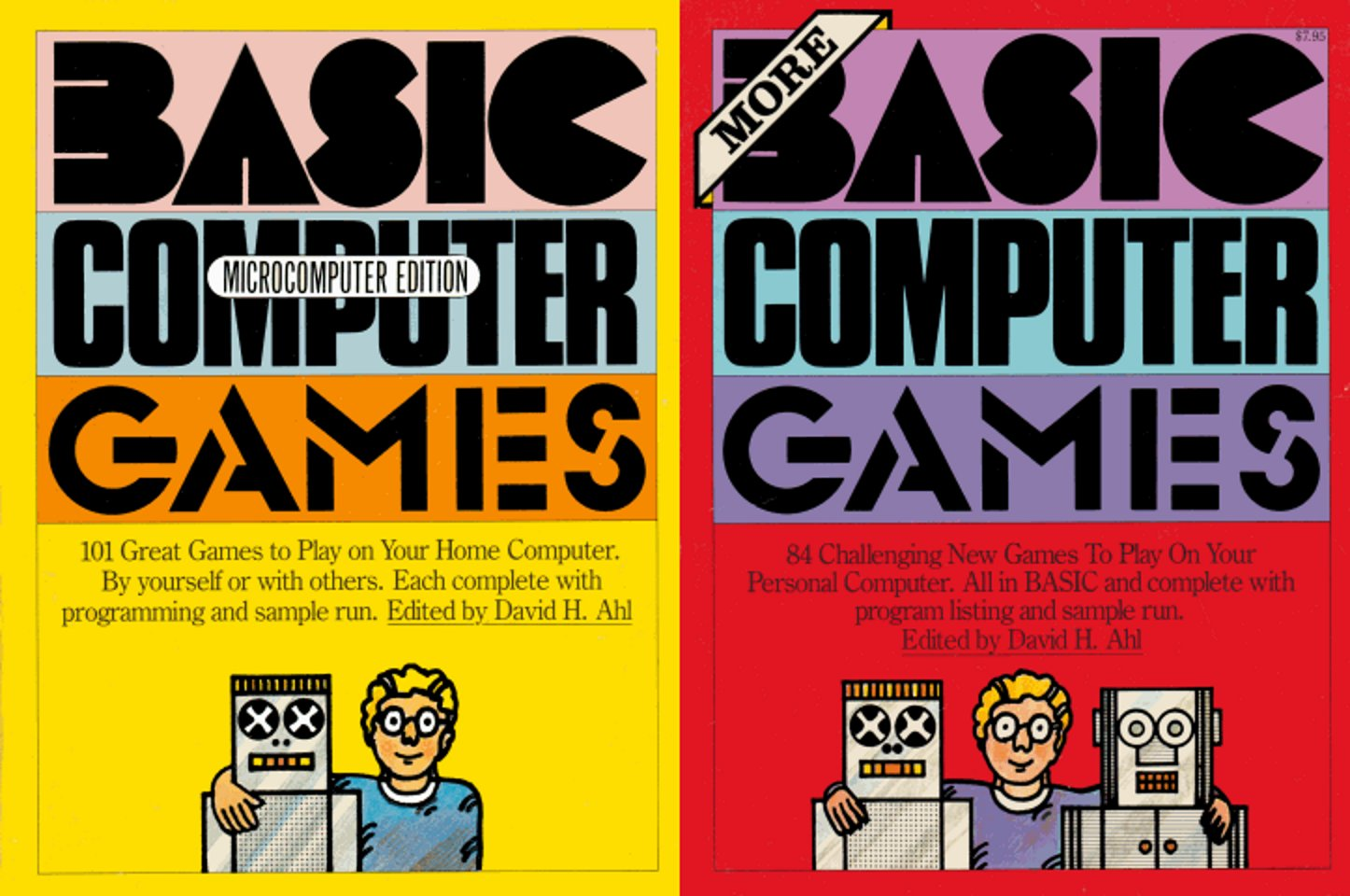
Published initially by Digital Equipment Corporation (DEC) in 1973, "101 BASIC Computer Games" was more than just a book of code; it was a portal to the nascent world of personal computing for countless individuals. In an era devoid of the intuitive graphical user interfaces (GUIs) and app-laden desktops familiar today, early computers booted directly into a stark command-line interface. For many, the only way to interact with these machines, beyond expensive add-ons like cassette tape drives, was to manually type in programs line by line from printed sources. This arduous, yet profoundly rewarding, process of transcribing code from books like Ahl’s became the primary method of engagement for aspiring programmers and enthusiasts.
David H. Ahl, then at DEC, recognized the burgeoning interest in computing among the public. His compilation of games, many sourced from various programmers and institutions, quickly resonated. The book’s impact was monumental: it went into a second printing, selling 10,000 copies, a remarkable feat considering the scarcity of personal computers at the time. Ahl himself noted, "That was far more books than there were computers around, so people were buying three, four, five of them for each computer." This phenomenon underscores the book’s role as a de facto instruction manual and a source of inspiration, often purchased long before a personal computer was even acquired. Its cultural significance was further solidified when it became the first computer book in history to sell over a million copies, cementing its status as arguably one of the most influential texts in computing history.
Ahl’s pioneering spirit extended beyond the book. After leaving DEC, he founded Creative Computing Magazine in 1974, a seminal publication that served as a vital hub for the burgeoning microcomputer community throughout the 1970s and 1980s. The magazine, born from Ahl’s sheer "sweat equity" and minimal capital, involved him personally editing articles, writing content, designing layouts, and even hand-labeling thousands of unsolicited copies to distribute to libraries and schools. This grassroots effort played a critical role in democratizing access to computing knowledge and fostering a sense of community among early enthusiasts. Creative Computing frequently featured new BASIC programs, many of which expanded upon the ideas presented in "101 BASIC Computer Games," further nurturing a generation that learned to code by painstakingly entering lines of text to bring digital worlds to life.

For many, including Jeff Atwood, the experience of typing in these programs in the early to mid-1980s—often in isolation, armed only with the book and a blinking cursor—was the genesis of their professional careers. This hands-on, often frustrating, yet ultimately deeply educational process of debugging and understanding code from the ground up formed the bedrock of their programming intuition.
The Imperative for True Modernization
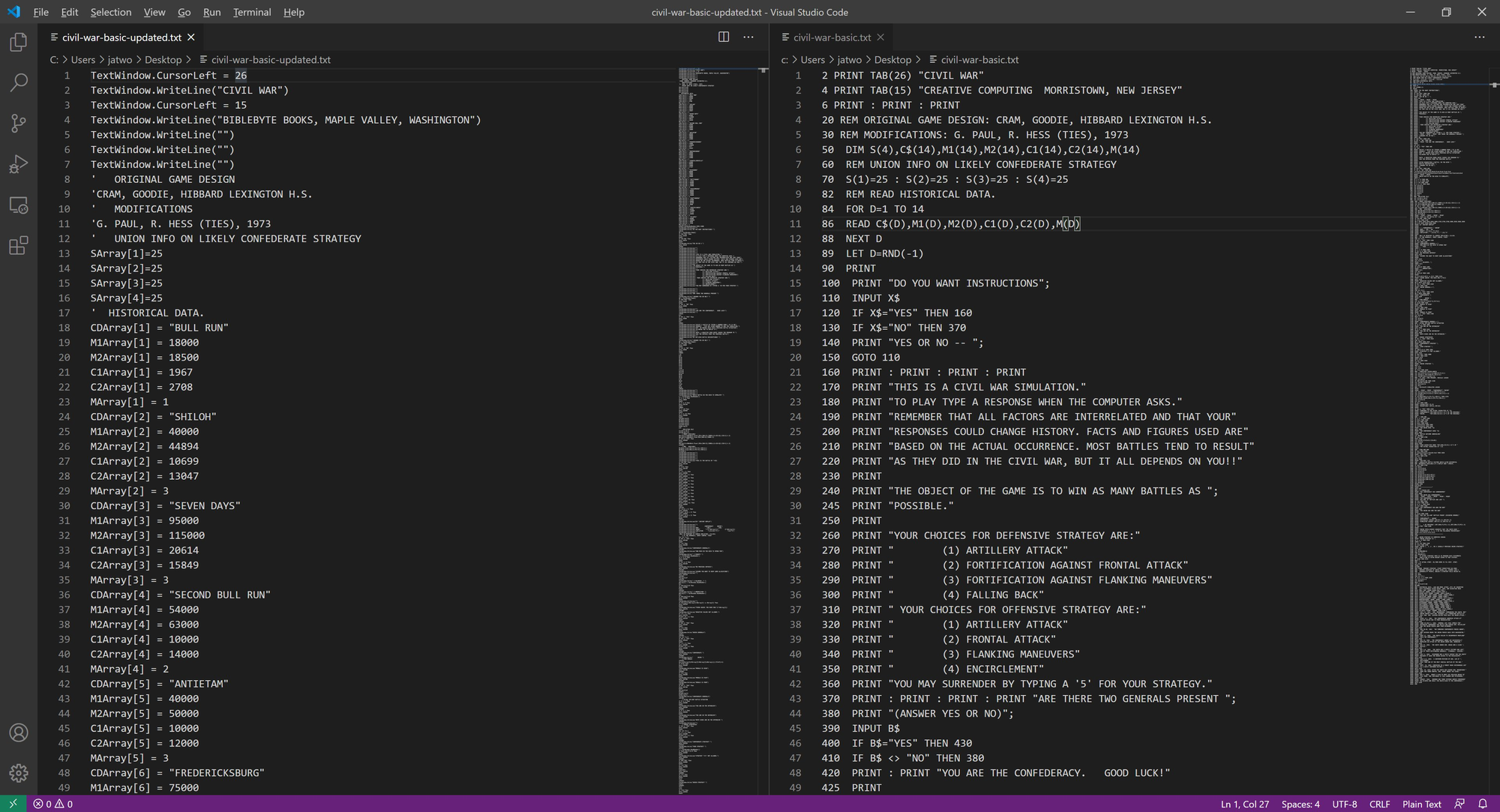
Despite the book’s profound historical significance, efforts to update its contents for modern audiences have, until now, largely fallen short. A 2010 attempt to modernize these BASIC programs using SmallBasic, for instance, primarily focused on removing line numbers, a vestige of early BASIC’s structure, but did little to integrate contemporary programming paradigms. As Atwood points out, comparing the original 1973 BASIC Civil War game with its 2010 SmallBasic port reveals a fundamental lack of structural improvement. Crucial concepts like subroutines – which Atwood champions as "the greatest invention in computer science" for promoting modularity and reusability – remained largely absent. This oversight meant that the updated versions, while runnable on newer platforms, failed to offer genuine insights into modern coding practices or the evolution of software engineering.
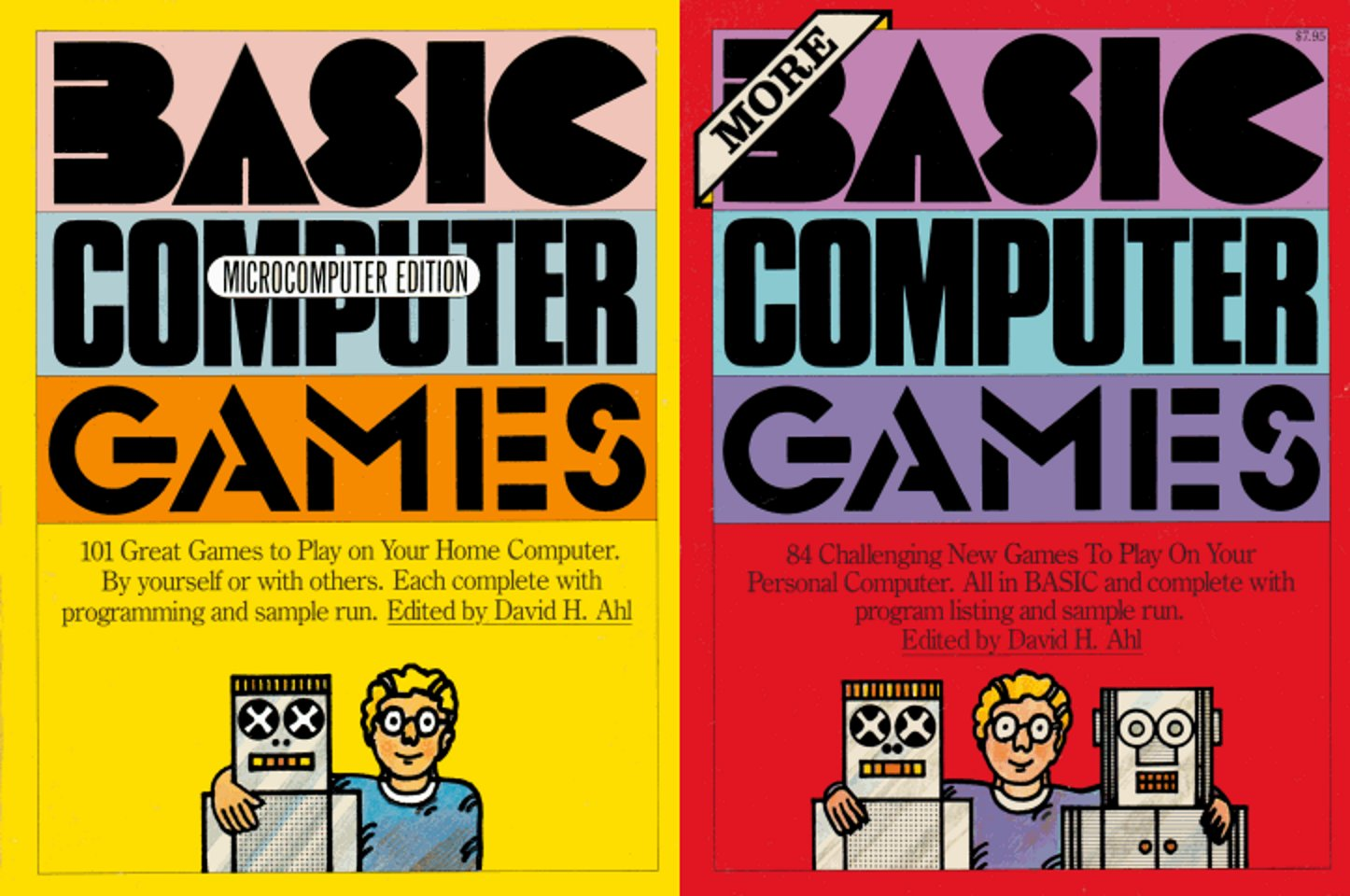
The new project aims to rectify this. Atwood’s vision is not merely a transliteration but a true modernization, embracing principles that were either nascent or non-existent in the 1970s. This includes structured programming, the use of functions and subroutines, clear variable naming conventions, and, critically, the adoption of memory-safe languages. Memory safety, a paramount concern in modern software development, guards against common vulnerabilities like buffer overflows and null pointer dereferences, which can lead to system crashes or security exploits. By porting these simple games into languages designed with memory safety in mind, the project offers a tangible illustration of how foundational concepts can be re-imagined for robust and secure contemporary applications.
Project Structure and the Call for Collaboration
The core of this ambitious undertaking resides on GitHub, serving as a centralized, open-source platform for global collaboration. After securing the enthusiastic permission of David H. Ahl, Atwood launched the repository, inviting programmers worldwide to contribute. The project initially targeted ten memory-safe, general-purpose scripting languages: Python, JavaScript, Ruby, C#, Go, PHP, Swift, Rust, Kotlin, and Lua. The selection of these languages reflects their popularity, versatility, and inherent memory safety features, offering a diverse palette for contributors.

The list of target languages has seen minor adjustments to optimize for the project’s goals. Pascal, initially considered, was later removed due to challenges in guaranteeing memory safety across its various implementations and was replaced by Rust, a language renowned for its robust memory safety guarantees without garbage collection. Kotlin was introduced as a modern alternative to Java, while Lua, having recently cracked the top 20 in the TIOBE index, was added for its strong adherence to scripting and memory-safe criteria. This iterative refinement of the project’s parameters underscores a commitment to both historical authenticity and modern relevance.
Atwood envisions this project as a collective, global effort, a stark contrast to the solitary experience of early programmers. "Imagine we’re all typing these programs in simultaneously together online, all over the world, instead of being isolated alone in our room in 1984, cursing at the inevitable typo we made somewhere when typing the code in by hand out of the book," he states, emphasizing the communal aspect. This collaborative model not only accelerates the porting process but also serves as an educational tool in itself, demonstrating best practices in open-source development, version control, and peer review.
To further incentivize participation and foster a sense of shared purpose, Atwood has committed to donating $5 to Girls Who Code for every functioning program submitted in each of the ten indicated languages by the end of 2022. This initiative not only provides a tangible reward for contributors but also links the project directly to efforts aimed at increasing diversity and inclusion in the technology sector, ensuring that the legacy of "101 BASIC Computer Games" helps inspire the next generation of female programmers. Comprehensive guidelines for contributions are provided in the project’s README file on GitHub, alongside a dedicated discussion forum for queries and community interaction, ensuring a structured and supportive environment for all participants. Atwood is also actively seeking project co-owners to help manage and organize the growing endeavor, inviting those with a deep passion for the project to step into leadership roles.
Broader Implications and Educational Value
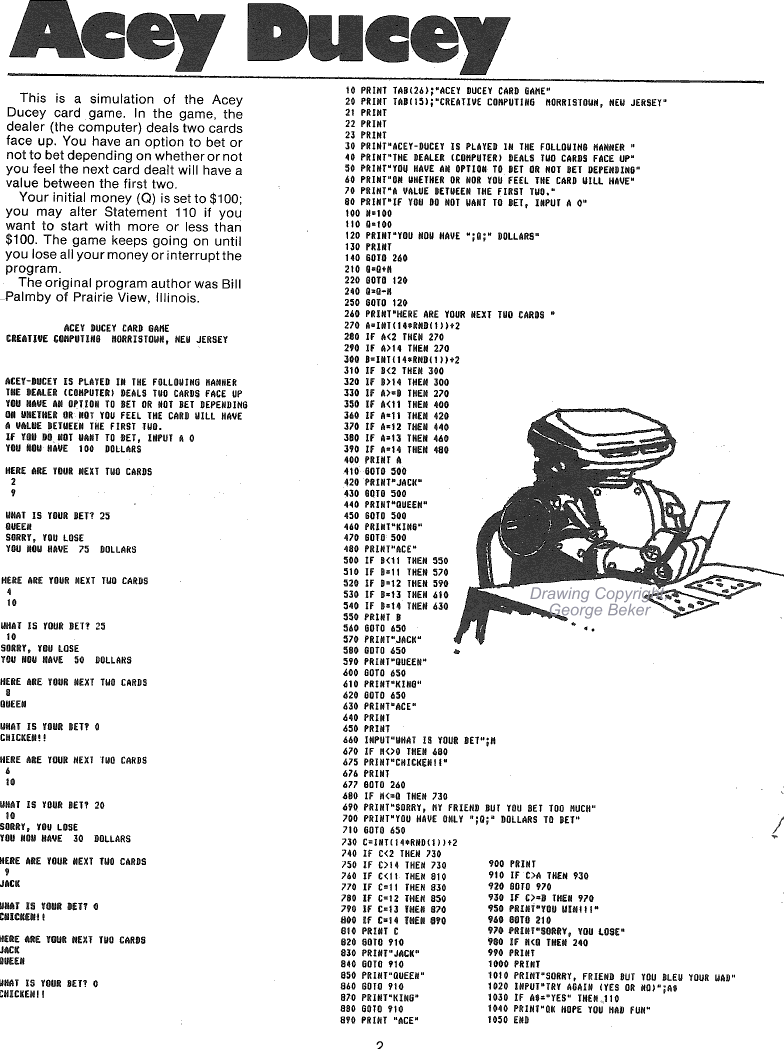
The modernization of "101 BASIC Computer Games" carries significant implications beyond mere technical translation. Foremost among these is the preservation of digital heritage. These primitive games, though simple by today’s standards, are "precious artifacts of early computing." They represent the foundational logic and interactive experiences that shaped the nascent digital landscape. By porting them to modern languages, the project ensures their accessibility and understandability for future generations of historians, computer scientists, and enthusiasts. The inclusion of George Beker’s charming original artwork further enhances this preservation, maintaining the aesthetic and cultural context of the era.
From an educational standpoint, the project offers unparalleled opportunities. It allows current and aspiring programmers to engage directly with the historical roots of their discipline, observing the evolution of programming paradigms firsthand. By comparing the original BASIC code with its modern counterparts, participants can gain a deeper appreciation for advancements in language design, data structures, and algorithmic efficiency. It provides a practical framework for learning new languages by tackling well-understood problems, fostering a comparative understanding of different syntax and semantic approaches. For students, it serves as an accessible entry point into open-source contributions, a valuable skill in today’s software industry. The partnership with Girls Who Code amplifies this educational impact, actively working to bridge the gender gap in tech by providing resources and inspiration to young women.
Ultimately, the project rekindles a fundamental truth about programming: "this stuff is supposed to be fun." It taps into the nostalgic joy of early computing while simultaneously embracing the innovation of the present. By transforming a beloved classic into a contemporary, collaborative experience, Jeff Atwood and his community are not just updating a book; they are reimagining a legacy, ensuring that the foundational spirit of "101 BASIC Computer Games" continues to inspire, educate, and entertain for decades to come, bridging the gap between computing’s pioneering past and its dynamic future.
About the Author







