The Historical Hurdle: Battery Technology and Early Electric Vehicles
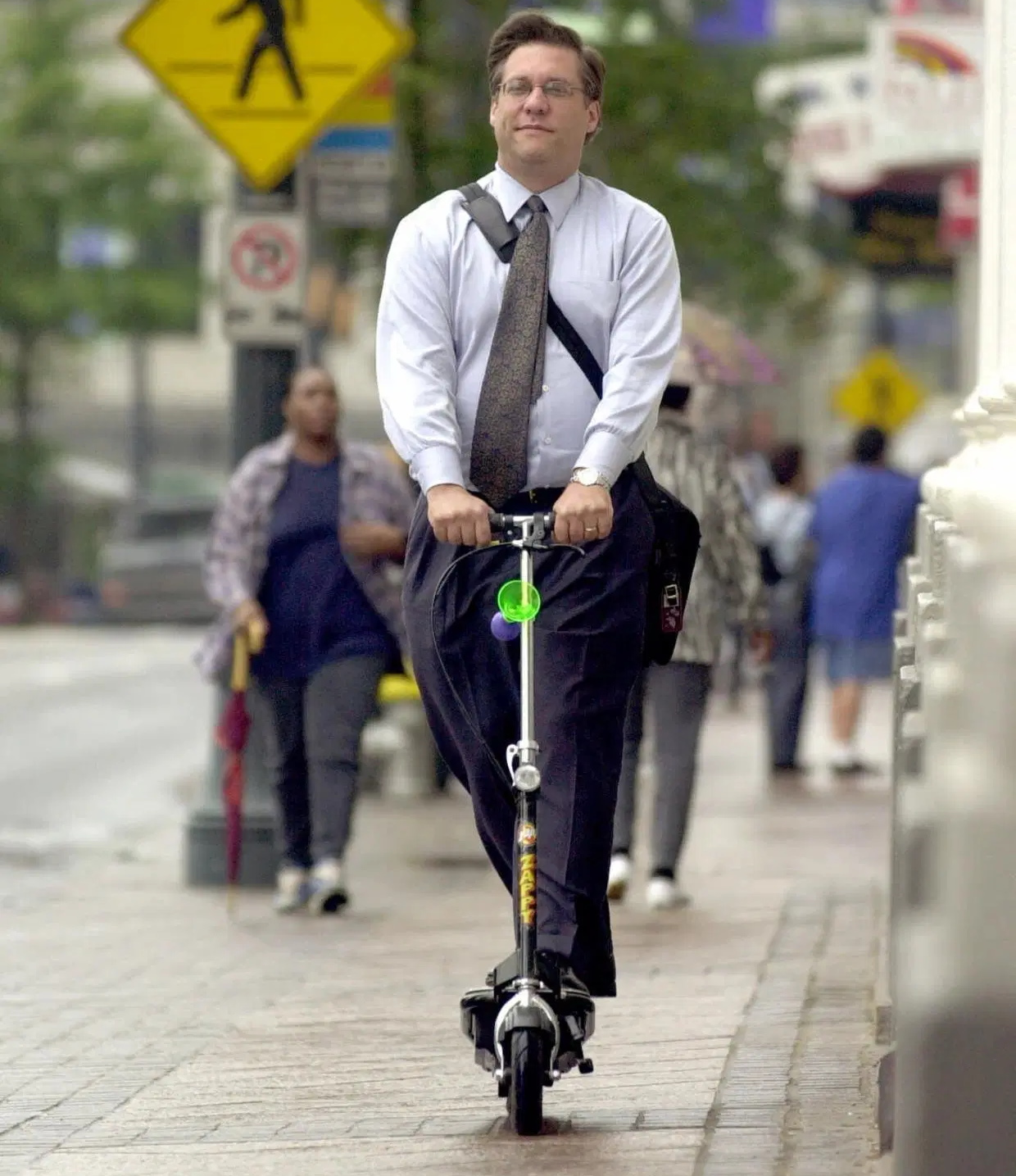
The journey towards viable electric transportation has been fraught with technological limitations, particularly concerning energy storage. Two decades ago, early attempts at electric personal mobility, such as the Zappy electric scooter, faced insurmountable challenges. These devices, much like electric cars of the early 2000s, were hampered by rudimentary lead-acid battery technology. Lead-acid batteries were characterized by their excessive weight, low power output, limited range, and prolonged charging times. In essence, the "battery sucked," a singular flaw that rendered electric vehicles largely impractical for mainstream adoption. The true breakthrough arrived with the maturation of Lithium-ion (Li-ion) battery technology. This innovation proved to be the catalyst, transforming not only electric cars and scooters but virtually all portable electronic devices into viable, high-performance products.
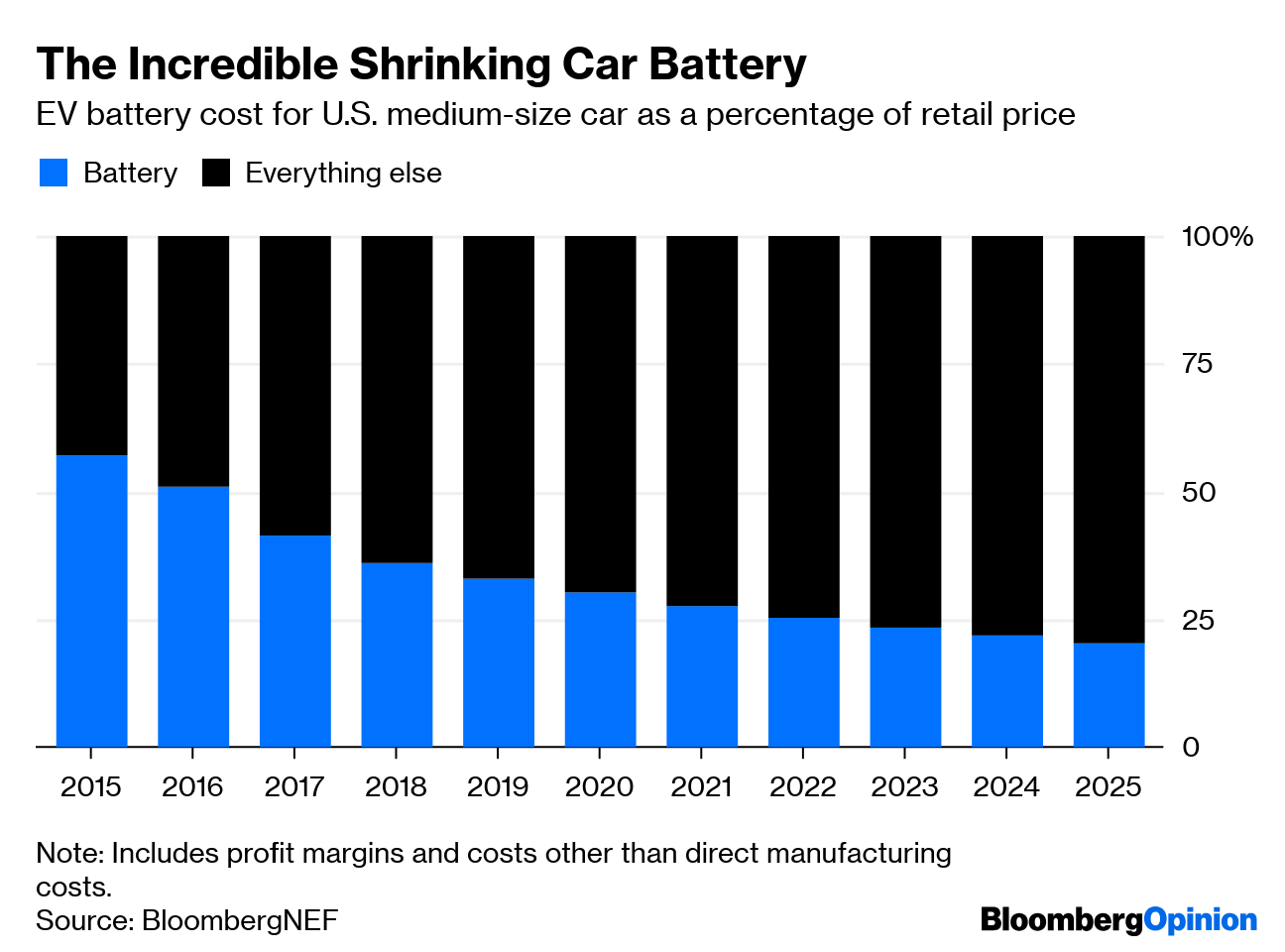
The shift to Li-ion batteries has been nothing short of revolutionary. Industry data reveals a staggering decrease in Li-ion battery pack prices, plummeting by over 85% between 2010 and 2020. In 2010, the average battery pack cost was around $1,100 per kilowatt-hour (kWh); by 2020, this figure had fallen to approximately $137/kWh, and it continues to trend downwards. This exponential cost reduction has fundamentally reshaped the economics of electric mobility, making advanced energy storage accessible for a wide array of applications, from smartphones to electric cars and, crucially, to micro-mobility solutions like electric scooters. Analysts from BloombergNEF project further declines, anticipating costs to fall below $100/kWh in the coming years, which would mark another significant inflection point for EV affordability.
Xiaomi Mi M365: A Benchmark of Affordability
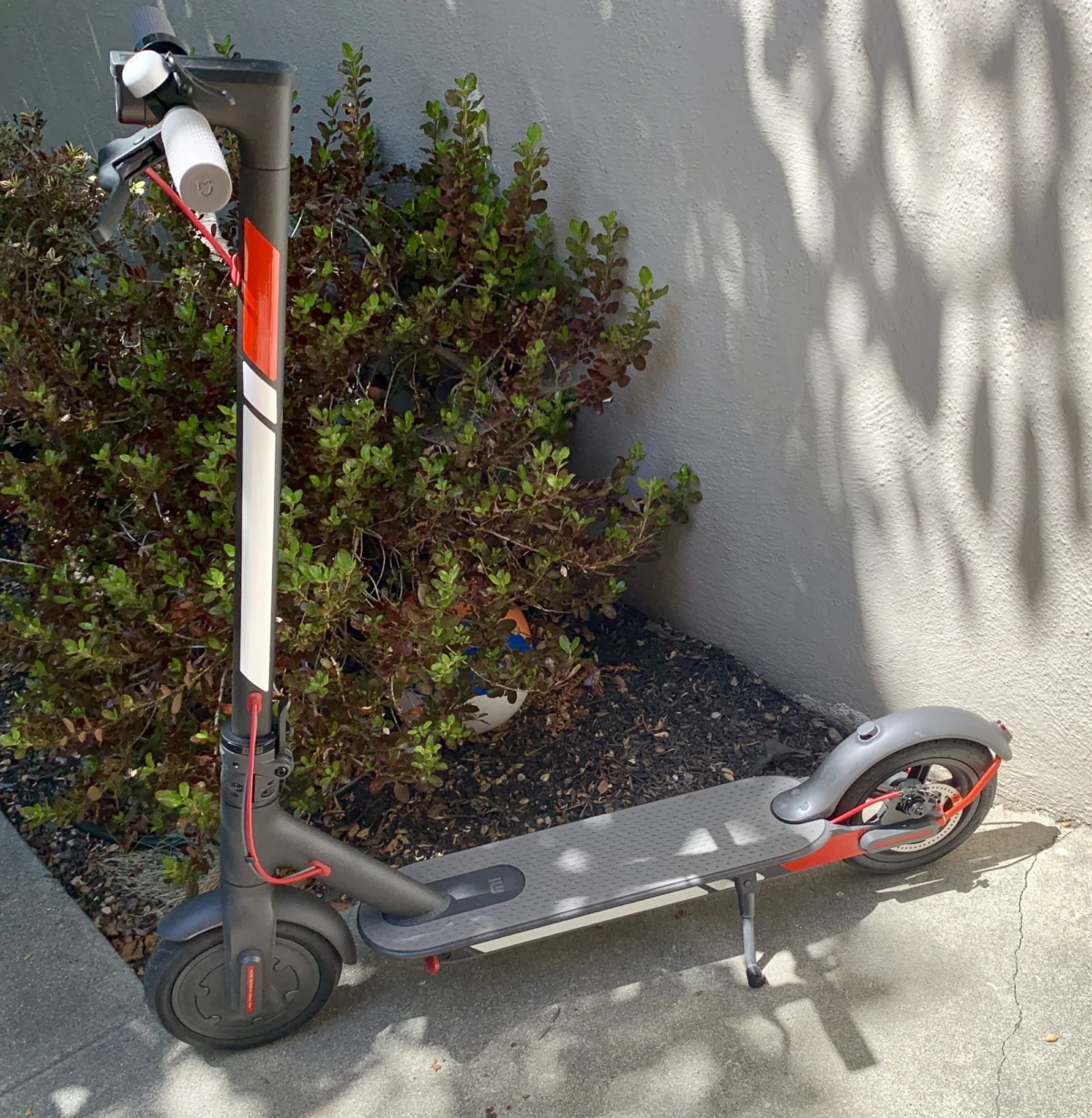
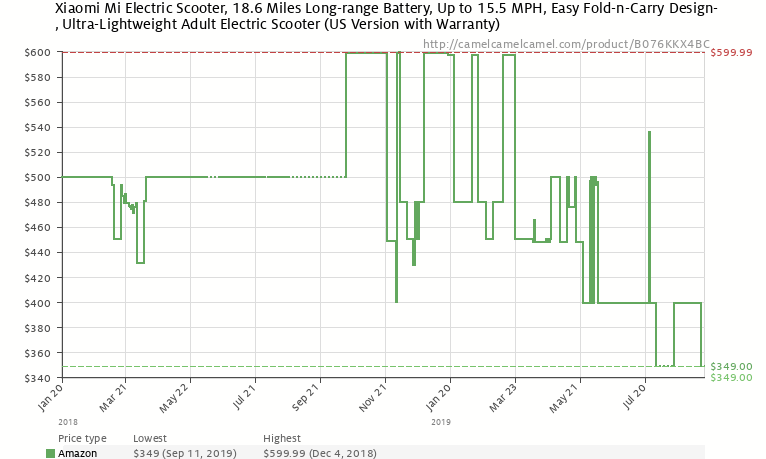
To gauge the real-world impact of these declining battery costs, examining the trajectory of popular electric scooter models provides compelling evidence. The Xiaomi Mi M365 stands out as a prime example. When it first entered the U.S. market in early 2017, its price point hovered around $800. Fast forward to late 2019, and the cost of this widely recognized and well-regarded electric scooter had effectively halved, often available for $300-$400. This dramatic price drop within a mere three-year span is exceptional and serves as a robust indicator of the underlying reduction in component costs, predominantly the battery, benefiting electric vehicles of all configurations.

This unprecedented affordability has democratized personal electric transportation, making it accessible to a much broader consumer base. The Xiaomi M365, often lauded for its robust design, decent range, and user-friendly features, quickly became the "Honda Civic" of electric scooters—a reliable, economical choice for the everyday rider. Its success underscored the burgeoning demand for efficient, low-cost urban mobility solutions, demonstrating that high-quality electric transport no longer required a premium investment.
The Rise of the Rental Economy and Market Evolution
The timeline of the Xiaomi M365’s price reduction notably overlaps with the meteoric rise of the electric scooter smartphone app rental industry. Companies like Bird, Lime, Skip, and Spin burst onto urban landscapes across the globe, offering on-demand access to electric scooters. Interestingly, early iterations of these rental fleets frequently utilized slightly modified Xiaomi M365s, testifying to the model’s initial suitability and cost-effectiveness. The widespread deployment of these rental scooters, despite their often "quasi-legal" status in many jurisdictions, rapidly familiarized millions with the concept and convenience of electric micro-mobility. This accelerated public acceptance and demonstrated the practical utility of scooters for short urban commutes.
However, the rental industry soon encountered its own set of operational challenges, including high rates of theft, vandalism, and intense maintenance demands. The average lifespan of a rental scooter was initially alarmingly short, sometimes as little as a few months. By late 2018, many operators began migrating from off-the-shelf consumer models to custom-built, ruggedized scooters specifically designed for the rigors of public rental. These purpose-built models featured enhanced durability, improved locking mechanisms, and integrated GPS for better tracking and management. Furthermore, rental companies began experimenting with their business models, moving from the initial per-minute charging structure to more stable subscription-based services, such as monthly rentals, to enhance profitability and user retention. For instance, Bird introduced a $25 per month rental program for Xiaomi M365s in select cities, demonstrating a strategic pivot towards longer-term user engagement and more predictable revenue streams. Industry analysts suggest that this evolution highlights the ongoing quest for sustainable profitability in a highly competitive market, indicating a belief in the long-term viability of micro-mobility despite initial hurdles. "The micro-mobility sector is maturing," observed a spokesperson for Lime, "We’re moving beyond the initial land grab to focus on sustainable operations, user safety, and deeper integration with urban transit."
Electric Scooters: The Future of Urban Transportation?
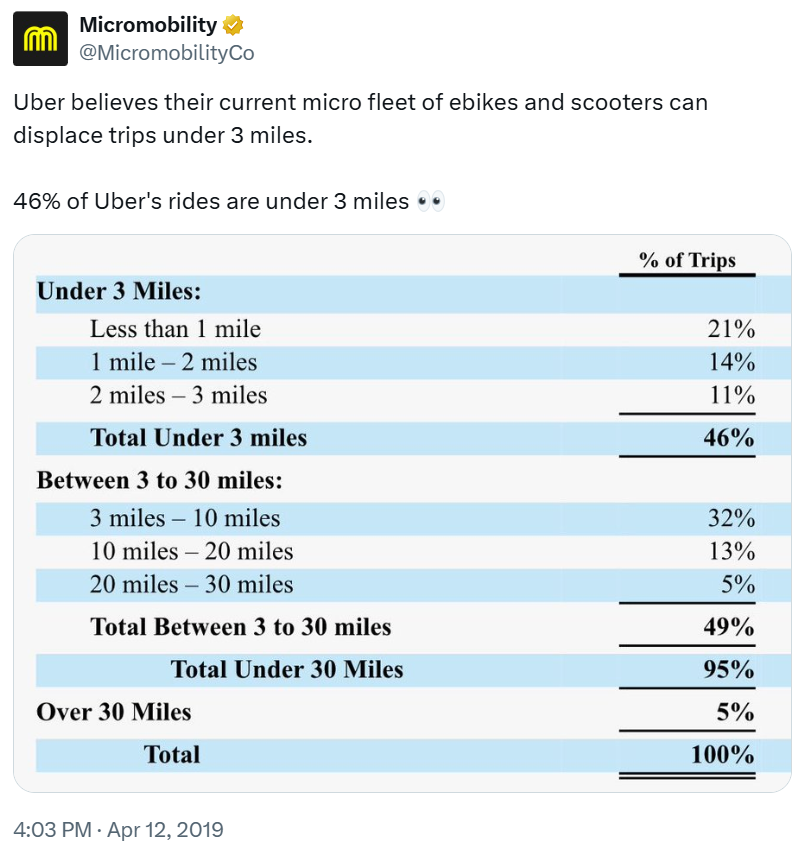
Beyond recreational use or short-term rentals, a more fundamental question emerges: are electric scooters poised to become a cornerstone of future urban transportation? Evidence suggests a strong affirmative. Even large transportation companies like Uber, despite their extensive car-based ride-sharing operations, recognize the inefficiency of using full-sized vehicles for many short-distance trips. Internal data from Uber indicates that approximately 46% of its traditional car rides are under three miles—a distance perfectly suited for micro-mobility solutions like electric bikes and scooters. This realization prompted Uber’s investment in its own micro-fleet, underscoring a strategic belief that these smaller, agile vehicles can effectively displace a significant portion of short urban journeys.
The implications for urban planning and environmental sustainability are profound. Electric scooters offer a compelling alternative to cars for last-mile commuting, errands, and recreational travel within congested city centers. They contribute to reduced traffic congestion, alleviate parking pressures, and significantly lower carbon emissions compared to gasoline-powered vehicles. A study by the European Cyclists’ Federation noted that replacing car trips with electric scooter journeys could lead to a substantial reduction in urban air pollution and greenhouse gas emissions. Urban planners increasingly view micro-mobility as a critical component of integrated transit systems, facilitating connections between public transport hubs and final destinations. "The integration of diverse micro-mobility options is essential for creating truly sustainable and accessible urban environments," stated a representative from the Urban Mobility Council, highlighting the need for cities to embrace and plan for these new modes of transport through dedicated infrastructure like bike lanes and charging stations.
Navigating the Regulatory Labyrinth and Safety Considerations
The rapid proliferation of electric scooters has, however, created a complex regulatory landscape. Local governments worldwide have struggled to formulate consistent and logical frameworks for their operation. The legal status of electric scooters varies wildly by jurisdiction, leading to confusion among riders and enforcement challenges for authorities. For example, some regions in California require riders to possess a valid driver’s license—a stipulation not typically applied to electric bicycles—and universally prohibit scooters from sidewalks. These restrictions, while often well-intentioned to ensure public safety and pedestrian flow, are sometimes criticized by advocates for being overly onerous and hindering the adoption of an environmentally friendly transport alternative. "Disjointed regulations impede the full potential of micro-mobility," argued a spokesperson for the National Association of City Transportation Officials (NACTO), advocating for a more harmonized approach that balances safety with accessibility.
A critical area of regulatory consensus, however, is the establishment of speed limits. A top speed of 15 miles per hour is widely considered appropriate and safe for an adult operating a scooter while standing, without specialized safety gear. Speeds exceeding this threshold can quickly become uncomfortable and hazardous, elevating the risk of severe injury in the event of an accident. This concern is underscored by the emergence of high-performance electric scooters capable of speeds up to 40 miles per hour, often equipped with dual motors and advanced suspension systems. While these models cater to a niche market seeking extreme performance, their existence highlights the need for clear safety guidelines and rider education, especially given the minimal protection offered by standard scooter gear. Consumer safety advocates consistently emphasize the importance of helmets, adherence to speed limits, and designated riding areas, urging both manufacturers and riders to prioritize safety. Accident data from various cities has shown a correlation between higher speeds and increased severity of injuries, reinforcing the need for sensible speed regulations.
Beyond speed, practical challenges include maintenance. Punctures on small scooter tires are a common complaint, often requiring preventative measures like tire sealant or the adoption of solid tubeless tires, albeit at the cost of some ride comfort. These minor inconveniences, however, do not detract significantly from the overall utility and enjoyment of the devices, particularly for cost-conscious consumers.
Evolving Designs and the Future Landscape
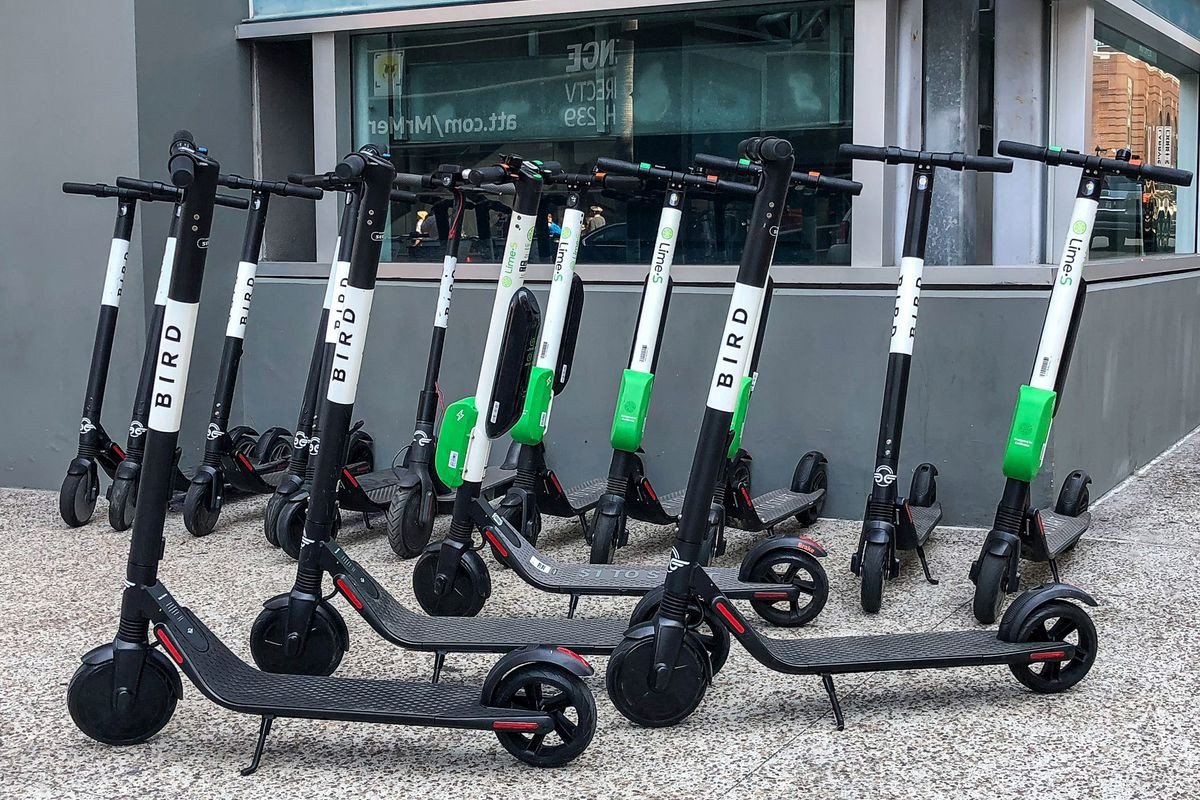
The market for electric scooters is rapidly diversifying beyond the foundational models like the Xiaomi M365. Consumers now have a plethora of choices, from luxurious models boasting premium materials and advanced features (e.g., Unagi scooters), to ultralight scooters designed for maximum portability (e.g., FluidFreeRide Mosquito), and rugged off-road variants built for more adventurous terrains (e.g., Widewheel). This burgeoning diversity caters to a wide spectrum of consumer needs and preferences, indicating a maturing market with significant innovation.
The introduction of successors, such as the Xiaomi M365 Pro, further illustrates this evolution. The Pro model offers incremental but welcome enhancements, including a larger battery for extended range, an improved disc brake for superior stopping power, a more robust motor, a better display, and a refined latch mechanism. While these improvements enhance the user experience, their initial premium pricing often makes the original M365 a more compelling value proposition, especially given its continued affordability. The inherent "digital" nature of modern electric vehicles, exemplified by the M365’s Bluetooth connectivity, companion app, and even the possibility of firmware customization, further adds to their appeal and potential for future integration into smart urban ecosystems. This connectivity allows for features like remote locking, ride statistics tracking, and over-the-air updates, enhancing both security and user experience.
From Segway Hype to Scooter Reality: A Paradigm Shift
The current electric scooter phenomenon stands in stark contrast to the infamous Segway "debacle" of the early 2000s. The Segway, launched in 2001 with immense hype and promises of revolutionizing personal transportation, carried a hefty price tag of $5,000—equivalent to over $7,200 in 2019 inflation-adjusted dollars. Despite its advanced self-balancing technology, the Segway largely failed to achieve mainstream adoption, becoming more of a novelty or a prop for niche applications than a transformative mode of transport. Its legacy, unfortunately, often conjures images of "Paul Blart: Mall Cop" rather than a true mobility solution, highlighting the critical role of affordability and practicality in consumer acceptance.
Today, the readily available $200-$300 electric scooter, exemplified by the Xiaomi M365, effectively delivers on many of the promises that the Segway once held, but at a fraction of the cost and with far greater practicality for urban use. It has undeniably changed the way many people think about short-distance travel. While the question of whether electric scooters represent the entire future of transportation remains open, their current trajectory and impact on urban mobility are undeniable. The journey from lead-acid batteries to sophisticated Li-ion power, and from clunky prototypes to elegant, affordable micro-mobility solutions, has taken two decades. Yet, the current landscape suggests a positive and accelerating shift towards a more electrified, diverse, and efficient personal transportation ecosystem. The future of urban mobility appears increasingly to be a blend of efficient public transport and agile, affordable personal electric vehicles, with the electric scooter carving out a significant and growing niche. This evolution promises more sustainable, less congested, and more accessible cities for residents worldwide.
About the Author