

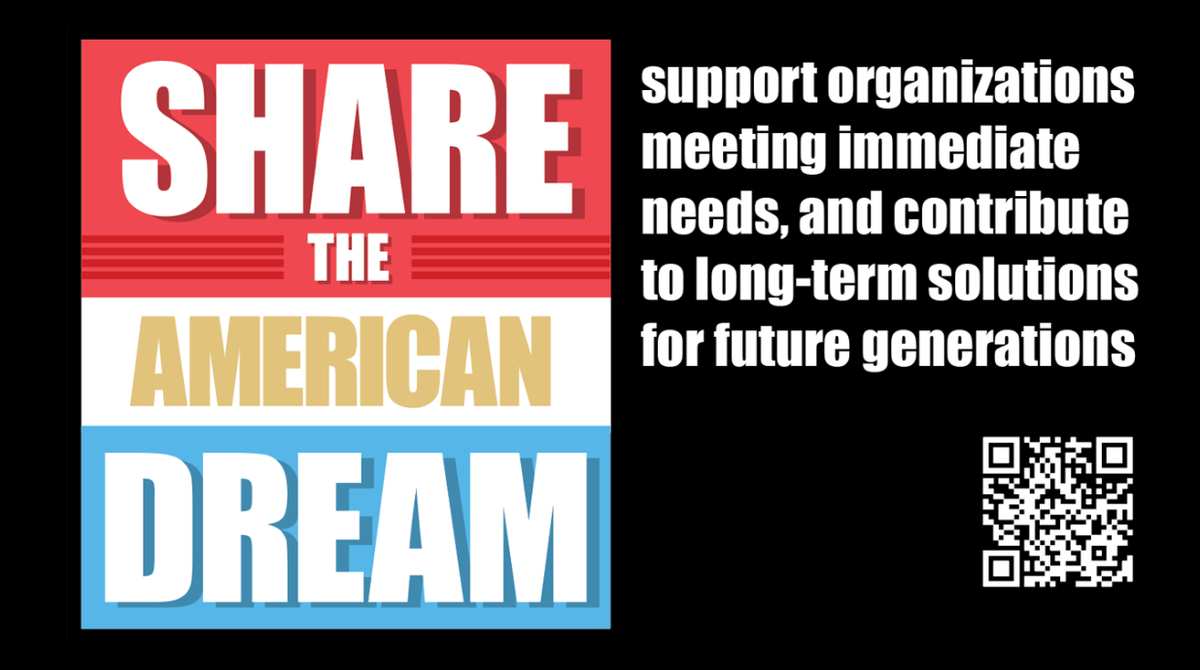
In an unprecedented move aimed at revitalizing the foundational principles of American society, prominent tech entrepreneur and co-founder of Stack Overflow and Discourse, Jeff Atwood, has announced a significant philanthropic commitment: his family will pledge half of its remaining wealth towards long-term efforts ensuring equitable access to the American Dream for all citizens. This substantial declaration follows an initial commitment of eight $1 million donations to non-profit organizations currently addressing immediate needs across the nation, bringing the total immediate philanthropic outlay to $8 million. Atwood’s announcement, made public on March 9, 2025, underscores a deep concern that the core tenets of the American Dream are increasingly out of reach for many, exacerbated by economic disparities and a fractured political landscape.
A Personal Journey Inspiring Public Action
Atwood’s decision stems from a deeply personal understanding of both the struggle and the promise inherent in the American Dream. Raised in a "hardscrabble" environment by parents from rural West Virginia and North Carolina, his early life was marked by economic challenges and personal strife, including parental alcoholism that ultimately led to divorce when he was 16. Despite these adversities, Atwood credits his parents with instilling in him the profound value of love and its reflection onto others. This formative experience laid the groundwork for his later philosophy, emphasizing empathy and shared humanity.
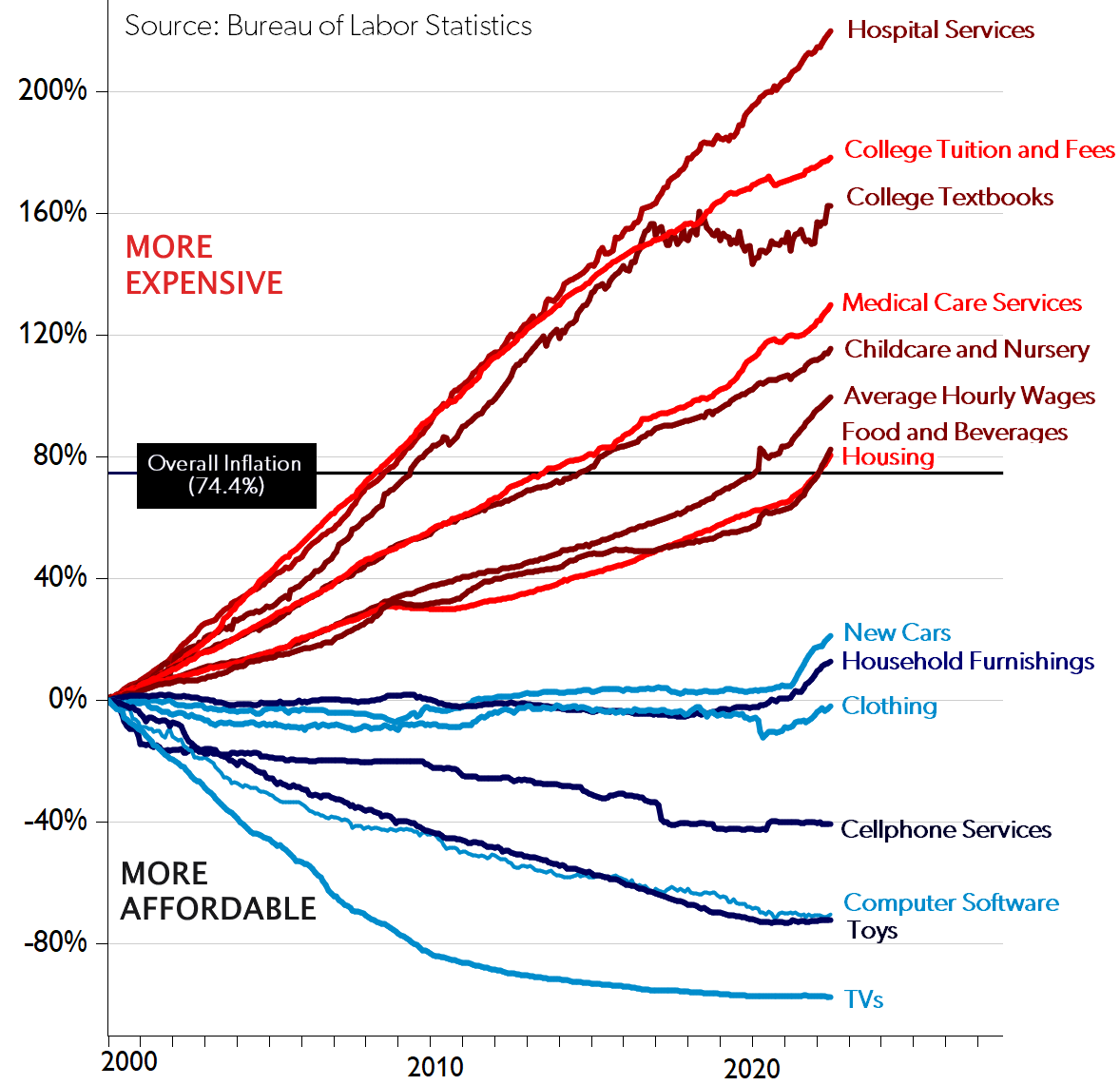
His path to success was not without hurdles. Attending the University of Virginia, founded by Thomas Jefferson, Atwood financed his education through a combination of Pell grants, scholarships, and part-time work, including a stint as a Safeway cashier earning the federal minimum wage. He vividly recalls the precariousness of affording tuition, which stood at approximately $3,000 per year in 1992. Today, the cost of in-state tuition at a state school has surged to an average of $23,000 annually, an eight-fold increase in three decades. This exponential rise in education costs, alongside escalating expenses for healthcare and housing, serves as a stark reminder for Atwood of the growing barriers preventing many Americans from pursuing their own version of the dream. Data from the Education Data Initiative confirms that the average cost of college tuition has consistently outpaced wage growth, placing an immense burden on students and families and contributing to the national student debt crisis, which now exceeds $1.7 trillion.
Building Digital Democracies: Stack Overflow and Discourse
Atwood’s professional career saw him co-found Stack Overflow in 2008 with Joel Spolsky, a Q&A website that rapidly became an indispensable resource for programmers worldwide. This platform, built on principles of digital democracy, allowed users to collectively rank questions and answers and elect moderators using ranked-choice voting, fostering a shared, Creative Commons knowledge base. The success of Stack Overflow, later acquired for $1.8 billion, demonstrated the power of community-driven, democratic online platforms.
However, Atwood’s vision extended beyond mere functionality. Influenced by Spolsky, he recognized the necessity of integrating empathy into digital interactions. This led to the creation of Discourse, a free, open-source tool designed for constructive and empathetic community discussions, also under Creative Commons licensing. Discourse empowers communities to establish and enforce boundaries through democratic governance and strong moderation, aiming to foster "digital democracy and empathy" for all participants. Atwood posits that the impersonal nature of online interactions often leads to behavior not seen in the real world, emphasizing the critical need to "extend our kindness through that screen" as society becomes increasingly digital. Both ventures, in Atwood’s view, serve the public good, embodying the promise of the American Dream through hard work and innovation.

Confronting the Distorted Dream: Economic Inequality and Political Polarization
Despite achieving considerable personal success, Atwood reflects on the inherent paradox of wealth accumulation. He notes that the more wealth one attains, the more starkly visible the inequalities in society become. His personal experience of no longer needing to consider the cost of everyday items has highlighted the profound difference in lived experience between the affluent and the majority of Americans struggling with economic precarity. He labels extreme wealth, such as being a billionaire, as "unamerican," aligning with growing public sentiment regarding wealth concentration.
Statistical data supports Atwood’s concerns about widening wealth gaps. According to Pew Research Center, the top 1% of Americans held 24% of the nation’s wealth in 2012, a figure that climbed to 30% by 2021. Oxfam’s reports further underscore this global trend, indicating that the world’s richest 1% now possess nearly twice as much wealth as the rest of the planet combined over the past two years. This concentration of wealth directly contradicts the ideal of a broad-based, accessible American Dream.
Beyond economic challenges, Atwood points to significant threats to American democracy itself. The 2024 United States presidential election, he observes, revealed deep divisions and widespread disengagement. A significant portion of the adult population—34%—did not exercise their right to vote. When factoring in the 7.6% of adults ineligible to vote (due to non-citizenship or felony convictions), nearly 42% of American adults had no say in the election outcome. This raises critical questions about voter suppression, gerrymandering, and a pervasive sense among citizens that their vote may not matter. The perception of the U.S. as the world’s leading democracy is increasingly challenged, both domestically and internationally.

Political polarization has reached historically high levels, mirroring periods like the Gilded Age. This extreme ideological divide within a two-party system, Atwood argues, renders governance slow and counterproductive. The last meaningful constitutional amendment, the 26th, which lowered the voting age to 18, was passed in 1971—over half a century ago. This stagnation, he suggests, indicates a fundamental disagreement on the very interpretation of the American Dream.
Proposed Solutions and a Call for "Good Trouble"
To address these systemic issues, Atwood advocates for immediate and long-term actions. On the immediate front, his family’s eight $1 million donations aim to provide direct support to those in urgent need. For systemic, long-term change, he proposes several electoral reforms: making Election Day a national holiday to increase accessibility, implementing universal mail-in voting, and adopting ranked-choice voting to ensure all votes carry more weight and foster broader representation. He also calls for strengthening institutions vital to democratic fairness, such as state and local election boards and the Federal Election Commission.
Atwood’s philanthropic approach also diverges from conventional models. While admiring Warren Buffett’s pledge to donate over 99% of his wealth, Atwood found the timing of "during my lifetime or at death" insufficient, especially given recent amendments that transfer wealth to a charitable trust managed by Buffett’s adult children. Atwood emphasizes the urgency of action, stating that the 2024 election "raised the stakes" and compelled him to allocate half his wealth within the next five years, not just for his children’s future (for college and a home), but for all Americans. This proactive, time-bound commitment seeks to accelerate impact rather than defer it.
His vision for the American Dream is deeply rooted in the Declaration of Independence’s assertion of "Life, Liberty and the pursuit of Happiness," yet he acknowledges the historical struggle to live up to these ideals. He invokes Jimi Hendrix’s iconic, distorted rendition of "The Star-Spangled Banner" at Woodstock as a powerful artistic commentary on the nation’s failure to fully embody its principles. Drawing inspiration from S.E. Hinton’s The Outsiders and Robert Frost’s "Nothing Gold Can Stay," Atwood interprets the imperative to "stay gold" as a call to share the American Dream. This means actively working to lift others up, fostering resilience, empathy, and unity—themes echoed by the director of his son’s high school play adaptation of The Outsiders.
Echoing the words of W.E.B. Du Bois, Atwood believes national prosperity should be measured not by the number of millionaires, but by "the absence of poverty, the prevalence of health, the efficiency of the public schools, and the number of people who can and do read worthwhile books." He underscores that his family’s pledge is specifically toward an "American Dream founded on love," recognizing that the nation stands at a crossroads, choosing between a "path of hate" and a "path of love," as articulated by Martin Luther King Jr.
Broader Implications and a Call to Collective Action
Atwood’s substantial pledge and outspoken concerns resonate within a broader societal discourse about the role of wealth in addressing systemic issues. High-profile philanthropic commitments, particularly those focused on democracy and social equity, draw attention to areas where government action may be perceived as insufficient or stalled by political gridlock. His emphasis on "good trouble," a phrase popularized by civil rights icon John Lewis, highlights the necessity of disruptive, purposeful action to challenge injustice and advocate for a more inclusive society.
The initiative by Atwood’s family seeks to empower other individuals and organizations working towards similar goals, indicating a desire to catalyze a wider movement rather than operate in isolation. This collaborative approach suggests an understanding that no single solution can mend the complex tapestry of American challenges, but rather requires collective effort and shared vision.
As the nation grapples with profound economic, social, and political divisions, Atwood’s call to action serves as a potent reminder of the enduring promise of the American Dream and the responsibility of all citizens to safeguard and expand its reach. His forthcoming Cooper Union talk on Thursday, March 20th, co-presented with Alexander Vindman, titled "Rebuilding the American Dream: A Path Forward," is anticipated to further elaborate on the long-term efforts his family will support and inspire broader engagement in this critical endeavor. The journey to "Sharing the American Dream" is presented not as a simple financial transaction, but as a continuous, collective striving towards a more equitable and empathetic future for all Americans.
About the Author







