The integration of advanced movement mechanics, such as the double jump, into modern video games is a cornerstone of engaging platforming and action-adventure experiences. From the pixelated landscapes of retro classics to the sprawling open worlds of contemporary titles, the ability to execute a second leap mid-air has consistently offered players enhanced navigational freedom and strategic depth. Games like Konami’s Castlevania: Symphony of the Night, Naughty Dog’s Crash Bandicoot series, Nintendo’s Kirby franchise, and Rare’s Banjo-Kazooie exemplify how this mechanic has shaped level design and player interaction across diverse genres. In a significant development for game creators, Unreal Engine 5 (UE5) has streamlined the implementation of this popular feature, making it remarkably accessible for developers of all experience levels, from burgeoning indie studios to established AAA teams. This ease of integration extends beyond mere functionality, encompassing robust tools for animating these movements to provide a polished and immersive player experience.
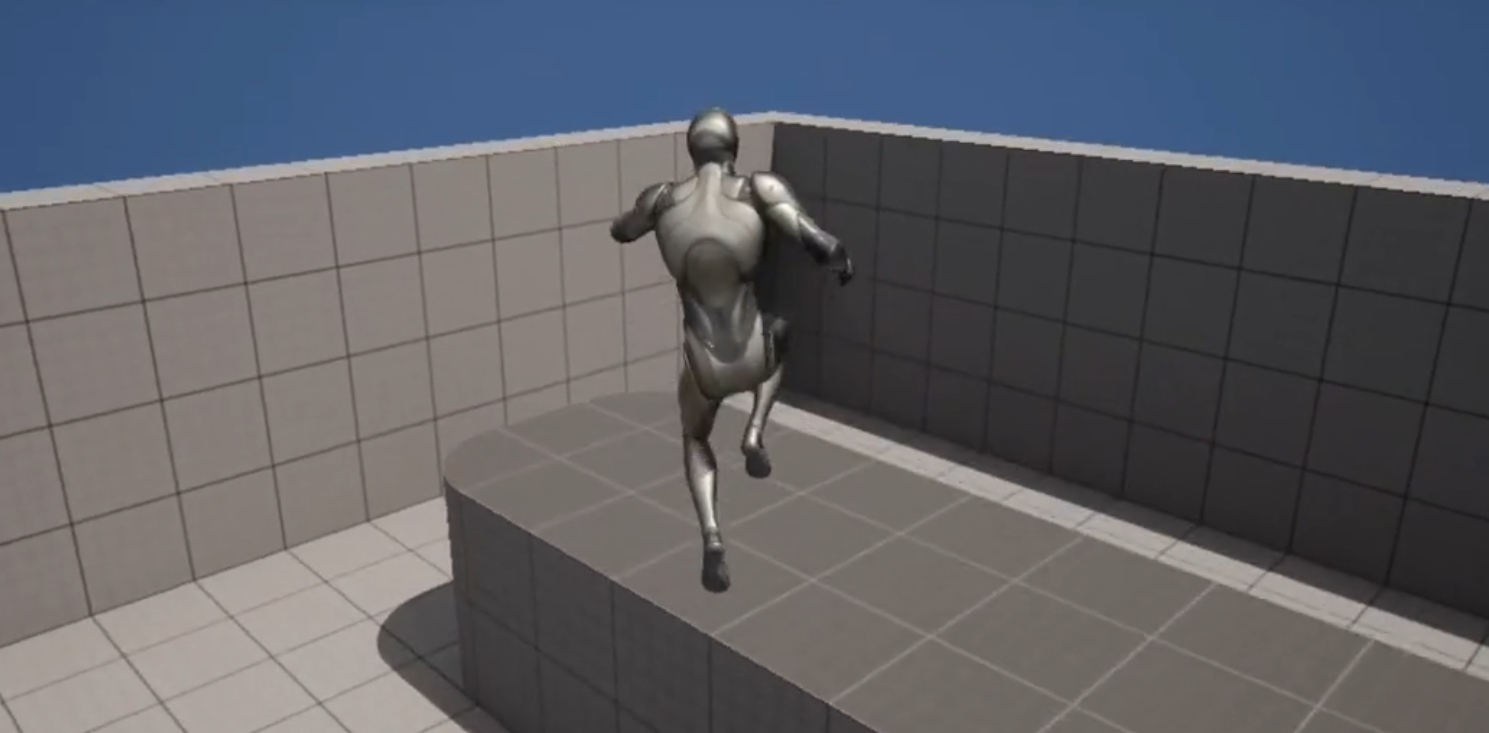
The Enduring Legacy of the Double Jump in Gaming
The double jump, as a core game mechanic, boasts a rich history dating back to early platformers. Its appeal lies in its simplicity and the immediate sense of expanded control it grants the player. Initially appearing in games like Kid Clown in Crazy Chase (1993) and Super Metroid (1994), it quickly became a staple, offering designers new avenues for creating intricate level layouts and challenging puzzles. By providing an additional burst of vertical momentum, the double jump transforms simple gaps into multi-stage challenges and allows for greater exploration of vertical spaces. This mechanic isn’t just about reaching higher platforms; it’s about altering the player’s perception of their character’s capabilities, fostering a sense of agility and empowerment. Its widespread adoption across genres, from fast-paced action games to more methodical adventure titles, underscores its versatility and universal appeal, solidifying its place as a fundamental element in the lexicon of video game movement.
Unreal Engine 5: Empowering the Next Generation of Game Developers
Unreal Engine 5, Epic Games’ flagship development platform, launched with a strong emphasis on empowering creators through intuitive tools and cutting-edge technology. Since its official release in April 2022, UE5 has rapidly gained traction, with Epic Games reporting a significant increase in adoption rates across the industry. The engine’s architecture is designed to simplify complex development tasks, allowing developers to focus more on creative vision and less on intricate coding. This philosophy is evident in its blueprint system, a visual scripting language that enables non-programmers to implement sophisticated game logic without writing a single line of C++ code. The ease with which fundamental mechanics like double jumping can be integrated speaks directly to UE5’s mission to democratize game development, making advanced features accessible to a broader audience and accelerating production timelines. This approach is particularly beneficial for indie developers, who often operate with limited resources but aspire to create games with polished mechanics typically associated with larger studios.
Simplified Functionality: A Core UE5 Advantage
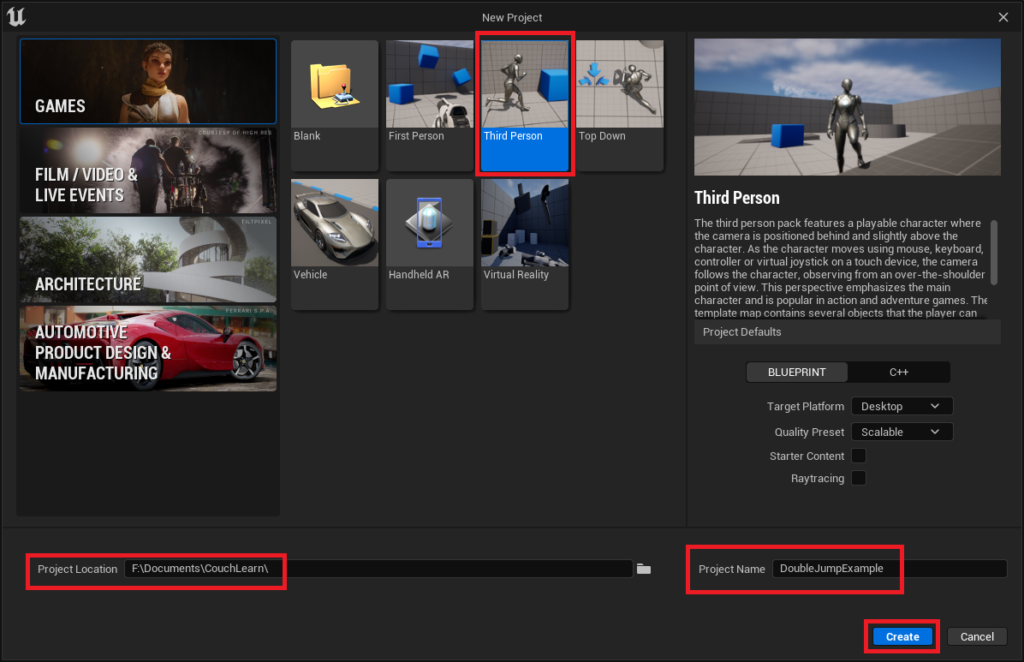
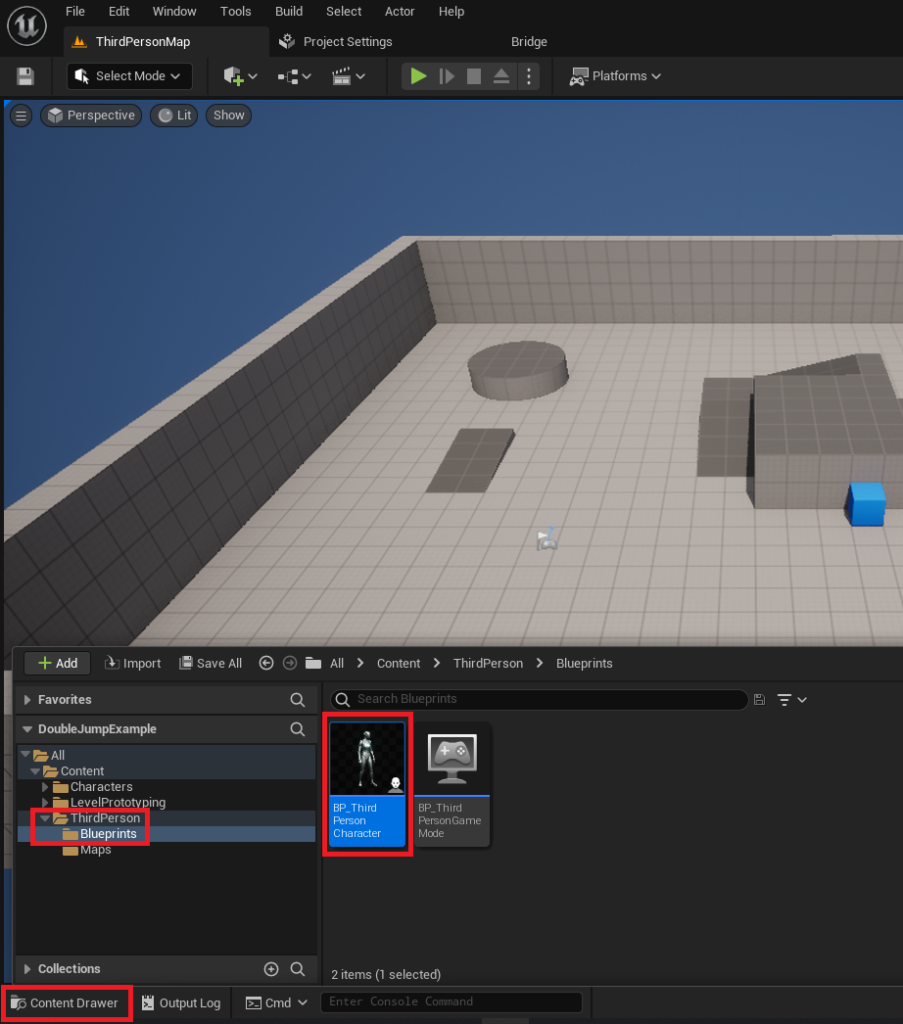
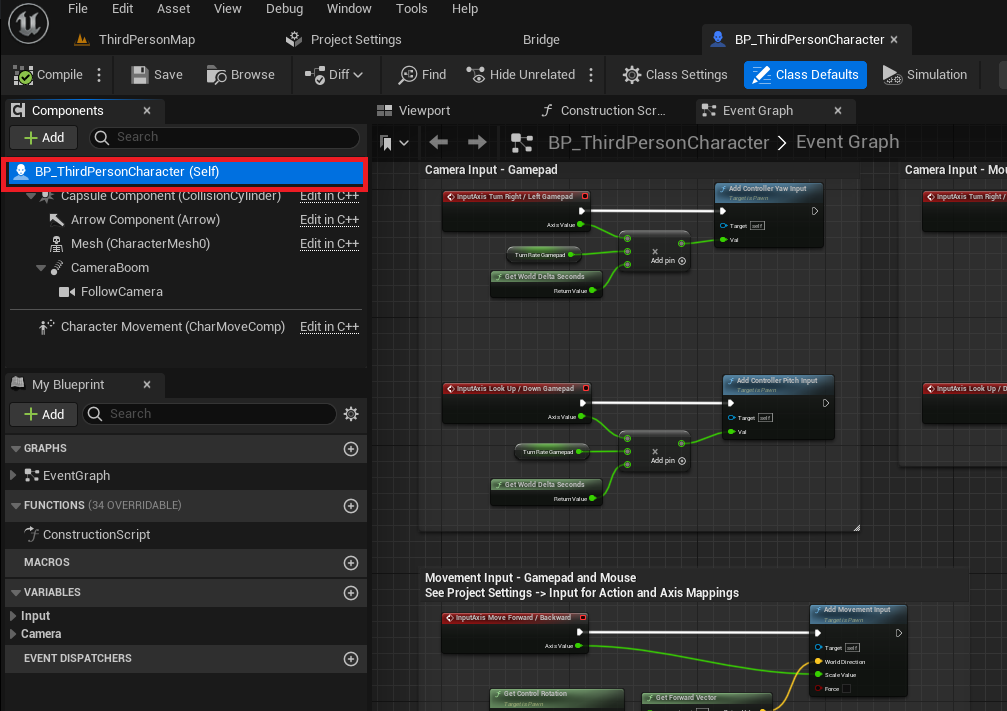
Implementing the foundational double jump functionality in Unreal Engine 5 is a testament to the engine’s user-friendly design. The process typically begins within a pre-configured project, such as the Third Person template, which provides a ready-to-use character blueprint. Developers navigate to the BP_ThirdPersonCharacter object within the Content Browser, which serves as the central hub for character logic and properties. Once the character blueprint is open, selecting the main blueprint component (often labeled "BP_ThirdPersonCharacter (Self)") reveals a "Details" panel on the right side of the editor. This panel contains various character-specific parameters, including those managed by the Character Movement Component. This component is a robust, pre-built system within Unreal Engine that handles most aspects of character locomotion, including walking, running, falling, and jumping.
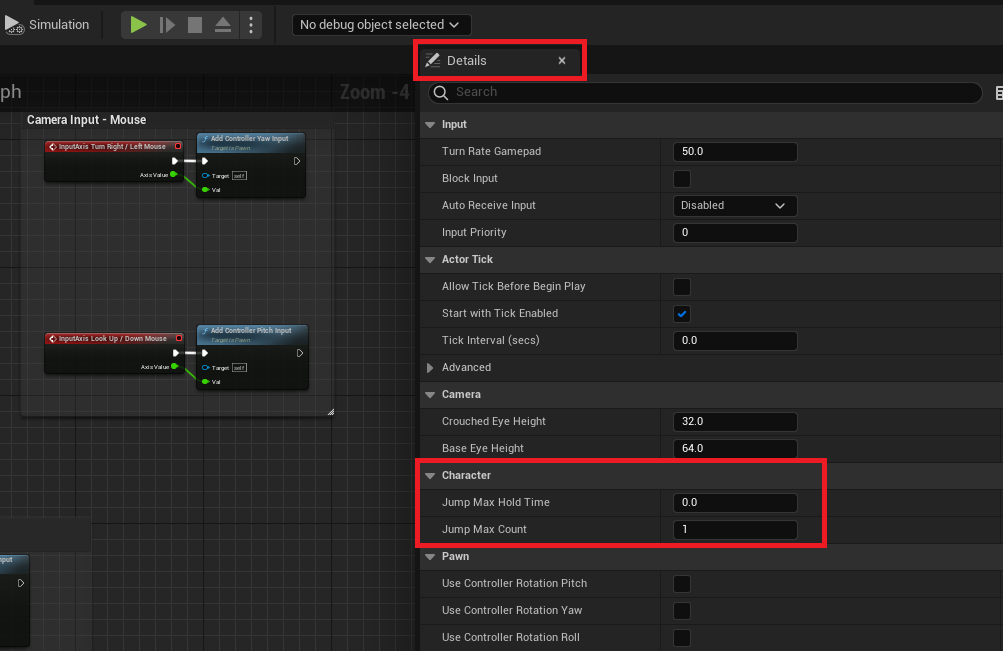
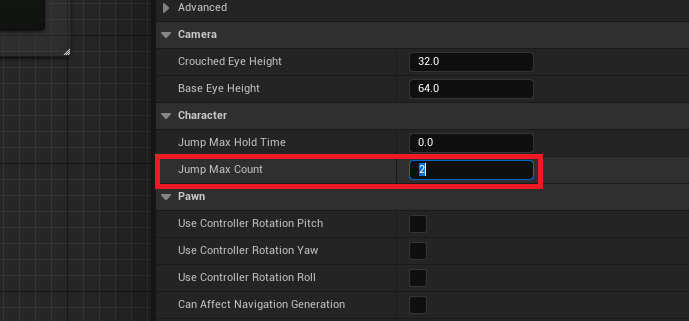
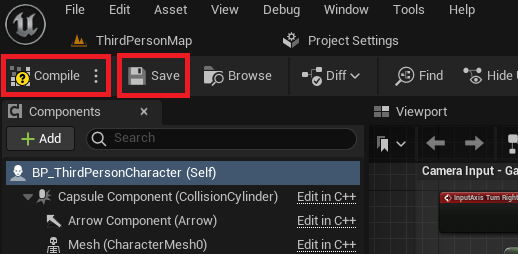
Within the "Character" category of the Character Movement Component details, developers can locate the "Jump Max Count" parameter. By default, this value is set to ‘1’, allowing for a single jump. The brilliance of UE5’s design here is its simplicity: to enable a double jump, developers merely need to change this value to ‘2’. This single numerical adjustment instantly grants the character the ability to perform a second jump while airborne. For projects requiring even more intricate movement, such as triple jumps or aerial dashes, this value can be adjusted accordingly, offering scalable flexibility. This direct, parameter-based approach bypasses the need for custom code or complex event graphs for basic functionality, significantly reducing the barrier to entry for new developers and streamlining the workflow for experienced ones. After modifying this critical parameter, developers must compile and save the blueprint to apply the changes, a standard practice in Unreal Engine development to ensure modifications are integrated into the project’s runtime logic.
Elevating Player Experience: The Animation Imperative
While the core functionality of a double jump can be implemented with a single parameter change, a truly polished game experience demands corresponding visual feedback. Without appropriate animations, a double jump can feel disjointed or lack impact, diminishing player immersion. Industry analysis consistently shows that fluid animations are crucial for conveying character actions and improving player satisfaction. The initial implementation of the double jump in UE5, while functionally sound, might only play the initial jump animation once, leaving the second jump looking like a static, un-animated mid-air boost. Addressing this requires a slightly more advanced, yet still accessible, manipulation of the animation blueprint.
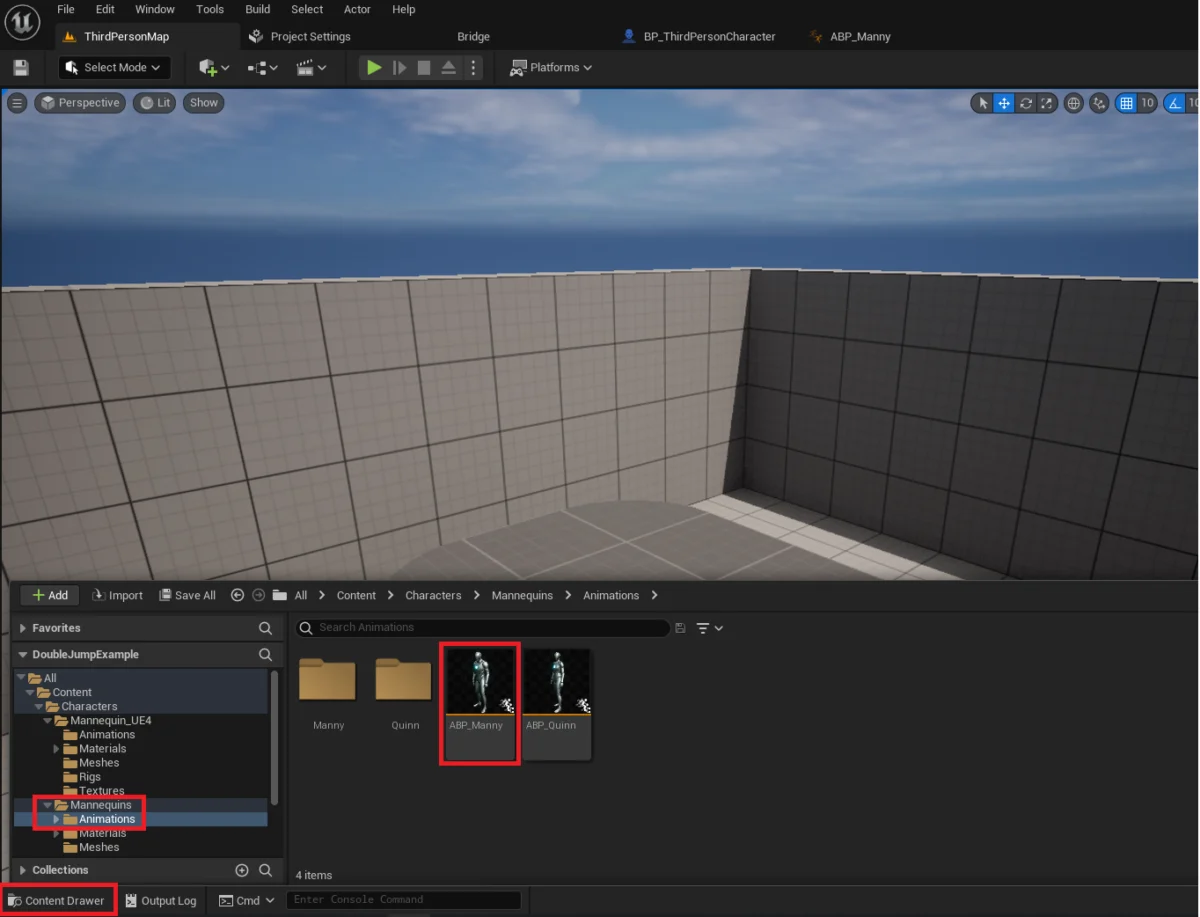
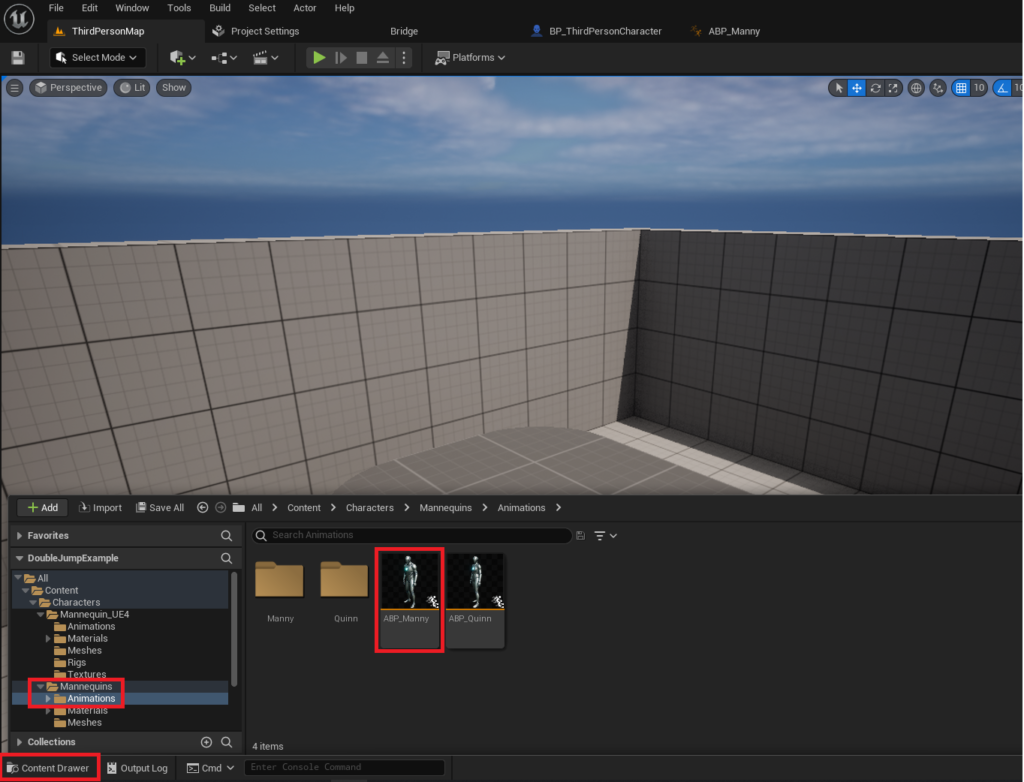
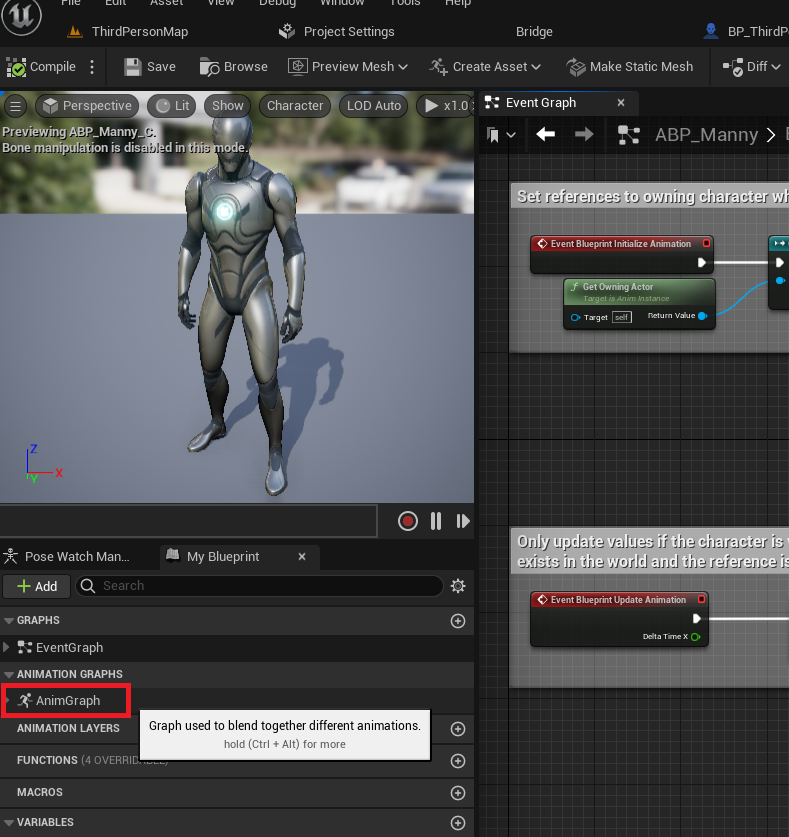
The animation system in Unreal Engine, particularly through its state machines, allows for sophisticated control over character movement visuals. To refine the double jump animation, developers typically access the ABP_Manny animation blueprint (or a custom animation blueprint) located within the project’s animation folders. Inside the animation blueprint editor, the "AnimGraph" is the central workspace where animation logic is constructed. Within the AnimGraph, "State Machines" dictate how a character transitions between different animation states, such as Idle, Walk, Run, Jump, and Fall. The "Main States" state machine is where the core locomotion animations are managed.
To ensure the jump animation plays correctly for the second jump, a new transition must be established within the "Main States" state machine. Specifically, a transition from the "Fall Loop" state back to the "Jump" state is created. This new transition is critical because, after the first jump, the character typically enters a "Fall Loop" state. When the player inputs a second jump, the animation system needs to know to re-enter the "Jump" animation.
The condition for this transition is defined within the transition editor, using a simple blueprint node setup. This setup typically involves checking two key conditions:
- IsFalling: A boolean variable that indicates whether the character is currently in the air and falling.
- JumpCurrentCount: An integer variable that tracks the number of jumps the character has currently performed.
The blueprint logic for the transition would typically involve checking if IsFalling is true AND if JumpCurrentCount is greater than 1. When these conditions are met, the animation state machine triggers the transition back to the "Jump" animation, providing the visual feedback of a second, distinct jump. This intermediate-difficulty step, while requiring a basic understanding of animation blueprints and state machines, is well-documented and consistent with Unreal Engine’s visual scripting paradigm. It highlights UE5’s capability to offer both rapid prototyping via simple parameter changes and detailed refinement through accessible animation tools, ensuring that both functionality and aesthetic quality can be achieved efficiently. The result is a double jump that not only works but feels right, significantly enhancing player engagement and the overall fidelity of the game.
Developer Perspectives and Industry Impact
The ease of implementing such a fundamental yet impactful mechanic in Unreal Engine 5 resonates deeply within the game development community. Industry observers note that features like the simplified double jump, along with UE5’s broader suite of tools, align perfectly with Epic Games’ stated mission to empower creators. For independent developers, this translates into significant time and resource savings. Instead of spending valuable development cycles on coding and debugging basic character mechanics, they can leverage UE5’s built-in functionalities and visual scripting to rapidly prototype and iterate on their unique game ideas. This efficiency allows smaller teams to compete more effectively with larger studios by producing high-quality mechanics with less overhead.
For larger AAA studios, these streamlined processes contribute to faster development cycles and allow technical artists and animators to focus on more complex, game-specific animations and interactions, rather than reinventing the wheel for standard mechanics. The consistency and reliability of UE5’s Character Movement Component also mean fewer bugs and more predictable behavior, leading to a more stable development environment. This widespread accessibility of advanced features ultimately fosters innovation across the industry, enabling developers to push creative boundaries without being bogged down by technical complexities.
Broader Game Design Implications
The accessibility of robust movement mechanics like the double jump in UE5 has profound implications for game design. Designers are no longer constrained by the difficulty of implementing such features; instead, they can freely incorporate them into their level design philosophy from the outset. This freedom encourages the creation of more dynamic and vertically-oriented environments, challenging players to master their movement capabilities. The double jump can be used to create intricate platforming sequences, secret areas, or as a core element of combat, allowing players to dodge attacks or gain advantageous positions.
Furthermore, the ability to easily customize the Jump Max Count means designers can experiment with different numbers of jumps, potentially introducing unique character abilities or power-ups that temporarily grant additional aerial maneuvers. This flexibility supports a wide range of gameplay styles and player progression systems. The enhanced visual feedback provided by proper animation also reinforces the player’s understanding of their character’s actions, leading to a more intuitive and satisfying gameplay loop. In essence, by simplifying the technical hurdles, Unreal Engine 5 enables game designers to fully unleash their creativity, resulting in richer, more engaging, and more diverse interactive experiences for players.
In conclusion, Unreal Engine 5 has solidified its position as a leading game development platform by making advanced mechanics like the double jump remarkably easy to implement. From the initial functional setup via a single parameter adjustment to the refined animation system that provides crucial visual feedback, UE5 empowers developers to create polished and immersive experiences with unprecedented efficiency. This approach not only democratizes game development but also encourages innovative game design, ultimately enriching the entire gaming landscape.
About the Author