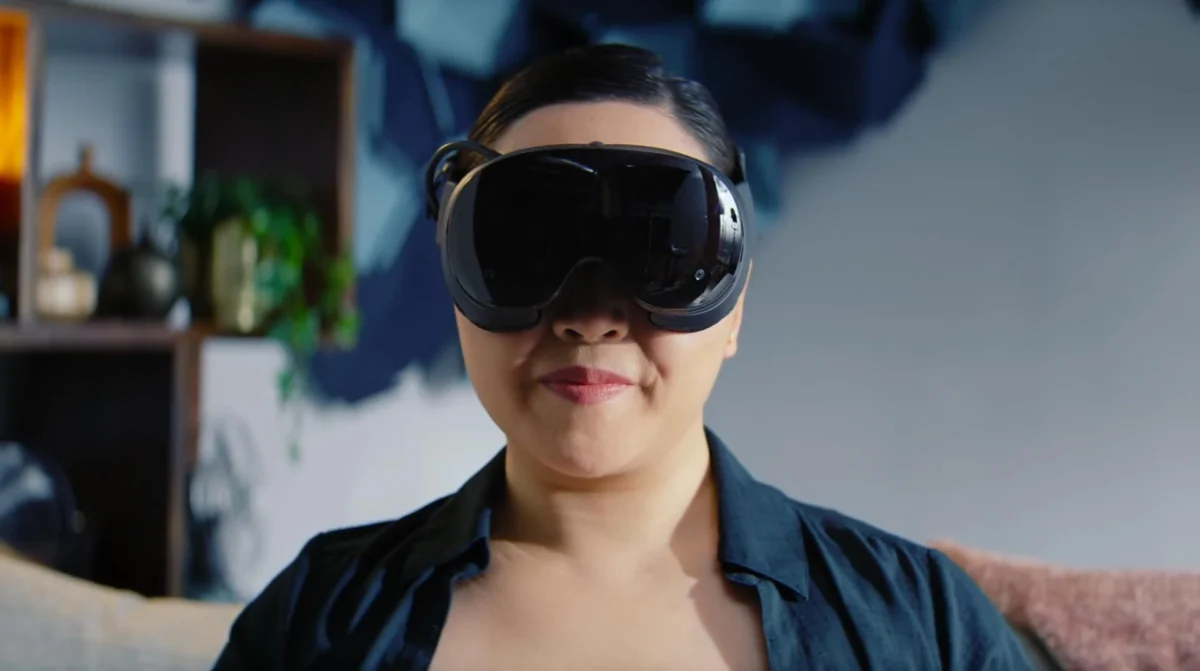
The extended reality (XR) industry reached a significant milestone in September 2026 with the official commercial release of the Valve Steam Frame, a standalone virtual reality headset that marks the company’s long-anticipated return to hardware. The launch coincides with a flurry of activity across the sector, including the full unveiling of Snap’s latest AR Spectacles and leaked details regarding Meta’s upcoming hardware roadmap ahead of the annual Meta Connect conference. These developments signal a maturing market where established tech giants are refining their hardware strategies to balance high-end performance with consumer privacy and enterprise utility.
Valve Enters the Standalone Market with Steam Frame
Valve’s transition from the tethered PC VR ecosystem to a standalone architecture has culminated in the release of the Steam Frame. The device is being offered in two distinct configurations: a base model with 256GB of internal storage retailing for $1,059 (€1,049), and a high-capacity 1TB version priced at $1,299 (€1,279). To facilitate an orderly rollout, Valve utilized a reservation-based lottery system, randomly selecting "winners" from a global waitlist to complete their purchases, a strategy previously employed during the launch of the Steam Deck.
Technical specifications for the Steam Frame indicate a focus on high-fidelity mobile computing. The headset is powered by a custom ARM-based architecture designed to run a specialized version of SteamOS. To showcase the device’s capabilities, Valve has included a complimentary copy of Half-Life: Alyx, which has been natively ported to the ARM platform. Early technical reviews note that while the standalone version of the title features reduced graphical complexity compared to the original PC version—specifically regarding lighting and texture resolution—it remains a benchmark for mobile VR performance.
Valve has also introduced a suite of official accessories, including a "Travel Case," a "Display Stand," and a "Silicon Face Interface." Furthermore, the company confirmed to industry analysts that an upgraded headstrap is in development. This forthcoming accessory will feature hot-swappable battery packs and integrated off-ear speakers, utilizing the same BMR (Balanced Mode Radiator) technology that garnered critical acclaim on the 2019 Valve Index.

Market Reception and Competitive Analysis
The Steam Frame arrives in a market currently dominated by the Meta Quest 3, which has been available for three years. Industry analysts have pointed out a significant price-to-performance discrepancy; at double the price of the Quest 3, the Steam Frame offers comparable visual fidelity and tracking capabilities. However, reviewers from outlets such as PC Gamer and Road to VR highlight that Valve’s primary value proposition lies in its "open" ecosystem. Unlike Meta’s platform, the Steam Frame provides a more transparent data privacy policy and a less restrictive software environment, appealing to enthusiasts wary of corporate data harvesting.
Historical context suggests that the Steam Frame may have undergone a protracted development cycle. Reports indicate that Valve originally explored a bulky, high-performance PC VR design similar to headsets produced by Pimax before pivoting toward the current standalone form factor approximately four years ago. This shift in strategy likely contributed to the device’s delayed entry into the market, resulting in a product that some critics describe as technically impressive but late to the competitive curve of 2026.
Snap Unveils Enterprise-Focused AR Spectacles
Parallel to Valve’s launch, Snap Inc. has provided the most detailed look yet at its fifth-generation Spectacles. Initially teased at the Augmented World Expo (AWE), the glasses were met with skepticism regarding their $2,200 price point and bulkier frame design. In a recent follow-up event, Snap addressed these concerns by demonstrating a robust library of AR applications and allowing for extensive hands-on testing.
The new Spectacles are positioned primarily as a tool for developers and enterprise clients rather than a mass-market consumer product. Key software partnerships highlighted during the event include a spatial Google Docs integration and an NBA-branded basketball training application. While the hardware has been praised for its stable SLAM (Simultaneous Localization and Mapping) and responsive hand-tracking, some testers noted that the waveguide displays still struggle with hologram transparency in bright environments. The device’s thick temporal arms, which house the processors and batteries, have also been cited as a potential ergonomic challenge for long-term wear.
Meta’s Strategic Pivot: The "Luna" Camera-Free Glasses
As the industry prepares for Meta Connect, leaked reports from The Information suggest that Meta is developing a specialized version of its smart glasses, codenamed "Luna." The defining characteristic of this model is the total absence of onboard cameras. This strategic move is reportedly a response to growing public privacy concerns regarding "always-on" recording devices in social spaces.

The "Luna" project represents a significant departure from Meta’s current focus on multimodal AI, which relies on cameras to "see" and interpret the user’s environment. By removing the cameras, Meta aims to capture a demographic of users who desire the audio and notification benefits of smart glasses without the social stigma associated with recording-capable eyewear. However, industry experts remain divided on the utility of such a device, noting that the removal of optical sensors eliminates the possibility of advanced AR features and visual AI assistance.
Anticipated Announcements for Meta Connect 2026
Leaked internal documents suggest that Meta Connect will serve as a showcase for "Project Phoenix," a prototype high-end headset designed to demonstrate the future of the Quest line. Phoenix is expected to feature a more compact form factor through the use of advanced pancake optics and a higher-density battery.
Perhaps more significant is the rumored public debut of full-body "Codec Avatars." Meta has been developing this photorealistic avatar technology for several years, and the 2026 demonstration is expected to show these avatars running in real-time on consumer-grade hardware. This technology represents Meta’s long-term vision for "telepresence," allowing users to interact in virtual spaces with a level of visual fidelity that is indistinguishable from a video call.
Apple Updates visionOS and the Broader Ecosystem
In the premium segment, Apple has officially released visionOS 27 for the Apple Vision Pro. This major software update introduces enhanced object tracking and support for IR LED-tracked accessories, allowing the headset to interact more precisely with physical peripherals. The update also integrates the latest iteration of Siri AI, which can now perform complex spatial tasks, such as identifying objects in the user’s room and providing real-time maintenance instructions or contextual data.
While the software continues to evolve, the industry remains focused on whether Apple will introduce a more affordable "non-Pro" version of the hardware. The release of visionOS 27 suggests that Apple is doubling down on the enterprise and prosumer market, prioritizing feature depth over rapid hardware iterations.

Industry Implications and Future Outlook
The simultaneous activity from Valve, Snap, Meta, and Apple illustrates a diversifying XR landscape. While Valve targets the enthusiast "open-platform" niche, Snap is carving out a space in enterprise AR, and Meta is attempting to balance mass-market appeal with privacy-conscious hardware.
The success of the Steam Frame will likely depend on Valve’s ability to leverage its Steam library and foster a developer community that prefers its decentralized model over Meta’s "walled garden." Meanwhile, the upcoming Meta Connect will serve as a barometer for the industry’s progress toward photorealistic social VR. As the market moves toward the end of 2026, the focus has shifted from mere hardware availability to the refinement of user experience, privacy, and meaningful software utility.
About the Author