

The automotive landscape is undergoing a profound transformation, with a growing number of consumers, including those previously disengaged from car culture, embracing electric vehicles (EVs) with newfound enthusiasm. This shift marks a significant departure from traditional internal combustion engine (ICE) vehicles, driven by technological advancements, evolving consumer priorities, and a burgeoning appreciation for the unique benefits offered by electric powertrains. What was once considered a niche or experimental segment is rapidly becoming the leading edge of personal transportation, fundamentally altering perceptions of vehicle ownership and performance.
Evolving Transportation Needs and Vehicle Choices
For many consumers, vehicle selection has historically been a pragmatic decision, dictated by family size, budget, and functional requirements rather than an inherent passion for automobiles. This often leads to a progression through various vehicle types as life circumstances change. Initially, a compact or sporty sedan might suffice for individual or couple transportation. However, the expansion of a family, particularly with the arrival of multiple children, frequently necessitates a re-evaluation of vehicle capacity and utility.
Station wagons, once a staple of family transport, offered a balance of space and drivability. However, the advent of larger families, such as those with twins, often reveals the limitations of such vehicles in managing the logistical demands of child-rearing. As observed by many parents, the increased requirements for cargo space for strollers, car seats, and supplies, coupled with the need for easier access for multiple young children, often pushes families towards more accommodating options.
The Resurgence of the Minivan: A Practical Solution
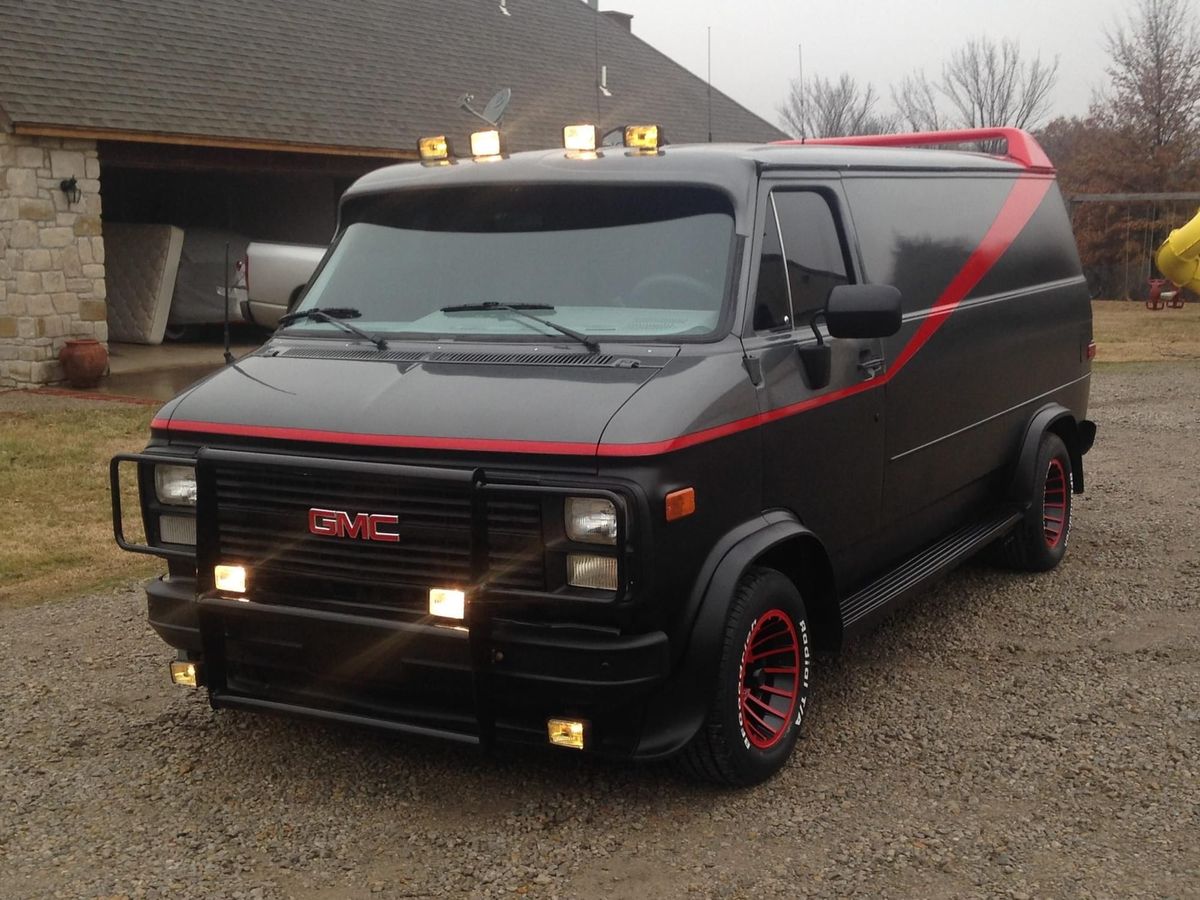
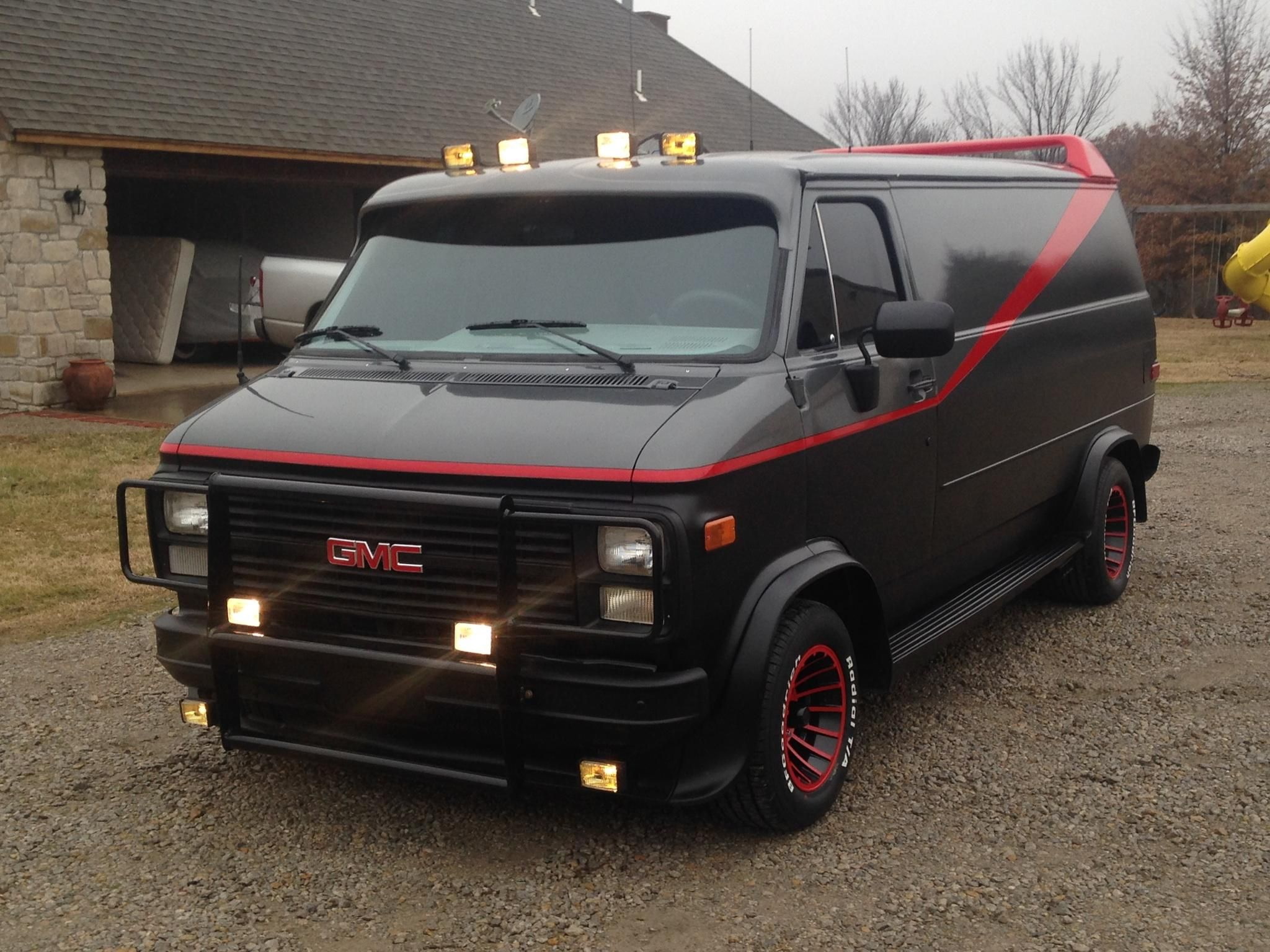
In this context, the minivan, often unfairly stigmatized, emerges as a highly practical and efficient solution for family transportation. Despite the pervasive marketing of sport utility vehicles (SUVs), minivans offer unparalleled interior volume, flexible seating configurations, and convenient features like sliding doors, which simplify the loading and unloading of passengers and gear in tight spaces. Industry analysis frequently highlights minivans as superior "vehicle command centers" for families, prioritizing utility and accessibility over perceived ruggedness or off-road capability often associated with SUVs. Historically, even iconic utility vehicles, such as the custom GMC van featured in the popular 1980s television series "The A-Team," underscored the fundamental utility and versatility of the van platform. This enduring practicality continues to resonate with families prioritizing functionality.
The Inevitable Shift: From Hybrids to Full Electrification
The decision to replace an aging family vehicle, such as a station wagon that has served its purpose, often presents an opportunity to consider newer automotive technologies. In regions like California, where environmental consciousness is high, hybrid vehicles have long been a popular choice, seen as a responsible intermediate step towards greener transportation. However, a growing number of consumers are now opting to bypass partial electrification in favor of fully electric vehicles, embracing the "all-in" approach to sustainable mobility. This transition is indicative of a broader trend where incremental improvements are being supplanted by disruptive technologies that offer a fundamentally different and often superior experience.
Early narratives and enthusiastic reviews of vehicles like the Tesla Model S, particularly in the mid-2010s, played a significant role in captivating a broader audience. These vehicles, often described with superlatives like "Intergalactic SpaceBoat of Light and Wonder," began to shift public perception, positioning EVs not merely as eco-friendly alternatives but as technologically advanced, high-performance machines. This initial intrigue has since matured into a tangible trend, as more accessible and practical EV models enter the market, allowing mainstream consumers to adopt the technology without being on the "bleeding edge."

Embracing the Fully Electric Future: The Kia Niro EV Case Study
The acquisition of vehicles like the 2019 Kia Niro EV exemplifies this evolving consumer sentiment. This particular model, a fully electric crossover, represents a new wave of practical, affordable, and high-performing EVs from established manufacturers. For individuals who once viewed cars purely as utilitarian appliances, the transition to an EV can be transformative, fostering a deep appreciation for the technology and its implications. This often leads to a vocal advocacy, as new EV owners discover a paradigm shift in their driving experience.
The immediate and profound difference experienced when driving an EV often leads to a dramatic re-evaluation of traditional gasoline-powered vehicles. The quiet operation, instant torque, smooth acceleration, and reduced maintenance requirements of an electric powertrain create a driving experience that many find inherently superior. This sentiment is so strong that some new EV owners express a willingness to immediately replace other family vehicles, such as minivans, with an electric equivalent, if one were readily available, despite having no prior intention to do so. The contrast between the silent, vibration-free operation of an EV and the "barely controlled liquid fuel detonations" of an ICE car makes the latter increasingly feel unnatural and, for lack of a better word, obsolete.
The Paradigm Shift: Why EVs Are Superior
The perceived superiority of electric vehicles stems from several key operational advantages:
- Performance: EVs deliver instant torque, resulting in rapid and smooth acceleration. The absence of gear changes contributes to a seamless driving experience.
- Quiet Operation: The electric motor produces significantly less noise and vibration compared to an internal combustion engine, leading to a quieter and more refined cabin experience.
- Lower Running Costs: Electricity is generally cheaper per mile than gasoline, and EVs benefit from fewer moving parts, leading to reduced maintenance needs (no oil changes, spark plugs, exhaust systems, etc.).
- Environmental Benefits: While the electricity source matters, EVs produce zero tailpipe emissions, contributing to improved urban air quality.
- Convenience: Home charging allows owners to "refuel" overnight, eliminating trips to gas stations for daily commutes.
These combined factors contribute to a radical worldview shift for many new EV owners, who begin to question the long-standing reliance on fossil fuels for personal transportation.
Historical Context: The Long Road to EV Viability
The journey of electric vehicles to their current state of viability has been long and fraught with challenges, marked by periods of ambitious innovation and significant setbacks. Understanding this history is crucial to appreciating the current resurgence.
-
The EV1 Era: Early Ambitions and Limitations
The documentary "Who Killed the Electric Car?" primarily chronicles the story of the General Motors EV1, an experimental electric car produced between 1996 and 1999. This vehicle, offered exclusively through lease, was a groundbreaking attempt at mass-market electrification. Early models were powered by lead-acid batteries, which, while functional, presented significant limitations in terms of range (approximately 70-100 miles) and weight. Later models adopted nickel-metal hydride batteries, improving range to around 100-140 miles. The high estimated actual cost of production, speculated to be between $100,000 and $250,000 per vehicle, presented a formidable economic barrier. Despite the passionate dedication of its lessees, the EV1 program was ultimately discontinued, with most vehicles recalled and crushed. While various conspiracy theories were floated regarding its demise, the primary factors were undoubtedly the prohibitive cost of battery technology at the time and the nascent state of charging infrastructure, which made widespread adoption economically unfeasible for manufacturers. -
The Lithium-Ion Revolution: Modern EVs Emerge
The sequel, "Revenge of the Electric Car," provides essential context for the dawn of the modern electric vehicle era. This film documents the creation of three highly influential early electric cars launched between 2005 and 2008: the Nissan Leaf, the Chevrolet Volt, and the Tesla Roadster. The pivotal moment that enabled this resurgence was the advent and refinement of Lithium-ion battery technology. Lithium-ion batteries offered significantly higher energy density, longer lifespans, and lighter weight compared to their predecessors, making electric vehicles genuinely viable for the first time.
- The Tesla Roadster, though priced around $100,000, demonstrated that an electric car could be high-performance, desirable, and have a substantial range (over 200 miles), appealing to a luxury market and proving the concept.
- The Nissan Leaf brought a fully electric, mass-market car to a more accessible price point, albeit with a limited range (initially around 73 miles), highlighting the challenges of range anxiety.
- The Chevrolet Volt introduced the concept of the "extended-range electric vehicle" (EREV), which, while technically a hybrid, used its gasoline engine primarily as a generator for the battery, offering electric-only driving for typical commutes and alleviating range anxiety with the backup generator.
These three vehicles, each with its own strengths and limitations, collectively laid the groundwork for the diverse and competitive EV market we see today.
Current Market Dynamics and Accessibility
A decade after these pioneering models, the landscape has dramatically shifted. Today, a broader array of EVs is available at increasingly competitive price points. For instance, models like the Tesla Model 3 can be acquired for around $38,000, while vehicles like the Kia Niro EV often fall into a similar price bracket. Crucially, national and state tax incentives and rebates can significantly reduce the effective purchase price, often bringing it down to approximately $30,000 for eligible buyers. While not yet universally cheaper than all gasoline counterparts, the total cost of ownership (TCO) for many EVs is already competitive with, or even superior to, comparable gasoline vehicles in 2019, factoring in fuel savings and lower maintenance.
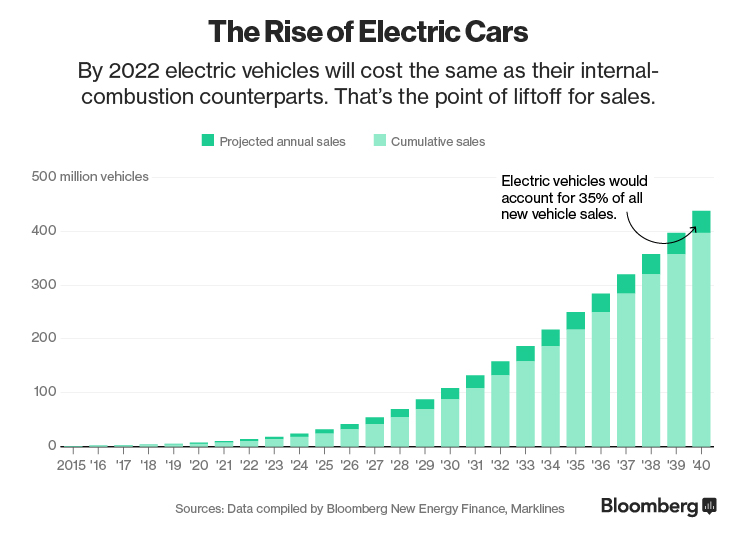
Data from organizations like Bloomberg New Energy Finance (BNEF) and the International Energy Agency (IEA) consistently show robust growth in global EV sales, with market share expanding year over year. The cost of battery packs, a major component of an EV’s price, has fallen dramatically over the past decade, making EVs more affordable. This trend is projected to continue, with many analysts predicting price parity with ICE vehicles across various segments in the coming years, even before incentives.
Addressing Common EV Concerns
Despite the rapid advancements, some common myths and skepticisms surrounding EVs persist. These often include concerns about:
- Range Anxiety: The fear of running out of battery power before reaching a charging station. Modern EVs, however, offer ranges of 200-300 miles or more on a single charge, which is more than sufficient for most daily driving needs.
- Charging Infrastructure: While public charging networks are still expanding, the availability of Level 2 (240V) home chargers and rapidly growing DC fast-charging stations on major routes significantly mitigates this concern for many drivers.
- Charging Time: While slower than refueling a gasoline car, overnight home charging effectively eliminates this issue for daily use. Fast chargers can replenish a significant portion of an EV’s battery in 20-30 minutes.
- Cost: As discussed, the upfront cost is decreasing, and TCO is often lower.
Educational resources, such as explainer videos debunking common EV myths, play a vital role in informing potential buyers and accelerating adoption.
The Inevitable Electric Future
The trend lines are unequivocally clear: the future of personal transportation is electric. The convergence of technological maturity, falling costs, increasing model variety, expanding infrastructure, and growing environmental awareness has created an undeniable momentum. Industry forecasts predict a continued surge in EV sales, with many countries and regions setting targets for phasing out ICE vehicle sales within the next few decades. This shift will have profound implications across multiple sectors, including energy production, urban planning, and the entire automotive supply chain. For consumers, it promises a driving experience that is not only cleaner and more efficient but also inherently more enjoyable and advanced. The electric revolution is not merely an option; it is an undeniable and inexorable reality.
About the Author







