The Meta Connect 2026 keynote, held on September 24, 2026, marked a significant pivot in the company’s hardware strategy, shifting focus from traditional standalone virtual reality (VR) headsets toward a more integrated ecosystem of artificial intelligence (AI) wearables and lightweight mixed reality (MR) devices. The event was dominated by the introduction of the Muse AI assistant, the third generation of Meta’s smartglasses partnership with Ray-Ban, and the long-anticipated debut of the device formerly known as "Phoenix," now officially branded as Meta VR Glasses. This strategic shift suggests a move toward "AI-native" operating systems and premium, comfort-oriented hardware designed for daily use rather than intermittent gaming sessions.

The Evolution of Personal AI: Muse and the Muse Charm
Central to the 2026 product lineup is Muse AI, a highly customizable personal assistant designed to function as the primary interface across Meta’s entire hardware portfolio. Unlike previous iterations of voice assistants, Muse AI is marketed as a persistent companion capable of deep integration with a user’s application suite, including email, social media, and development tools. During the keynote, Meta CEO Mark Zuckerberg demonstrated the assistant’s natural language processing capabilities, highlighting its ability to adopt specific personas, names, and visual representations.
A surprise addition to the AI lineup was the Muse Charm, a small, wearable pendant designed for users who desire access to the Muse AI ecosystem without the need for eyewear. Positioned as an entry-level wearable, the Muse Charm is slated for release ahead of the 2026 holiday season. Industry analysts view the Charm as a direct competitor to other dedicated AI wearables, providing a low-friction entry point into the Meta ecosystem. The device relies on voice-to-text interaction and haptic feedback, serving as a simplified node for the broader Muse AI framework.

Ray-Ban Meta Gen 3 and Expanded Smartglasses Portfolio
Meta continues to strengthen its partnership with EssilorLuxottica, announcing the Ray-Ban Meta Gen 3. The new generation introduces iconic frames, including the Aviator and Zena styles, alongside technical improvements such as Dolby Atmos sound capture for video recording. In a move to capture the entry-level market, Meta also unveiled a new line of non-branded smartglasses starting at $249, significantly lowering the barrier to entry for camera-integrated eyewear.
A notable development in the software suite for these devices is the introduction of advanced accessibility features. Meta has developed a hearing correction solution that utilizes the glasses’ microphone array to amplify and clarify environmental audio for users with hearing impairments. Furthermore, addressing long-standing data security concerns, Meta announced that a significant portion of AI processing will now occur via encrypted communication with Meta servers. This "Crypted Conversation" technology, modeled after WhatsApp’s end-to-end encryption protocols, ensures that data transmitted between the glasses and the cloud remains inaccessible to third parties, including Meta’s own employees.

Global Marketing Strategy: The Lisa Partnership
In a major bid for cultural relevance and demographic expansion, Meta announced a high-profile partnership with K-pop star Lisa of Blackpink. The collaboration includes a signature line of smartglasses and associated aesthetic accessories, such as branded pendants. This move represents a calculated effort to penetrate the youth and fashion markets, particularly in Asia, where Lisa maintains a massive following. Marketing experts suggest that this partnership could drive mainstream adoption of smartglasses among non-tech-centric audiences, transitioning the hardware from a "geek" peripheral to a fashion staple.
Simultaneously, Meta addressed niche market segments with the Ray-Ban Meta Audio glasses. These camera-less frames are designed for users who prioritize privacy or operate in environments where cameras are prohibited, yet still desire the audio-integration and AI-assistant capabilities of the Muse platform.

Meta VR Glasses: A Premium Approach to Mixed Reality
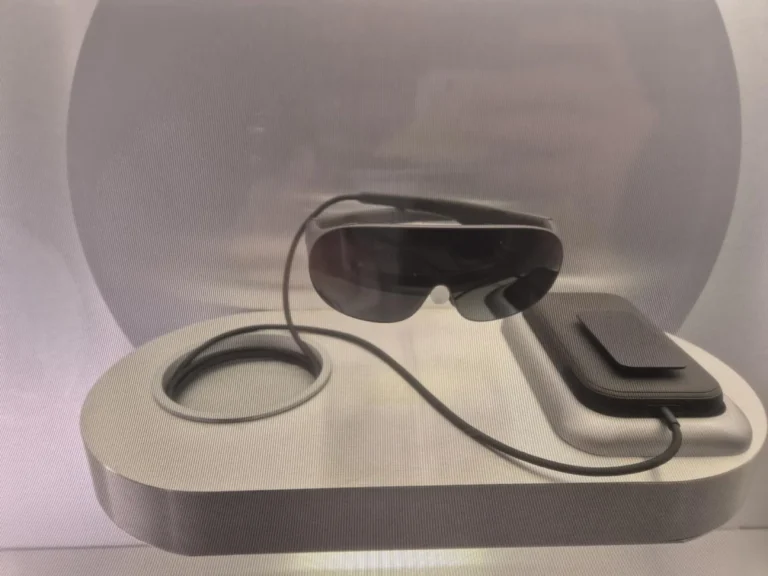
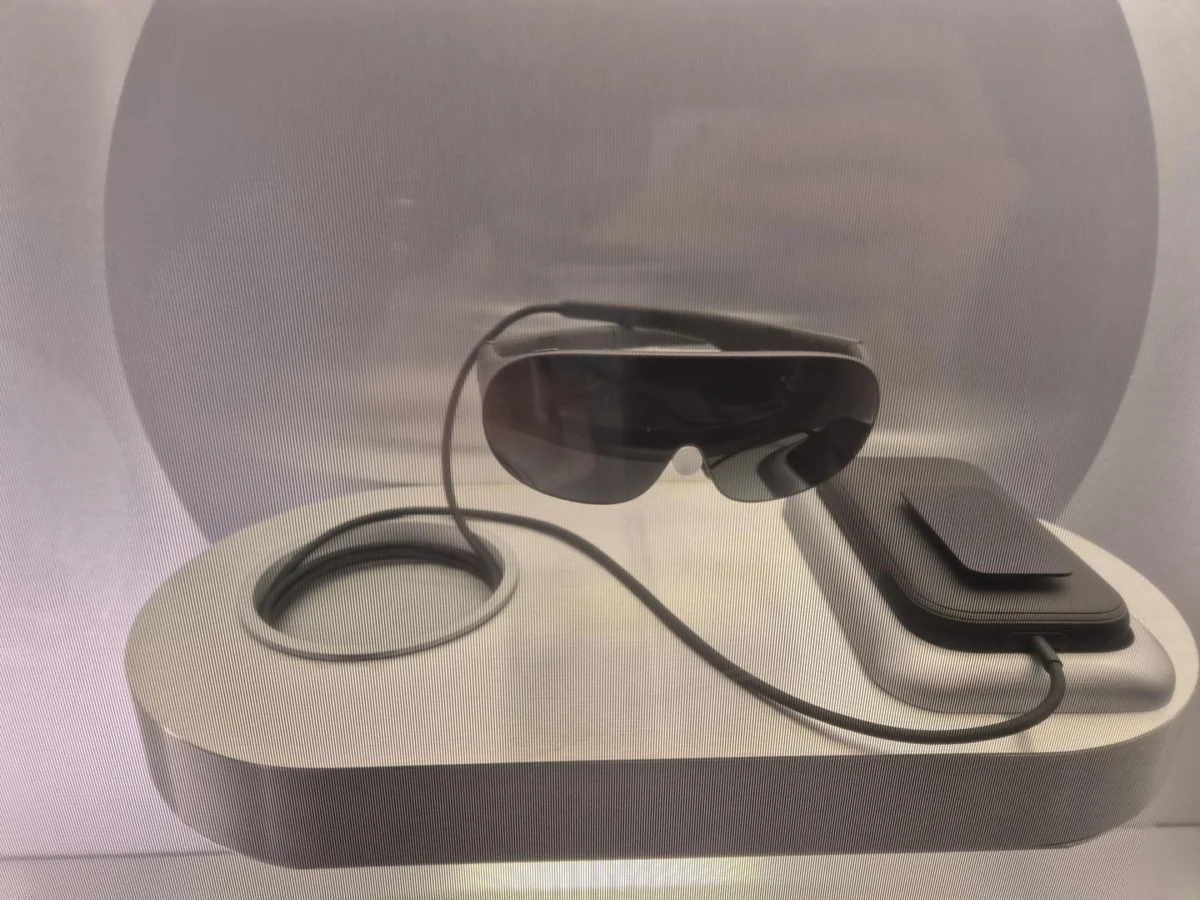
The centerpiece of the hardware announcements was the Meta VR Glasses, a lightweight MR device that offloads its computational requirements to a dedicated external puck. Priced at $1,299 and scheduled for a Spring 2027 release, the device represents Meta’s direct response to the high-end spatial computing market. Unlike the Quest series, the Meta VR Glasses are designed primarily for productivity, media consumption, and social interaction.
Technical specifications and early press feedback indicate several key features:

- Optics and Display: The glasses offer high-definition visuals and a robust passthrough experience, allowing for seamless blending of digital and physical environments.
- Interaction Models: The device supports advanced hand and eye tracking, mirroring the "look and pinch" interface popularized by high-end competitors.
- Portability: By utilizing a tethered computational puck, the headset maintains a form factor significantly slimmer and lighter than traditional standalone VR units.
- Content Library: Meta announced over 70 games optimized for hand tracking, including "Beat Saber Flow," alongside premium video content partnerships with filmmakers such as James Cameron.
However, early hands-on reports from the event suggest that the device’s field of view (FOV) remains more limited than that of the Quest 3, making it less suitable for immersive VR gaming and more tailored for floating window productivity and augmented reality (AR) overlays.
Strategic Shift and Executive Insights
The launch of the Meta VR Glasses at a premium price point reflects a broader shift in Meta’s consumer philosophy. Meta CTO Andrew Bosworth indicated in post-keynote discussions that consumer data from the Quest 3 and Quest 3S cycle informed this direction. Internal sales figures reportedly showed that consumers were increasingly willing to pay a premium for improved comfort and visual fidelity rather than opting for the most affordable hardware. Consequently, the Meta VR Glasses are positioned as a "prosumer" device that prioritizes ergonomics and daily utility over raw processing power housed within the headset itself.

The event also showcased the advancement of Codec Avatars, Meta’s hyper-realistic digital representations. During the keynote, Zuckerberg and Bosworth conducted a meeting using these avatars, which are now being integrated into the Muse AI ecosystem and will be a core feature of the Meta VR Glasses. While the current implementation for mobile devices remains a 2.5D "billboard" projection, the technology represents a significant step toward achieving realistic remote presence.
Industry Impact and Future Outlook
The 2026 Meta Connect announcements signify the company’s transition from a "VR-first" company to an "AI-and-Wearables" company. By diversifying its hardware—ranging from $249 smartglasses to $1,299 high-end MR glasses—Meta is attempting to surround the consumer with multiple entry points into its AI-driven ecosystem.

The success of this strategy will likely depend on two factors: the actual utility of the Muse AI assistant and the willingness of the general public to adopt head-worn hardware for non-gaming tasks. While the "Lisa" partnership may drive initial sales among younger demographics, the $1,299 Meta VR Glasses will need to prove their worth as a legitimate productivity tool to compete in the increasingly crowded spatial computing landscape. As the "Phoenix" project moves from internal development to a commercial product, the industry will be watching closely to see if Meta can finally bridge the gap between niche enthusiast hardware and mainstream consumer electronics.
About the Author