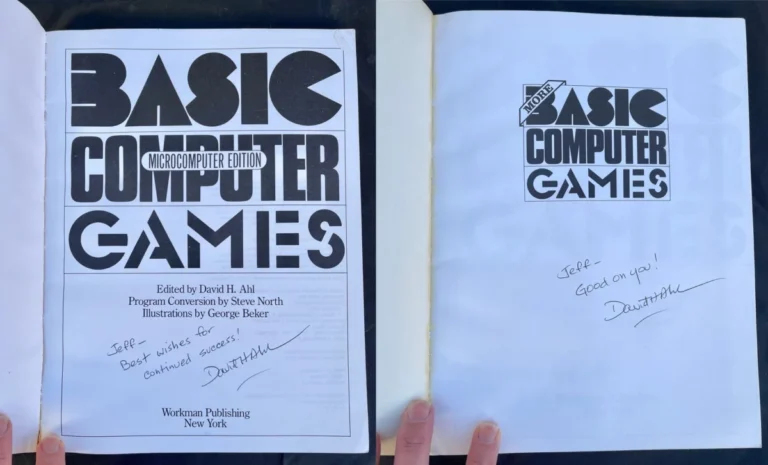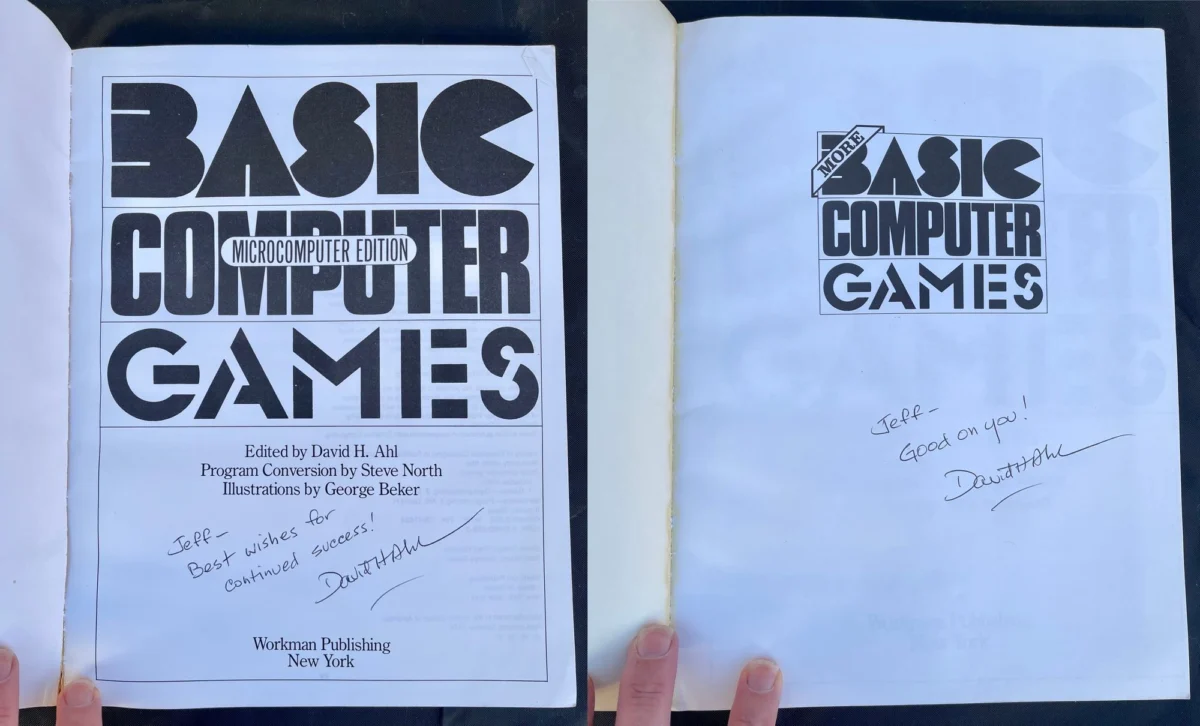
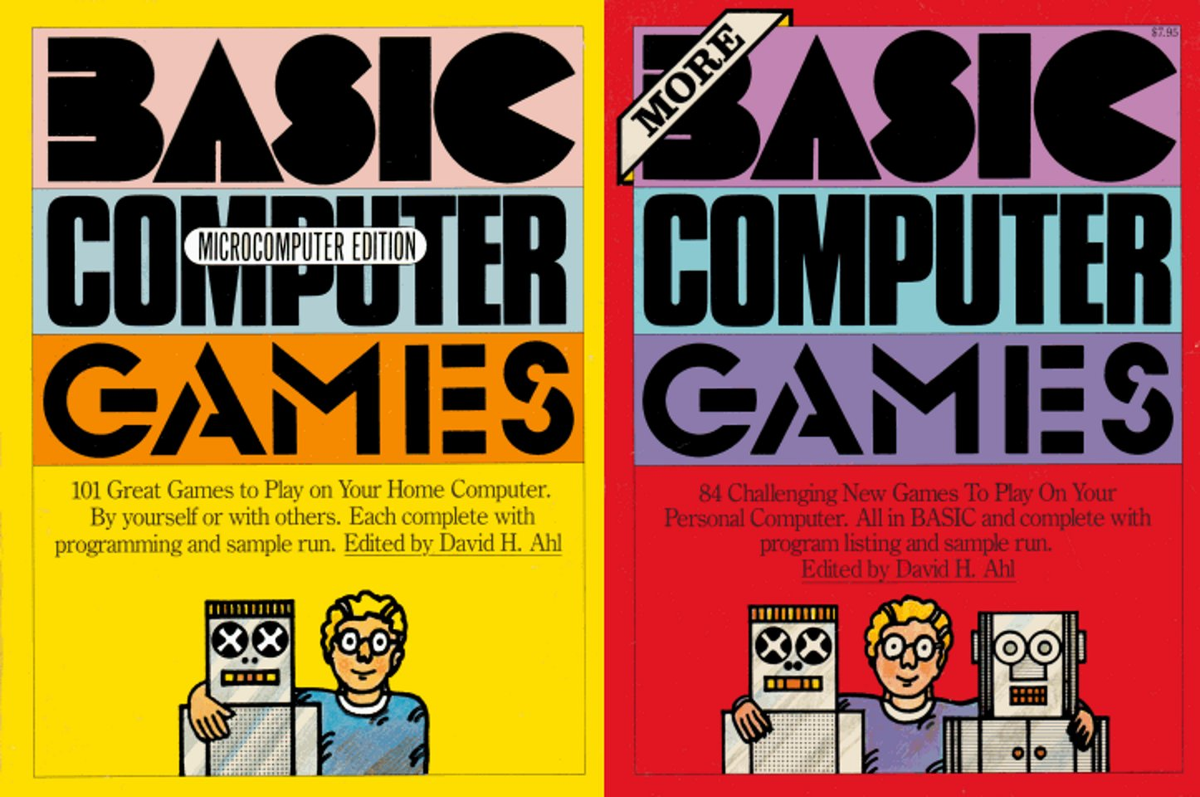
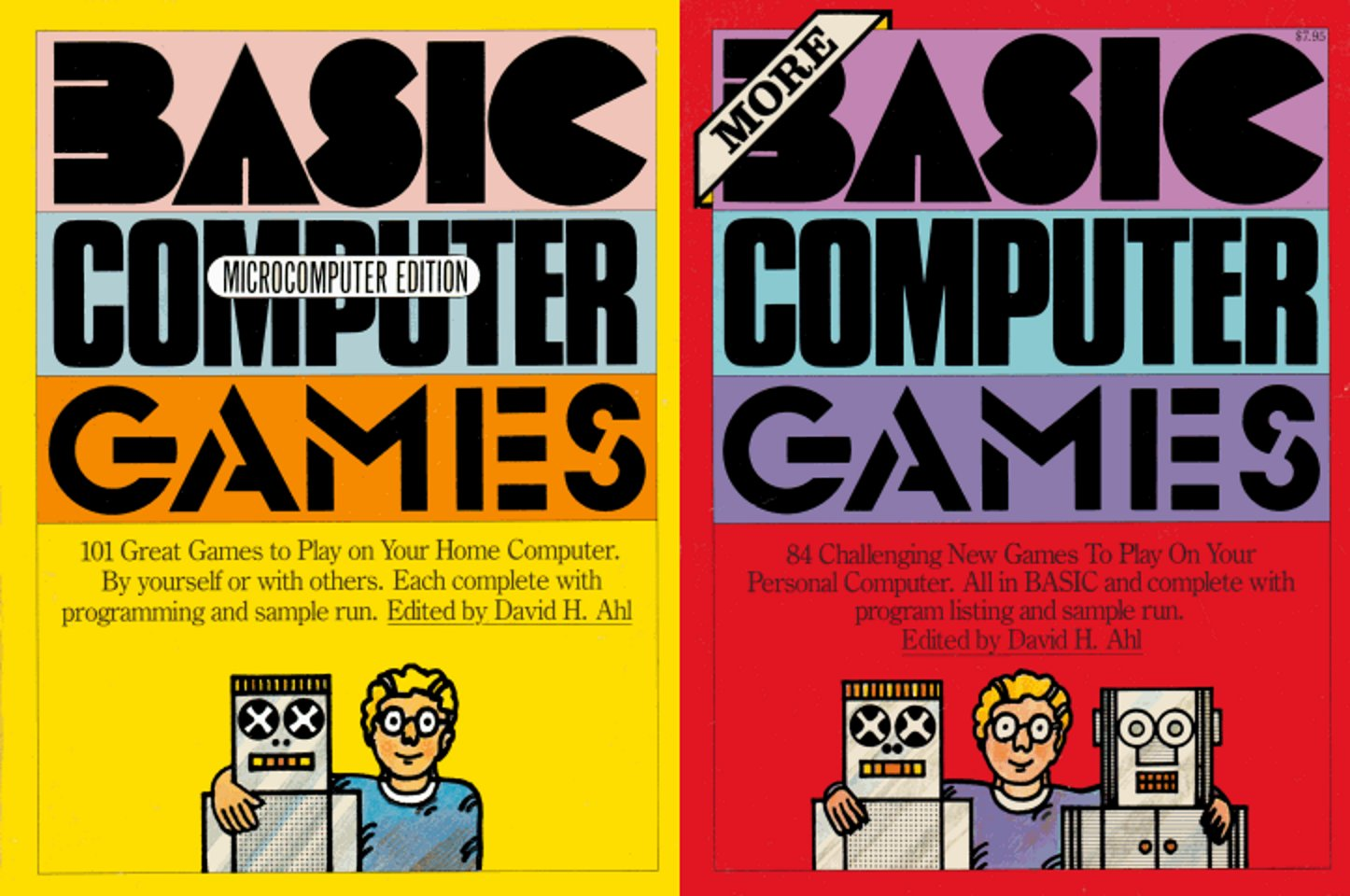
A significant open-source project, spearheaded by prominent software developer Jeff Atwood of Coding Horror, has been launched to comprehensively update David H. Ahl’s seminal work, "101 BASIC Computer Games," for contemporary programming practices. This ambitious initiative aims to translate the entire collection of classic games into ten distinct, modern, memory-safe scripting languages, bridging the gap between computing’s foundational past and its dynamic present. The project seeks global collaboration from developers and offers a philanthropic incentive, donating $5 to Girls Who Code for every successfully ported program in each specified language by the end of 2022. This endeavor is not merely a technical translation but a historical preservation effort, ensuring that these "precious artifacts of early computing" remain accessible and relevant for future generations, while simultaneously promoting modern coding principles like modularity and memory safety.
The Dawn of Personal Computing and the Rise of BASIC
To fully appreciate the significance of Ahl’s book and the current modernization project, one must journey back to the nascent days of personal computing. In the 1970s and early 1980s, the computing landscape was dramatically different from today’s intuitive graphical user interfaces (GUIs). Early personal computers, such as the Apple II, Commodore 64, TRS-80, and Altair 8800, typically booted directly into a command-line interface. There were no sleek desktops adorned with clickable icons or touch-responsive applications. Instead, users were greeted by a blinking cursor on a monochrome screen, awaiting direct textual commands.
For many early enthusiasts, merely getting a computer to perform a task was an act of creation and patience. While some fortunate users possessed expensive add-ons like cassette tape drives or, later, floppy disk drives, these were not standard. Programs were often loaded by laboriously typing lines of code directly from printed manuals or magazines. This era saw the widespread adoption of BASIC (Beginner’s All-purpose Symbolic Instruction Code) as the primary language for personal computing. Designed for simplicity and ease of use, BASIC allowed non-specialists to interact with computers, making it the gateway for countless individuals into the world of programming.
David H. Ahl emerged as a pivotal figure in this era. After leaving Digital Equipment Corporation (DEC), where he had initially compiled "101 BASIC Computer Games," he founded Creative Computing Magazine in 1974. This publication became a cornerstone of the burgeoning personal computer community, offering articles, reviews, and, crucially, program listings that readers could type into their machines. Ahl’s entrepreneurial spirit and dedication were evident in the magazine’s early days, as he famously self-funded its initial print run of 8,000 copies, far exceeding his 600 initial subscribers, and personally distributed thousands of copies to libraries and schools across the country. This grassroots effort was instrumental in cultivating a broader audience for computing and laying the groundwork for the personal computer revolution. The magazine, much like Ahl’s books, provided the vital content that made owning an early computer a truly interactive and educational experience.
"101 BASIC Computer Games": A Cultural Phenomenon
Published in 1973 by DEC and later reissued independently, "101 BASIC Computer Games" was more than just a book of code; it was a cultural phenomenon that profoundly shaped an entire generation. It quickly became the first computer book to sell over a million copies, an astounding feat considering the limited number of personal computers available at the time. Anecdotal evidence suggests that at one point, there were more copies of this book in circulation than there were actual personal computers, underscoring its immense influence and the aspirational nature of early computing. People bought multiple copies, sharing them, poring over the listings, and dreaming of the digital worlds they could create.

The book compiled popular games and educational programs, many of which originated from Ahl’s columns in Creative Computing. Games like "Civil War," "Hamurabi," "Lunar Lander," and "Star Trek" offered engaging, albeit text-based, interactive experiences. For many, typing in these programs line by painstaking line, debugging inevitable typos, and finally seeing the code execute successfully was their first taste of programming and problem-solving. This hands-on, immediate feedback loop was incredibly powerful, transforming abstract concepts into tangible results. It democratized access to computing knowledge, moving it beyond academic institutions and corporate mainframes into homes and schools. The book fostered a deep understanding of logical flow, variable manipulation, and basic algorithmic thinking, laying a foundational groundwork that would serve many of these early enthusiasts throughout their professional careers in technology. Without "101 BASIC Computer Games," the trajectory of countless programmers, engineers, and tech innovators might have been significantly different.
The Imperative for Modernization: Beyond Superficiality
Despite the book’s monumental legacy, its original code, written in the simplistic BASIC dialect of the 1970s, reflects the limitations of that era. Programming paradigms have evolved dramatically since then. Previous attempts to modernize these games, such as a 2010 project to port them to SmallBasic, often fell short. While these efforts sometimes removed archaic elements like mandatory line numbers, they largely failed to incorporate fundamental advancements in software engineering. As Jeff Atwood points out, the crucial concept of subroutines – often hailed as one of the greatest inventions in computer science for enabling modularity and reusability – was conspicuously absent in many of these updated versions. This oversight meant that the ported code remained largely a direct translation, retaining the "spaghetti code" structure characteristic of early BASIC programs, rather than embracing modern principles.
The current project aims for a deeper, more meaningful modernization. The focus is on translating the underlying logic of these games into "modern, memory-safe languages that embody the original spirit of BASIC" while adhering to contemporary programming practices. This means leveraging features such as functions, classes, and proper control structures that encourage modularity, readability, and maintainability. Memory safety, a critical concern in modern software development, is a guiding principle in language selection. Languages like Python, JavaScript, Ruby, C#, Go, Swift, PHP, Kotlin (offered as an alternative to Java), Rust (replacing Pascal due to its strong memory safety guarantees), and Lua have been chosen for their general-purpose nature, scripting capabilities, and robust memory management.
This approach offers significant pedagogical value. By observing how the same game logic is implemented across diverse modern languages, developers can gain insights into different syntax, paradigms (e.g., object-oriented vs. functional elements), and best practices. It demonstrates how core computational problems can be solved elegantly and robustly in a contemporary context, far removed from the constraints of 1970s microcomputers. This careful re-engineering helps preserve the spirit of the original games while making them relevant as educational tools for today’s aspiring programmers.
A Collaborative Vision: Reimagining Early Artifacts
The core of this modernization effort lies in its collaborative, open-source nature, hosted on GitHub. This approach stands in stark contrast to the solitary experience of early programmers, who often spent hours alone typing code from a book, frequently frustrated by elusive typos. The GitHub platform transforms this into a collective endeavor, allowing developers worldwide to contribute, review, and refine the code together. This mirrors the collaborative spirit of modern software development, where projects are built and maintained by distributed teams.
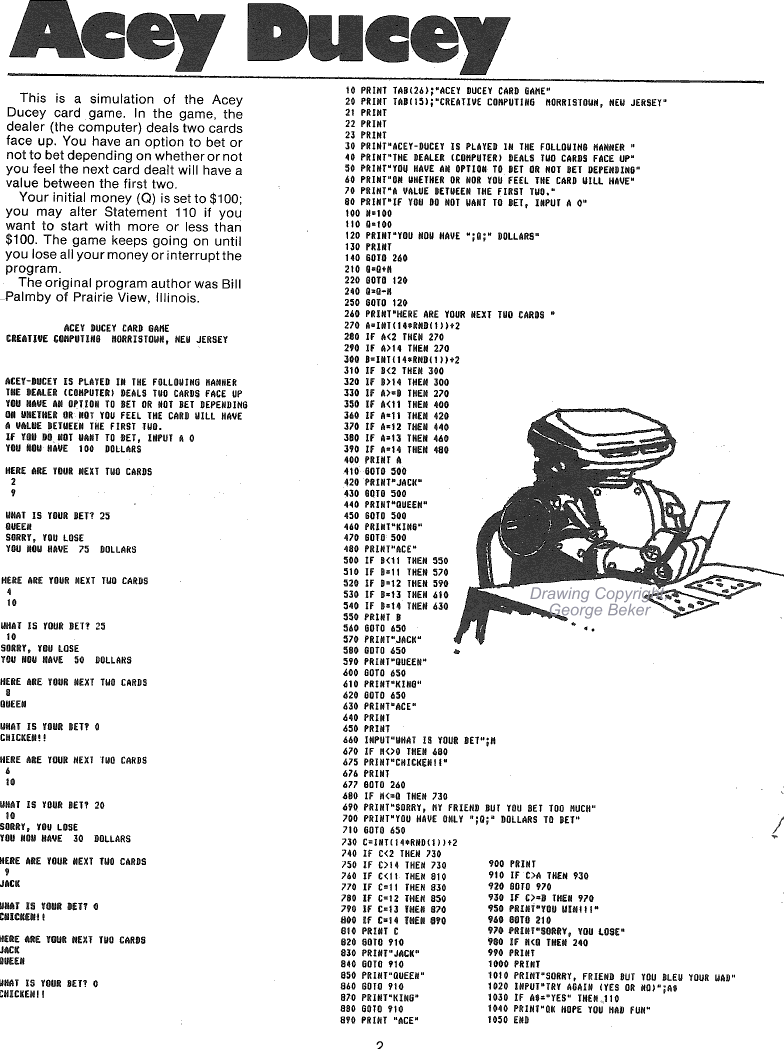
The selection of ten distinct languages for porting these games is strategic. It caters to a wide array of developers, allowing them to contribute in their preferred language while also exposing them to others. The inclusion of languages like Rust, known for its strong emphasis on memory safety without garbage collection, and Lua, a lightweight and efficient scripting language that has recently seen a surge in popularity (cracking the top 20 in the TIOBE index), reflects a commitment to both cutting-edge and practical choices. The project acknowledges that these games, dating back to the 1970s, are "very primitive" by today’s standards and "aren’t going to win any awards for gameplay or programming sophistication." However, their value lies in their historical significance. They represent early attempts to create interactive digital experiences and are foundational texts in the history of computer science. Preserving them with modern code not only makes them runnable on contemporary systems but also provides a clearer window into their original logic and charm. The project also commits to preserving the delightful original artwork by George Beker, which adorned the pages of Ahl’s book, adding another layer of historical fidelity.

Fostering Future Generations: The "Girls Who Code" Initiative
Beyond its technical and historical objectives, the project incorporates a powerful philanthropic element: a commitment to donate $5 to Girls Who Code for every functioning program submitted in each of the ten indicated languages. This incentive serves a dual purpose. Firstly, it encourages active participation and high-quality contributions from the global developer community. Secondly, and perhaps more importantly, it aligns the project with broader efforts to promote diversity and inclusion within the technology sector.
Girls Who Code is a non-profit organization dedicated to closing the gender gap in technology. By providing educational programs and resources, it empowers young women with the skills and confidence to pursue careers in computer science. The decision to support this organization underscores a recognition that while computing’s past was shaped by groundbreaking works like Ahl’s, its future must be more inclusive. Initiatives like this help address systemic disparities, inspire a new generation of female technologists, and ensure that the benefits of technological advancement are shared more equitably. This charitable component elevates the project from a mere coding exercise to a meaningful contribution to the tech community’s social responsibility, fostering an environment where coding is accessible and encouraging for everyone.
Call to Action and Project Leadership
The success of such a monumental undertaking hinges on collective effort. Jeff Atwood has extended an open invitation to developers worldwide to join the project on GitHub. Contributors are encouraged to meticulously review the project guidelines outlined in the README file and engage in discussions on the dedicated forum for any questions or clarifications. The emphasis is on fostering a collaborative, supportive environment where learning and contribution go hand-in-hand, reminding participants that, fundamentally, "this stuff is supposed to be fun."
Recognizing the scale of the endeavor, Atwood is also actively seeking project co-owners. These individuals would play a crucial role in organizing and sustaining the effort, helping to manage contributions, maintain consistency across different language ports, and guide the project’s long-term trajectory. This call for leadership highlights the project’s commitment to distributed ownership and community governance, ensuring its resilience and adaptability. As a New Year’s resolution or a personal challenge, developers are encouraged to carve out time to contribute to this unique project, becoming part of a community dedicated to honoring and advancing one of computing history’s most influential books.
Broader Impact and Enduring Legacy
The collaborative initiative to modernize "101 BASIC Computer Games" is more than just a technical exercise; it’s a profound statement on the enduring relevance of foundational computing principles and the importance of historical preservation. By meticulously translating these early games into modern, memory-safe languages, the project achieves several critical objectives. It preserves cultural artifacts of early computing, making them executable and understandable on contemporary platforms. It serves as an invaluable educational resource, demonstrating the evolution of programming paradigms and the application of modern software engineering practices to classic logic. Furthermore, through its partnership with Girls Who Code, it actively contributes to building a more diverse and inclusive future for the tech industry.
David H. Ahl’s "101 BASIC Computer Games" served as a crucial stepping stone for countless individuals into the world of programming. This modernization project ensures that its spirit of accessibility and hands-on learning continues to inspire new generations. It bridges the gap between the command-line era and the age of ubiquitous computing, reminding us of the simple yet powerful origins of our complex digital world. In doing so, it reaffirms the timeless appeal of creative problem-solving and the collaborative power of the open-source community to honor the past while building for the future.
About the Author