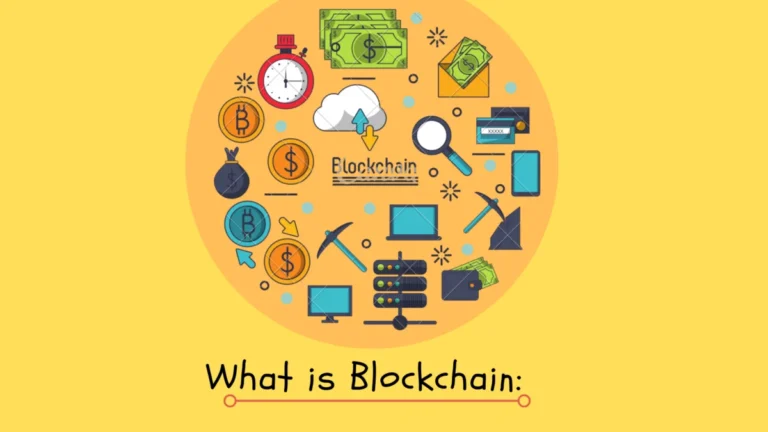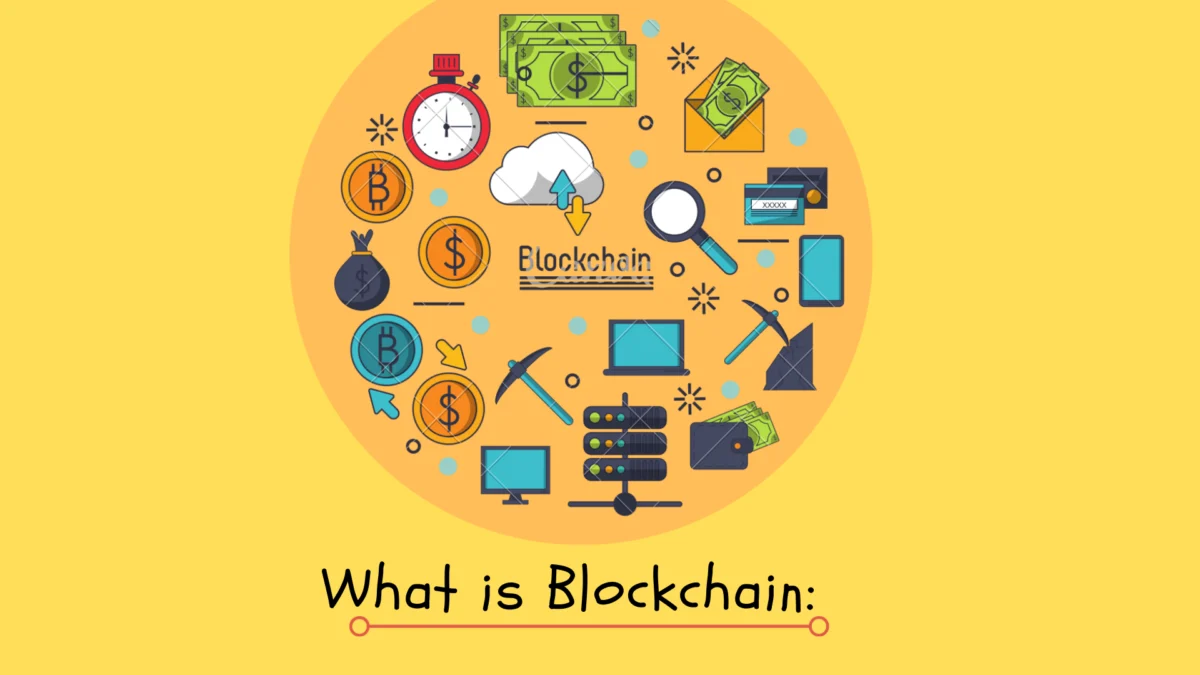
The traditional methods of online payment, which often necessitate account registration and the provision of sensitive credit card details, or the alternative of bank transfers, are poised for a significant transformation with the burgeoning influence of cryptocurrencies and the underlying blockchain technology. This paradigm shift promises a future where transactions and numerous other digital interactions can occur without the need to divulge personal information or depend on intermediaries like banks and governments. This vision of a decentralized and secure digital landscape is precisely what blockchain technology enables.
At its core, blockchain can be understood as a distributed digital ledger, akin to a securely linked chain of data blocks. Originally conceived in 1991 by mathematicians Stuart Haber and W. Scot Stornetta, the foundational concept was to create a system that could ensure the integrity of digital timestamps, preventing any tampering. This early theoretical work laid the groundwork for what would later evolve into a revolutionary technology.
The concept gained further traction in 1998 when software developer Nick Szabo proposed a similar technology for a secure digital payment system he dubbed "Bit Gold." While Szabo’s innovation did not achieve widespread adoption at the time, it foreshadowed the potential of distributed ledger technology for financial applications. The true catalyst for blockchain’s mainstream recognition arrived with the emergence of Bitcoin, with Satoshi Nakamoto claiming to have invented the first blockchain and the associated cryptocurrency. This development brought the theoretical underpinnings of blockchain into a practical and highly visible application, sparking widespread interest and investment.
Understanding the Mechanics of Blockchain
A blockchain functions as a decentralized, distributed database shared across a network of computers, or nodes. Information is recorded and stored in digital blocks, which are cryptographically linked together in chronological order, forming an immutable chain. This distributed nature means that no single entity has complete control over the ledger, enhancing its security and transparency.
The process of adding data to a blockchain involves several key steps:
- Transaction Initiation: A transaction is initiated, for example, sending cryptocurrency from one user to another.
- Verification: This transaction is broadcast to a network of computers (nodes). These nodes validate the transaction using predefined rules and algorithms, ensuring its legitimacy.
- Block Creation: Verified transactions are bundled together into a "block."
- Cryptographic Linking: Each new block contains a unique cryptographic hash of the previous block, a timestamp, and the transaction data. This hash acts as a digital fingerprint, ensuring that the block is securely linked to the preceding one.
- Network Consensus: Before a new block is added to the chain, the network of nodes must reach a consensus on its validity. This is often achieved through mechanisms like Proof-of-Work (PoW) or Proof-of-Stake (PoS), which require nodes to expend computational resources or stake their own cryptocurrency, respectively, to validate new blocks.
- Addition to the Chain: Once consensus is reached, the new block is added to the end of the existing blockchain, becoming a permanent and immutable record.
This intricate process, while seemingly complex, is executed with remarkable speed by modern computing power, often within minutes. The rapid advancement of technology suggests that these processes will become even more efficient in the near future. The immutable and distributed nature of the blockchain is why it is often referred to as "Distributed Ledger Technology" (DLT).
Beyond Cryptocurrency: Diverse Applications of Blockchain
While blockchain technology is intrinsically linked to the functioning of cryptocurrencies like Bitcoin and Ethereum, its utility extends far beyond the realm of digital currencies. It serves as a robust mechanism for storing reliable data, ensuring the fidelity and security of records without the need for a central authority to guarantee accuracy.
The adoption of blockchain technology by major global corporations underscores its growing significance. Companies such as Walmart, AIG, Siemens, Pfizer, and Unilever are actively integrating blockchain solutions into their operations. A notable example is IBM’s Food Trust, which leverages blockchain to meticulously track the journey of food products from their origin to the consumer’s table.
This rigorous tracking is particularly crucial in the food industry, where concerns about food safety are paramount. Tracing the source of contamination, such as bacteria like E. coli or Salmonella, or accidental introduction of allergens like peanuts, can be an arduous and time-consuming process, often taking months or even years. Blockchain technology offers a solution by providing an immutable record of every step in the supply chain. This allows companies to pinpoint the exact location and origin of food items, enabling rapid response in the event of an outbreak and preventing future incidents. The ability of blockchain systems to react swiftly to hazards has far-reaching implications for public health and consumer confidence.
The Power of Decentralization
A key tenet of blockchain technology is decentralization, which imbues it with enhanced security and resilience. Unlike traditional centralized databases, which can be vulnerable to single points of failure or malicious attacks, blockchain data is distributed across numerous nodes. This means that even if one computer or node on the network experiences a problem or is compromised, the integrity of the entire ledger remains intact.
The distributed nature ensures that if an incorrect transaction is recorded on one node, other nodes can cross-reference the correct information and maintain the accurate state of the ledger. This redundancy and distributed control are what define decentralization. It guarantees not only the accuracy but also the authenticity and irreversibility of data. Furthermore, blockchain’s capabilities extend to storing data that is traditionally difficult to register, such as legal contracts, official identifications, and company inventory records, offering a secure and verifiable method for managing sensitive information.
Advantages and Disadvantages of Blockchain Technology
Like any transformative technology, blockchain presents a spectrum of benefits and drawbacks.
Pros of Blockchain
- Enhanced Security: Cryptographic hashing and distributed consensus mechanisms make blockchains highly resistant to tampering and fraud.
- Transparency: Transactions recorded on a public blockchain are visible to all participants, fostering trust and accountability.
- Decentralization: Eliminates reliance on central authorities, reducing the risk of censorship and single points of failure.
- Immutability: Once data is recorded on the blockchain, it cannot be altered or deleted, ensuring data integrity.
- Efficiency: Streamlines processes by removing intermediaries, potentially leading to faster transaction times and reduced costs.
- Traceability: Provides a clear and auditable trail for assets and transactions, crucial for supply chain management and regulatory compliance.
Cons of Blockchain
- Scalability Issues: Some blockchain networks, particularly older ones like Bitcoin, face challenges in processing a high volume of transactions quickly, leading to slower speeds and higher fees during peak demand.
- Energy Consumption: Certain consensus mechanisms, like Proof-of-Work, are energy-intensive, raising environmental concerns.
- Complexity: Understanding and implementing blockchain technology can be complex, requiring specialized knowledge.
- Regulatory Uncertainty: The evolving regulatory landscape for blockchain and cryptocurrencies can create uncertainty for businesses and investors.
- Irreversibility of Errors: While immutability is a strength, it also means that once an incorrect transaction is confirmed, it cannot be easily reversed.
Frequently Asked Questions About Blockchain
To further clarify common inquiries, here are answers to some of the most frequently asked questions regarding blockchain technology.
Is Blockchain a Cryptocurrency?
No, blockchain is not a cryptocurrency. Instead, it is the underlying technology that makes cryptocurrencies possible. It functions as a digital ledger that immutably records every transaction in a secure and transparent manner. Cryptocurrencies are a prominent application of blockchain technology, but not the technology itself.
Is It Possible for Blockchain to Be Hacked?
While theoretically possible, hacking a blockchain is an extraordinarily complex and difficult undertaking. The distributed nature of the ledger, coupled with the constant review by a vast network of users and sophisticated cryptographic protocols, creates a formidable barrier to malicious actors. To successfully compromise a blockchain, an attacker would likely need to gain control of a significant majority of the network’s nodes, a feat that is practically infeasible for most large-scale, established blockchains.
What is the Most Prominent Blockchain Company?
As of recent assessments, Coinbase Global stands as one of the most prominent blockchain companies globally. It operates a comprehensive infrastructure, offering services and technology that are pivotal to the digital currency economy. Its role as a leading platform for buying, selling, and managing cryptocurrencies has positioned it at the forefront of the industry.
Who Owns Blockchain?
Blockchain, by its very nature, is a decentralized technology. It is not owned by a single individual or entity. Instead, it exists as a distributed chain of ledgers connected by nodes, where each node can be any electronic device participating in the network. Ownership is, in essence, distributed among the participants of the network.
What is the Difference Between Bitcoin and Blockchain Technology?
The fundamental difference is that Bitcoin is a cryptocurrency, a digital asset used for transactions, and it is powered by blockchain technology. Blockchain, on the other hand, is the distributed ledger technology that serves as the foundational infrastructure for Bitcoin and many other cryptocurrencies. Bitcoin utilizes blockchain to record its transactions securely and transparently, but blockchain has applications far beyond Bitcoin.
What is the Difference Between Blockchain and a Database?
While both store data, a traditional database and a blockchain operate on fundamentally different principles. A database is typically a centralized collection of data managed by a database management system, allowing authorized users to view and edit information. They often employ a client-server network architecture. In contrast, a blockchain is a continuously growing list of records, or "blocks," stored in a distributed system. Each block is cryptographically linked to the previous one, containing a hash, timestamp, and transaction information. Modification of data in a blockchain is virtually impossible due to its design, which enforces decentralized control and eliminates the risks of data alteration by other parties. This immutability and distributed nature are key differentiators.
The Future Trajectory of Blockchain Integration
Blockchain technology possesses a wide spectrum of applications that are poised to reshape numerous industries. Over the next five to ten years, its integration into sectors ranging from finance and healthcare to logistics and governance is highly probable. While some organizations may currently exhibit hesitation in adopting blockchain systems, this cautious approach is likely to diminish significantly as the technology matures and its benefits become more widely understood. As individuals, business leaders, and entrepreneurs gain greater comfort and insight into how blockchain can serve their interests, its adoption for competitive advantage and operational enhancement will accelerate. The evolution of blockchain promises to revolutionize how we store, share, and interact with data, ushering in an era of unprecedented security, transparency, and efficiency in the digital realm.
About the Author