The Strategic Shift in Meta’s Hardware Architecture
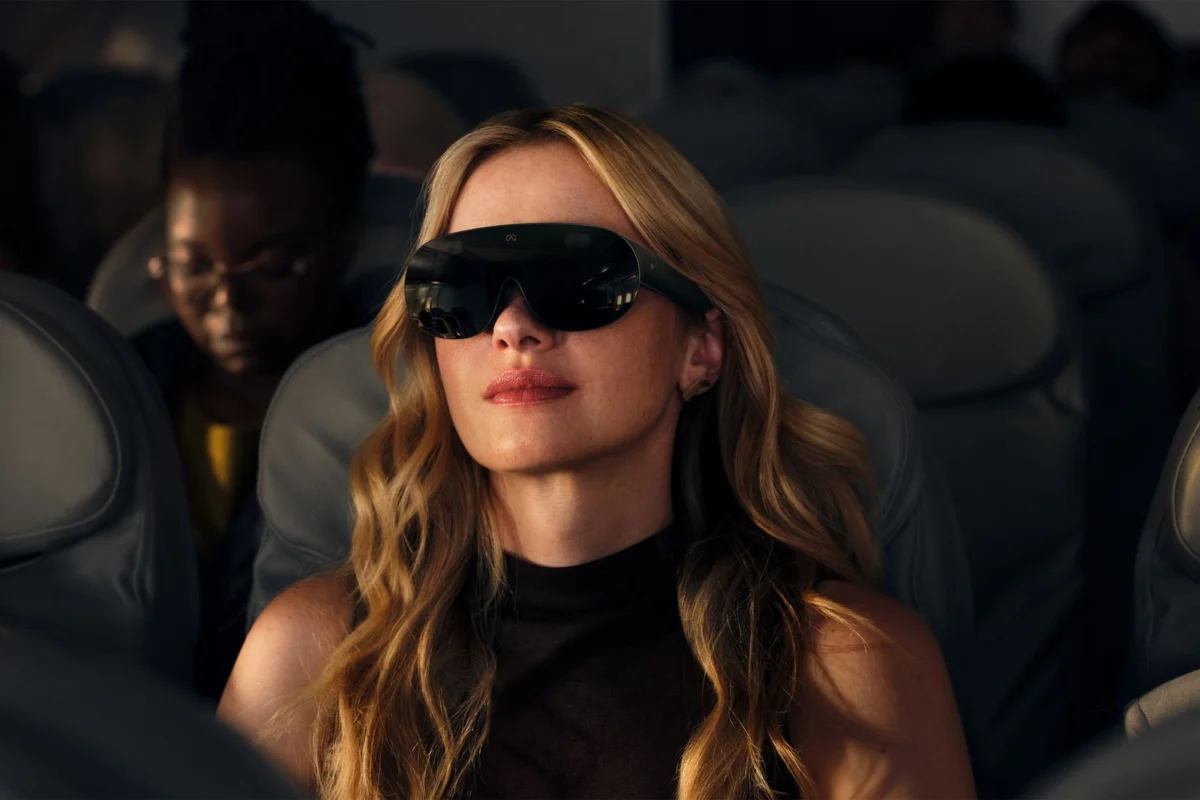
The Meta VR Glasses are engineered with a specific priority: social acceptance through reduced physical footprint. Weighing approximately 100 grams, the device is significantly lighter than the Apple Vision Pro, which exceeds 600 grams. To achieve this weight reduction, Meta utilized a "split-compute" design, offloading the battery and primary processing units to a tethered computational puck intended to be carried in a user’s pocket.
This design choice allows the glasses to maintain a profile that closely resembles traditional eyewear, a move intended to lower the barrier for public usage. However, this aesthetic and ergonomic focus necessitates technical trade-offs. The device features a field of view (FOV) estimated at 90 degrees, which is narrower than the 110-degree FOV found in the Meta Quest 3 and substantially less than the immersion-focused headsets preferred by the enthusiast community. At a retail price of $1,300, the device positions itself as a premium productivity and media consumption tool rather than a mass-market gaming peripheral.
Chronology of Development and Competitive Context
The journey to the Meta VR Glasses reflects a decade-long evolution in Meta’s XR strategy. Following the acquisition of Oculus in 2014, the company initially focused on high-end, PC-tethered VR with the Oculus Rift. By 2019, the launch of the Oculus Quest signaled a shift toward standalone, mobile-chipset hardware, prioritizing ease of use over raw graphical power.

The 2024 launch of the Apple Vision Pro served as a catalyst for the current market state. Apple’s entry into the space focused on "spatial computing" with high-resolution micro-OLED displays and a premium price point of $3,499. In response, Meta’s development cycle accelerated to provide a counter-narrative: that comfort and wearability are more vital to mainstream adoption than maximum visual fidelity. Industry reports indicate that Meta’s leadership, including CEO Mark Zuckerberg and CTO Andrew Bosworth, pivoted internal resources to ensure the 2026 launch could offer a "wearable all day" alternative to Apple’s "pro-grade" stationary experience.
Technical Specifications and Performance Data
A comparative analysis of current market leaders reveals the distinct niches these devices aim to fill:
- Weight: Meta VR Glasses (approx. 100g) vs. Apple Vision Pro (600g-650g).
- Form Factor: Meta utilizes a glasses-style frame with a pocket-sized compute puck; Apple utilizes a goggle-style headset with an external battery pack.
- Field of View: The 90-degree FOV of the Meta VR Glasses is optimized for "floating" windows and media, whereas the Apple Vision Pro and Quest 3 prioritize peripheral immersion for gaming and 360-degree environments.
- Display Technology: While the Vision Pro utilizes high-density micro-OLEDs for 4K-per-eye resolution, Meta has optimized its optics for text legibility and power efficiency to sustain longer battery life in a smaller form factor.
Market analysts suggest that by offloading heat-generating components to the puck, Meta has solved the thermal throttling issues that often plague lightweight AR/VR devices, though at the cost of a physical cable that some users find cumbersome.
Community and Industry Reactions
The reception of the Meta VR Glasses has divided the XR community into two primary camps: mainstream proponents and hardcore enthusiasts.

Mainstream technology critics have largely praised the device, with many characterizing it as "what the Vision Pro should have been" regarding weight and aesthetics. The focus on "social acceptance"—the ability to wear the device in public without the "tech-heavy" look of a traditional headset—is seen as a critical milestone for the industry.
Conversely, the hardcore VR enthusiast community has expressed concerns regarding the limited FOV and the move away from high-immersion gaming. For users who prioritize "presence" and wide-scale virtual environments, the 90-degree FOV is viewed as a regression. Furthermore, Apple loyalists have defended the Vision Pro’s weight as a necessary byproduct of its superior internal processing power and high-fidelity passthrough capabilities, arguing that Meta’s glasses are a "compromised" experience.
Official Responses and Market Strategy
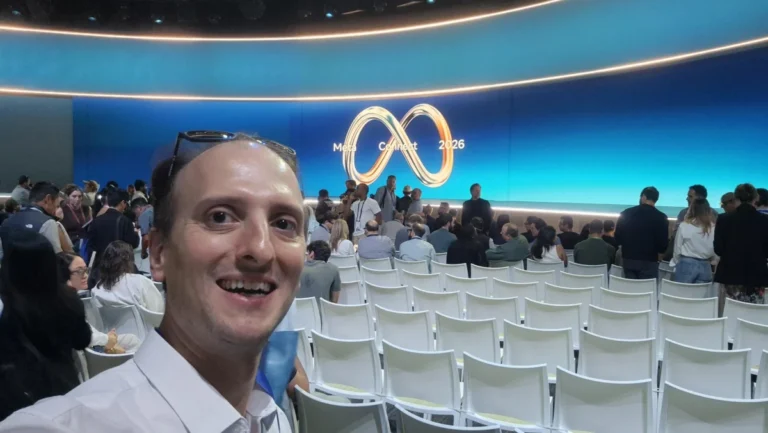
During the Connect 2026 keynote, Mark Zuckerberg emphasized that the goal of the Meta VR Glasses is to reach a mainstream audience that has historically found VR headsets too intimidating or uncomfortable. "Our goal is not just to build a better headset, but to build a new category of computing that people actually want to wear all day," Zuckerberg stated.
This aligns with Meta’s long-standing objective of reaching one billion users in the XR ecosystem. By branding the device specifically as "VR Glasses," Meta is attempting to demystify the technology for non-tech-savvy consumers. Internal memos leaked prior to the launch suggest that Meta views the enthusiast market as a "saturated niche" and sees the "productivity-on-the-go" segment—travelers, remote workers, and casual media consumers—as the primary growth engine for the next five years.

Broader Impact and Industry Implications
The launch of the Meta VR Glasses is expected to have a ripple effect across the hardware manufacturing sector. Competitors such as Samsung, Google, and various Chinese manufacturers like XREAL and RayNeo are reportedly recalibrating their product roadmaps to focus on lightweight "all-in-two" designs.
- Supply Chain Shifts: The demand for smaller, high-efficiency optical engines and specialized tethered compute units is likely to increase, driving down costs for subsequent iterations of the technology.
- Software Ecosystem: Developers are now tasked with creating interfaces that work effectively within a narrower FOV. This may lead to a surge in "glanceable" UI designs and productivity apps that prioritize 2D window management over fully 3D immersive environments.
- Market Competition: The $1,300 price point creates a mid-tier category between the $500 consumer-grade Quest 3S/4 and the $3,500 enterprise-grade Vision Pro. This "prosumer" segment is likely to become the most contested space in the XR market over the next 24 months.
While the Meta VR Glasses may not satisfy the demands of the "hardcore" gaming community, their launch represents a definitive stand on the importance of ergonomics in the race for mainstream spatial computing. As the industry moves forward, the success of this device will likely be measured not by initial unit sales, but by its ability to integrate into the daily routines of users who previously found XR technology too obtrusive for regular use.
About the Author