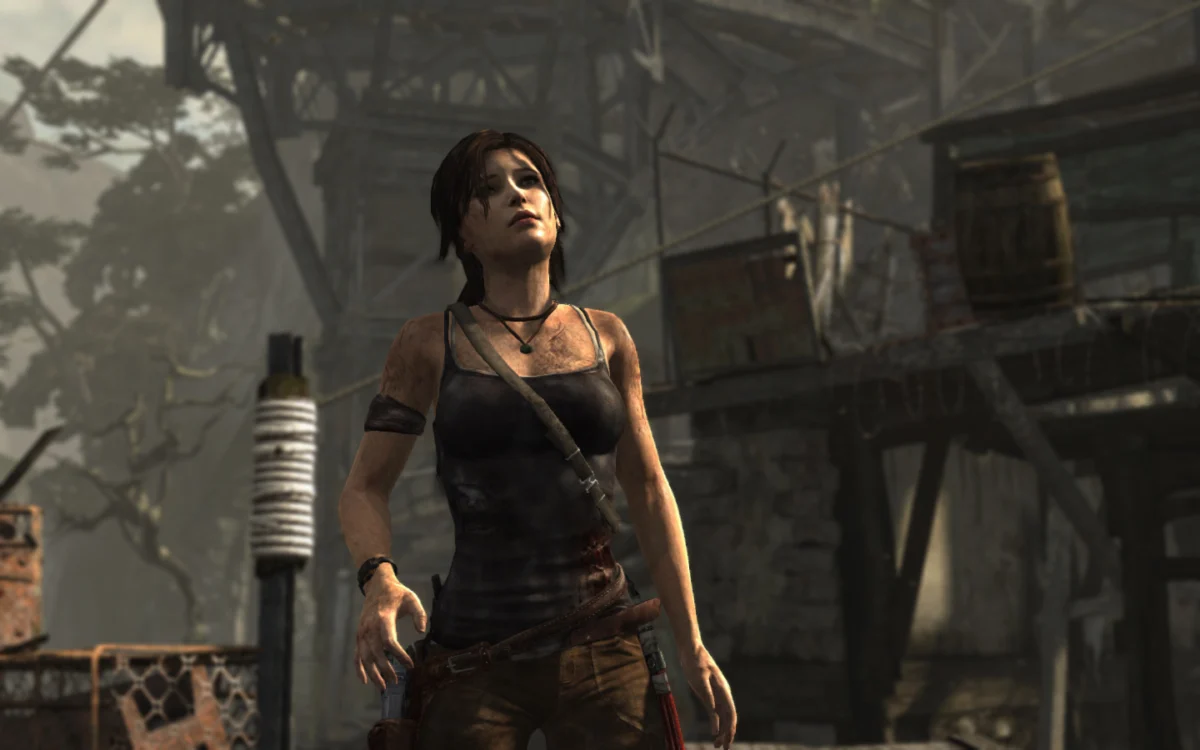
Lara Croft, an enduring figure in digital entertainment, was crowned the most iconic video game character of all time in a BAFTA poll, a testament to her profound impact on the gaming landscape. Her transformation from a confident, aristocratic adventurer to a vulnerable, yet fiercely determined survivor was dramatically re-envisioned in the 2013 reboot of the Tomb Raider franchise. This pivotal entry, lauded for its gritty origin story and nominated for numerous writing awards, offered players an unprecedented look into Lara Croft’s nascent years, meticulously crafted by Crystal Dynamics to capture her struggles, mistakes, and arduous journey to self-discovery. The narrative’s depth, significantly conveyed through compelling dialogue, brought this formative period vividly to life.
A Franchise in Transition: The Pre-Reboot Era
Before its critically acclaimed 2013 revival, the Tomb Raider series, which first launched in 1996, had already cemented Lara Croft’s status as a cultural phenomenon. Her initial portrayal as a dual-pistol-wielding archaeologist exploring ancient ruins and battling supernatural threats resonated deeply with players, establishing her as one of gaming’s first prominent female protagonists. The original games, developed by Core Design, spawned numerous sequels, spin-offs, and even two major Hollywood films starring Angelina Jolie, solidifying Lara’s image as a fearless, almost superhuman explorer. However, by the late 2000s, the franchise began to face challenges. Subsequent iterations struggled to innovate, and while Crystal Dynamics took over development in 2006 with Tomb Raider: Legend, successfully revitalizing the series for a time, there was a growing sentiment within the industry and among fans that the character and her world needed a fundamental re-evaluation to remain relevant in a rapidly evolving gaming market. The era of gritty, character-driven narratives, exemplified by titles like Uncharted and The Last of Us, was dawning, and the classic, seemingly invincible Lara felt increasingly out of step.
The Vision for a New Lara: Development and Release
The decision to reboot Tomb Raider was born from a desire to ground Lara Croft in a more realistic, human experience. Crystal Dynamics aimed to explore the psychological toll of survival and the making of a hero, rather than simply presenting a pre-made one. Announced in 2010 and released on March 5, 2013, the game was developed by Crystal Dynamics and published by Square Enix. The development team undertook extensive research, focusing on themes of survival, fear, and resilience. They sought to create a narrative where Lara’s emotional and physical struggles were central to the gameplay, fostering a deeper connection between the player and the character.
The game introduced players to a 21-year-old Lara, fresh out of university, embarking on her first major archaeological expedition aboard the research vessel Endurance. Her mentor, Conrad Roth, a grizzled and experienced sailor, along with her best friend, Samantha Nishimura, and other crew members, formed a crucial support system. The expedition’s target was the lost Japanese kingdom of Yamatai, believed to be cursed. This premise set the stage for a dramatic shipwreck that would strand Lara and her companions on a mysterious, isolated island, forcing them into a desperate fight for survival against both the elements and a fanatical cult known as the Solarii.
A Gritty Origin Story: Gameplay and Narrative Innovation
The 2013 Tomb Raider diverged significantly from its predecessors, adopting a more realistic, "survival-action" gameplay loop. Players were tasked with exploring the treacherous island, scavenging resources to upgrade weapons and gear, engaging in intense combat against hostile human enemies and wildlife, and solving environmental puzzles. Crucially, the game’s premise centered on Lara’s "ascent from a young woman to a hardened survivor," a tagline that perfectly encapsulated its narrative ambition.
Unlike previous entries where Lara was often depicted as physically invulnerable, the reboot emphasized her vulnerability. She sustained injuries, expressed fear, and was forced to make morally ambiguous decisions previously unimaginable for the character. The gameplay mechanics reinforced this, with Lara often struggling to climb, narrowly escaping death, and experiencing brutal, visceral encounters. This focus on her nascent abilities and emotional fragility was a calculated risk that paid off immensely, allowing players to witness her gradual transformation from a terrified archaeology graduate into the formidable survivor she would become. The narrative, while linear and not offering player choices that influenced the main plot, effectively delivered a compelling origin story that resonated deeply with critics and players alike. Her dual mission – to find her lost crewmates and discover a way off the cursed island – became intertwined, reflecting themes of resilience, perseverance, and the indomitable human spirit in the face of overwhelming adversity.
Critical Acclaim and Commercial Success
Upon its release, Tomb Raider (2013) garnered widespread critical acclaim. Review aggregators like Metacritic awarded it scores averaging around 86-87 out of 100 across various platforms (PC, PlayStation 3, Xbox 360), indicating "generally favorable reviews." Critics lauded the game for its compelling narrative, superb voice acting (particularly Camilla Luddington as Lara Croft), visually stunning environments, and refined gameplay mechanics. The emotional depth of Lara’s character arc was frequently highlighted as a major triumph, breathing new life into a beloved but aging franchise. IGN called it "a fantastic rebirth for the franchise," while GameSpot praised its "captivating story and memorable characters." The game’s success extended beyond critical praise; it was also a commercial triumph, selling over 1 million copies worldwide within 48 hours of its release and ultimately exceeding 11 million units across all platforms by 2017, making it the best-selling title in the franchise’s history. This strong performance solidified the viability of the rebooted direction and paved the way for future installments.
Lara Croft’s Transformation: A Journey in Dialogue
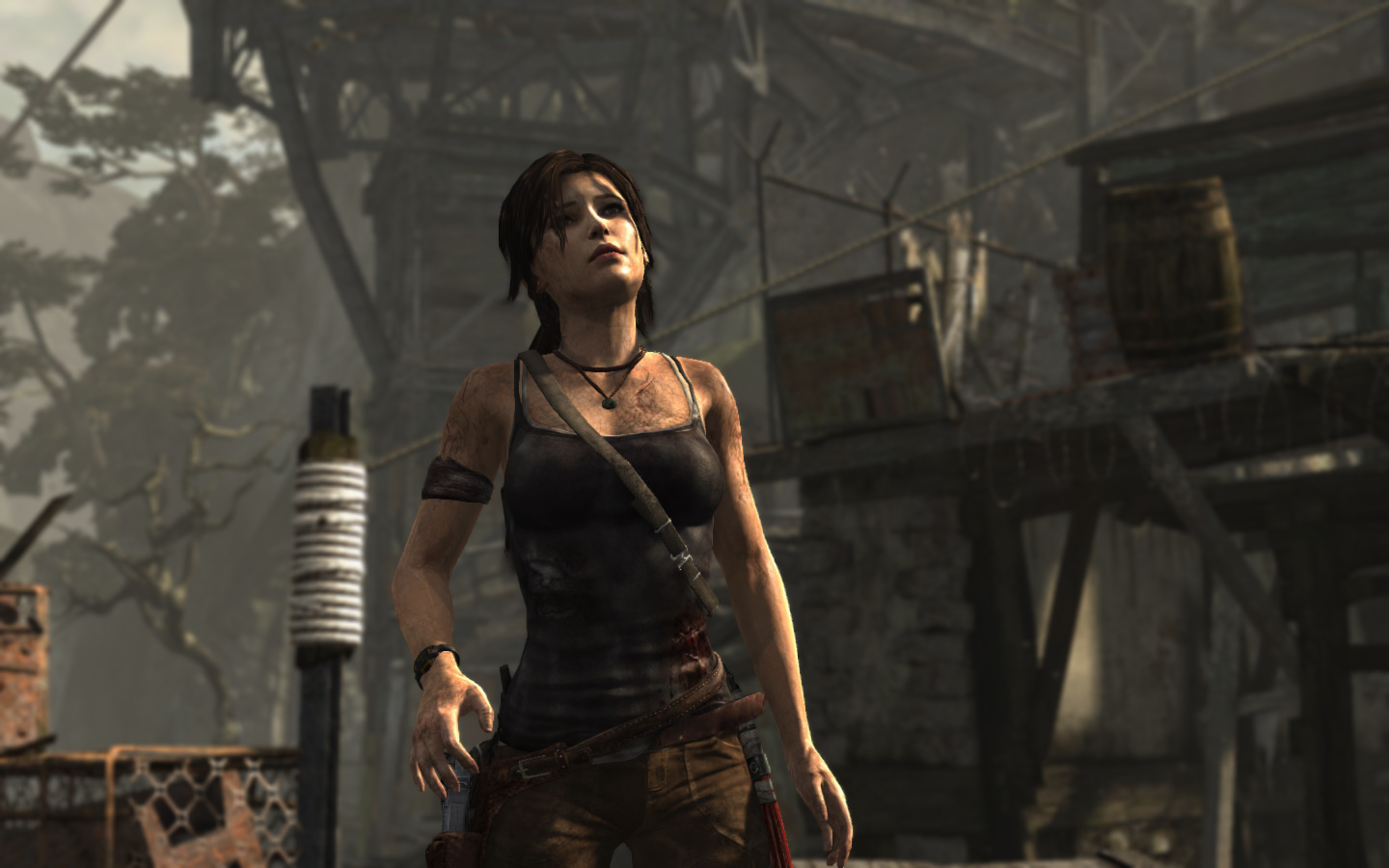
The heart of the 2013 Tomb Raider lies in Lara Croft’s profound character transformation, a journey exquisitely detailed through her internal monologues and interactions with her companions. Initially, Lara is portrayed as intelligent and curious but also naive and unprepared for the horrors she encounters. Her early dialogue often reflects fear, doubt, and a desperate struggle to comprehend the brutality surrounding her. As the game progresses, her words shift, gradually revealing burgeoning determination, resourcefulness, and a growing acceptance of the harsh realities of survival. She is pushed to her limits, forced to kill to survive, and her dialogue conveys the immense psychological burden of these actions, alongside the grim resolve that emerges from them. This careful crafting of her spoken lines allows players to experience her evolution firsthand, witnessing the birth of the iconic adventurer not as an inherent trait, but as a hard-won outcome of trauma and perseverance.
The Supporting Cast: Voices of Guidance and Friendship
The supporting characters play crucial roles in facilitating Lara’s transformation, and their dialogue is instrumental in shaping her journey.
Conrad Roth: As the captain of the Endurance and Lara’s surrogate father figure, Roth embodies experience, resilience, and a gruff but undeniable compassion. His dialogue often serves as a moral compass and a source of practical wisdom. He challenges Lara, pushes her to find her inner strength, and offers crucial emotional support when she is at her lowest. His words frequently emphasize the harsh realities of survival but are always underscored by an unwavering belief in Lara’s potential, helping her to tap into capabilities she didn’t know she possessed. Roth’s unwavering loyalty and willingness to sacrifice for his crew, particularly Lara, profoundly impact her understanding of leadership and self-sacrifice.
Samantha Nishimura: Lara’s best friend and the expedition’s documentary director, Sam provides a stark contrast to Lara’s initial reserved personality. Her outgoing, bubbly nature offers moments of levity amidst the grim struggle, but her dialogue also reveals her own vulnerabilities and fears. More importantly, Sam’s desperate plight – captured by the Solarii and intended as a sacrifice – becomes a powerful driving force for Lara. Their shared history and deep bond are evident in their exchanges, and Lara’s determination to rescue Sam fuels much of her courageous actions, highlighting the power of friendship and loyalty in the face of terror. The dialogue between them underscores the personal stakes of the expedition, making Sam’s survival as critical to Lara as her own.
Other Crew Members: While less central, the interactions with the other surviving crew members – Jonah Maiava, Joslin Reyes, and Alex Weiss – further enrich the narrative. Jonah, a gentle giant, provides steady support and companionship. Reyes, the ship’s mechanic, is often pragmatic and skeptical but ultimately protective. Alex, the ship’s electronics specialist, represents youthful idealism and ingenuity. Their individual struggles, hopes, and fears, expressed through their dialogue, paint a broader picture of the human condition under duress, and Lara’s efforts to protect and reunite them underscore her developing sense of responsibility and leadership. Even moments of friction or despair among the crew serve to highlight the intense pressure they are under, making Lara’s eventual emergence as a leader even more impactful.
Lighter Moments and Human Connection:
Despite the pervasive atmosphere of danger and despair, the game wisely incorporates moments of genuine human connection and even fleeting instances of humor. These lighter exchanges, often born from camaraderie or shared disbelief, serve as crucial breathers, reminding players of the humanity at the core of the story. They underscore the bonds forming between the survivors and provide a contrast that makes the darker moments even more poignant. Such dialogue helps to round out the characters, preventing them from becoming one-dimensional archetypes of survival. These brief respites emphasize that even in the most dire circumstances, the human spirit seeks connection and solace, reinforcing the emotional stakes.
Broader Impact and Legacy: The Survivor Trilogy
The overwhelming success of the 2013 Tomb Raider reboot did more than just revitalize a franchise; it set a new benchmark for character-driven narratives in action-adventure games. It proved that audiences were eager for a more grounded, emotionally resonant portrayal of iconic characters. The game effectively kicked off what became known as the "Survivor Trilogy," followed by Rise of the Tomb Raider (2015) and Shadow of the Tomb Raider (2018). Each subsequent installment continued Lara’s journey, depicting her growing confidence, her deepening understanding of ancient mysteries, and her ongoing struggle with the moral ambiguities of her path, further solidifying the narrative foundation established in the 2013 game.
The reboot’s approach to Lara Croft had a lasting impact on how female protagonists could be portrayed in gaming – moving beyond simplistic archetypes to explore complex psychological landscapes. It influenced subsequent character developments in other titles, contributing to a broader trend of more nuanced and vulnerable heroes in the medium. The BAFTA poll, years after the reboot’s release, served as a powerful validation of this new direction, confirming that Lara Croft, in her evolved form, continued to resonate profoundly with global audiences, reaffirming her status not just as a video game character, but as a true cultural icon. The 2013 Tomb Raider demonstrated that a thoughtful, personal origin story, rich with honest dialogue and compelling character development, could indeed restart an already successful franchise and ensure its enduring legacy for a new generation of players.
About the Author