The inherent social dimension of artistic creation, traditionally rooted in direct interaction and community engagement, is undergoing a profound transformation as digital platforms increasingly mediate how art is shared, discovered, and received. While the internet once heralded a new era of democratized artistic expression and global connection, its evolution has led to a highly centralized, algorithm-driven landscape that challenges the very essence of genuine artistic dialogue, prompting a re-evaluation of the role of physical spaces in fostering authentic engagement.
The Internet’s Promise and Perversion: A Shifting Paradigm of Discovery
In its nascent stages, particularly around the turn of the millennium and into the early 2010s, the internet presented a vibrant vision of an open, interconnected world for artists. Platforms and individual websites, collectively forming what was often termed the "blogosphere," facilitated organic discovery and fostered direct interaction between creators and their audiences. Artists could upload their work, receive feedback, and cultivate communities based on shared interests, often with minimal financial investment or marketing savvy. This period was characterized by a more decentralized web architecture, where content creators, regardless of their established status, had a reasonable chance of their work being seen and engaged with by a receptive audience. The focus was on human connection, where feedback loops—ranging from simple acknowledgments to in-depth discussions—validated the artist’s message and provided valuable insights, echoing the natural conversational flow of real-world dialogue.
A notable example from this era is the launch of games like "100 Rogues" in 2010. Despite lacking a substantial marketing budget, possessing initial bugs, and exhibiting lower production values compared to many contemporary titles, the game garnered significant community engagement. Players created fan art, uploaded gameplay videos, and developers were frequently interviewed by independent gaming websites. This level of organic reach and interaction was not an anomaly but rather a reflection of the internet’s design at the time, which prioritized content visibility and fostered genuine discovery channels. The success of such projects underscored the potential of a less curated, more open digital environment where merit and genuine interest could drive engagement, rather than sophisticated algorithms or massive advertising spend.
The Rise of Algorithmic Gatekeepers and Top-Heavy Engagement
Over the past decade, this landscape has drastically shifted. A series of strategic decisions by major technology companies, coupled with a perceived lack of proactive regulatory oversight from governments, has fundamentally reshaped the internet into a "top-heavy" system. This transformation has resulted in a disproportionate distribution of attention and engagement, where a dwindling number of creators accrue the vast majority of interactions, often at the expense of emerging or independent voices.
Data supports this trend of market concentration. According to a 2022 report by the National Bureau of Economic Research, the "creator economy" has grown exponentially, yet the vast majority of income and audience reach is concentrated among a tiny fraction of top-tier creators. For instance, on platforms like YouTube, it is estimated that less than 1% of channels account for over 80% of total views. Similarly, on platforms such as Twitch, a handful of streamers consistently dominate viewership, making it increasingly difficult for new entrants to gain traction. This mirrors a broader economic phenomenon known as the "superstar effect," exacerbated by algorithms designed to optimize for existing engagement, thus creating a feedback loop that continually amplifies already popular content.
The core issue lies in the algorithms that govern content visibility on dominant social media platforms, video-sharing sites, and app stores. These complex systems are primarily engineered to maximize user engagement (time spent on platform, clicks, shares) rather than to foster diverse discovery or equitable distribution of attention. Consequently, artists and creators are compelled to optimize their work not for human resonance, but for algorithmic approval. This often translates into adherence to specific content formats, trending topics, and manipulative engagement tactics that may compromise artistic integrity for the sake of visibility. The "bar for entry" for any creator to have their work seen has become significantly higher, demanding not only substantial investment in marketing but also a radical reorientation of creative output to conform to algorithmic demands.
Corporate Consolidation: A Parallel Erosion of Diversity
This algorithmic centralization runs parallel to, and is often intertwined with, rampant corporate consolidation across various industries, including the creative sectors. The gaming industry, for example, has seen a dramatic reduction in the number of independent publishers and developers over the last decade. Major conglomerates like Activision Blizzard, Tencent, Sony, Microsoft, and Take-Two Interactive have systematically acquired smaller studios, consolidating market share and effectively reducing the diversity of creative voices and products available to consumers.
This consolidation mirrors the "top-heavy" internet dynamic, where fewer and fewer entities control larger portions of the market pie. For aspiring game developers, Twitch streamers, or any online artist in 2025, success increasingly hinges on navigating these corporate behemoths and their algorithmic gatekeepers. Without significant financial backing for marketing or the ability to produce content meticulously tailored to platform algorithms, the path to widespread recognition becomes exceedingly narrow. This environment fosters a culture where creativity might be stifled by the need for algorithmic optimization, potentially leading to a homogenization of artistic output rather than fostering genuine innovation.
Regulatory Inertia and its Consequences
Crucially, this current state of the internet was not an inevitable outcome. It is largely a consequence of policy choices and, more significantly, governmental inaction. Critics argue that governments worldwide have failed to adequately enforce existing anti-trust laws or introduce new legislation necessary to safeguard the open and democratic vision of the early internet. The lack of effective regulation allowed large tech companies to grow unchecked, acquire competitors, and establish monopolies over digital infrastructure and audience attention.
The failure to introduce legislation that could have maintained a thriving "blogosphere," functional and unbiased search engines, and equitable "discovery" mechanisms has had profound implications. Experts in digital policy frequently point to the need for updated anti-trust frameworks, data portability regulations, and stricter controls over algorithmic transparency to reintroduce competition and decentralization into the digital sphere. However, the complexity of the digital economy, combined with powerful lobbying efforts by tech giants, has often stalled meaningful regulatory action, leaving the internet in its current state of centralized control. Even if significant policy changes were enacted today, the entrenched nature of these systems means that rebuilding a more equitable internet would be a multi-year endeavor.
The Open Mic: A Paradigm of Authentic Connection
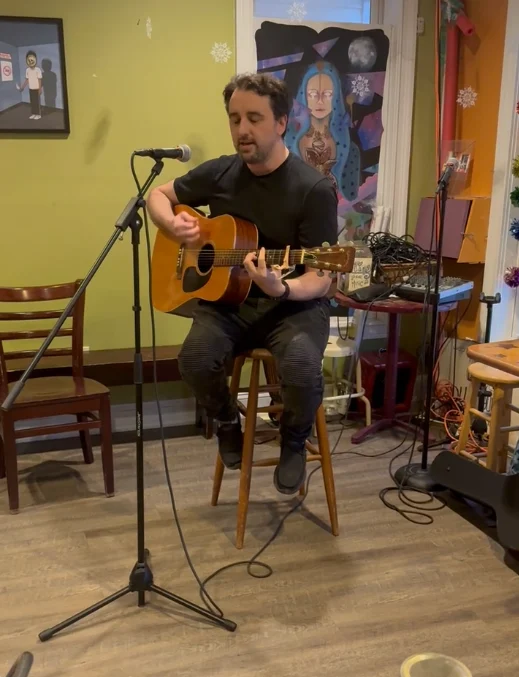
In stark contrast to the complexities and constraints of the contemporary internet, physical spaces offer a refreshing return to fundamental principles of equitable engagement. The "open mic" event serves as a potent metaphor for a platform built on accessibility, direct interaction, and inherent fairness, representing the antithesis of the 2025 internet.
At an open mic, the barriers to entry are virtually non-existent. There are no algorithms to appease, no corporate gatekeepers to bypass, and typically no significant financial investment required from participants. Everyone present, regardless of their background, experience, or social standing, is afforded an equal opportunity—typically a set time slot of three to five minutes—to share their creative expression. Whether it’s poetry, music, comedy, or simply a personal reflection, the value of the performance is judged directly by the human audience in the room, not by an opaque computational system.
This environment naturally fosters a spirit of curiosity, mutual respect, and genuine community. People from diverse walks of life—varying ages, body shapes, ethnic backgrounds, and socioeconomic statuses—converge in a shared physical space. The act of sharing space itself cultivates a unique form of connection, where empathy and direct feedback flourish. The immediate, unfiltered reactions of an audience provide validation, constructive criticism, and a sense of shared humanity that is increasingly rare in the curated, often isolated digital realm. While the broader "IRL art world" certainly has its own arbitrary barriers and biases, the open mic stands out as a pure example of a non-commercial, democratized platform where the primary currency is shared experience rather than monetized attention.
Beyond the Digital Stage: Reclaiming Community and Civic Engagement
The call for a return to physical engagement extends beyond artistic expression; it carries significant implications for civic life and community resilience. The ability of physical spaces to circumvent corporate interference makes them vital for fostering genuine connection and mobilization. As the digital sphere becomes increasingly fragmented by echo chambers and manipulated by algorithms, real-world interactions offer a crucial antidote.
The emphasis on being physically "there"—in shared spaces like coffee shops, community centers, or public squares—is not merely about artistic collaboration or inspirational encounters. It also represents a fundamental act of civic engagement. In an era marked by growing social and political polarization, and rising concerns about the erosion of democratic norms, physical presence can be a powerful tool for community building and collective action. Being present in one’s community means being more attuned to local issues, more likely to forge diverse alliances, and better positioned to mobilize against challenges that affect neighbors and society at large.
The success of platforms like Discord, which prioritize equal footing for chatters within a defined community, demonstrates that even within the digital realm, human-centric design can foster more equitable interaction. However, these platforms often operate within the larger, top-heavy internet ecosystem, making their sustained impact susceptible to the same pressures of algorithmic change and corporate control.
Looking Ahead: Pathways to a More Equitable Digital Future
The tension between the internet’s initial promise and its current reality underscores a critical need for re-evaluation. While the internet will undoubtedly remain an integral part of modern life, there is a growing demand for it to evolve in a direction that prioritizes human connection and equitable discovery, rather than algorithmic optimization and corporate profit. This would necessitate a multi-faceted approach involving:
- Regulatory Reform: Governments must actively enforce anti-trust laws, consider breaking up monopolies, and introduce new legislation to ensure algorithmic transparency and data portability, fostering a more competitive and diverse digital landscape.
- Platform Accountability: Tech companies should be held accountable for the societal impact of their algorithms and compelled to design systems that prioritize user well-being and equitable content distribution over pure engagement metrics.
- Decentralized Technologies: Investment in and adoption of decentralized web technologies (Web3, peer-to-peer networks) could offer alternatives to the current centralized model, empowering individual creators and communities.
- Community-Led Initiatives: Fostering and supporting independent digital platforms and physical spaces that prioritize direct interaction and community governance can provide vital counterpoints to the dominant online ecosystems.
Ultimately, the future of artistic expression and community building may lie in a dynamic interplay between a reformed, more equitable digital infrastructure and a renewed appreciation for the irreplaceable value of physical spaces. Reclaiming authentic engagement demands a conscious effort from policymakers, tech innovators, and individuals alike to challenge the prevailing digital paradigms and advocate for platforms that truly serve the human need for connection, creativity, and collective action.
About the Author