A new digital initiative, dreamagainusa.org, has been launched with the explicit goal of making the staggering scale of wealth inequality in the United States viscerally understandable to the public. Supported by tech entrepreneur Jeff Atwood, co-founder of Stack Overflow, the website presents an interactive, linearly scaled graph of American wealth distribution, designed to immerse users in the profound disparities that define the nation’s economic landscape. Accompanying this digital experience is an updated 2026 video series on wealth inequality, building upon a widely acclaimed predecessor from 2012, aiming to provide factual, visually driven insights with rigorous sourcing.
The Unfolding Scale of Disparity: An Experiential Approach
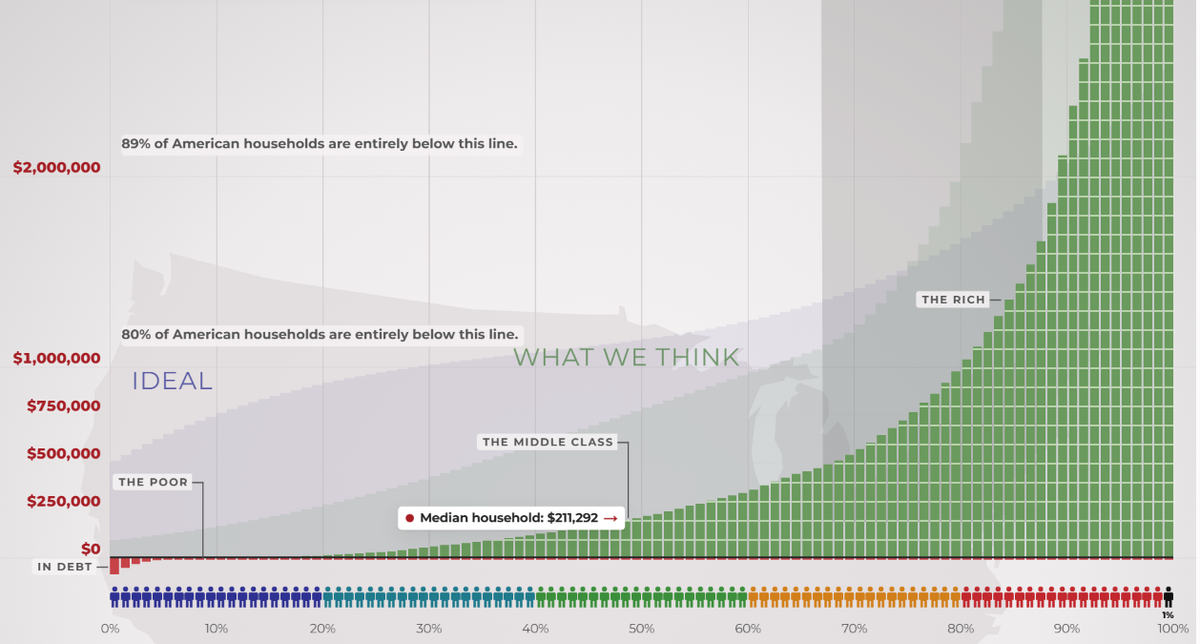
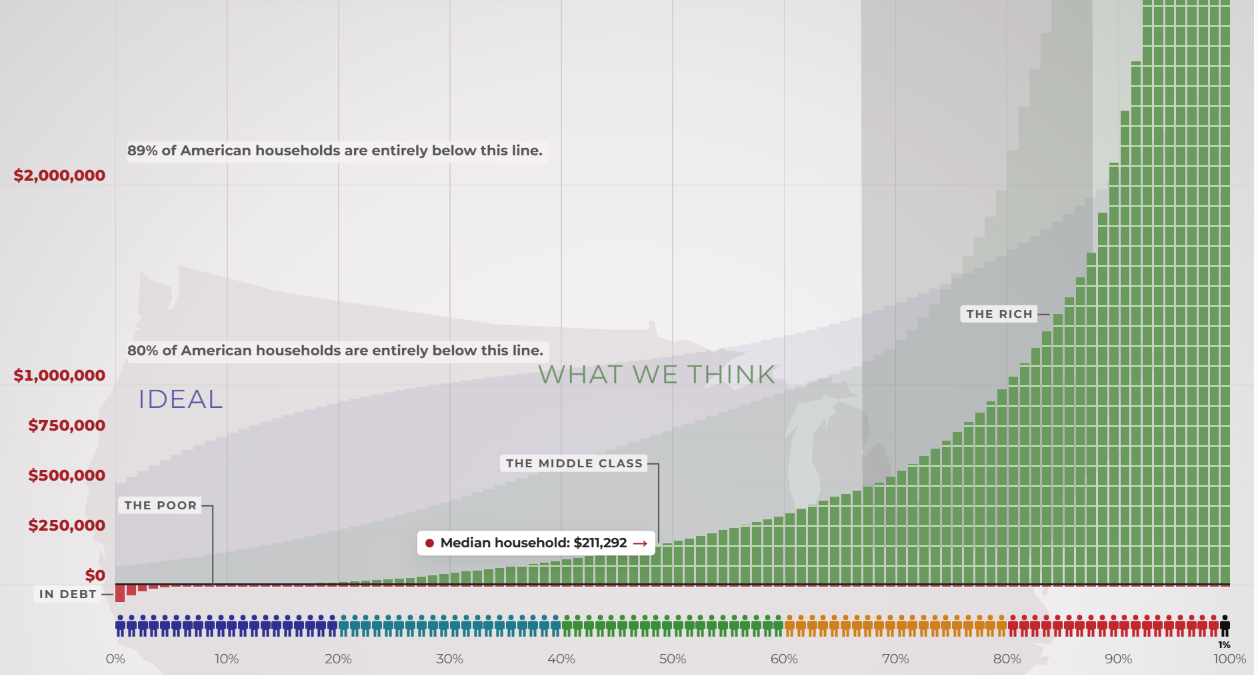
The core of dreamagainusa.org is a meticulously crafted interactive graph that requires users to continuously scroll upwards to visualize the entire spectrum of wealth, from the poorest Americans to the wealthiest billionaires. This deliberate design choice transforms what might otherwise be abstract statistics into a tangible, and often challenging, experience. Early testers reported scrolling for nearly 13 minutes to reach the theoretical "top" of the graph, highlighting the immense vertical distance separating economic strata. Unlike a typical digital experience, users are presented with an "I quit" button, a stark contrast to the lack of an easy exit for millions of Americans trapped at the bottom of the economic ladder.
This method directly confronts conventional data visualization techniques that often compress extreme values, inadvertently obscuring the true magnitude of wealth concentration. By employing a linear scale and mandating manual scrolling, the platform compels users to actively engage with the data, fostering a deeper, more empathetic understanding of the economic realities faced by the vast majority of the population. Jeff Atwood, reflecting on the project’s design, stated, "Wealth inequality on a scale this extreme is almost impossible to explain. You have to experience it to understand." He further articulated that the inconvenience built into the user interface is a feature, not a bug, asserting, "suffering is a feature." This echoes the arduous, daily struggle for survival experienced by those with minimal resources.
Historical Context of U.S. Wealth Inequality

The current state of wealth inequality in the United States is not an anomaly but the result of decades of evolving economic policies and societal shifts. Following World War II, the U.S. experienced a period of relatively decreasing wealth disparity, often referred to as the "Great Compression," driven by factors such as progressive taxation, strong labor unions, and investments in public infrastructure and education. This era saw broad-based economic growth and a rising middle class.
However, starting in the late 1970s and accelerating in the 1980s, this trend reversed dramatically. Factors contributing to the "Great Divergence" include:
- Tax Policy Changes: Significant reductions in top marginal income tax rates and capital gains taxes, benefiting the wealthiest.
- Deregulation: Loosening of financial regulations, leading to increased speculation and financialization of the economy.
- Globalization and De-industrialization: The shift of manufacturing jobs overseas and the decline of labor union power.
- Stagnant Wages: For many workers, especially those without college degrees, real wages have stagnated for decades, while productivity has continued to rise.
- Rise of the "Winner-Take-All" Economy: The concentration of wealth and income in the hands of a few top performers in various sectors, particularly technology and finance.
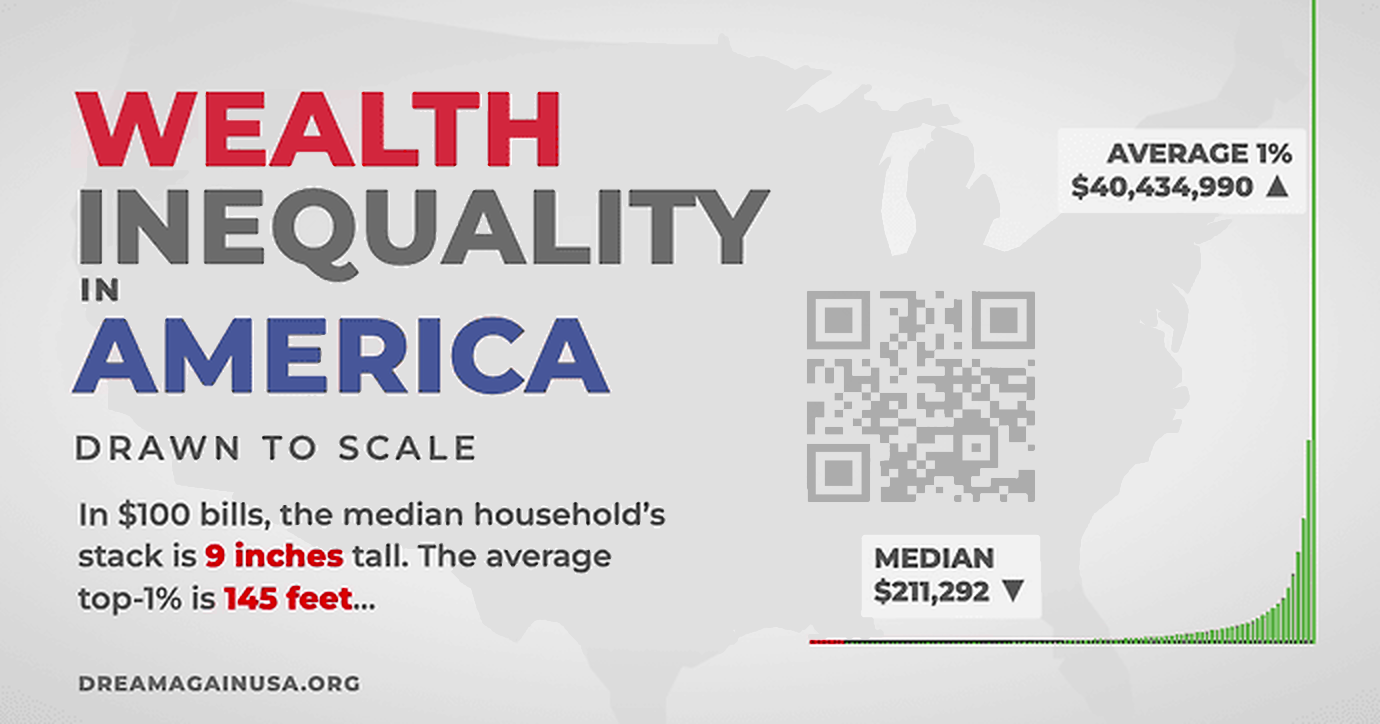
According to data from the Federal Reserve, as of recent years, the wealthiest 1% of households in the U.S. hold approximately one-third of the nation’s total wealth, while the bottom 50% collectively own less than 2.5%. This stark imbalance underscores the data presented on dreamagainusa.org, providing a crucial backdrop to the interactive experience.
The Politizane Legacy: From Viral Sensation to 2026 Update
A significant inspiration for dreamagainusa.org and its underlying message is the original "Wealth Inequality in America" video, produced by Politizane (also known as "The Common Craft Show") in 2012. This video, which quickly went viral, utilized simple yet powerful visual metaphors to illustrate the severe concentration of wealth, profoundly influencing public perception and discourse on the issue. Jeff Atwood himself credits the original video with fundamentally changing his worldview.
Fourteen years later, recognizing the enduring relevance and exacerbation of the problem, a new series of updated videos for 2026 has been commissioned. This updated series features collaborations with well-known independent creators and journalistic outlets, including Politizane, The Onion, and Garbage Day. Crucially, Atwood emphasizes that these collaborators retained full creative control over their work, ensuring the integrity and independence of their messaging. "I did not tell anyone what to make, what to say, or how to say it. I told everyone involved the same thing I’m telling you right now — this is not for me, or any organization. It is for the public. It is for We, The People," Atwood stated, highlighting the project’s non-partisan, public-service orientation. This commitment to plain, visual facts, backed by transparent sources and methodology, aims to rekindle the public conversation around wealth disparity.
Experiencing Poverty: The Hard Facts Behind the Scroll
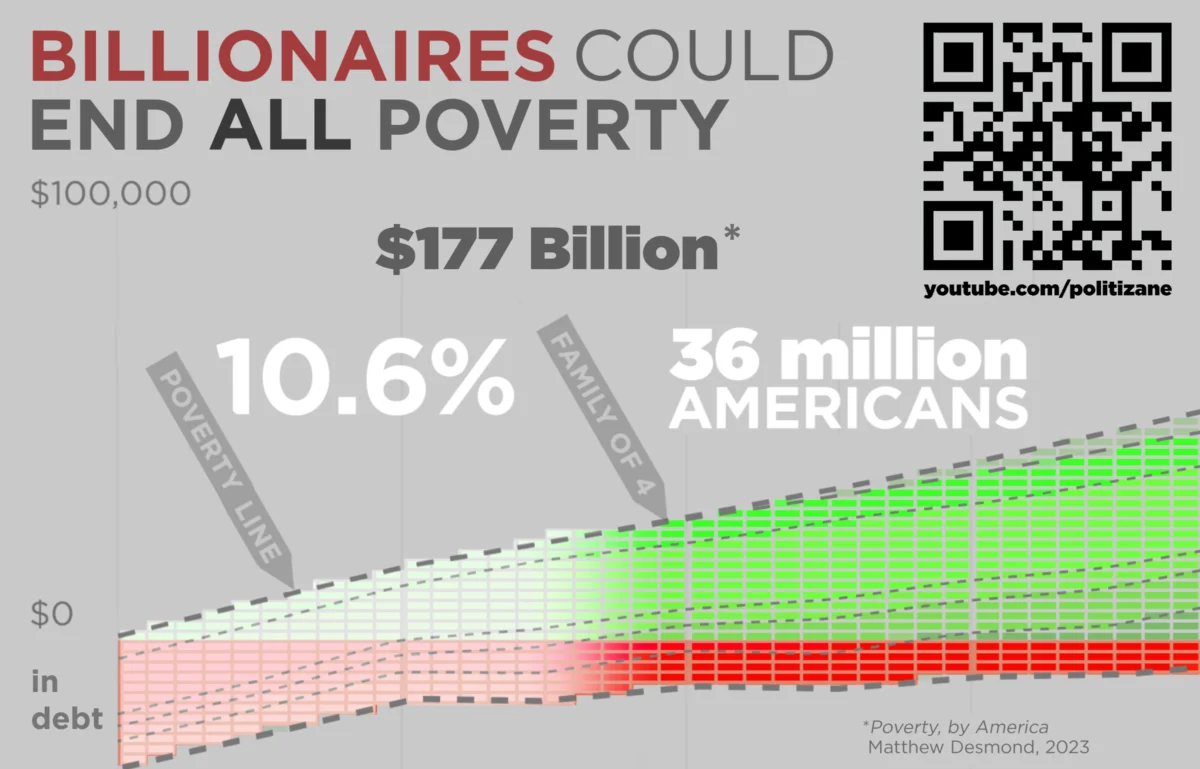
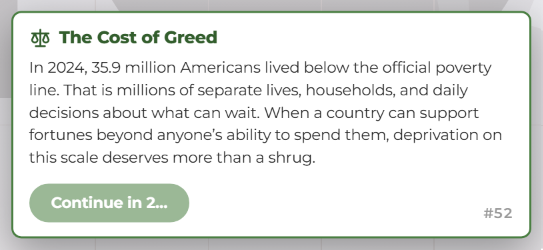
The dreamagainusa.org experience includes deliberate "forced stops" at critical junctures of the wealth graph, compelling users to confront specific realities. One such stop highlights the plight of the 36 million Americans currently living in poverty. This figure, often abstract in news reports, becomes a stark milestone in the digital climb. The website then poses a powerful question: while 36 million Americans endure poverty, it is estimated that eliminating all poverty in the country would cost approximately $177 billion. This amount, while substantial, represents a fraction of the accumulated wealth held by the nation’s wealthiest individuals and corporations. For context, the combined net worth of the richest billionaires in the U.S. far exceeds this sum, illustrating a societal choice to allow poverty to persist.
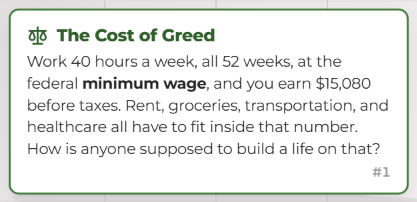
Further emphasizing the struggle of those at the bottom, the platform details the inadequacy of the federal minimum wage. An individual working 40 hours a week, 52 weeks a year, at the current federal minimum wage of $7.25 per hour, earns a gross annual income of $15,080 before taxes. This figure must cover all essential living expenses: rent, groceries, transportation, healthcare, and any other necessities. According to numerous analyses by organizations like the National Low Income Housing Coalition, there is no state in the U.S. where a full-time minimum wage worker can afford a modest two-bedroom rental home, and in most places, they cannot even afford a one-bedroom. This economic reality underscores the profound difficulty of building a stable life, let alone accumulating wealth, for a significant portion of the American workforce. The website’s design, therefore, aims to simulate the "endurance in the face of the relentless task of simply living your daily life with almost nothing."

The Design Philosophy: "Suffering as a Feature"
The development of dreamagainusa.org involved conscious design decisions aimed at maximizing user engagement and impact. Geoff Dalgas, a long-time collaborator of Jeff Atwood and co-builder of Stack Overflow, was responsible for the technical implementation. The team intentionally rejected features like automatic scrolling or rapid jumps that would diminish the physical effort required. The philosophy underpinning this design is that the "data itself is the pain," and representing the massive numbers of wealth inequality with a linear scale is the only "honest way to present this data."
This approach challenges conventional user experience (UX) design, which typically prioritizes ease and convenience. By making the experience "inconvenient," the platform forces users to expend effort commensurate with the scale of the problem it illustrates. This "suffering as a feature" is intended to foster a deeper understanding and empathy, positing that to truly grasp the suffering of others, one must be willing to endure a degree of discomfort oneself. The physical act of scrolling, combined with the forced stops that demand reflection, aims to create a memorable and impactful educational experience. The goal is not merely to present data, but to allow users to "experience" the vastness of the disparity in a way that statistics alone often fail to convey.
Broader Socioeconomic Implications
The extreme wealth inequality highlighted by dreamagainusa.org carries profound socioeconomic implications that extend far beyond individual financial situations:
- Social Mobility: High inequality often correlates with lower social mobility. When wealth is concentrated at the top, opportunities for those at the bottom become increasingly limited, perpetuating a cycle of disadvantage across generations.
- Economic Stability and Growth: While some argue that wealth concentration fosters investment, others contend it can hinder broad-based economic growth by suppressing consumer demand, reducing human capital development, and increasing financial instability.
- Political Influence: Concentrated wealth frequently translates into concentrated political power. Wealthy individuals and corporations can exert disproportionate influence on policy-making through lobbying, campaign contributions, and media ownership, potentially shaping regulations and laws to their benefit, often at the expense of the broader public interest.
- Health and Well-being: Studies consistently show a correlation between socioeconomic status and health outcomes. Lower-income individuals often have less access to quality healthcare, nutritious food, and safe living environments, leading to higher rates of chronic diseases and lower life expectancies.
- Social Cohesion: Extreme disparities can erode social cohesion, foster resentment, and contribute to political polarization and social unrest. When a significant portion of the population feels left behind, trust in institutions and the democratic process can diminish.
Public Discourse and a Call to Action
dreamagainusa.org is positioned not just as an informational website but as a catalyst for public discourse and potential action. Beyond the interactive scroll, the platform offers an "8-page foldable version of the graph," designed to be printed out and assembled into a 6-foot, 6-inch tall representation of wealth distribution – roughly the height of an average NBA player. This physical artifact, dubbed "the most obscene centerfold of all time" by Atwood, provides another tangible way for individuals to visualize and share the data, sparking conversations in homes, schools, and communities.
The project challenges individuals to engage with the data, to "climb the graph" as far as they are willing to go, and ultimately, to reflect on the societal implications of what they have witnessed. The concluding question posed by the website – "Was it worth it?" – is a powerful rhetorical device, prompting users to consider the human and societal cost of allowing such extreme wealth concentration to persist. The initiative aims to empower "We, The People" with an undeniable visualization of facts, fostering a more informed citizenry capable of demanding meaningful systemic change. By making the invisible visible and the abstract tangible, dreamagainusa.org seeks to ignite a renewed commitment to addressing one of the most pressing economic and social challenges of our time.
About the Author