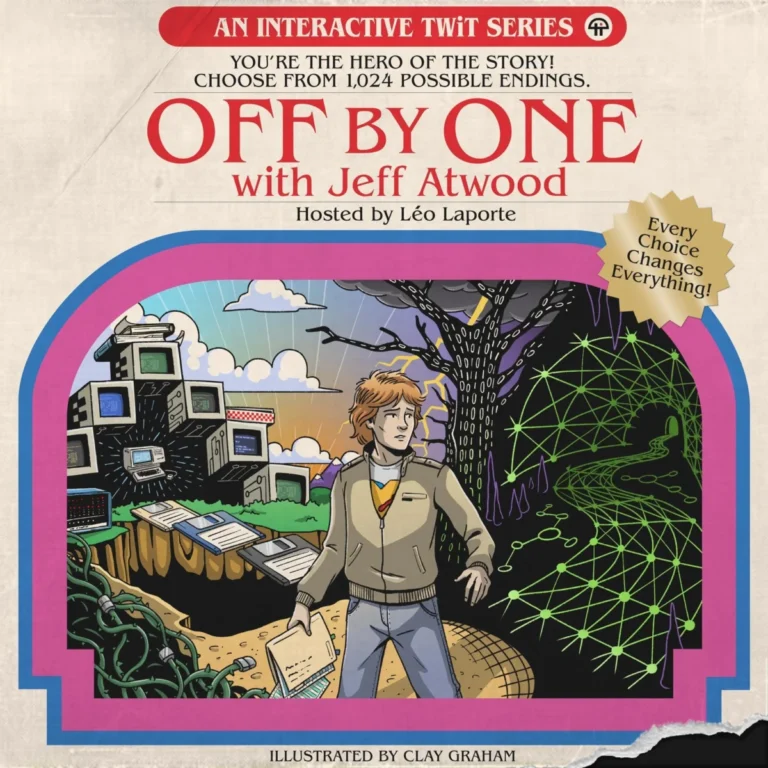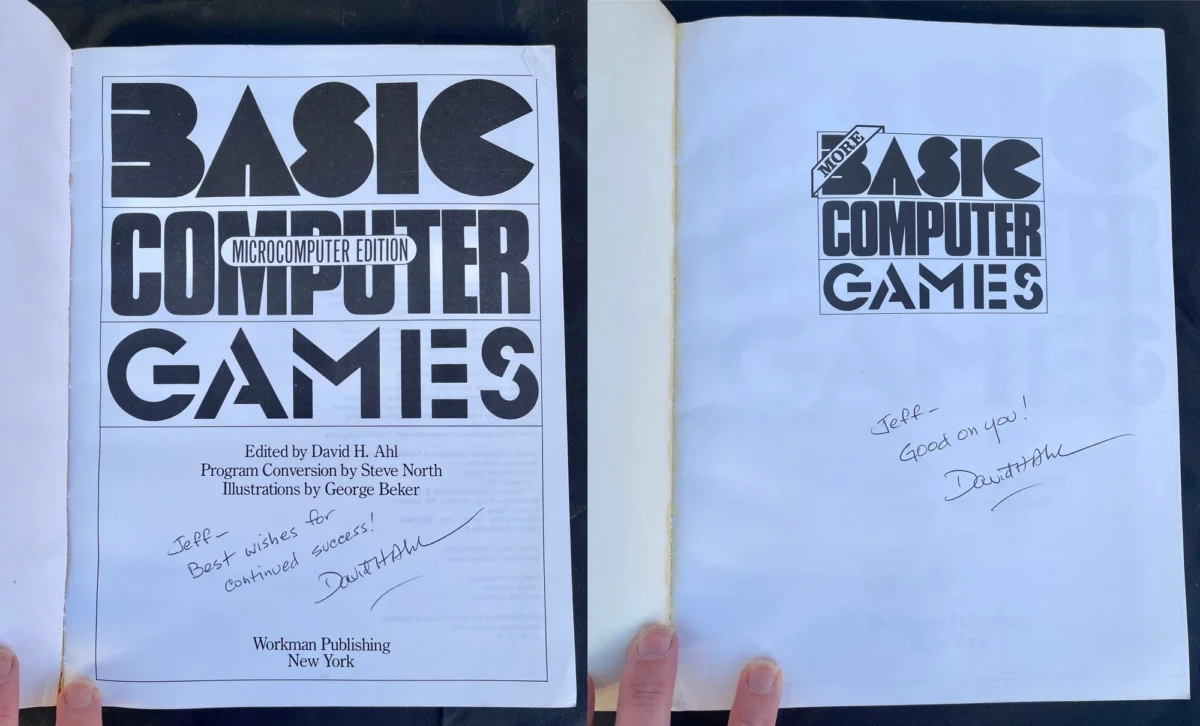
In a significant endeavor to bridge the foundational era of personal computing with contemporary programming practices, technology evangelist Jeff Atwood, known for his influential blog Coding Horror, has spearheaded a collaborative open-source project aimed at modernizing David H. Ahl’s seminal work, 101 BASIC Computer Games. This initiative seeks to update the collection of early programs, which played an instrumental role in shaping the professional trajectories of countless developers, including Atwood himself, for a new generation of programmers using a suite of modern, memory-safe languages. The project, hosted on GitHub, represents a concerted effort to preserve a vital piece of digital heritage while simultaneously advocating for best practices in software development and fostering community engagement.
The Genesis of a Computing Icon: ‘101 BASIC Computer Games’
The story of 101 BASIC Computer Games begins in the nascent stages of personal computing, long before graphical user interfaces and ubiquitous applications defined the user experience. David H. Ahl, a visionary figure in early computer literacy, originally compiled and published the anthology in 1973 through Digital Equipment Corporation (DEC). Ahl’s background included pioneering educational computing efforts and later founding Creative Computing Magazine, a publication that would become highly influential in the nascent personal computer market of the 1970s and 80s. The magazine itself, launched in October 1974, was a testament to Ahl’s relentless drive, with its initial print run of 8,000 copies—far exceeding its 600 subscribers—being personally managed and distributed by Ahl to libraries and schools nationwide. This grassroots effort laid much of the groundwork for widespread computer adoption.
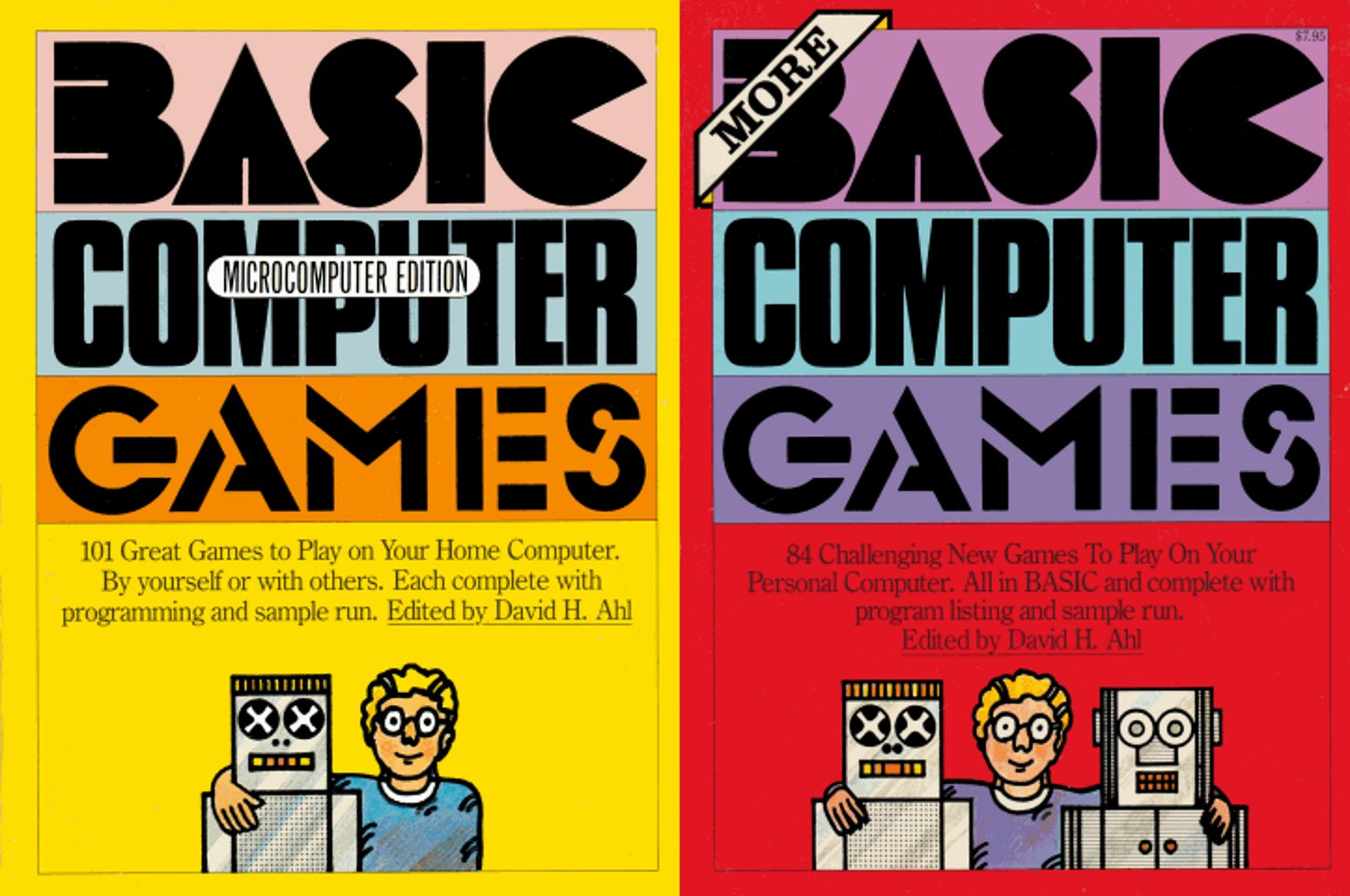
The 101 BASIC Computer Games book, initially a compilation of games and programs from Creative Computing, quickly transcended its origins. It became an unprecedented success, reportedly selling over 10,000 copies in its initial printings. By 1973, this figure was remarkable, as it meant "far more books than there were computers around," with enthusiasts often purchasing multiple copies for a single machine. Its enduring popularity led it to become the first computer book in history to sell over a million copies, cementing its status as a cultural and educational touchstone for an entire generation. For many, this book was the primary, if not sole, gateway to interacting with computers, providing tangible code to input and experiment with.
A Bygone Era: Programming in the 1970s and 80s
The computing landscape into which 101 BASIC Computer Games was born was starkly different from today’s. Early personal computers, such as the Commodore 64, Apple II, or TRS-80, did not boot to a vibrant desktop environment filled with clickable icons. Instead, users were greeted by a stark command-line interface—a blinking cursor on a monochrome screen. This was the user’s primary interaction point, requiring precise textual commands to operate the machine.
Loading programs was an elaborate process. While some fortunate users had access to cassette tape drives or, later, floppy disk drives, these were often expensive add-on options. For a significant portion of early computer enthusiasts, particularly in the mid-1980s when personal computers began to trickle down to the mainstream, the only way to make the computer "do anything" was to manually type in programs. This often meant painstakingly transcribing lines of code from books like 101 BASIC Computer Games directly into the command line. A single misplaced character or typo could render an entire program non-functional, leading to hours of frustrating debugging, often without the benefit of sophisticated development tools.

BASIC (Beginner’s All-purpose Symbolic Instruction Code) was the lingua franca of this era. Designed for simplicity and ease of learning, it allowed users to write simple programs, games, and utilities with relative ease. Its direct, line-numbered structure, while primitive by today’s standards, offered an immediate feedback loop that was crucial for novice programmers. Programs typically involved sequential execution, often relying on GOTO statements for flow control, a practice now largely deprecated in favor of more structured programming paradigms. This hands-on, direct engagement with code, though laborious, fostered a deep understanding of programming logic and machine interaction that is often cited as foundational by veteran developers.
The Need for Modernization: Bridging Decades of Technological Advance
Despite its historical significance, the original BASIC code from 101 BASIC Computer Games presents considerable challenges for modern interpretation and execution. The absence of structured programming elements, such as subroutines or functions, and the reliance on global variables and line numbers, clash fundamentally with contemporary software engineering principles. These older practices, while functional for the limited memory and processing power of early machines, can lead to spaghetti code that is difficult to read, maintain, and debug in complex applications.
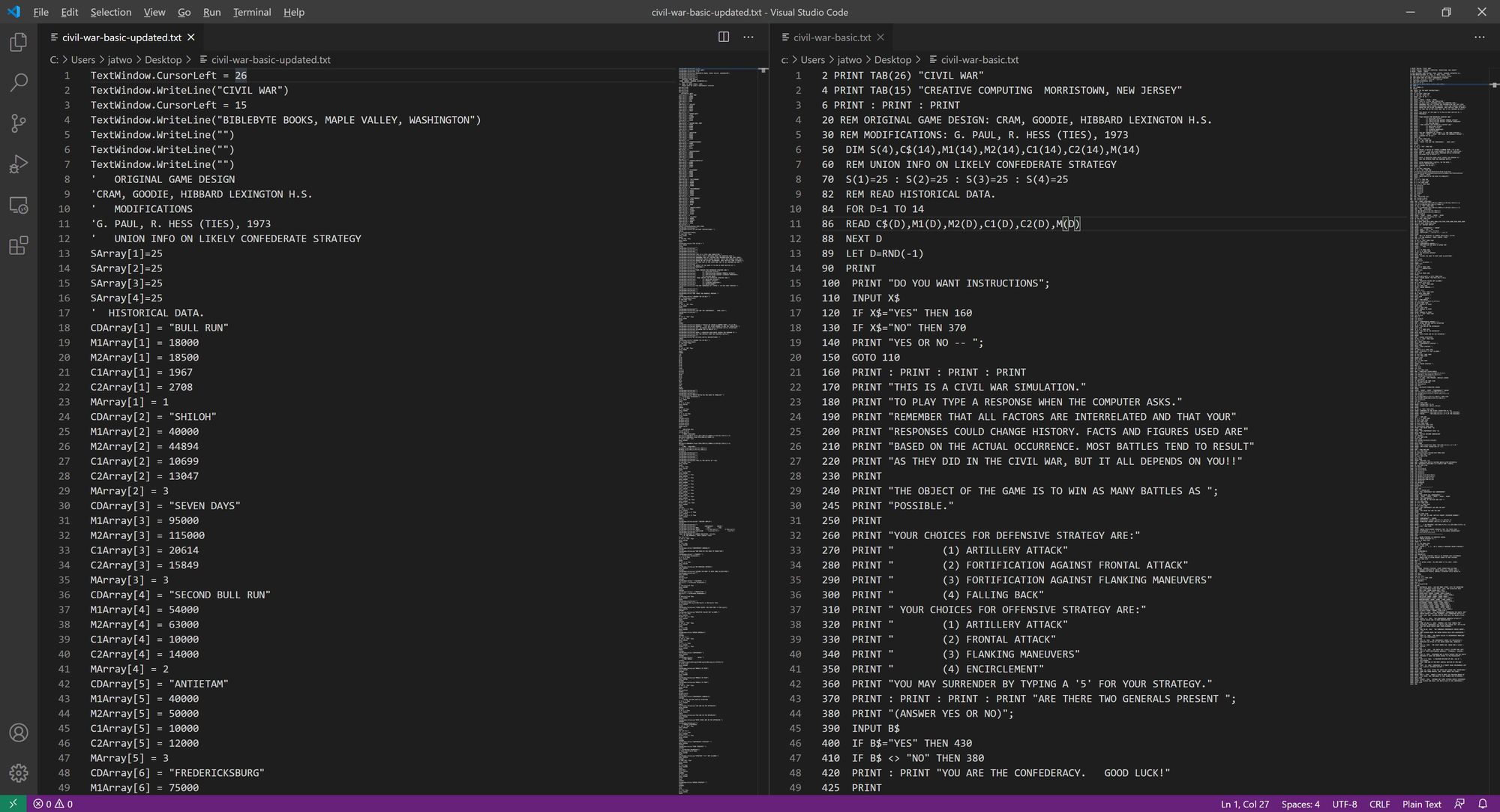
A prior attempt to modernize these programs in 2010 using Microsoft SmallBasic highlighted some of these limitations. While SmallBasic removed the necessity for line numbers, the resulting ports often retained much of the original, unstructured logic, failing to introduce more robust programming constructs. For instance, critical advancements like subroutines—which Jeff Atwood refers to as "the greatest invention in computer science" for their ability to modularize code and reduce redundancy—were conspicuously absent from these modernized versions. This omission meant that the "updated" code still largely reflected the flat, procedural style of the 1970s, offering little in the way of learning modern code practices or demonstrating the evolution of programming paradigms.
The rapid advancements in computing over the last several decades have introduced concepts like memory safety, object-oriented programming, and functional programming, which are now considered standard. Modern languages are designed with features that prevent common errors, enhance security, and promote maintainability. Therefore, a true modernization effort requires not just translation, but a re-engineering that incorporates these evolved principles, making the code relevant and instructional for today’s programmers.
Jeff Atwood’s Vision: A Collaborative Digital Preservation Effort
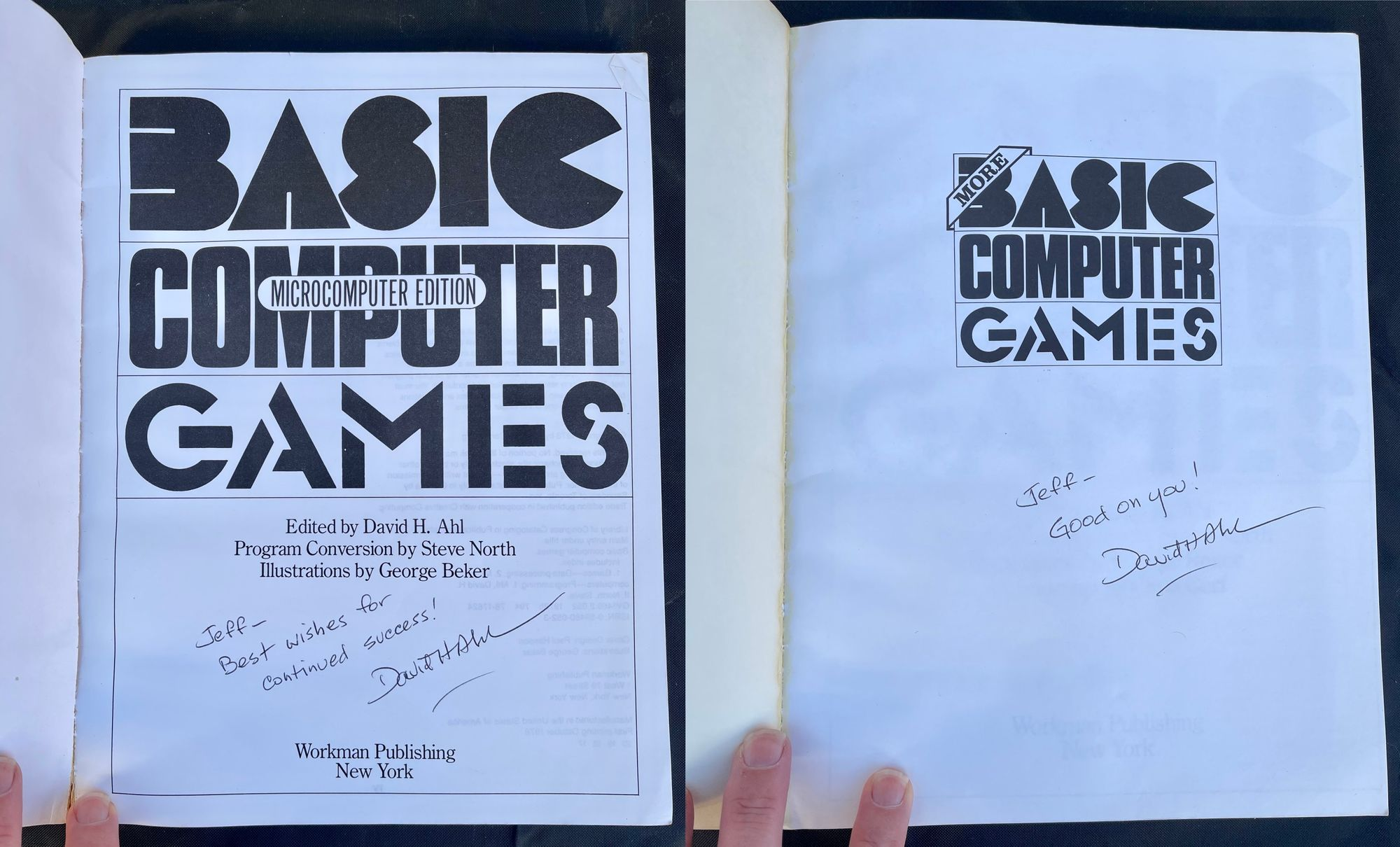
Jeff Atwood’s personal connection to 101 BASIC Computer Games is profound; he openly credits the book, alongside its companion volume, with being "responsible for my entire professional career." This personal history fueled his enthusiasm for undertaking a more comprehensive and principled modernization project. Recognizing the book’s immense legacy and the shortcomings of previous attempts, Atwood reached out directly to David H. Ahl to secure permission for this ambitious undertaking. Ahl’s prompt and gracious approval underscored the mutual recognition of the book’s enduring importance and the value of keeping its spirit alive.
Atwood’s vision for this project is inherently collaborative and open-source, mirroring the distributed nature of modern software development. He launched a public GitHub repository, inviting programmers worldwide to contribute. The project’s core objective is to update all 101 original BASIC games into ten distinct, memory-safe, general-purpose scripting languages. This diverse selection aims to expose the games to a broad spectrum of developers while adhering to contemporary security and maintainability standards.

The initial selection of languages included Python, Ruby, JavaScript, C#, VB.NET, Go, Swift, PHP, and Rust. As of March 2022, the project’s language roster has seen strategic adjustments based on community feedback and evolving industry trends. Kotlin was introduced as an alternative to Java, reflecting its growing popularity and modern features. Pascal, initially considered, was removed due to challenges in guaranteeing memory safety across its various implementations, making way for Rust, a language explicitly designed with robust memory safety guarantees without relying on a garbage collector. Furthermore, Lua, a lightweight and efficient scripting language that recently entered the top 20 of the TIOBE index, was added to meet the criteria of being both scripting-focused and memory-safe. This dynamic adaptation of the language list demonstrates the project’s commitment to staying current and relevant in a rapidly evolving technological landscape.
The Technical Approach: Modern Languages, Enduring Spirit
The technical execution of the 101 BASIC Computer Games modernization project is guided by a dual mandate: to leverage modern programming constructs while faithfully preserving the original spirit and gameplay of these early artifacts. The chosen languages—Python, Ruby, JavaScript, C#, VB.NET, Go, Swift, PHP, Rust, and Lua—represent a spectrum of paradigms and popular uses, from web development to system programming, ensuring broad accessibility and educational value.
A central tenet of this modernization is the rigorous implementation of "memory safe" practices. Memory safety is a critical aspect of modern software engineering, referring to the prevention of programming errors that can lead to vulnerabilities like buffer overflows or use-after-free bugs. By selecting languages that either manage memory automatically (like Python, JavaScript, Go, C#, Ruby, Lua, PHP, Swift) or enforce strict compile-time checks (like Rust), the project aims to produce robust and secure codebases. This contrasts sharply with older languages like C or even the original BASIC, which offered little in the way of inherent memory protection, leaving developers susceptible to common pitfalls.
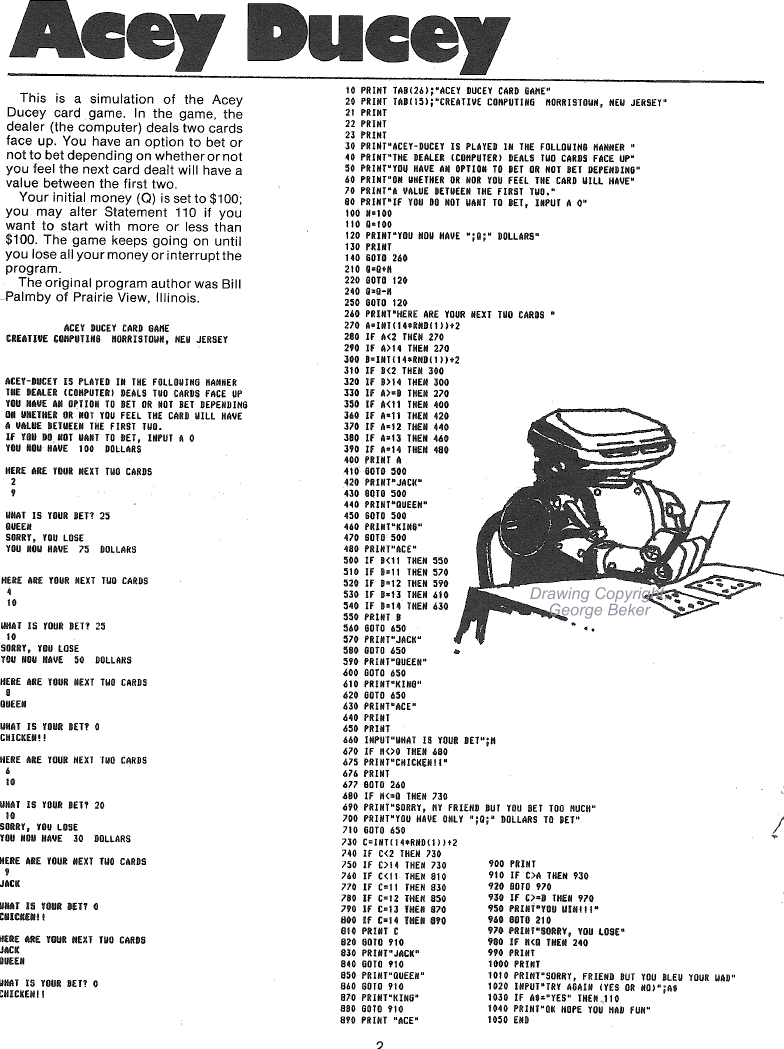
Furthermore, the project emphasizes the adoption of structured programming principles, most notably the widespread use of subroutines (or functions/methods in modern parlance). Instead of direct GOTO jumps that characterized early BASIC, each modernized game is expected to be refactored into modular, readable functions that encapsulate specific pieces of logic. This not only makes the code significantly easier to understand and maintain but also serves as a practical demonstration of fundamental software design patterns for new programmers. The goal is not merely a literal translation but an idiomatic rewrite, where each game reflects the best practices of its target language while remaining true to the simplistic, interactive nature of the original. This includes retaining the original game logic and user experience, which, while primitive by today’s gaming standards, are integral to their historical context.
Community Engagement and Educational Outreach
Atwood’s project is a powerful testament to the collaborative ethos of the open-source community. He explicitly frames the effort as a collective endeavor, a stark contrast to the often-isolated experience of early programmers manually typing code from books in their homes. "Imagine we’re all typing these programs in simultaneously together online, all over the world," Atwood mused, highlighting the communal aspect of modern development. This distributed, global collaboration leverages platforms like GitHub to facilitate contributions, version control, and discussion, creating a vibrant ecosystem for code improvement and peer review.
Beyond the technical contributions, the project carries a significant educational and social mission. To incentivize participation and promote diversity in tech, Atwood pledged a donation of $5 to Girls Who Code for every functioning program submitted in each of the ten designated languages by the end of 2022. Girls Who Code is a non-profit organization dedicated to closing the gender gap in technology, providing education and resources to young women interested in computer science. This financial incentive directly links the preservation of computing history with the fostering of future talent, particularly from underrepresented groups in STEM fields.
The project also offers an opportunity for leadership, with Atwood actively seeking co-owners to help organize and steer the initiative. This distributed leadership model further reinforces the project’s collaborative spirit, ensuring its longevity and broad appeal. Guidelines for contributions are meticulously outlined in the project’s README file on GitHub, and a dedicated discussion forum has been established to address questions and facilitate dialogue among participants. The overarching message to contributors is that "this stuff is supposed to be fun," encapsulating the joy of discovery and creation that 101 BASIC Computer Games originally inspired.
Preserving Digital Heritage and Inspiring Future Generations
The 101 BASIC Computer Games project transcends mere code modernization; it is a critical act of digital preservation. These early games, despite their technical simplicity, are invaluable "precious artifacts of early computing." They offer a direct window into the ingenuity and constraints of a nascent technological era, illustrating how creative problem-solving unfolded with limited resources. The project also ensures the preservation of related historical elements, such as the whimsical original artwork by George Beker, which adorned the book and lent much of its charm.
By updating these programs, the initiative ensures that future generations of programmers, historians, and enthusiasts can interact with and learn from these foundational pieces of software. It provides a tangible link to the pioneers of personal computing, allowing students to trace the evolution of programming languages and methodologies. Understanding where computing came from can provide valuable context and inspiration for where it is headed, fostering an appreciation for the iterative nature of technological progress.
The project’s focus on modern, memory-safe languages also serves an important educational function, introducing contemporary best practices through engaging, historically rich examples. It demonstrates how core programming concepts—like loops, conditionals, and variables—have persisted, even as the tools and paradigms for implementing them have evolved dramatically. This blend of nostalgia and forward-thinking pedagogy positions the project as a unique educational resource for anyone interested in computer science, from beginners to seasoned professionals.
In essence, Jeff Atwood’s collaborative project to update 101 BASIC Computer Games for 2022 and beyond is more than a technical exercise. It is a heartfelt tribute to a pivotal work in computing history, a practical lesson in modern software development, and a forward-looking initiative to inspire and diversify the next wave of technological innovators. By inviting the global programming community to participate, the project transforms a solitary historical act of manual code entry into a collective digital restoration, ensuring that this influential book continues to educate and delight for decades to come.
About the Author