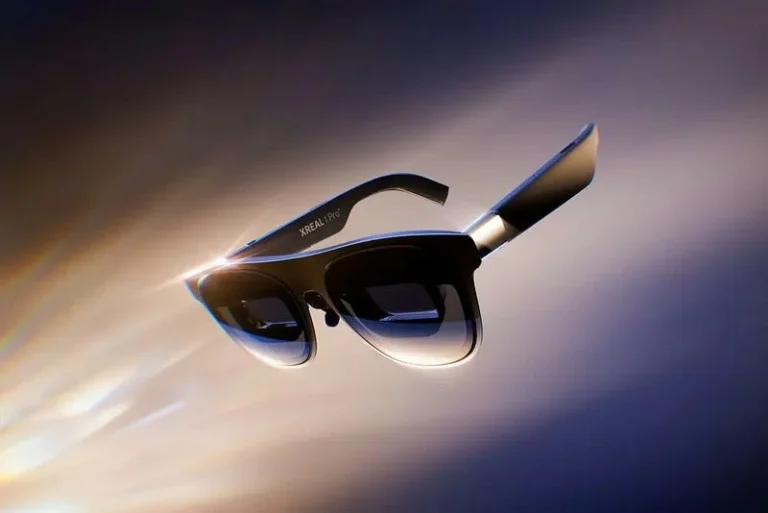
Alibaba Group Holding Limited has officially expanded its hardware portfolio with the introduction of the Qwen N1 series smartglasses, a move that signals the Chinese conglomerate’s deepening commitment to integrating its proprietary generative artificial intelligence into consumer electronics. Launched at a recent technology summit in Hangzhou, the N1 series—comprising the standard N1 and the high-end N1 Pro—represents a strategic pivot toward "AI-first" wearables. Unlike previous iterations of smart eyewear that prioritized heads-up displays, the N1 series focuses on high-fidelity environmental sensing, biometric data collection, and seamless ecosystem integration, positioning itself as a direct competitor to the Meta Ray-Ban smartglasses in the burgeoning global AI wearable market.
Technical Specifications and Hardware Architecture
The flagship Qwen N1 Pro distinguishes itself through a suite of hardware specifications that exceed current industry benchmarks for audio-visual smartglasses. The device is equipped with a 50-megapixel primary camera capable of recording 4K video, a significant upgrade over the 12-megapixel sensors found in competing Western models. This high-resolution imaging is not merely for content creation but serves as the primary data input for Alibaba’s Qwen large language models (LLMs), allowing the glasses to interpret the user’s surroundings with high precision.
Battery performance has also been prioritized to address the "range anxiety" often associated with wearable tech. The N1 Pro offers up to nine hours of continuous music streaming or 25 hours of standby time on a single charge. This longevity is supported by an efficient power management system designed to handle the high computational demands of real-time AI processing. While the standard N1 model omits certain advanced sensors to offer a more accessible price point, both versions maintain a form factor that closely mimics traditional eyewear, eschewing the bulky frames typical of early augmented reality (AR) devices.

Innovation in Eye Tracking and Contextual AI
The most significant technological advancement in the Qwen N1 Pro is the integration of dual 1.7mm micro-cameras dedicated to eye tracking. According to technical documentation released by Alibaba, these sensors achieve an accuracy error of less than one degree. This hardware allows the onboard AI to determine exactly what the wearer is looking at, rather than relying on head-orientation heuristics.
This "gaze-aware" capability transforms the user experience from reactive to proactive. In a retail environment, for instance, the AI can provide pricing or reviews for a specific product the user is inspecting. In industrial or productivity settings, eye tracking allows for hands-free navigation of complex workflows. Furthermore, the eye-tracking module enables iris-based biometric authentication. This security layer is integrated directly with Alipay, allowing users to authorize financial transactions simply by looking at a QR code, ensuring that the device remains secure even if lost or stolen.
Health Monitoring and Biometric Integration
Moving beyond the standard feature set of smartglasses, the N1 Pro incorporates health-monitoring sensors within the nose bridge. These sensors are designed to track heart rate, body temperature, and other vital signs throughout the day. By placing these sensors in contact with the bridge of the nose—a stable point on the human anatomy—Alibaba aims to provide a wellness tracking experience that rivals smartwatches.
The integration of health data into the Qwen AI ecosystem allows the device to offer "stress alerts" or productivity suggestions based on the wearer’s physiological state. If the sensors detect a spike in heart rate or temperature during a work session, the AI assistant can suggest a break or adjust the environmental settings of a connected smart home or office. This convergence of wellness and productivity suggests a broader strategy to make smartglasses an essential daily tool rather than a niche accessory.

Strategic Integration with the Alibaba Ecosystem
The N1 series serves as a physical gateway to Alibaba’s extensive digital infrastructure. The glasses are natively integrated with the Qwen LLM family, which provides real-time translation, voice-activated shopping via Taobao, and navigation services through Amap. In the Chinese market, where Alibaba’s services permeate daily life, this integration offers a level of utility that standalone hardware cannot match.
For example, the glasses can facilitate "look-to-buy" functionality, where the wearer identifies an item in the physical world and the AI locates the product on Alibaba’s e-commerce platforms. The voice assistant is optimized for the nuances of Mandarin and various regional dialects, reflecting the company’s focus on its domestic user base. This ecosystem "lock-in" is a critical component of Alibaba’s strategy to maintain dominance in the face of rising competition from other Chinese tech giants like Baidu and Huawei, who are also exploring the AI wearable space.
Market Positioning and Pricing Strategy
Alibaba has positioned the N1 series as a premium but competitively priced alternative to international offerings. The Qwen N1 Pro is priced at 3,499 yuan (approximately $490 USD), while the standard N1 model is available for 2,999 yuan (approximately $450 USD). At launch, the company offered significant promotional discounts, bringing the entry price down to roughly 2,600 yuan ($365 USD) for the Pro version.
This pricing strategy places the N1 Pro at a higher price point than the Meta Ray-Ban glasses, which start at approximately $299 USD. However, Alibaba justifies the premium through the inclusion of eye tracking and health sensors—features that are currently absent from the Meta platform. Industry analysts note that while the N1 series is currently optimized for the Chinese market, its hardware specifications set a new bar for what consumers may expect from the next generation of AI-enabled eyewear globally.

Chronology of Development and Future Outlook
The launch of the N1 series follows a period of rapid iteration for Alibaba’s hardware division. Earlier this year, the company experimented with smartglasses featuring monochrome displays and swappable battery modules. The decision to remove the display in the N1 series reflects a growing industry consensus that audio-based AI interaction is currently more socially acceptable and technically viable than visual AR for everyday use.
Looking forward, the success of the N1 Pro will likely depend on the expansion of its developer ecosystem. While the device currently operates within Alibaba’s "walled garden," the company has hinted at future APIs that would allow third-party developers to leverage the eye-tracking and health data. Such a move could open the door for specialized applications in medical rehabilitation, professional sports training, and remote industrial maintenance.
Broader Implications and Privacy Considerations
The introduction of high-precision eye tracking and biometric sensors in a consumer wearable raises significant questions regarding data privacy and security. Because eye tracking can reveal subconscious interests and psychological states, the data harvested by the N1 Pro is uniquely sensitive. Alibaba has stated that all biometric data used for authentication is processed locally on the device’s secure enclave, but the broader use of gaze data for AI training remains a point of scrutiny for privacy advocates.
In the global context, the N1 series highlights a growing divergence between Eastern and Western wearable markets. While Western manufacturers are navigating stringent privacy regulations like the GDPR, Chinese firms are moving aggressively to integrate biometrics and AI. As these technologies mature, the Qwen N1 Pro stands as a benchmark for the "all-in-one" wearable, combining the functions of a camera, a smartphone assistant, a health tracker, and a digital wallet into a single pair of frames. Whether this comprehensive approach will gain traction outside of China remains to be seen, but the N1 Pro has undeniably accelerated the technological arms race in the smart eyewear industry.
About the Author