In an era marked by unprecedented industry volatility, where the very word "acquisition" often triggers apprehension among game developers, Atari has charted an idiosyncratic yet demonstrably successful course. While a cascade of major mergers, aggressive roll-ups, and subsequent, devastating layoffs have defined the landscape of video game business from 2020 through 2026, Atari has emerged as a notable outlier, not only continuing its strategic expansion but doing so without resorting to the widespread workforce reductions seen across its peers. This patient, hands-off approach to integrating acquired studios, particularly exemplified by the flourishing trajectory of Nightdive Studios, offers a compelling counter-narrative to the prevailing M&A strategies that have left a trail of shuttered development houses.
The Shifting Sands of Industry Consolidation and Contraction
The period between 2020 and 2022 witnessed an unprecedented wave of consolidation in the gaming industry. Major players like Embracer Group embarked on aggressive acquisition sprees, hoovering up dozens of studios and IPs, often valued in the hundreds of millions or even billions of dollars. Microsoft’s acquisition of Activision Blizzard, Sony’s purchases of Bungie and Haven Studios, and Tencent’s numerous investments signaled a global race for market share, talent, and intellectual property. The underlying assumption was that scale would inherently lead to greater efficiency and profitability.
However, the euphoria of these spending sprees quickly dissipated. By late 2022 and throughout 2023-2026, the industry experienced a brutal reckoning. Over-ambitious growth targets, economic headwinds, and a crowded market led to widespread belt-tightening. Companies that had expanded rapidly found themselves burdened by bloated structures and underperforming assets. The consequence was a barrage of crushing layoffs that impacted tens of thousands of professionals globally. Studios acquired with much fanfare were unceremoniously closed, and entire divisions were restructured or eliminated. Xbox, PlayStation, Embracer Group, and even smaller, once-stable studios like Sucker Punch Productions (known for Ghost of Tsushima), announced significant workforce reductions, citing the need to "align with current market" realities and "future growth." This created a climate of deep mistrust and uncertainty around corporate acquisitions, as the promise of stability often devolved into job insecurity.
Atari’s Calculated Reinvigoration and Strategic Investments
Against this backdrop of industry contraction, Atari, a name synonymous with the dawn of video gaming, has quietly pursued a distinct strategy. After decades of fluctuating fortunes, including periods of bankruptcy and multiple ownership changes, the company has, in recent years, embarked on a deliberate mission to revitalize its brand and catalog. This revitalization is not solely focused on its classic arcade titles but extends to strategic investments in companies that complement its vision, often centered around digital preservation, retro gaming, and unique mobile experiences.
Atari’s recent acquisitions, though modest in comparison to the multi-billion-dollar deals of industry titans, represent a calculated investment in niche yet valuable segments of the market. These include:
- Hipster Whale: The developer behind the immensely popular mobile title Crossy Road, acquired for a reported figure in the millions, signaling Atari’s interest in successful, enduring mobile IPs.
- MobyGames: The venerable online video game database, purchased for $1.5 million, underscoring Atari’s commitment to gaming history and data.
- Digital Eclipse: A renowned preservation and restoration studio, acquired for up to $20 million, known for its meticulous work on classic game compilations.
- Nightdive Studios: The subject of much discussion, acquired for up to $19.5 million, specializing in remasters and remakes of beloved retro titles.
These transactions, ranging from $1 million to $40 million, indicate a focused rather than indiscriminate spending spree. While Atari’s consolidated financial results have shown some net losses in certain periods, partly attributed to investments like that in Thunderful Group, its core business operations have reportedly returned to profit. This financial stability, even amidst broader market challenges, is crucial to understanding the viability of its acquisition philosophy. The key, according to Nightdive CEO Stephen Kick, lies in Atari’s remarkably non-interventionist approach.
Nightdive Studios: A Beacon of Autonomy Under Atari
Speaking at PAX West 2026, Stephen Kick offered a rare positive perspective on life post-acquisition. He described Nightdive’s experience under Atari as "really well," highlighting the benefits of having corporate support without creative interference. Atari, he explained, has effectively streamlined logistical hurdles, taking over responsibilities like payroll management, tax duties, and other operational complexities that are not "game development centric." This strategic offloading allows Nightdive’s team to focus entirely on their core competency: bringing classic games back to life.
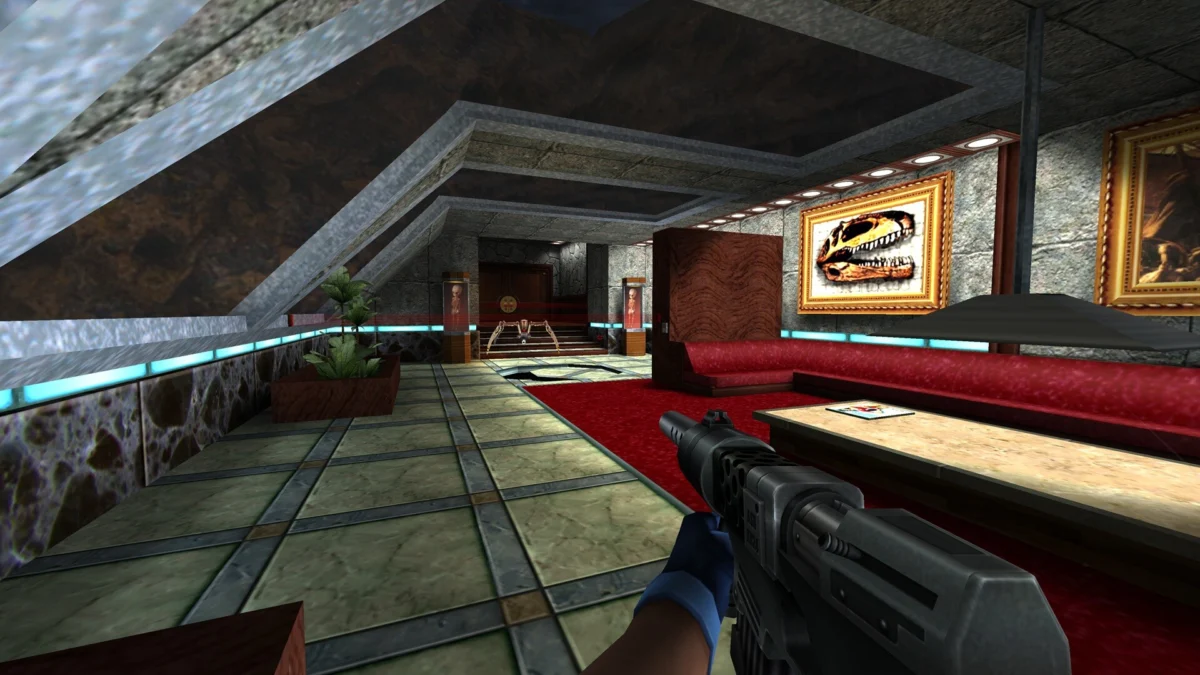
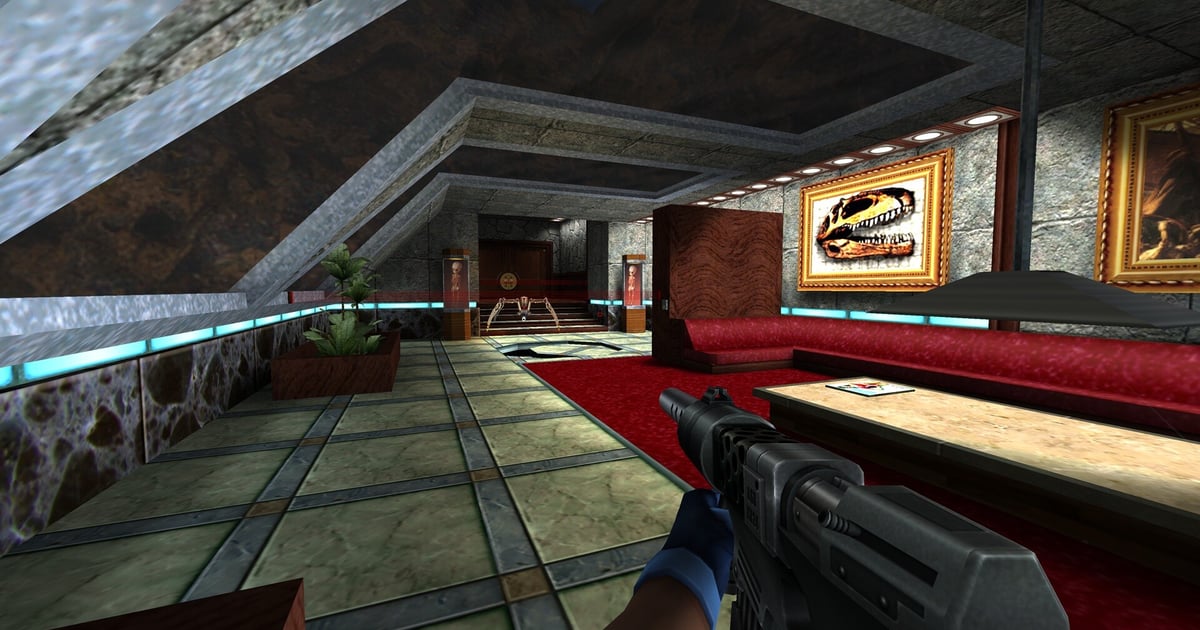
Nightdive Studios’ expertise lies in its meticulous process of unearthing and restoring forgotten gaming treasures. Their teams delve into the archives of long-defunct studios, often sifting through incomplete source code, fragmented assets, and scarce documentation to reconstruct and modernize titles like SiN Reloaded, Blood: Fresh Supply, and the critically acclaimed System Shock Remake. This specialized mission requires a deep understanding of legacy technology, a passion for digital archaeology, and a highly focused development pipeline.
Kick’s positive outlook stands in stark contrast to the grim realities faced by many other acquired studios. His insights are particularly potent because, in his line of work studying the histories of doomed studios, he has identified a consistent, destructive pattern: companies that impose radical changes on newly acquired teams, forcing them to abandon their established practices or pivot to developing trends, are often the very ones that end up closing those studios years later.
The "EA Graveyard": A Case Study in Misguided Integration
Kick’s observations find a stark illustration in the history of Electronic Arts (EA), a publisher frequently cited in industry circles for its track record of acquiring successful studios only to witness their eventual decline or closure. Just weeks after Kick’s interview, EA made headlines by shutting down BioWare, the celebrated developer behind iconic franchises like Mass Effect and Dragon Age, after a 19-year tenure under the publisher.
BioWare’s fate is not an isolated incident. The "EA graveyard" includes a roster of once-legendary studios:
- Bullfrog Productions (Acquired 1995, effectively defunct by 2001): Creators of innovative titles like Populous and Dungeon Keeper, Bullfrog gradually lost its creative autonomy under EA, with key talent departing and projects being cancelled or re-scoped.
- Westwood Studios (Acquired 1998, closed 2003): Pioneers of real-time strategy with the Command & Conquer series and acclaimed RPGs like Blade Runner, Westwood was absorbed into EA, losing its distinct identity before being shuttered, with many employees transitioned to other EA studios.
- Mythic Entertainment (Acquired 2006, closed 2014): Known for the successful MMORPG Dark Age of Camelot, Mythic was tasked with developing Warhammer Online: Age of Reckoning and later mobile titles, before facing multiple restructurings and ultimate closure.
Kick articulated the core problem: "These are companies that were on the forefront of creating these amazing, varied experiences from title to title, and doing whatever it was they felt creatively fulfilled by. They got acquired and then suddenly it’s ‘you can’t do that anymore, you’re going to work on this one thing.’"
Former employees of these studios have consistently echoed Kick’s sentiment. BioWare, despite its longevity under EA, eventually succumbed to similar pressures. Reports from former staff indicated that EA’s relentless pursuit of live service revenue streams often clashed with BioWare’s core strengths in crafting narrative-driven, single-player role-playing games. The alleged late pivot of Dragon Age: The Veilguard away from a live service model, after significant development, exemplifies this internal struggle and the publisher’s influence on creative direction.
Kick succinctly summarized this widespread industry failing: "When a triple-A or first-party publisher sees a team with a lot of potential and success, they often go out, they acquire them, and [don’t] let them continue to do what made them successful in the first place. They tried to fit that square peg into a round hole within their system." He emphasized that this practice is a "disservice" to the acquired studios, arguing that they should be "allowed to stretch their creative muscles and do what it was they enjoyed doing, because that’s where their success comes from."
Rewarding Studio Strengths: Nightdive’s Ecosystem Advantage
While some might argue that allowing studios complete autonomy might be risky for large corporations seeking financial dividends, Atari’s strategy with Nightdive, Digital Eclipse, and Implicit Conversions demonstrates a long-term vision that rewards specialized strengths. By enabling these subsidiaries to operate within their established lanes, Atari fosters an environment where niche expertise can thrive and even cultivate new audiences.
Nightdive’s success, in particular, illustrates how a patient investment in digital preservation can yield unexpected returns. Thanks to the natural evolution of gaming culture and audience tastes, Nightdive’s meticulously remastered classic titles now find a receptive audience among fans of modern games that draw direct inspiration from these very classics. Kick described this as an "ecosystem" where old and new titles coexist in the same market segment.
He specifically praised publishers like New Blood Interactive for their investment in the "boomer shooter" genre. This movement, characterized by fast-paced, often gory, retro-inspired first-person shooters, has introduced a new generation of players to the aesthetic and gameplay mechanics of titles like SiN Reloaded and Blood: Fresh Supply. A quick glance at the Steam page for Blood: Fresh Supply reveals recommendations for modern games such as Ultrakill and the Warhammer Boltgun series, both clear homages to the golden age of FPS gaming.
"I think that really helped solidify this community of people that wanted to play games like [those]," Kick observed. "They provide the new experiences in that arena, and we bring back the old ones that inspired it. It’s this complimentary cycle of ‘here’s a game that you probably heard of but could never play, and then here’s a new one that is clearly inspired by that.’"
This symbiotic relationship demonstrates the enduring value of foundational titles. Nightdive’s work ensures these classics remain accessible and playable, while modern developers innovate upon their legacy, creating a continuous loop of discovery and appreciation. Atari’s foresight in recognizing and supporting this "complimentary cycle" has allowed Nightdive to not only survive but thrive, connecting historical gaming with contemporary trends.
Implications for a Sustainable Future in Gaming M&A
Atari’s model, as articulated by Stephen Kick, might not be a universal blueprint for every acquisition, particularly for those involving vastly different genres or business models. However, it offers profound lessons for the broader industry, especially in the wake of widespread failures stemming from aggressive, short-sighted consolidation.
The core implication is that sustainable growth in the gaming sector, particularly through M&A, may lie less in forced integration and more in strategic autonomy. By allowing acquired studios to retain their unique identities, development methodologies, and creative freedom, parent companies can foster innovation, maintain morale, and tap into specialized market segments that might otherwise be overlooked or diluted by corporate mandates.
This long-term perspective acknowledges that audience tastes are cyclical and that what might seem "tired and stale" today can become "fresh and revitalized" tomorrow. Digital preservation, niche genres, and specialized development skills, when nurtured rather than suppressed, can generate enduring value and foster passionate communities. Atari’s journey with Nightdive Studios stands as a testament to the power of patience, respect for creative integrity, and a clear understanding of an acquired studio’s inherent strengths—a refreshing narrative in an industry often dominated by rapid consumption and abrupt discard. The success of this approach could very well influence future M&A strategies, pushing for a more thoughtful, less interventionist paradigm that prioritizes sustained creative output over immediate, often disruptive, financial restructuring.
About the Author