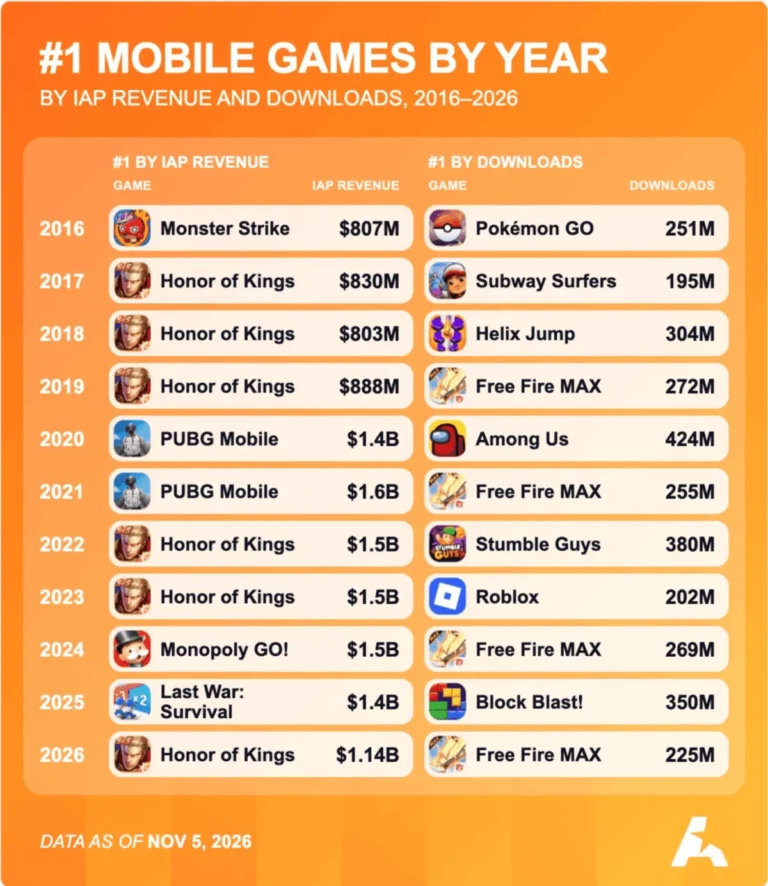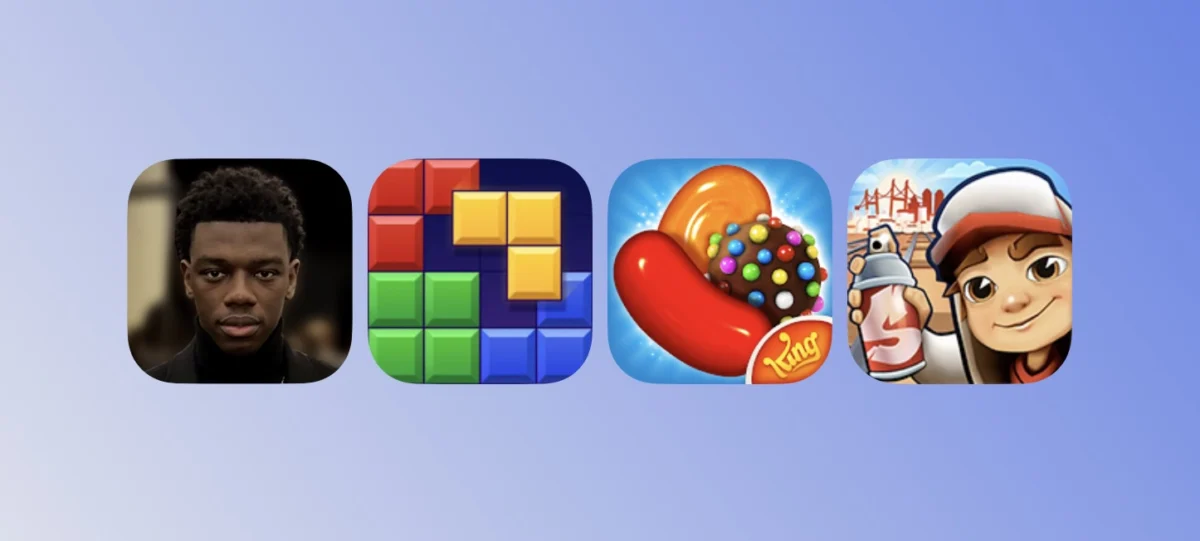
The mobile gaming industry, currently valued at over $100 billion globally, is facing a new wave of public scrutiny as a tech creator known as Ayoships has begun publishing detailed forensic breakdowns of how some of the world’s most popular applications operate behind the scenes. Ayo Omolewa, a data scientist and the founder of the tech firm a0.dev, has garnered millions of views across TikTok and Instagram by claiming to have reverse-engineered the source code of viral hits such as Block Blast, Subway Surfers, and Candy Crush Saga. His findings, which he describes as an "exposure of dark patterns," suggest that these games are not merely entertainment products but are highly sophisticated data-harvesting engines designed to manipulate player behavior for maximum financial gain.
Omolewa’s investigations utilize a process known as decompilation, where a programmer takes a finished executable file and translates it back into a human-readable programming language. This allows for an audit of the underlying logic that dictates when ads appear, how difficulty is scaled, and what specific data points are being tracked by the developer. By translating complex algorithms into digestible social media content, Omolewa has bridged the gap between high-level software engineering and general consumer awareness, sparking a broader conversation about the ethics of "freemium" game design.
The Case of Block Blast: An Alleged Ad Harvest Loop
The most prominent of Omolewa’s investigations focuses on Block Blast, a puzzle game developed by Hungry Studio. In a video that has amassed over 1.4 million likes on Instagram and 1.6 million views on TikTok, Omolewa alleges that the game’s core loop is fundamentally "rigged." According to his analysis of the code, Block Blast utilizes a system of dynamic difficulty adjustment (DDA) that is not designed to challenge the player’s skill, but rather to optimize the timing of advertisements.
Omolewa claims that the game monitors player performance to identify when a user has entered a "flow state"—a psychological condition where the player is highly engaged and likely to continue playing. Once this state is achieved, the algorithm reportedly serves the player an "impossible level" where the required blocks to clear a line simply do not spawn. This forced failure serves a specific economic purpose: it triggers a mandatory advertisement at the exact moment the player’s dopamine levels are highest and their desire to "try again" is at its peak. Omolewa concludes in his breakdown that the game is effectively an "ad harvest with a rigged loop built to squeeze every penny out of the user."
The technical blog post accompanying the video goes further, suggesting that Hungry Studio profiles each player based on their interactions and device metadata. This allows the game to serve personally optimized ads, ensuring that the "fill rate" (the frequency of ads served) and the "eCPM" (effective cost per mille, or revenue per thousand impressions) are maximized for every individual user session.
Subway Surfers and the 158 Attribute Trackers
Following the success of his Block Blast analysis, Omolewa turned his attention to Sybo’s Subway Surfers, one of the most downloaded mobile games in history. While the game is often praised for its longevity and simple mechanics, Omolewa’s decompilation suggests a staggering level of backend surveillance. He alleges that the game tracks players based on 158 different attribute trackers.
These trackers reportedly monitor everything from device hardware specifications to granular in-game behaviors. The data is then allegedly fed into an engine that determines the pricing of items in the game’s virtual shop. This practice, often referred to as "dynamic pricing," means that two different players might see different prices for the same digital item based on the algorithm’s assessment of their "willingness to pay." Furthermore, Omolewa claims that these attributes dictate the specific timing and content of ads, creating a bespoke experience designed to keep the player inside the app for as long as possible while extracting the maximum data value.
The Subway Surfers video has resonated deeply with the gaming community, generating over 600,000 views on TikTok and tens of thousands of likes on Instagram. It highlights a growing concern in the tech industry regarding "surveillance gaming," where the primary product is not the game itself, but the user data generated during play.
Candy Crush Saga and the Pass Proximity Metric
The most recent investigation by Ayoships targets King’s Candy Crush Saga, a pioneer in the "match-three" genre and a cornerstone of the mobile gaming economy. Omolewa’s analysis of the King hit focuses on the concept of "Pass Proximity." According to his findings, the game’s algorithm tracks exactly how close a player is to winning a level—specifically how many moves are left versus how many objectives remain.
If a player is within a specific "proximity" to winning but ultimately fails, the game is allegedly programmed to immediately serve a highly targeted in-app purchase (IAP) prompt or an ad for "extra moves." Omolewa suggests that King’s algorithms are designed to be "dynamic," making levels easier if a player has been losing for a long period (to prevent churn) and significantly tougher if a player is progressing "too well" (to encourage the purchase of boosters). This psychological engineering ensures that the player remains in a state of perpetual "near-miss," a tactic frequently used in the gambling industry to encourage continued play.
Technical and Regulatory Context: The Rise of Dark Patterns
The tactics described by Omolewa fall under the category of "dark patterns," a term coined by user experience (UX) researcher Harry Brignull in 2010. Dark patterns are interfaces and algorithms designed to trick users into doing things they might not otherwise do, such as spending money, sharing data, or spending excessive time on a platform.
In the context of mobile gaming, these patterns have become increasingly sophisticated. The use of Dynamic Difficulty Adjustment (DDA) is a known industry practice; companies like Electronic Arts (EA) have even filed patents for DDA systems designed to "optimize player engagement." However, Omolewa’s claims go a step further by suggesting that these systems are being used not just for engagement, but for predatory monetization.
From a regulatory standpoint, these revelations come at a sensitive time. The Federal Trade Commission (FTC) in the United States and the European Commission have both signaled increased interest in regulating "deceptive design" in digital products. In 2022, the FTC fined Epic Games $520 million over allegations of "dark patterns" and billing practices in Fortnite. Omolewa’s work provides a rare glimpse into the code-level reality of these practices, potentially providing a roadmap for future regulatory investigations.
Industry Silence and Potential Implications
In the wake of these viral videos, the response from the gaming industry has been notably quiet. Ayoships, Hungry Studio, Sybo, and King were all contacted for comment regarding the allegations of rigged loops and excessive data tracking. At the time of publication, none of the companies have provided an official statement. This lack of response is common in the tech sector when proprietary algorithms are challenged, as companies often cite trade secrets to avoid disclosing the inner workings of their monetization engines.
The implications of Omolewa’s work are twofold. For consumers, it serves as a "digital literacy" campaign, encouraging players to look more critically at the apps they download and the time they spend within them. For the gaming industry, it represents a significant PR challenge. As more technical experts like Omolewa gain a platform to "decompile" the business models of major studios, the industry may face a "transparency crisis."
Chronology of the Ayoships Revelations
The timeline of Omolewa’s viral investigative series reflects a rapid escalation in both technical depth and public interest:
- Early 2024: Ayo Omolewa, under the handle Ayoships, begins posting content focused on data science and software engineering, establishing a reputation for technical expertise.
- May 2024: The "Block Blast" investigation is released. It becomes an overnight sensation, drawing attention to the "ad harvest" model and forced failure mechanics.
- June 2024: Omolewa launches his official website and the a0.dev platform, providing long-form technical blogs to supplement his short-form video content.
- July 2024: The "Subway Surfers" breakdown is published, shifting the focus from ad loops to mass data profiling and the use of 158 unique tracking attributes.
- August 2024: The "Candy Crush Saga" analysis goes viral, highlighting the "Pass Proximity" metric and the psychological engineering of "near-miss" failures.
- Late 2024: Ayoships continues to solicit suggestions from his millions of followers for which "viral apps" he should decompile next, indicating a long-term commitment to this investigative format.
Fact-Based Analysis of the Mobile Landscape
The data provided by Ayoships aligns with broader industry trends. According to a 2023 report by Data.ai, mobile users now spend an average of five hours per day on their devices, with gaming accounting for a significant portion of that time. As the market becomes saturated, the cost of acquiring a new user (CPI) has skyrocketed. Consequently, developers are under immense pressure to increase the "Lifetime Value" (LTV) of each player.
Omolewa’s findings suggest that this pressure has led to a "zero-sum game" between developers and players. If a game is truly "free to play," the revenue must come from somewhere—either from the sale of user data or from the engineered frustration that leads to in-app purchases. By exposing the code that drives these outcomes, Omolewa is challenging the industry’s "black box" approach to monetization.
While some defenders of the industry argue that these tactics are necessary to keep games free for the masses, the ethical line becomes blurred when the target audience includes children and vulnerable populations. The transparency brought about by code decompilation may eventually force a shift in how mobile games are designed, moving away from "harvesting" and back toward value-based entertainment. For now, the millions of views on Ayoships’ profiles suggest that the public is increasingly eager to see what lies beneath the surface of their favorite digital pastimes.
About the Author