From the inaugural melodic pulse accompanying ThatGamecompany’s seminal indie title flOw to the symphonic grandeur that defines the aural landscape of Aliens Fireteam Elite 2, composer Austin Wintory has undeniably carved an indelible path within the expansive realm of video game soundtracks. His distinguished career is not merely predicated on the consistent delivery of high-calibre scores that profoundly elevate the gameplay experience, but equally on his steadfast advocacy for enhanced collaborative synergy between the diverse artistic and engineering disciplines that converge to animate video games. This commitment to fostering a more integrated development environment positions Wintory not only as a prodigious musical talent but also as a significant thought leader within the interactive entertainment industry.
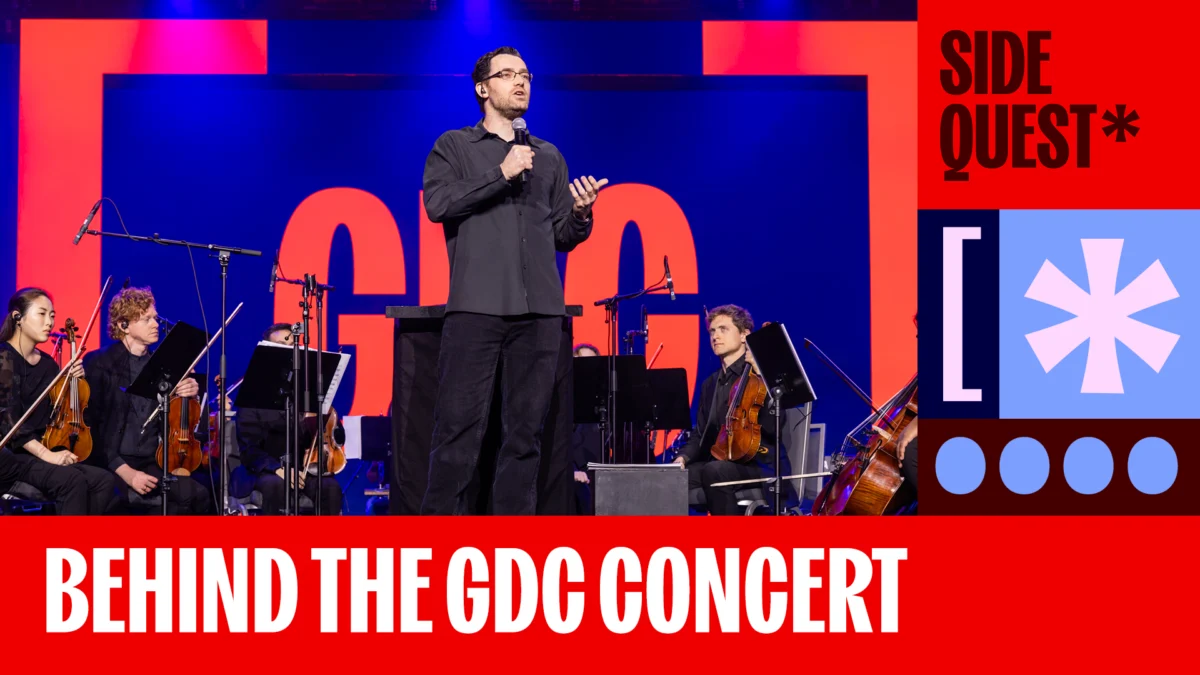
Now, as the annual GDC Festival of Gaming convenes, Wintory is poised to host what is widely anticipated as the quintessential musical highlight of the week: the Developer’s Concert. This performance transcends the traditional concert format, presenting a unique amalgamation of insightful monologues delivered by Wintory himself, complemented by contributions from esteemed special guests. The event is meticulously designed to traverse and celebrate the multifaceted genres of video game music, serving as a profound tribute to the arduous dedication and creative ingenuity invested in the creation of video games. In a significant pre-festival engagement, Beth Elderkin, Content Marketing Manager for the GDC Festival of Gaming, recently conducted an in-depth interview with Wintory for the "GDC Side Quest" podcast. This conversation delved into the intricate process of curating the Developer’s Concert, explored the trajectory of Wintory’s illustrious career in video game composing, and examined the crucial nexus where his artistic endeavours intersect with the intricate art and business of video game development.
Austin Wintory: A Visionary in Interactive Scoring
Austin Wintory’s journey in video game composition commenced with an early recognition of the unique potential for music within interactive media. His early work on flOw (2006) showcased a minimalist yet deeply immersive approach, demonstrating how subtle auditory cues could guide player emotion and engagement without overwhelming the visual experience. This foundational work laid the groundwork for a career characterized by innovation and a deep understanding of the player’s psychological connection to sound. However, it was his groundbreaking score for ThatGamecompany’s Journey (2012) that propelled him into global prominence, earning him the distinction of being the first composer to receive a Grammy Award nomination for a video game score. This nomination represented a watershed moment, not just for Wintory, but for the entire video game music industry, signifying a critical validation of game scores as legitimate artistic achievements on par with film and traditional orchestral works.
Beyond Journey, Wintory’s extensive portfolio includes critically acclaimed works for titles such as The Banner Saga series, where his evocative folk-inspired compositions brought depth to a Viking-esque epic, and Abzû, a spiritual successor to Journey that featured a breathtaking underwater symphony. His versatility is further demonstrated by his contributions to more action-oriented titles like Aliens Fireteam Elite 2, where his scores provide a propulsive and tension-filled backdrop. Wintory’s unique compositional philosophy often involves creating dynamic scores that adapt in real-time to player actions and narrative developments, ensuring that the music is not merely an accompaniment but an integral, responsive component of the interactive experience. This approach necessitates a close partnership with game designers and programmers, directly informing his advocacy for improved cross-disciplinary collaboration. He frequently articulates the necessity for composers to be integrated earlier and more deeply into the development cycle, arguing that this fosters a more cohesive artistic vision and ultimately enhances the player’s immersion.
The GDC Developer’s Concert: A Showcase of Industry Talent
The Developer’s Concert, spearheaded by Austin Wintory, has evolved into a highly anticipated annual fixture at the Game Developers Conference (GDC). Its inception aimed to provide a dedicated platform to celebrate the often-underrecognized artistry and technical prowess involved in crafting video game soundtracks. Unlike conventional concerts, this event is curated to offer a multifaceted experience, blending live musical performances with personal anecdotes and professional insights from Wintory and his invited guests. These monologues often delve into the creative process, the challenges faced during development, and the unique opportunities presented by interactive scoring.
The concert’s structure is designed to explore a broad spectrum of video game music genres, ranging from orchestral epics and electronic soundscapes to ambient textures and innovative fusions. This diverse presentation not only entertains but also educates the audience on the rich tapestry of musical styles that define the industry. The "can’t-miss" designation of the concert by attendees and organizers alike underscores its significance as a focal point for the GDC community, offering a moment of collective appreciation for the artistic contributions that underpin successful game development. It serves as a powerful reminder that while technology and gameplay mechanics are crucial, the emotional resonance delivered by a well-crafted score is often what truly distinguishes an unforgettable gaming experience. Organizers of GDC frequently emphasize that events like the Developer’s Concert are vital for fostering community spirit and acknowledging the human element behind technological marvels.
GDC Festival of Gaming: The Nexus of Innovation and Collaboration
The Game Developers Conference (GDC), of which the GDC Festival of Gaming is a prominent part, stands as the world’s largest and longest-running professional event dedicated to the advancement of the game development industry. Annually attracting tens of thousands of industry professionals, GDC serves as an unparalleled forum for learning, inspiration, and networking. Its comprehensive program encompasses lectures, panels, tutorials, and roundtables delivered by leading experts on a wide array of topics, including programming, design, art, production, business & marketing, and audio.
The conference’s historical trajectory dates back to 1988, when it was initially conceived as a small gathering of developers sharing insights. Over the decades, it has grown exponentially, mirroring the rapid expansion and increasing sophistication of the video game industry itself. GDC’s core mission is to empower developers with the knowledge and connections necessary to hone their craft, overcome technical challenges, and navigate the evolving business landscape. In this context, the Developer’s Concert plays a crucial role in highlighting the artistic and creative dimensions of game development, balancing the technical and business-focused discussions that dominate much of the conference. It reinforces the idea that game development is a holistic endeavour, where art and engineering must harmoniously coexist and elevate one another. The concert, therefore, not only celebrates music but also reinforces GDC’s broader message of interdisciplinary excellence.
The GDC Side Quest Interview: Curating Creativity and Career Insights
The "GDC Side Quest" podcast, hosted by GDC Festival of Gaming Marketing Manager Beth Elderkin, offers an intimate look into the minds of industry figures. The recent episode featuring Austin Wintory provides a timely and insightful precursor to the Developer’s Concert. The conversation’s focus on curating the concert illuminates the meticulous planning and artistic vision required to assemble such a diverse and engaging musical program. Wintory likely shared insights into selecting pieces that resonate with the developer community, the challenges of adapting game scores for live performance, and the process of collaborating with guest artists and musicians.
Furthermore, the interview delved into Wintory’s extensive career, offering listeners a chronological perspective on his evolution as a composer. Discussions would naturally touch upon key milestones, pivotal creative decisions, and the lessons learned from working on a diverse range of projects. A critical aspect of the conversation was undoubtedly the intersection of Wintory’s work with the art and business of video game development. This segment would explore the commercial realities faced by composers, the negotiation of contracts, intellectual property rights, and the strategic decisions involved in building a sustainable career in a competitive industry. Wintory’s unique position, having achieved both critical acclaim and commercial success, provides him with a valuable perspective on balancing artistic integrity with market demands. This kind of dialogue, facilitated by GDC Side Quest, offers invaluable professional development insights for aspiring and established game developers alike.
The Ascendance of Video Game Music and its Broader Industry Impact
The recognition of video game music as a distinct and powerful art form has steadily grown over the past two decades, moving from a niche interest to a significant cultural phenomenon. Once largely confined to the background, game scores now regularly feature in mainstream discussions, with live orchestral performances of game music selling out major concert halls worldwide. The Grammy nomination for Journey‘s score, a direct testament to Wintory’s genius, served as a potent catalyst in this ongoing cultural shift.
Today, video game soundtracks are not only celebrated for their artistic merit but also recognized for their profound impact on player engagement and the overall commercial success of titles. The global video game market, estimated to be well over $200 billion annually, heavily relies on immersive experiences, where sound and music play an indispensable role. Events like the Developer’s Concert contribute significantly to this broader trend by elevating the profile of game music and celebrating the composers who create it. They foster a sense of pride within the industry and encourage new talent to pursue careers in interactive scoring. Moreover, by showcasing diverse musical genres, the concert implicitly advocates for greater sonic experimentation and innovation within game development. This contributes to a richer and more varied artistic landscape for players and creators alike.
The Game Developer Podcast: A Pillar of Industry Insight
Complementing the GDC Festival of Gaming’s live events and the "GDC Side Quest" series, "The Game Developer podcast" stands as a vital bi-weekly resource for the global game development community. Hosted by Bryant Francis, with editing by Pierre Landriau and featuring music by Mike Meehan, the podcast offers an in-depth chronicle of the triumphs, challenges, and myriad experiences that define game development. Its mission is explicitly to share practical lessons and effective strategies that fellow developers can leverage to refine their craft and navigate the complexities of the industry.
By providing a platform for detailed discussions with industry veterans and emerging talents, the podcast contributes significantly to the ongoing professional development of developers worldwide. It covers a vast spectrum of topics, from technical programming challenges and innovative design philosophies to effective team management and successful marketing strategies. The "GDC Side Quest" specifically, hosted by Beth Elderkin, extends this mission by focusing on key events and individuals associated with the GDC Festival, providing timely context and deeper insights into the conference’s offerings. The podcast, alongside other initiatives, underscores the commitment of Game Developer and GDC Festival of Gaming (sibling organizations under Informa Festivals) to foster a well-informed, connected, and continuously evolving game development ecosystem. These platforms further reinforce the collaborative spirit that Austin Wintory champions, providing avenues for shared knowledge and mutual growth within the dynamic world of interactive entertainment.
Broader Implications and the Future Trajectory of Game Music
The enduring impact of figures like Austin Wintory and the continued success of events such as the GDC Developer’s Concert extend far beyond individual artistic achievements. They represent a powerful affirmation of the maturity and cultural significance of the video game medium. Wintory’s advocacy for enhanced collaboration between creative and technical teams sets a precedent for industry best practices, potentially leading to more harmonious development cycles and ultimately, higher quality interactive experiences. When composers are integrated early and deeply into the design process, the music can evolve organically with the game’s narrative and mechanics, rather than being an overlaid element. This not only optimizes resource allocation but also ensures a more cohesive artistic vision.
The implications for the future of game music are profound. As technology advances, allowing for increasingly sophisticated adaptive and generative music systems, the role of the composer will likely evolve further, demanding even greater integration with programming and design. Events that celebrate game music, coupled with platforms like "The Game Developer podcast" and "GDC Side Quest" that disseminate knowledge and foster dialogue, are crucial for preparing the industry for these future challenges and opportunities. They inspire a new generation of composers and developers to push creative boundaries, explore novel sonic landscapes, and continue to elevate video games as a comprehensive art form. The sustained recognition of game scores through prestigious awards, academic study, and public performances ensures that the auditory dimension of interactive entertainment will remain a vibrant and integral component of its ongoing evolution. Austin Wintory’s work and the GDC Developer’s Concert stand as enduring testaments to this vibrant future.
About the Author