The Path Cleared: Netflix’s Retreat and Skydance’s Ascent
The bidding saga for Warner Bros. Discovery (WBD) has been a closely watched drama within both media and financial circles. For months, speculation mounted over potential suitors, with Netflix emerging as a surprising, albeit serious, contender. Industry analysts had posited that Netflix’s interest stemmed from a desire to significantly bolster its nascent gaming strategy and acquire a vast library of established intellectual properties (IPs) to fuel its content pipeline across film, television, and interactive entertainment. Warner Bros. Games, with its formidable array of studios and blockbuster franchises like Batman: Arkham, Mortal Kombat, and the LEGO series, would have provided an immediate, substantial boost to Netflix’s gaming ambitions, which had previously relied on smaller, mobile-focused titles and adaptations of its own original series.
However, Netflix ultimately opted to withdraw its bid, reportedly citing concerns over the escalating valuation and the complexity of integrating such a massive and diverse portfolio. Sources close to the negotiations suggested that Netflix’s executive team, under pressure to maintain profitability and focus on its core streaming business amidst intense competition, decided the financial commitment and potential operational challenges outweighed the strategic benefits. This retreat left the field open for Paramount Skydance, a partnership between Paramount Global and David Ellison’s Skydance Media, to advance its offer without a direct competitor in the final stages. While the precise terms of the Paramount Skydance offer have not been fully disclosed, it is understood to be a multi-billion dollar transaction, reflecting the immense value and strategic importance of Warner Bros. Discovery’s assets. Assuming the deal successfully navigates the requisite regulatory approval processes – a hurdle that is by no means guaranteed given the scale of the merger – Paramount Skydance anticipates the acquisition to formally close in the third quarter of 2026.
Warner Bros. Discovery: A Media Giant in Flux
To understand the current predicament of Warner Bros. Discovery and the subsequent uncertainty surrounding its gaming arm, it is crucial to recall the company’s tumultuous recent history. Warner Bros. Discovery itself was formed through the colossal merger of WarnerMedia, then owned by AT&T, and Discovery, Inc. in April 2022. This deal, valued at approximately $43 billion, aimed to create a formidable competitor in the streaming wars, combining WarnerMedia’s vast content library (HBO, Warner Bros. film and TV studios, DC Comics) with Discovery’s extensive unscripted programming and global distribution network.
However, the post-merger period has been fraught with challenges. The combined entity inherited a substantial debt load, estimated to be upwards of $50 billion at its peak, which necessitated aggressive cost-cutting measures, including widespread layoffs, content cancellations, and a reevaluation of strategic priorities. CEO David Zaslav embarked on a mission to deleverage the company and streamline its operations, often leading to controversial decisions that impacted creative output and employee morale. The company has grappled with the ongoing shifts in consumer viewing habits, the high costs of producing premium content, and intense competition from rivals like Disney, Netflix, and Amazon. The decision to explore a sale or significant merger less than five years after its formation underscores the profound financial pressures and strategic imperatives driving the company’s leadership to seek a new path forward. For Paramount Global, which has also been exploring strategic options amidst its own financial challenges and competitive landscape, the acquisition of WBD represents an opportunity to achieve greater scale, diversify its content offerings, and strengthen its position in an increasingly consolidated global media market.
Warner Bros. Games: A Legacy of Hits and Recent Hurdles
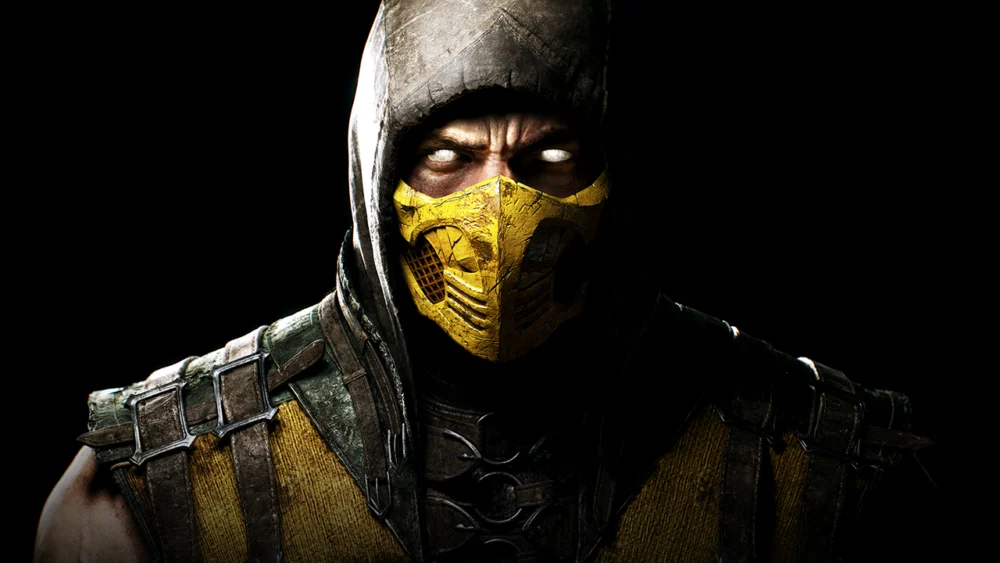
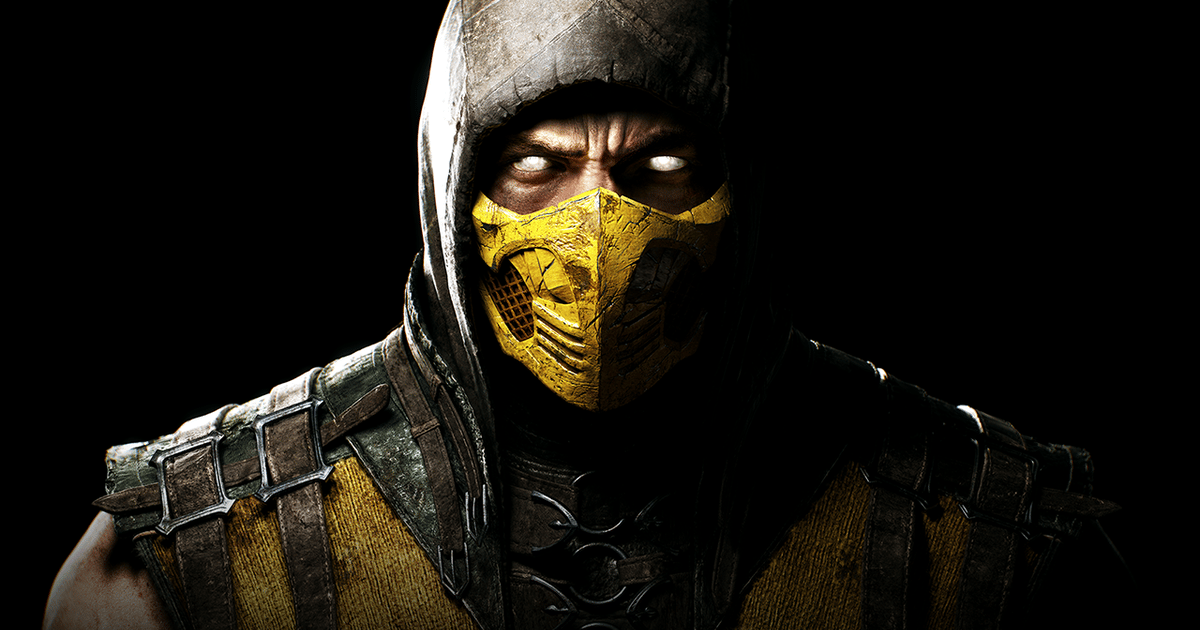
The enigma surrounding Warner Bros. Games is particularly striking given its rich history and significant contributions to the interactive entertainment industry. The division boasts a formidable roster of acclaimed development studios, including Rocksteady Studios, renowned for the critically lauded Batman: Arkham series; NetherRealm Studios, the powerhouse behind the iconic Mortal Kombat and Injustice fighting franchises; and TT Games, the prolific developer of the beloved LEGO video game series. Other notable studios under its umbrella include Monolith Productions (known for Middle-earth: Shadow of Mordor and Shadow of War) and Player First Games (MultiVersus). Over the decades, Warner Bros. Games has established itself as a major publisher, leveraging Warner Bros. Discovery’s vast array of intellectual properties to create highly successful and culturally impactful games. Franchises like Harry Potter (Hogwarts Legacy), DC Comics characters, and various animated properties have consistently provided fertile ground for engaging interactive experiences.
Despite this impressive legacy, Warner Bros. Games has faced considerable headwinds in recent years. The division has experienced a period of restructuring and strategic re-evaluation, particularly after several high-profile titles underperformed commercially or critically. The most prominent examples include Rocksteady’s highly anticipated Suicide Squad: Kill the Justice League, which, despite its pedigree, struggled to find a wide audience and met with mixed reception upon its release. Similarly, MultiVersus, a platform fighter featuring characters from across the Warner Bros. multiverse, garnered initial enthusiasm but faced challenges in maintaining player engagement and profitability. These setbacks were preceded by a series of difficult decisions, including the closure of multiple internal development teams, such as Monolith Productions and Player First Games (though MultiVersus continues development), signaling a shift in operational strategy. A major IP-focused reorganization was subsequently implemented, aiming to streamline development efforts around Warner Bros. Discovery’s most valuable franchises, namely Harry Potter, Game of Thrones, Mortal Kombat, and DC Comics properties. This consolidation reflected a broader industry trend towards leveraging established brands to mitigate risk in an increasingly competitive and expensive game development landscape.
An Investor Presentation’s Omission: Gaming’s Place in the New Empire
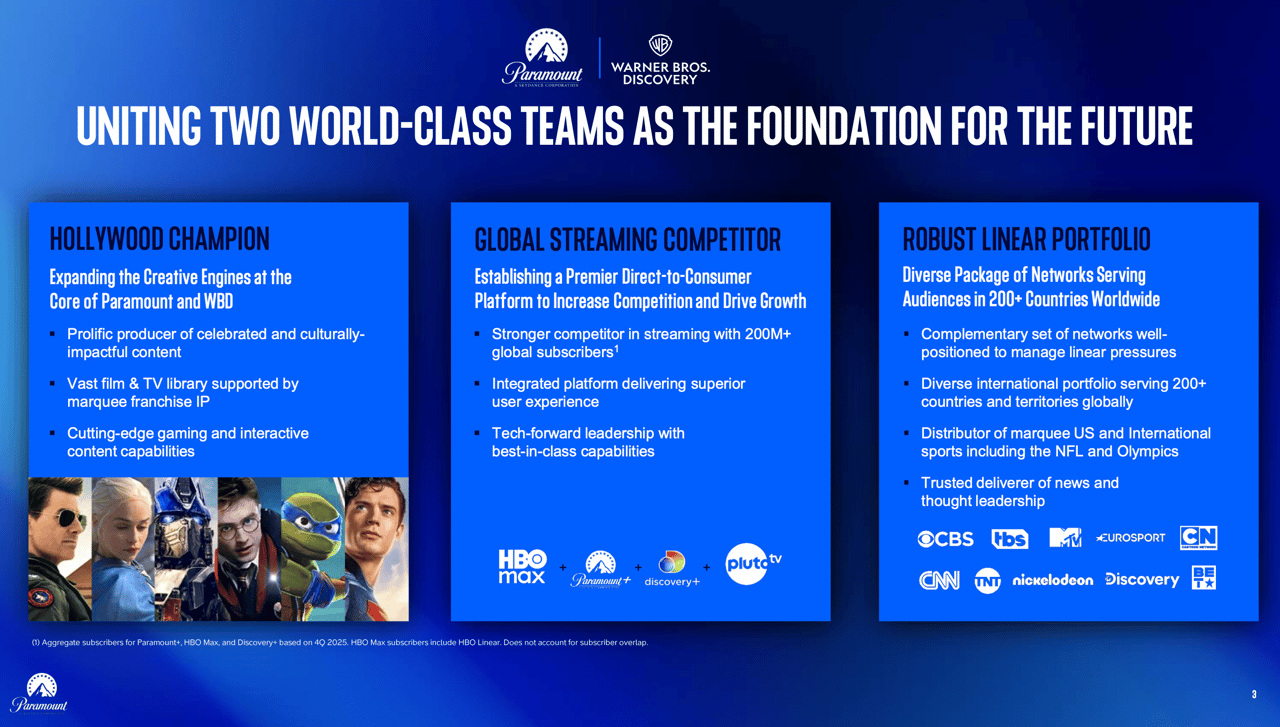
The conspicuous absence of Warner Bros. Games from Paramount Skydance’s recent investor presentation yesterday, a critical 30-plus minute event designed to outline the strategic rationale and future vision for the combined entity, has fueled concerns and raised questions among industry observers and employees alike. Despite its significant historical revenue contributions and its portfolio of valuable IPs, the video game division was mentioned only once, and barely so: a fleeting, not-quite-a-name-drop on a single presentation slide. This slide, intended to highlight the "creative engines" at the core of the proposed Paramount and Warner Bros. Discovery enterprise, vaguely described Warner Bros. Discovery as the owner of "cutting-edge gaming and interactive content capabilities." No specific studios were named, no franchises were highlighted, and no strategic plans for the division were articulated.
This solitary, generic mention stands in stark contrast to the extensive focus given to other Warner Bros. Discovery assets. HBO, in particular, was lauded by Paramount Chairman and CEO David Ellison as the "crown jewel" of Warner Bros. Discovery’s business, receiving effusive praise for its creative output and strategic importance. The presentation also dedicated significant time to discussing the transformative potential of artificial intelligence (AI) technology within content creation. Ellison waxed lyrical about AI, stating, "I do believe that it’s going to be a transformative technology in the space. But first and foremost, we are a content company. We are a storytelling company. And we really do look at AI as a tool for artists and really want to develop it basically through that lens." While this perspective on AI is commonly echoed by executives across the game industry, it often diverges sharply from the views of rank-and-file developers who express concerns about job security and ethical implications. The emphasis on AI as a tool for storytelling, rather than a direct acknowledgement of the existing game development capabilities, further underscored the perceived low priority of Warner Bros. Games in the new conglomerate’s immediate strategic outlook.
Paramount Skydance’s Strategic Vision: Content, IP, and AI
Paramount Skydance’s overarching strategy appears to be centered on leveraging a combined, expanded portfolio of intellectual property to create a more robust and diversified content ecosystem across film, television, and streaming. The acquisition of Warner Bros. Discovery would significantly enhance this strategy by adding iconic franchises from Warner Bros., DC Comics, and HBO to Paramount’s existing slate, which includes properties like Star Trek, Mission: Impossible, and various Nickelodeon brands. The stated focus on being a "content company" and a "storytelling company" suggests a deep commitment to narrative-driven entertainment, which, in theory, should naturally extend to video games. After all, games are increasingly recognized as powerful storytelling mediums and lucrative avenues for IP extension.
However, the lack of specific articulation regarding Warner Bros. Games suggests that, while the division’s assets might be considered valuable IP, its operational future or strategic role within the new entity is either undecided or deemed non-essential for the initial investor pitch. This could imply several scenarios: Paramount Skydance may view the gaming division as a potential divestiture candidate in the future, despite Ellison’s current assurances. When directly asked whether Paramount intends to divest any "noncore" assets, Ellison unequivocally stated, "No, very simply, we have no divestitures planned at this time. So just take that one, that’s our answer there." While this statement offers a degree of reassurance, "at this time" leaves room for future re-evaluation. Alternatively, the new leadership might see the gaming division primarily as a source of IP licensing opportunities rather than a core development and publishing arm, potentially shifting its operational model.
Regulatory Scrutiny and the Road Ahead
The proposed merger is not without its challenges, most notably the rigorous regulatory approval process it must undergo. Mergers of this magnitude in the media sector often attract intense scrutiny from antitrust authorities, both in the United States and internationally. Regulators will examine the potential impact on market competition, consumer choice, and the concentration of media ownership. Given the already consolidated nature of the entertainment industry, any move to combine two major players like Paramount Global and Warner Bros. Discovery will face close examination for potential anti-competitive effects. This process can be lengthy, complex, and may require the divesting of certain assets or adherence to specific conditions to gain approval. The anticipated closing in Q3 2026 factors in this extensive regulatory review period. Should regulators impose stringent conditions or block the deal entirely, the future of Warner Bros. Discovery and its gaming division could be thrown into further disarray.
Implications for Developers and Franchises
For the thousands of employees across Warner Bros. Games’ studios – from the veteran developers at NetherRealm crafting the next Mortal Kombat to the artists at Rocksteady iterating on new projects – the uncertainty is palpable. A change in ownership, especially one that downplays the gaming division’s significance, often leads to anxieties about job security, project cancellations, and shifts in creative direction. While David Ellison’s statement about no immediate divestitures offers some comfort, the historical track record of large media mergers often includes subsequent rationalizations and restructuring of non-core assets.
The future of beloved franchises like Batman: Arkham, Mortal Kombat, Injustice, and LEGO games could hinge on how Paramount Skydance ultimately decides to integrate or manage Warner Bros. Games. Will there be a renewed investment in game development, perhaps with a stronger emphasis on cross-media synergy with Paramount’s film and TV properties? Or will the division face further consolidation, potentially even being spun off or sold to another entity if it doesn’t align with the new conglomerate’s streamlined vision? The IP-focused restructuring undertaken by Warner Bros. Games prior to this acquisition could be seen as either a preparatory step for sale or an attempt to make the division more attractive to a new owner by highlighting its most valuable assets. The industry has seen similar situations, where gaming divisions are either revitalized under new ownership or gradually diminished. The lack of clarity from Paramount Skydance’s leadership suggests a wait-and-see approach, which, for those on the ground, translates to continued apprehension.
The Broader Media and Gaming Landscape
This proposed acquisition is a microcosm of broader trends sweeping across both the media and video game industries. Media consolidation continues unabated, driven by the imperative for scale, intellectual property ownership, and direct-to-consumer streaming capabilities. Simultaneously, the video game industry, now a multi-hundred-billion-dollar global market, is increasingly viewed by traditional media companies as a crucial frontier for audience engagement and revenue generation. Major players like Microsoft, Sony, and Tencent have made significant investments, and even companies like Amazon and Netflix are vying for a larger slice of the interactive pie.
However, integrating gaming divisions into traditional media conglomerates has proven challenging. Cultural differences, distinct development cycles, and differing financial models often create friction. The emphasis on AI as a "tool for artists" in the investor presentation, while forward-looking, also subtly sidesteps the immediate challenges and opportunities presented by a full-fledged, existing gaming division with its own unique operational needs and creative culture. The fact that gaming was barely an afterthought in a presentation about the future of a media empire that owns a major gaming publisher speaks volumes about the current perceived hierarchy of assets and strategic focus.
As the Q3 2026 closing date approaches, all eyes will remain on Paramount Skydance for a more definitive articulation of its plans for Warner Bros. Games. Until then, the division’s fate—and the future of its iconic studios and franchises—will continue to hang in the balance, a stark reminder of the volatile nature of mergers and acquisitions in the rapidly evolving entertainment landscape. Game Developer has reached out to Paramount Skydance for further comment on these developments.
About the Author