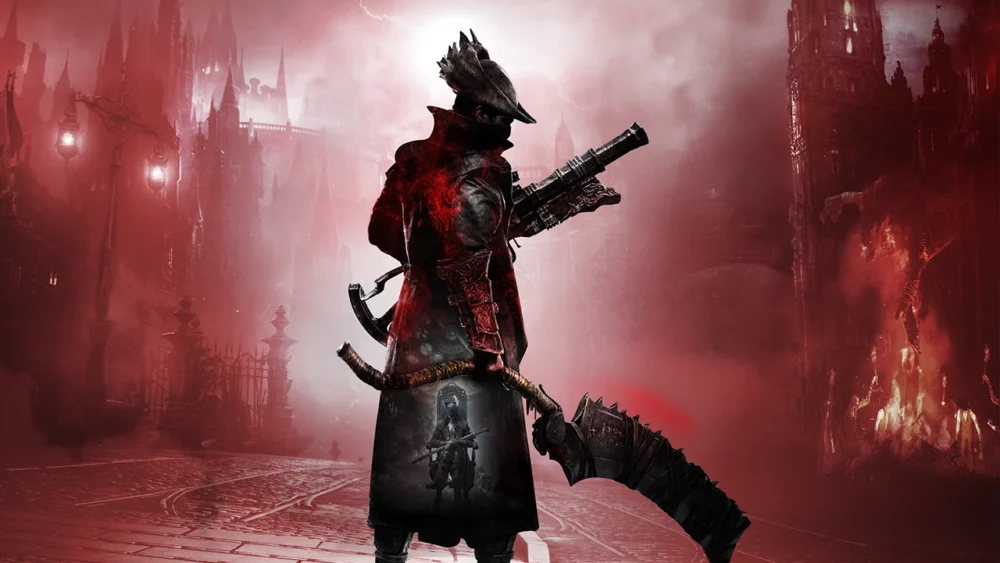
The acclaimed Austin-based studio, Bluepoint Games, has been officially shuttered by its parent company, Sony, following a period exceeding a year during which the studio reportedly failed to secure approval for any new projects. This development, initially reported by Bloomberg, marks a somber end for a developer widely celebrated for its meticulous and highly-regarded remakes of classic titles such as Shadow of the Colossus and Demon’s Souls. Acquired by Sony in 2021, Bluepoint Games now joins a growing list of studios impacted by industry consolidation and strategic shifts, with the closure coming approximately five years after its integration into PlayStation Studios. The underlying narrative suggests Bluepoint struggled to define a clear and sustainable role for itself within Sony’s evolving first-party ecosystem.
A Legacy Forged in Remakes: Bluepoint’s Journey to Acclaim
Bluepoint Games carved out a unique niche in the video game industry, earning a reputation as a master of remakes and remasters. Founded in 2006 by former Metroid Prime developers, the studio initially focused on porting and remastering established titles for new platforms, often exceeding expectations for mere graphical upgrades. Their early portfolio includes significant works like the God of War Collection (2009), which brought the PlayStation 2 classics to the PlayStation 3 in high definition, and the Metal Gear Solid HD Collection (2011), praised for its faithful recreation of Hideo Kojima’s iconic stealth series. These projects showcased Bluepoint’s exceptional technical prowess and deep respect for original source material, establishing a benchmark for quality in the remastering space.
However, it was their work on full-fledged remakes that truly elevated Blue studio to prominence. In 2018, Bluepoint released its remake of Fumito Ueda’s Shadow of the Colossus for the PlayStation 4. This wasn’t merely a graphical overhaul; it was a complete rebuild from the ground up, retaining the original’s artistic vision and emotional core while leveraging modern hardware capabilities to deliver breathtaking visuals, enhanced controls, and a truly immersive experience. The game garnered widespread critical acclaim, lauded for its stunning fidelity and its ability to reintroduce a beloved classic to a new generation of players while delighting existing fans. It currently holds a Metacritic score of 91, solidifying its status as a landmark achievement in game preservation and modernization.
This success was further amplified with the launch of Demon’s Souls for the PlayStation 5 in 2020, a launch title for the console. Tasked with remaking FromSoftware’s foundational "Souls-like" title, Bluepoint once again delivered a visually spectacular and mechanically refined experience that captured the brutal essence of the original while pushing the boundaries of next-generation graphics. Demon’s Souls achieved a Metacritic score of 92, further cementing Bluepoint’s reputation as the "remake masters" and a studio capable of handling complex, beloved IPs with utmost care and technical expertise. These back-to-back triumphs made Bluepoint an incredibly attractive prospect for Sony, which was actively seeking to expand its first-party development capabilities.
Sony’s Strategic Acquisition and Shifting Priorities
Sony officially acquired Bluepoint Games in September 2021, a move widely celebrated by fans and industry observers alike. At the time, Sony Interactive Entertainment’s head, Hermen Hulst, expressed excitement about the acquisition, stating that Bluepoint’s "track record of creating stunning remakes and remasters is unparalleled." The acquisition was seen as a logical step to bring a proven talent pool in-house, ensuring that their technical prowess and dedication to quality would exclusively benefit the PlayStation ecosystem.
However, the period following the acquisition coincided with a significant strategic pivot within Sony. The company began to heavily emphasize the development of live-service games, aiming to launch multiple such titles by fiscal year 2026. This shift was driven by a desire to diversify revenue streams beyond traditional single-player, narrative-driven experiences, and to capture a larger share of the lucrative, long-term engagement market dominated by titles like Fortnite and Call of Duty. This new corporate directive appears to have placed considerable pressure on all PlayStation Studios, including newly acquired ones like Bluepoint, to align with the evolving strategy.
The Descent: A Series of Unfortunate Events and Rejected Concepts
The first major turning point for Bluepoint post-acquisition came in 2025. According to reports, the studio had been engaged in the development of a live-service title set within the expansive God of War universe. This project, a significant departure from Bluepoint’s established expertise in high-fidelity single-player remakes, represented their attempt to adapt to Sony’s new strategic imperatives and carve out an original IP path. However, in an internal realignment that saw several live-service projects across PlayStation Studios either cancelled or significantly re-evaluated, Bluepoint’s God of War live-service title was ultimately scrapped by Sony. This decision, announced in early 2025, left the studio in a precarious position, effectively without a primary project. At the time, Sony stated it would work closely with Bluepoint to determine its next steps, but this appears to have been the beginning of the end.
Following the cancellation, Bluepoint reportedly expressed a strong desire to pivot back to what they did best: high-quality remakes. More specifically, the studio pitched a remake of Bloodborne, FromSoftware’s critically acclaimed and beloved PlayStation 4 exclusive. The idea seemingly made sound business sense. Bloodborne remains one of the most requested remasters/remakes by the PlayStation community, with fans eager for a modern version that leverages the power of the PS5 and potentially brings the title to PC. The demand was clear, and Bluepoint’s track record with Demon’s Souls made them the ideal candidate.
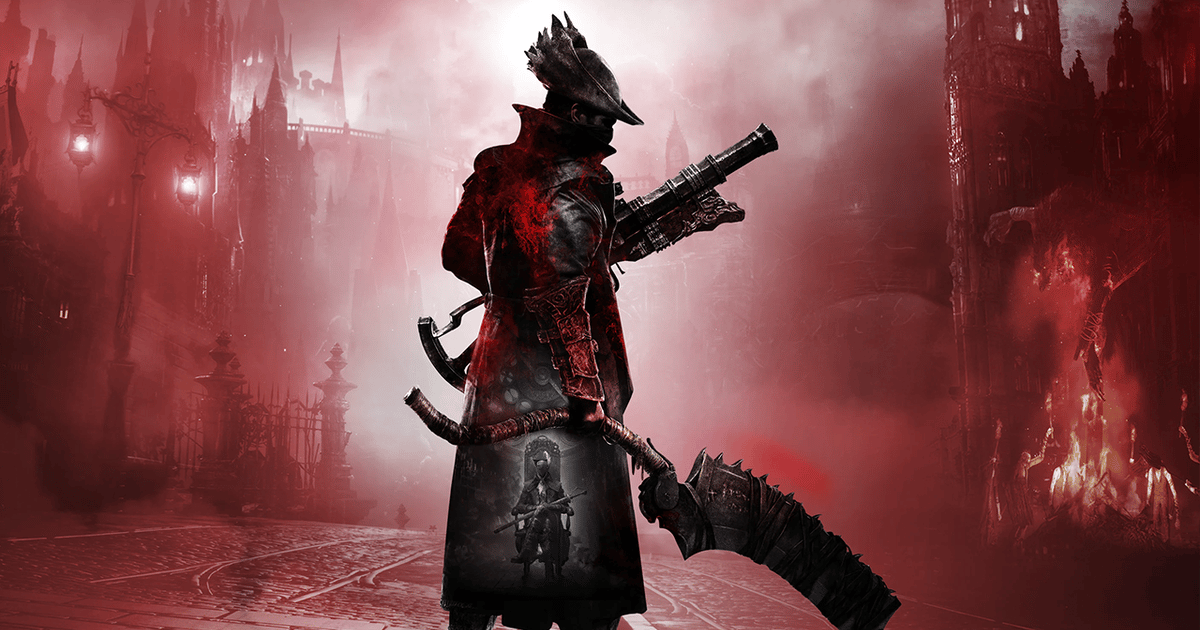
However, this pitch encountered an insurmountable hurdle: FromSoftware, the original developer, reportedly vetoed the project. The exact reasons for FromSoftware’s decision remain unconfirmed, but industry analysts speculate several possibilities. FromSoftware is known for its strong artistic vision and tight control over its intellectual properties. They might have preferred to develop any future Bloodborne projects themselves, or perhaps they have different plans for the IP that do not align with a third-party remake. Alternatively, they might have been concerned about resource allocation or the potential impact on their ongoing new projects. Regardless of the specific rationale, FromSoftware’s refusal left Bluepoint treading water once again, deprived of a project that many believed would have been a guaranteed success. The power dynamic between a platform holder’s internal studio and an external, highly influential IP creator like FromSoftware was starkly highlighted here, demonstrating that even with Sony’s ownership, creative control over key franchises can remain complex.
Undeterred, Bluepoint continued to seek a viable project. They reportedly pitched an "updated version" of Shadow of the Colossus, a title they had already remade to great acclaim in 2018. This proposal, however, was also rejected by Sony. The rationale behind this rejection is likely multi-faceted. Sony might have perceived diminishing returns from a second remake of the same title, especially one that was already visually stunning on the PS4. There could have been concerns about market saturation or a desire to focus resources on entirely new experiences rather than revisiting recent successes. The decision underscored Bluepoint’s struggle to find a niche that aligned with Sony’s current strategic vision, which seemed to prioritize either new live-service IPs or entirely original single-player experiences rather than re-releasing previously remade titles.
As options dwindled, Bluepoint reportedly began approaching other PlayStation Studios with ideas for spinoff titles, including a new game set in the richly detailed world of Ghost of Tsushima. These proposals, however, also failed to gain traction. Sources familiar with the situation indicate that other Sony-owned studios were themselves under significant pressure, likely grappling with their own project pipelines, budget constraints, and the overarching live-service mandate. Consequently, they were reportedly reluctant to dedicate resources or collaborate extensively on a project originating from another team, especially one that hadn’t found its footing. This further isolated Bluepoint, making it increasingly difficult for the studio to secure internal support for any of its creative endeavors.
The Writing on the Wall and Final Closure
By late 2025 and early 2026, Bluepoint Games had been effectively in limbo for over a year, struggling to move beyond the drawing board. Staff within the studio reportedly felt a growing sense of apprehension and believed the writing was on the wall. This feeling was tragically confirmed in February 2026 when Sony announced a remake of the original God of War trilogy, a project that, conspicuously, did not involve Bluepoint Games. For a studio renowned globally for its expertise in remaking flagship PlayStation titles, its exclusion from such a high-profile remake project involving one of PlayStation’s most iconic franchises was a clear signal that it no longer had a defined role within the company’s strategic plans. One week after this announcement, Sony officially shuttered Bluepoint Games.
While Sony has yet to issue a comprehensive public statement regarding the closure beyond internal communications, the events painted by Bloomberg suggest a complex interplay of corporate strategy, creative aspirations, and unaligned priorities. The implied message from Sony’s perspective likely centers on "strategic realignment" and "difficult business decisions" necessary to optimize its studio portfolio and focus on key development areas. It is expected that Sony will offer support to the affected employees, assisting with outplacement services and potentially opportunities within other PlayStation Studios where feasible.
Broader Implications and Industry Analysis
The closure of Bluepoint Games carries significant implications for Sony, the wider video game industry, and the future of game preservation through remakes.
For Sony, this event raises questions about its acquisition strategy and the integration process for acquired studios. While Sony has successfully integrated many studios, Bluepoint’s case highlights the challenges when a studio’s established expertise does not align with evolving corporate mandates. It also casts a shadow on Sony’s aggressive push into live-service games; the cancellation of Bluepoint’s God of War live-service title, alongside other reported cancellations, suggests that this strategy is proving more challenging and costly than initially anticipated. Furthermore, the perceived inability of a studio as talented as Bluepoint to find a viable project within PlayStation Studios could lead to increased scrutiny of internal resource allocation and communication within the first-party network.
The remake and remaster market may also feel reverberations. Bluepoint was arguably the gold standard in this segment. Their closure, combined with Sony’s rejection of a Bloodborne remake and a Shadow of the Colossus update, could signal a shift in how platform holders view the commercial viability and strategic importance of such projects. While remakes remain popular with players, this situation might suggest a more cautious approach from publishers, focusing on highly selective projects or potentially indicating a move towards in-house teams handling their own legacy IPs rather than specialized external or newly acquired studios. The power of original IP holders, as demonstrated by FromSoftware’s veto, is also a crucial takeaway, underscoring the complex legal and creative frameworks that govern beloved franchises.
Finally, the human cost of this closure is substantial. The talented developers at Bluepoint Games, who poured their skill and passion into creating some of the most beautiful and faithful game remakes, now face job displacement. This contributes to a broader trend of layoffs and studio closures across the gaming industry, signaling a period of significant consolidation and economic pressure that is impacting even successful and acclaimed developers.
The shuttering of Bluepoint Games serves as a stark reminder of the volatile nature of the video game industry, where even immense talent and a stellar track record are not always sufficient to guarantee longevity in the face of shifting corporate strategies and market dynamics. It closes a chapter on a studio that brought beloved classics back to life with unparalleled fidelity, leaving fans to wonder what might have been and what lessons the industry will take from its untimely demise.
About the Author