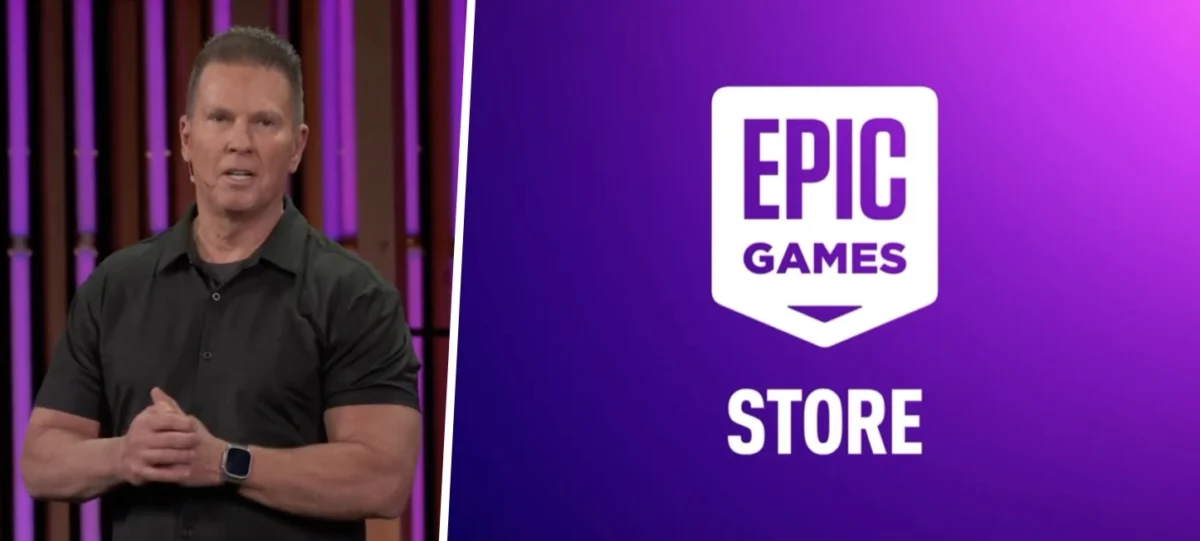
The ambition to dismantle the longstanding mobile app store duopoly held by Apple and Google is proving to be a more formidable challenge than initially projected by Epic Games. Steve Allison, the head of the Epic Games Store (EGS), recently provided a candid assessment of the platform’s mobile trajectory during the Game Developers Conference (GDC). While Epic continues its aggressive pursuit of a multi-platform ecosystem, the transition to mobile has been marked by significant regulatory friction, technical barriers, and a pervasive "wait and see" attitude among third-party developers. According to Allison, while the store has achieved nearly 30 million installs to date, this figure remains substantially below the company’s internal target of 100 million downloads by the end of 2024.
The discrepancy in performance highlights the structural advantages maintained by incumbent platform holders. On iOS, Epic’s reach is currently confined to the European Union, a region that represents only approximately 8% of the global iOS market. Conversely, the Android version of the Epic Games Store enjoys a global footprint but has historically been hampered by "scare screens"—security warnings implemented by Google that caution users against installing software from external sources. Despite these hurdles, Epic is preparing for a significant scaling phase, with plans to introduce self-publishing tools for mobile developers in August 2024, aiming to bolster a library that currently consists of roughly 60 titles on iOS and nearly 200 on Android.
The Discrepancy Between Projections and Performance
The primary metric of success for any digital storefront is its user base and installation rate. Epic’s shortfall of 70 million installs relative to its 100-million-unit goal underscores the difficulty of changing consumer behavior in an environment where the "default" options are deeply entrenched. Allison attributed much of this friction to the user experience dictated by the platform owners. On Android, the process of "sideloading" or using an alternative store has traditionally required navigating multiple layers of OS-level warnings. Allison noted that the drop-off rate associated with these scare screens can reach as high as 80%, meaning for every ten users who attempt to install the store, only two successfully complete the process.
However, recent legal and regulatory shifts are beginning to alter this dynamic. A landmark settlement involving Google has paved the way for a smoother installation process on Android, removing many of the deterrents that previously stifled growth. On the iOS side, Apple’s compliance with the European Union’s Digital Markets Act (DMA) has resulted in a 30% to 40% increase in the "bottom of the funnel" conversion rates, suggesting that even minor reductions in user friction can yield significant gains in adoption.
The Economic Hurdle: Apple’s Core Technology Fee and Developer Sentiment
Perhaps the most significant barrier to the expansion of the Epic Games Store is not technical, but economic. Apple’s introduction of the Core Technology Fee (CTF) in the European Union has created a climate of "consternation" among developers. The CTF requires developers using alternative app marketplaces or alternative payment processing to pay €0.50 for each first annual install per year over a 1-million-install threshold. For free-to-play games with high download volumes but low monetization rates, this fee structure can be financially ruinous.
Allison observed that many developers are hesitant to join an alternative storefront that only reaches 8% of the global iOS market if it risks complicating their relationship with Apple or incurring unpredictable fees. This has led to a stagnant period where developers are observing Epic’s progress from the sidelines rather than committing their intellectual property to the new platform. The complexity of these new fee structures has left many in the industry confused, further slowing the "momentum" Epic needs to challenge the status quo.
Navigating the Regulatory Labyrinth: The DMA and Google Settlement
The current state of the Epic Games Store mobile is inextricably linked to a series of legal battles and legislative changes across the globe. The European Union’s DMA has been the catalyst for Epic’s return to iOS, designating Apple as a "gatekeeper" and forcing the opening of its ecosystem to third-party stores. While this has provided a foothold, the implementation remains contentious. Epic continues to argue that Apple’s compliance measures are designed to be "maliciously" difficult to navigate, a sentiment echoed by other industry players like Spotify and Microsoft.
On the Android front, the legal landscape is shifting following the Epic v. Google jury verdict and subsequent settlements. These developments are expected to mandate that Google allow for more seamless competition. Allison expressed optimism that the "scare screen" era is nearing its end on Android, which he believes will make the platform a much more viable opportunity for third-party developers in the near term. Unlike iOS, which is currently a patchwork of regional permissions, Android offers a global market that Epic can leverage as it refines its self-publishing tools.
The Influence of the Tencent Ecosystem and Major Partners
To break the "dam" of developer hesitation, Epic is relying on its strategic partnerships, most notably with Tencent, which owns a 40% stake in Epic Games. Tencent’s "Honor of Kings," one of the highest-grossing mobile games globally, was recently brought to the Epic Games Store on PC as a pilot program to test the waters. However, the game has not yet made the jump to the mobile EGS on iOS due to the aforementioned Core Technology Fee, which would make the venture economically unviable in the European region alone.
Epic is also in close discussions with MiHoYo, the developer behind the global hits "Genshin Impact" and "Honkai: Star Rail." These titles are seen as "system sellers" for an app store; their presence would likely trigger a mass migration of users. While MiHoYo has expressed interest, they remain in a "waiting in the wings" phase. Other partners, such as Netmarble, have already committed to the EGS on PC, and Epic hopes to translate that loyalty to the mobile platform as the Android ecosystem becomes more accessible.
Chronology of the Epic Games Mobile Conflict (2020–2025)
The struggle to establish the Epic Games Store on mobile is the culmination of a half-decade of conflict:
- August 2020: Epic Games implements a direct payment system in "Fortnite" on iOS and Android to bypass the 30% platform fee. Apple and Google subsequently remove "Fortnite" from their stores. Epic files antitrust lawsuits against both companies.
- September 2021: The Epic v. Apple trial concludes. While the court rules that Apple is not a monopoly, it issues a permanent injunction allowing developers to link to external payment systems.
- November 2022: The European Union passes the Digital Markets Act (DMA), setting the stage for alternative app stores on iOS.
- December 2023: Epic wins its antitrust lawsuit against Google, with a jury finding that Google maintained an illegal monopoly in the app store and billing markets.
- March 2024: The DMA officially comes into effect. Apple restores Epic’s developer account in the EU after initial resistance, allowing for the launch of the Epic Games Store on iOS in Europe.
- August 2024 (Projected): Epic plans to launch self-publishing on mobile, allowing any developer to list their games on the EGS without manual curation.
- 2025 and Beyond: Epic eyes expansion into Japan, Brazil, and Australia as those nations move toward their own versions of the DMA.
Strategic Pivot: Android Dominance and First-Party Content
Recognizing the difficulties on iOS, Epic’s short-term strategy appears to be pivoting toward Android and its own first-party titles. By leveraging "Fortnite," "Rocket League Sideswipe," and "Fall Guys" (which is slated for a mobile return), Epic can drive installations of the store without relying solely on third-party support. This "first-party first" approach is intended to demonstrate the store’s viability and technical stability to the broader industry.
Allison emphasized that the Android side of the business is becoming "really interesting" because of the global reach and the removal of installation barriers. As self-publishing goes live, the store’s library is expected to grow exponentially. For developers, Epic’s 88/12 revenue split—significantly more favorable than the industry-standard 70/30 split—remains a powerful incentive, provided the user base is large enough to offset the risks of leaving the primary stores.
Analysis: Can the Duopoly Be Meaningfully Disrupted?
The central question facing the industry is whether any entity, even one as well-capitalized as Epic Games, can break the Apple-Google duopoly. The data suggests that regulatory intervention is a necessary but not sufficient condition for success. While the DMA has opened the door in Europe, the economic "poison pills" like the CTF and the inherent friction of non-native stores continue to protect the incumbents.
Epic’s strategy relies on a "domino effect." By securing major markets like Japan and Brazil, the addressable market for the iOS store will eventually grow from 8% to a figure that developers can no longer ignore. However, this is a marathon rather than a sprint. The "wait and see" mode currently adopted by the industry’s largest players indicates that the "dam" has not yet broken.
For the Epic Games Store to reach its 100-million-install target, it must move beyond being a "Fortnite launcher" and become a destination for a diverse array of content. The introduction of self-publishing in August 2024 will be the critical litmus test for this transition. If Epic can successfully court mid-sized developers who are disillusioned with the high commissions of the App Store and Play Store, they may finally achieve the momentum required to turn the tide in the mobile ecosystem. Until then, the battle remains a high-stakes game of regulatory chess, with Epic Games continuing to "plug away" at every obstacle in its path.
About the Author