Understanding the desire for minimal friction when seeking leisure during a relaxed weekend, itch.io has curated a compelling collection of recently released and updated browser-based games. These titles offer the ultimate convenience, allowing players to dive into new experiences with just a single click, eliminating the need for downloads or complex installations. The selection spans a diverse spectrum of genres, from narrative-rich visual novels that invite deep reflection to fast-paced puzzle platformers demanding quick reflexes and strategic thinking, ensuring there is something to capture the interest of every type of player. This initiative underscores itch.io’s commitment to showcasing the vibrant creativity within the independent game development community, particularly within the accessible realm of browser gaming.
The Enduring Appeal and Evolution of Browser Gaming
Browser games, once synonymous with simple Flash animations and casual distractions, have undergone a significant transformation. The evolution of web technologies, particularly the widespread adoption of HTML5, WebGL, and WebAssembly, has empowered developers to create increasingly sophisticated and visually rich experiences directly within web browsers. This technological leap has not only broadened the scope of what is possible but has also reinforced the core appeal of browser games: unparalleled accessibility. Players can instantly access these titles across a multitude of devices—desktops, laptops, and even mobile platforms—without the commitment of storage space or the hassle of installation files. This "click-and-play" philosophy is especially pertinent for indie games, where developers often experiment with novel mechanics and artistic styles, and players might be hesitant to download an unfamiliar title.
itch.io stands as a crucial platform in this ecosystem, providing an open and supportive environment for independent creators to publish their work, often with generous revenue-sharing models that prioritize the developer. Its robust tagging system and community features facilitate discovery, allowing players to easily navigate thousands of titles and unearth hidden gems. The platform has become a de facto home for games emerging from various game jams—intensive, time-limited game development challenges—which frequently yield innovative browser-based prototypes. These jams, such as Ludum Dare, GBJAM, and the Made With Defold Jam, serve as vital incubators for creativity, pushing developers to craft unique experiences under tight constraints, often leading to surprising and engaging outcomes that thrive in the browser format.
Spotlight on New and Notable Browser Releases
This weekend’s highlighted collection presents a microcosm of the diversity and ingenuity flourishing in the browser gaming space. Each title, born from distinct creative visions and often under the pressure of jam deadlines, offers a unique window into the possibilities of web-based interactive entertainment.
Dead Names: A Sci-Fi Narrative of Letting Go
Dead Names is a poignant sci-fi visual novel that delves into themes of grief, remembrance, and the difficult process of letting go. Set against the backdrop of a solitary winter day in a future that serves as a cautionary tale, the game masterfully blends its narrative with a distinctive pixel art style. This aesthetic choice, reminiscent of classic Game Boy titles, not only evokes a sense of nostalgia but also contributes to the game’s atmospheric depth, allowing players to immerse themselves in its melancholic yet hopeful world. Developed with a clear focus on storytelling, Dead Names thoughtfully incorporates LGBTQIA+ themes, adding layers of representation and emotional resonance to its exploration of human connection and loss. The game’s ability to deliver an impactful, atmospheric experience within the confines of a "Game Boy rom" format showcases the power of minimalist design when paired with compelling narrative and thematic depth. Its narrative structure encourages introspection, making it a powerful, albeit short, journey for players seeking a story-driven experience.

Tiny Truck Racing: Pixelated Velocity
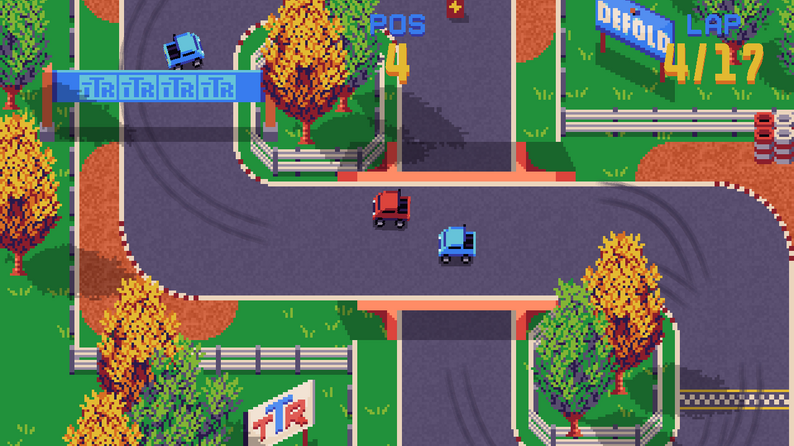
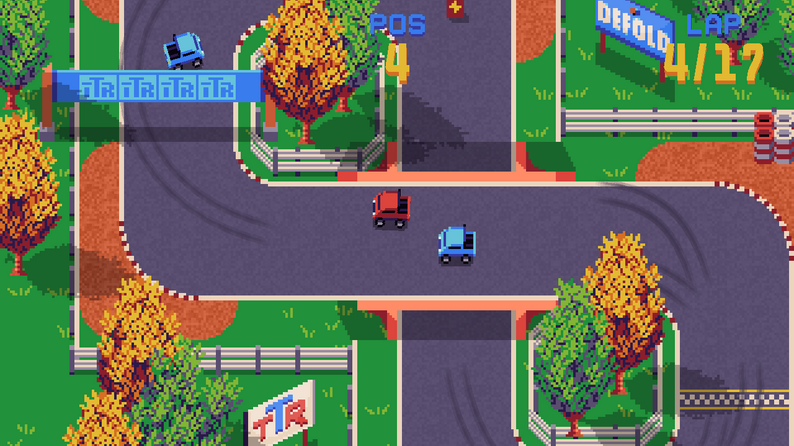
For those craving high-octane action, Tiny Truck Racing delivers a dose of adrenaline with its charming pixel art tracks and fast-paced gameplay. This racing title offers three distinct modes—Single Race for quick competitive bursts, Tournament for a more extended challenge, and Time Trial for speed demons aiming to shave off milliseconds. Players can choose from a roster of four distinct trucks, each presumably with its own handling characteristics, and strategically collect nitro cans scattered across the tracks to unleash exhilarating speed boosts. The game’s origin in the Made With Defold Jam 2024 speaks to its efficient design and polished mechanics, demonstrating the capabilities of the Defold engine for creating engaging browser-based experiences. The combination of retro visuals and modern racing mechanics creates an accessible yet competitive environment, appealing to both casual players and those who enjoy mastering racing lines and optimizing boost usage.
Nomad Idle: The Evolution of Auto-Battling
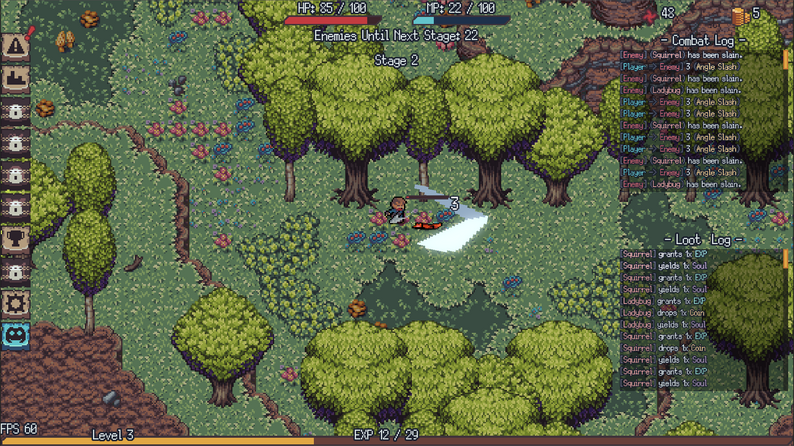
Nomad Idle represents a sophisticated entry into the idle game genre, seamlessly blending auto-battler mechanics with strategic character progression. Recently updated, this game allows players to design intricate builds for their characters, who then automatically engage hordes of enemies. The core loop involves unlocking and upgrading various features, including leveling up stats, crafting powerful equipment, and selecting passive skills that augment performance. While much of the gameplay unfolds autonomously, Nomad Idle introduces an active element through character-specific skills that players can deploy to accelerate progress. This balance between passive progression and active intervention provides a satisfying sense of control and strategy, distinguishing it from simpler idle games. The depth of its build customization and the continuous stream of upgrades ensure long-term engagement, making it an ideal choice for players who enjoy watching their creations grow in power over time.
Laura’s Room: Game Boy-Inspired Psychological Horror
Laura’s Room plunges players into a short yet unsettling psychological horror experience, crafted for GBJAM 12. Players step into the shoes of Danni, driving on a rain-slicked road in the dead of night, pursued by an unseen dread. The game’s Game Boy-inspired aesthetic, characterized by a limited color palette and pixelated visuals, proves remarkably effective in enhancing the sense of isolation and creeping fear. This retro stylistic choice, rather than diminishing the horror, amplifies it by forcing players to rely on suggestion and atmosphere, tapping into a primal fear of the unknown. The atmospheric gameplay, combined with the psychological elements, creates a deeply immersive and disturbing narrative, proving that high-fidelity graphics are not a prerequisite for effective horror. Its concise nature ensures a concentrated burst of dread, leaving a lasting impression long after the credits roll.
Hamster Shelter: Post-Apocalyptic Rodent Management
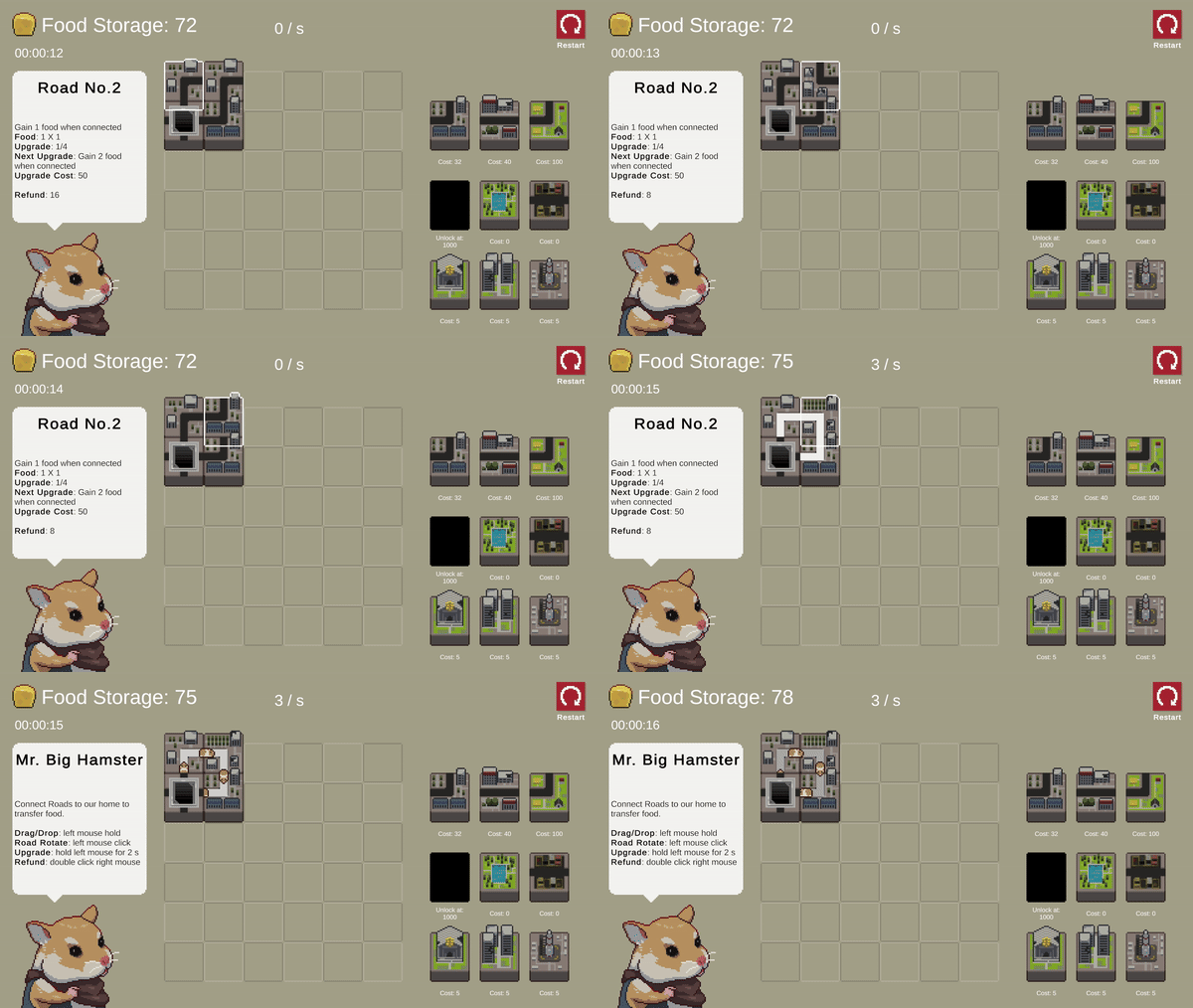
Hamster Shelter offers a surprisingly charming and relaxed take on the post-apocalyptic genre, tasking players with managing tiny hamsters struggling to survive in a desolate world. The core gameplay loop involves building roads to their humble abode and efficiently transporting vital food resources. A key innovation of Hamster Shelter is its ability to function in the background, allowing players to engage with the game at their own pace without demanding constant attention. This "set it and forget it" mechanic, common in idle and management games, contributes to a genuinely relaxed gameplay experience, perfect for those seeking a less intense engagement. Created for Ludum Dare 56, the game’s unique premise—hamsters navigating a ruined world—infuses the resource management genre with a delightful dose of whimsy and urgency, making it a distinctive and endearing title.
Mouse Mouse: A Unique Platforming Challenge
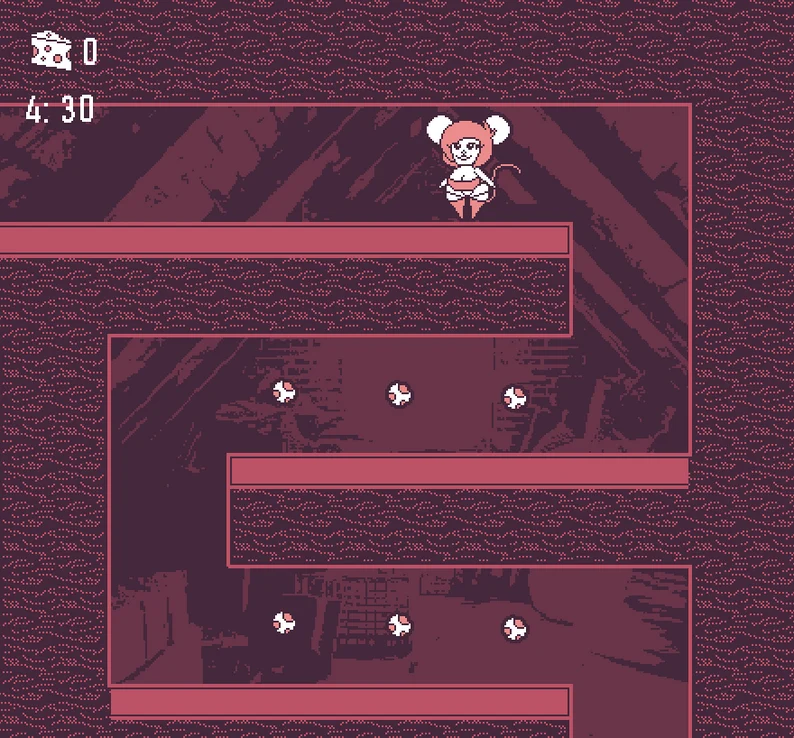
Mouse Mouse reimagines the classic platformer genre with an inventive control scheme: the titular mouse character is literally controlled by the player’s computer mouse. This short, pixel art platformer challenges players to navigate obstacles, jump across gaps, climb vertical surfaces, and collect cheese as quickly as possible. Developed in a mere 48 hours for Ludum Dare 56, its creative control mechanic stands out as a testament to the innovation possible under jam constraints. The precision required to manipulate the character via the mouse cursor adds a fresh layer of challenge and skill to traditional platforming, forcing players to rethink their approach to movement and spatial awareness. Mouse Mouse exemplifies how a simple, yet ingenious, twist on core mechanics can revitalize a familiar genre, offering a unique and memorable gameplay experience.
Play With Me: The Spooky Virtual Pet
Play With Me introduces a chilling twist to the beloved virtual pet genre, blending nostalgic interaction with an unsettling, spooky atmosphere. Players are invited to interact with three enigmatic creatures residing within a forgotten toy, each offering their own set of unique minigames. The game, also a product of Ludum Dare 56, leverages retro-inspired visuals to create an eerie yet captivating aesthetic. This stylistic choice enhances the sense of the uncanny, making the interactions with the creatures both intriguing and subtly unnerving. The combination of lighthearted minigames and an underlying layer of creepiness provides a distinctive experience that is both engaging and slightly disquieting. Play With Me expertly demonstrates how familiar gameplay loops can be subverted to create novel emotional responses, appealing to those who appreciate a touch of the macabre in their casual gaming.
Jelly Gang: Physics-Based Puzzle Platforming Chaos
Jelly Gang redefines the puzzle platformer with its innovative group control mechanic and physics-based gameplay. Players command a sprawling group of 30 squishy characters, but with a crucial twist: only the characters located within a dynamic "focus region" around the player’s mouse cursor respond to commands. This strategic layer transforms simple platforming into a complex exercise in crowd management and spatial reasoning. Players must carefully manipulate the focus region to guide their gelatinous horde through various environmental puzzles and obstacles. Developed for Ludum Dare 56, Jelly Gang highlights the creative potential of physics engines when applied to unconventional gameplay concepts. The sheer number of characters and their "squishy" physics provide a constant source of unpredictable fun and challenge, offering a fresh and highly replayable experience for fans of the puzzle platformer genre.
Game Jams: Incubators of Innovation
The prominent presence of games developed during various game jams—Ludum Dare 56, GBJAM 12, and Made With Defold Jam 2024—within this selection is not coincidental. Game jams are foundational to the independent game development scene, serving as high-pressure, high-reward environments where developers, often working solo or in small teams, conceptualize and create playable games within extremely tight deadlines, typically 48 to 72 hours. These constraints, rather than stifling creativity, often act as powerful catalysts, forcing participants to innovate, streamline ideas, and focus on core mechanics.
Ludum Dare, one of the largest and longest-running game jams, consistently produces a vast array of experimental and polished titles based on a common theme. GBJAM, with its specific artistic and technical limitations inspired by the classic Game Boy, challenges developers to evoke nostalgia while crafting engaging experiences within a retro framework. The Made With Defold Jam highlights games built using the Defold engine, showcasing its versatility for browser-based development. These events foster a strong sense of community, encourage skill development, and frequently lead to the discovery of unique game concepts that might otherwise not see the light of day. Many of the games highlighted this weekend are prime examples of how these intense creative sprints can yield incredibly fresh and engaging browser titles.

itch.io: A Haven for Independent Developers
itch.io’s role extends beyond merely hosting these games; it actively champions the independent developer community. Unlike more corporate-driven platforms, itch.io operates with a strong ethos of empowering creators. Its flexible revenue sharing model, which allows developers to set their preferred cut (including 100% in some cases), contrasts sharply with industry standards. This financial flexibility, coupled with an open platform that accepts a wide range of content and experimental projects, makes itch.io an attractive destination for developers pushing creative boundaries.
The platform’s comprehensive tagging system and curated collections, like the "New & Popular Browser Games from the last 7 days," are invaluable discovery tools for players. They allow for granular searching based on genres, themes, aesthetics, and even specific game jam origins, ensuring that unique titles like those featured this weekend find their audience. The active community, visible through comments sections and forums, provides direct feedback and fosters a supportive ecosystem for both developers and players. itch.io’s dedication to accessibility, epitomized by its robust support for browser-based games, ensures that cutting-edge indie creativity is never more than a click away.
The Evolving Landscape and Future of Browser Gaming
The continued innovation seen in browser-based games points towards a dynamic and expanding future for the format. As web browsers become more powerful and standardized, the technical gap between native applications and browser games continues to narrow. Technologies like WebAssembly are enabling near-native performance for complex game engines directly in the browser, opening doors for even more ambitious projects. While cloud gaming services offer high-fidelity experiences streamed to browsers, traditional browser-based games maintain their unique niche through their immediate accessibility and often more experimental, indie-focused nature.
The inherent low barrier to entry for both developers and players will continue to drive growth in this sector. For developers, browser games offer an ideal medium for rapid prototyping, reaching a wide audience without platform-specific development hurdles. For players, the convenience of instant play, often for free or with a "pay-what-you-want" model, is an undeniable draw. This synergy ensures that browser gaming will remain a vibrant space for creative expression and casual entertainment, offering a constant stream of fresh, diverse, and often surprising experiences that can be enjoyed at a moment’s notice.
The diverse collection of titles showcased this weekend by itch.io serves as a compelling invitation to explore the richness of modern browser gaming. From emotionally resonant visual novels to challenging puzzle platformers and innovative management simulations, these games demonstrate the boundless creativity thriving within the independent development scene. Players are encouraged to delve into these new releases, discover their own favorites, and contribute to the vibrant discussion in the comments section, sharing their experiences and helping to highlight the next wave of indie hits. The accessibility and innovation found in these browser-based games make them an ideal choice for anyone seeking quality entertainment without the commitment of downloads.
About the Author