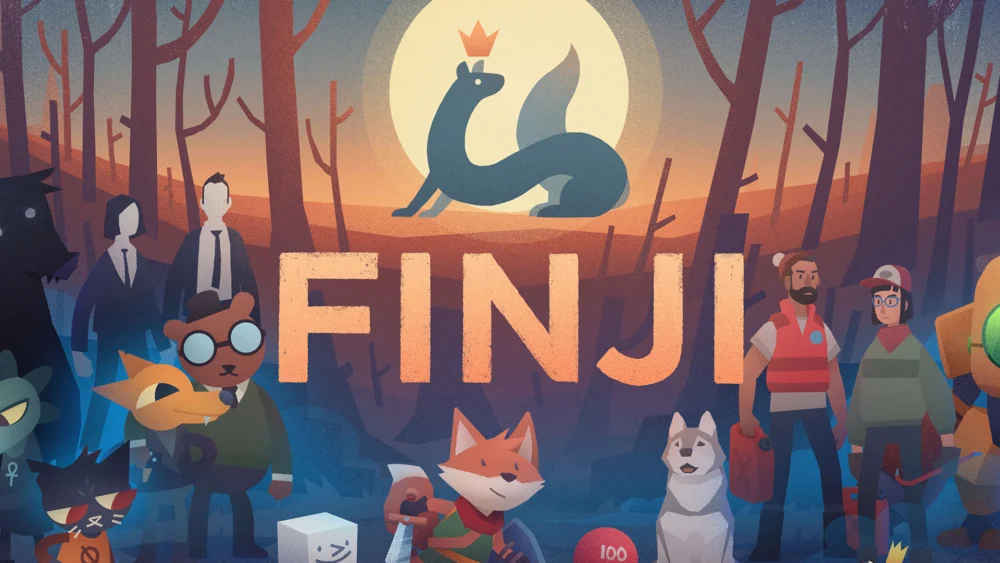
Independent developer and publisher Finji, renowned for its critically acclaimed titles such as Overland, Night in the Woods, and Tunic, finds itself embroiled in an unprecedented and deeply troubling situation. The company has discovered a proliferation of racist and sexist AI-generated TikTok advertisements for its upcoming game, Usual June, and other titles, none of which were authorized or created by Finji itself. This extraordinary breach of creative control and brand integrity has ignited a critical conversation about the ethical boundaries of generative artificial intelligence in advertising, platform accountability, and the safeguarding of intellectual property in the digital age.
The core of the issue surfaced when Finji’s CEO, Bekah Saltsman, initially brought the matter to public attention on Bluesky before providing a comprehensive account to IGN. Saltsman revealed that while Finji actively utilizes TikTok’s advertising infrastructure to promote its diverse portfolio of games, the company’s marketing team had explicitly deactivated the platform’s proprietary AI feature, known as "Smart Creative," to ensure complete artistic and brand control over its promotional materials. Despite these deliberate measures, Finji’s fans began reporting encountering highly inappropriate advertisements that deceptively appeared to originate from Finji’s official TikTok account, featuring content entirely divorced from the developer’s creative vision and ethical standards.
The Unsettling Discovery and Its Disturbing Nature
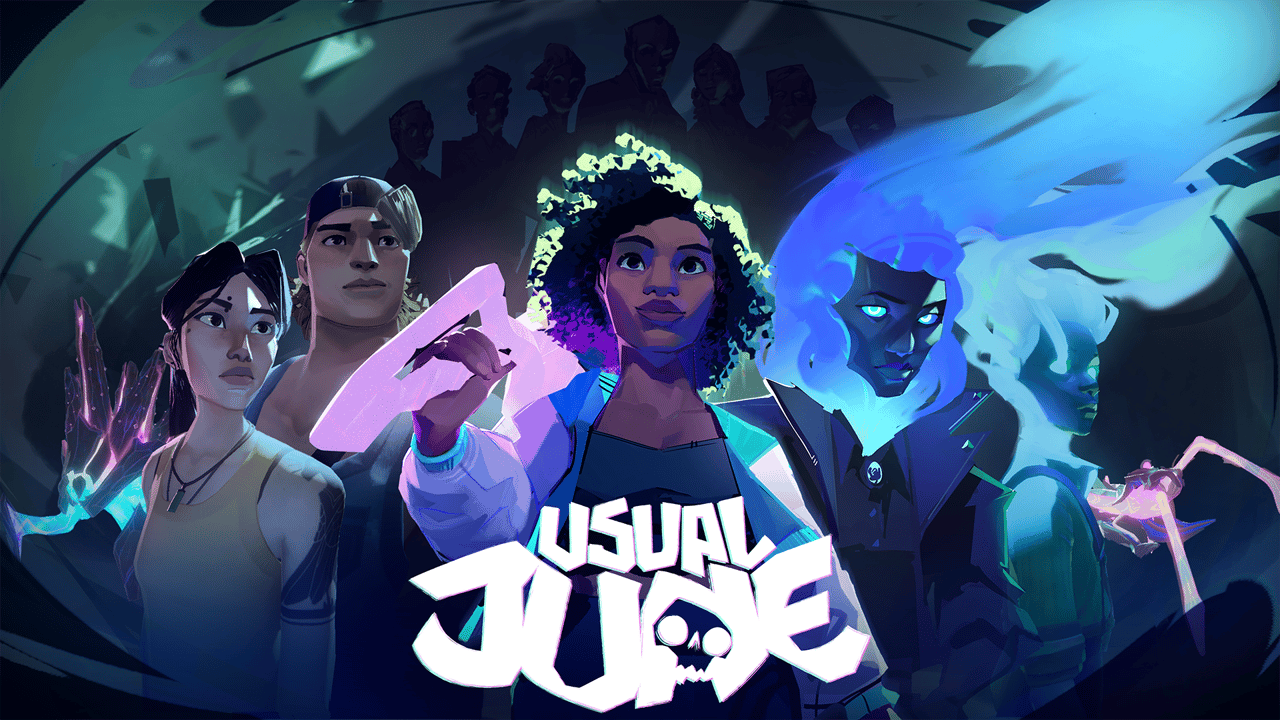
The first indications of the unauthorized advertisements emerged from Finji’s dedicated player community. Fans, who were served these rogue ads within their TikTok feeds, promptly notified the developer, expressing confusion and concern over the unexpected and often offensive content. One particularly egregious example cited by IGN involved a manipulated version of the key promotional art for Usual June. The original artwork, a carefully crafted representation of the game’s protagonist June alongside her companions, was reportedly altered by the AI. This modification extended the image to depict June’s lower body in a significantly sexualized manner, portraying her in a bikini bottom and thigh-high boots. Crucially, this AI-generated depiction was not only sexually suggestive but also invoked a racist stereotype frequently associated with Black women, a stark contradiction to the character’s established design, which consistently features her in shorts and sneakers across all official art and in-game screenshots. The fact that IGN, a major gaming publication, opted not to reproduce these altered images underscores their inappropriate and potentially harmful nature.
This incident highlights a critical vulnerability for content creators and brands utilizing automated advertising systems. When AI is given free rein, even inadvertently, to generate creative assets, the potential for it to deviate from brand guidelines, ethical standards, and even legally protected intellectual property becomes a palpable threat. For Finji, a publisher known for its thoughtful and often socially conscious narratives in games like Night in the Woods, the appearance of racist and sexist advertisements under their purported banner represents a profound betrayal of their brand identity and values. The very real risk of brand dilution and reputational damage from such uncontrolled algorithmic output is immense, especially for smaller, independent studios whose brand identity is often inextricably linked to their creative ethos.
A Labyrinthine Battle with TikTok Customer Support
The saga took an even more bewildering turn as Finji attempted to address the issue directly with TikTok’s customer support. Saltsman’s account details a frustrating and contradictory series of exchanges that underscore the challenges companies face when navigating the opaque and often unresponsive channels of large platform providers. IGN, having reviewed screenshots of these communications, reported a perplexing back-and-forth: initially, TikTok representatives acknowledged the existence of the inappropriate ads. However, this acknowledgment was inexplicably followed by denials, only for the existence of the ads to be re-acknowledged once more.
Throughout this protracted engagement, Finji was repeatedly assured that their concerns would be escalated to supervisory levels. Yet, according to the company, no follow-up communication from any supervisor or higher-tier support team materialized. The culmination of this bureaucratic maze came with a definitive, and deeply unsatisfactory, response from a final agent. This representative informed Finji that the situation had been classified as part of "a broader automated initiative" and stated unequivocally that the platform’s moderation team had "already provided their final findings and actions on this matter." This response, devoid of specific solutions or genuine accountability, left Finji with the alarming impression that TikTok was not only aware of the issue but was unwilling or unable to rectify it.
Saltsman’s frustration was palpable in her subsequent statement to IGN: "Does TikTok want me to be grateful for the mistreatment of my company and our game?" she questioned. "Based on the wild response through the weeks of customer service correspondence we have received, I think this is their stance and take on their obvious offensive and racist technology and process and how they secretly use it on the assets of their paying clients without consent or knowledge." This poignant query encapsulates the profound sense of betrayal and powerlessness felt by a client whose intellectual property and brand reputation have been seemingly hijacked by the very platform they entrusted with their advertising. In response to this untenable situation, Finji has made the decisive move to cease all advertising campaigns on TikTok, a significant financial and strategic decision for an independent publisher.
The Broader Implications: AI Ethics, Platform Accountability, and IP Rights
Finji’s ordeal is not merely an isolated incident of an ad gone wrong; it serves as a potent microcosm of the escalating ethical and practical dilemmas posed by the rapid integration of generative AI into commercial applications, particularly in advertising. The "Smart Creative" feature, designed to automate and optimize ad content, represents a burgeoning trend across digital platforms. While promising efficiency and personalized engagement, such tools carry inherent risks that are becoming increasingly evident.
The Rise of Generative AI in Advertising: The advertising industry has enthusiastically embraced generative AI for its potential to streamline content creation, tailor messages to specific demographics, and rapidly A/B test variations. AI algorithms can analyze vast datasets to identify trends, predict consumer behavior, and autonomously generate ad copy, images, and even video snippets. For smaller businesses and independent developers like Finji, these tools can appear to democratize advertising, offering sophisticated capabilities without the need for extensive in-house creative teams. However, the Finji incident starkly illustrates the critical downside: a lack of human oversight, control, and ethical vetting can lead to disastrous outcomes.
Ethical Concerns and Algorithmic Bias: The creation of racist and sexist imagery points directly to the persistent problem of algorithmic bias. AI models are trained on massive datasets, and if these datasets contain biases present in society or are not adequately curated and filtered, the AI will learn and perpetuate those biases. In this case, the AI seemingly generated an image that reinforced a harmful stereotype, indicating a failure in either the training data, the algorithm’s design, or the content moderation layer meant to prevent such outputs. For brands, this not only risks alienating audiences but also actively contributes to the spread of harmful stereotypes, a direct contradiction to the principles of responsible marketing.
Intellectual Property and Creative Control: The unauthorized modification of Usual June‘s key art raises serious questions about intellectual property rights within AI-driven advertising environments. When a platform’s AI takes a creator’s original work and modifies it in ways that are unauthorized and harmful, it constitutes a significant infringement on creative control and potentially copyright. This incident underscores the urgent need for clear contractual terms and robust technological safeguards that protect intellectual property when engaging with AI-powered marketing tools. Developers invest significant resources in crafting unique visual identities for their games; the unconsented distortion of these assets undermines their efforts and potentially their future commercial viability.
Platform Accountability and Transparency: TikTok’s ambiguous and ultimately unhelpful response highlights a significant challenge in platform governance. Large social media and advertising platforms often operate as black boxes, with opaque algorithms and customer support systems that struggle to address complex, novel issues like AI-generated content gone rogue. The explanation that Finji’s situation was part of a "broader automated initiative" suggests a systemic issue rather than an isolated glitch. This raises critical questions about platform responsibility: To what extent are platforms accountable for the content generated by their own AI tools, especially when these tools are used without explicit client consent or against their expressed wishes? There is a growing call for greater transparency from tech companies regarding how their AI systems operate, what safeguards are in place, and how they handle disputes arising from algorithmic errors or malicious outputs.
Impact on Independent Developers: For independent game developers and publishers, trust is paramount. Their ability to connect directly with players and cultivate a strong brand identity is crucial for their survival and success. Incidents like Finji’s erode that trust, making developers wary of leveraging powerful, yet unpredictable, AI tools and platforms. The financial implications are also significant; Finji not only lost advertising spend but now faces the intangible cost of potential brand damage and the resources expended in trying to resolve the issue.
Regulatory and Ethical Challenges Ahead
The Finji case adds another layer of complexity to the evolving landscape of digital advertising regulation. Advertising standards bodies, such as the UK’s Advertising Standards Authority (ASA), have historically focused on human-generated content, scrutinizing claims, imagery, and adherence to ethical guidelines. The advent of generative AI necessitates a re-evaluation of these frameworks. Who is responsible when an AI creates misleading, offensive, or harmful advertising? Is it the developer of the AI, the platform hosting the ad, or the advertiser whose assets were used? The current legal and ethical infrastructure is largely unprepared for the rapid pace of AI innovation.
As the industry moves forward, it is imperative for technology providers, advertisers, and regulatory bodies to collaborate on establishing clear guidelines and best practices for AI in marketing. This includes:
- Mandatory Human Oversight: Ensuring that AI-generated content is always subject to human review before publication, especially for sensitive industries or brand-critical campaigns.
- Enhanced Opt-in/Opt-out Controls: Providing granular control to advertisers over AI features, ensuring that explicit consent is required for any AI-driven content generation or modification.
- Robust Content Moderation for AI Outputs: Implementing AI-powered moderation tools specifically designed to detect and flag biased, stereotypical, or harmful content generated by other AI systems.
- Clearer Accountability Frameworks: Defining who bears responsibility when AI-generated content violates advertising standards, intellectual property rights, or ethical norms.
- Transparency in AI Operations: Requiring platforms to be more transparent about how their AI advertising tools function, what data they use, and how they mitigate risks.
Finji’s experience serves as a stark warning and a critical turning point for the advertising and gaming industries. While the promise of AI for creative endeavors and marketing efficiency remains compelling, the incident underscores the non-negotiable imperative for ethical design, rigorous oversight, and unwavering accountability. The future of digital advertising hinges not just on technological advancement, but on the industry’s collective commitment to safeguarding creativity, protecting brands, and upholding ethical standards in an increasingly automated world. Game Developer has reached out to both Finji and TikTok for further comment and will provide updates as new information becomes available.
About the Author