The independent game development platform itch.io continues to serve as a vital incubator and showcase for diverse and innovative digital experiences. This week’s featured selections underscore this commitment, presenting a unique blend of nostalgic demakes, genre-bending narrative adventures, and charming, consistently released titles from renowned indie collectives. These games not only offer compelling gameplay but also reflect broader trends in game design, storytelling, and developer methodologies within the independent sector.
The Enduring Legacy of Arstotzka — LCD, Please
A Modern Classic Reimagined
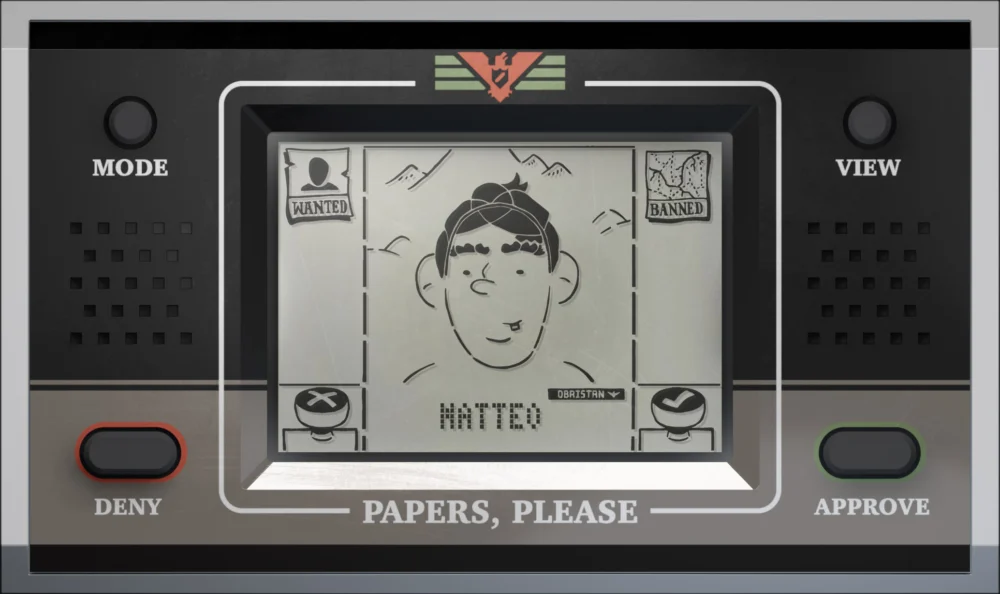
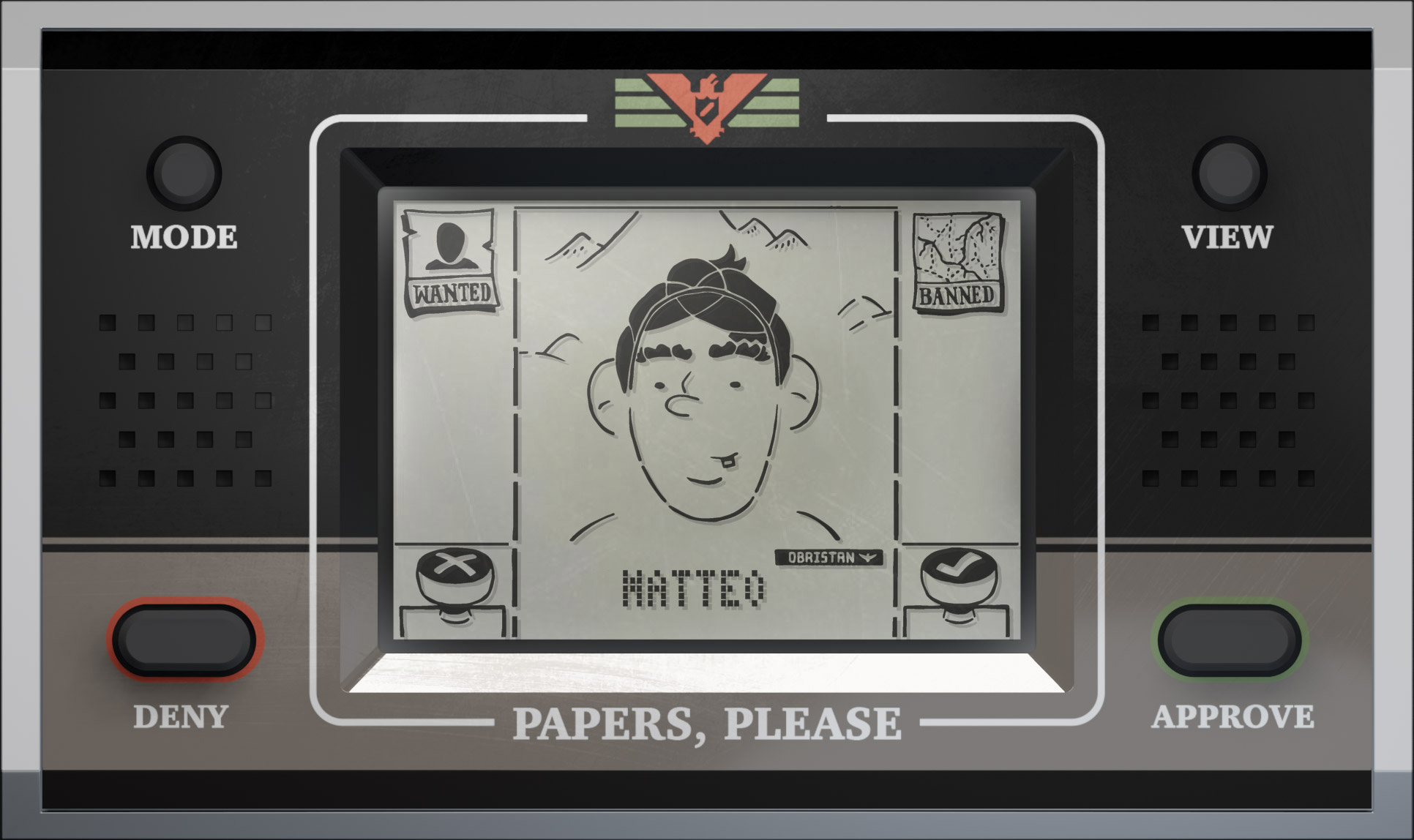
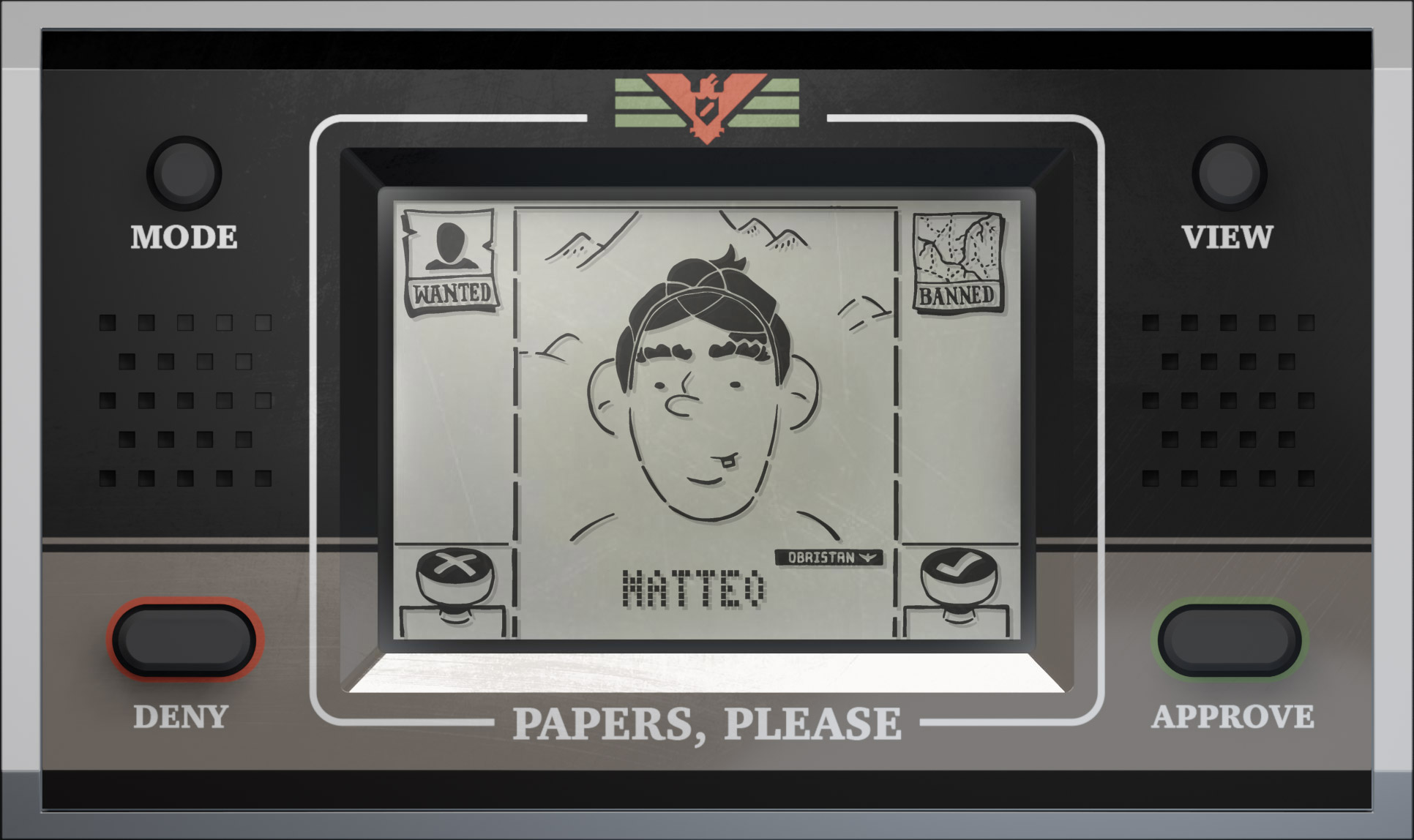
The standout release, LCD, Please, is a demake of Lucas Pope’s seminal 2013 title, Papers, Please. The original Papers, Please garnered widespread critical acclaim for its innovative gameplay mechanics, which tasked players with the morally complex role of a border immigration inspector in the fictional communist state of Arstotzka. Upon its release, the game was lauded for its ability to convey profound themes of bureaucracy, surveillance, moral compromise, and the human cost of political systems, all while maintaining engaging puzzle-solving elements. It received numerous accolades, including multiple Independent Games Festival awards and a BAFTA Games Award for Best Game, and has been consistently cited as a landmark title in the "serious games" movement, demonstrating the medium’s capacity for socio-political commentary. Its Metacritic score of 85/100 for PC underscores its critical success and enduring relevance, having sold over 1.8 million copies by 2018.
From Border Control to Handheld Emulation
A decade after the original’s release, Lucas Pope has revisited his creation with LCD, Please, a deliberate stylistic demake designed to emulate the constraints and aesthetics of classic handheld LCD games from the 1980s. This reinterpretation strips down the intricate decision-making and document verification of the original to its barest mechanical essence. Players are presented with simplified visual cues and binary choices, reflecting the limited graphical and processing capabilities of retro handheld devices. The transition from a detailed pixel-art environment to a stark, segment-display-like interface highlights Pope’s understanding of core game design principles. The demake focuses on rapid pattern recognition and the fundamental "sort and process" loop that underpinned Papers, Please, abstracting the moral dilemmas into quick, almost instinctual decisions. This design choice serves not merely as a nostalgic exercise but as a testament to the original game’s robust underlying mechanics, demonstrating how its core appeal transcends complex graphical presentations.
Design Philosophy and Nostalgic Resonance
The development of LCD, Please can be viewed as an artistic experiment in reductionism. By intentionally limiting the visual fidelity and mechanical complexity, Pope forces players to engage with the skeletal structure of his game design. This approach resonates deeply with players who grew up with early electronic games, invoking a sense of nostalgia for a bygone era of simpler, yet often addictive, gameplay loops. The demake format also subtly critiques the modern trend towards ever-increasing graphical realism, suggesting that innovation and engagement can thrive within strict limitations. Furthermore, LCD, Please reinforces the notion that effective game design lies in the clarity of its rules and the elegance of its systems, rather than solely in its presentation. The "cute little jaunt," as described by some, also serves as a gateway for new players, offering a less intimidating entry point into the world of Arstotzka, while simultaneously rewarding long-time fans with a fresh perspective on a beloved classic. Its release timeline, aligning with the original’s 10th anniversary, adds a chronological layer of reflection on the game’s impact and the evolution of indie development.
Broader Implications for Game Demakes
The creation of LCD, Please contributes to a growing trend within the indie game community of "demakes" — projects that recreate modern games with retro aesthetics and simplified mechanics. This phenomenon is not merely about nostalgia; it often serves as a form of critical analysis, dissecting the essence of a game to understand its fundamental design strengths. Demakes can also act as educational tools, illustrating how core concepts can be translated across different technological paradigms. Lucas Pope’s involvement in this demake lends significant credibility to the format, suggesting that such reinterpretations can be valuable artistic statements that extend the life and legacy of original works, offering both a new experience and a reminder of the foundational design elements that made the original so compelling. It speaks to the cyclical nature of creative inspiration, where past technologies inform present artistic expressions.
Charting the Cosmic Depths — Anglerfish Project
Fusing Solitude and Discovery in the Void
In a landscape often dominated by clear-cut genre classifications, Anglerfish Project by Selkie Harbour emerges as a compelling example of innovative genre blending. Traditionally, games have offered players distinct experiences, often separating the vastness of space exploration from the quiet contemplation of fishing. Anglerfish Project boldly marries these two seemingly disparate themes, presenting a narrative adventure that redefines the act of "fishing." Instead of aquatic creatures, players cast a modified probe into the cosmic abyss to retrieve fragments of messages. This unique mechanic anchors a deeply narrative-driven experience, shifting the focus from skill-based resource gathering to intellectual and emotional discovery. The premise challenges conventional gameplay expectations, inviting players into a meditative journey of unraveling cosmic mysteries.
Narrative as Core Mechanic
The game’s core innovation lies in its transformation of a familiar mechanic (fishing) into a vehicle for storytelling. Each retrieved message piece contributes to a larger tapestry, gradually revealing information about other entities in the vast universe. This approach foregrounds the narrative, making the act of "fishing" a metaphor for seeking connection and understanding in isolation. The writing is central to the experience, described as shining with "love" and fostering a "human kind of game." This emphasis on emotional resonance and empathetic storytelling aligns with a growing movement in indie games that prioritizes player feeling and narrative depth over high-octane action or complex mechanics. While the game’s runtime might be concise, its impact is concentrated, delivering a poignant and reflective experience that lingers with the player. This design choice implies a deliberate focus on quality over quantity, ensuring that every piece of dialogue and every retrieved fragment contributes meaningfully to the overarching story.
The Rise of Empathy-Driven Gaming
Anglerfish Project exemplifies the increasing prominence of "empathy games" or "kind games" within the independent sector. These titles often prioritize emotional connection, introspection, and gentle exploration over conflict or competition. They offer a counter-narrative to mainstream gaming, which frequently emphasizes power fantasies or competitive challenges. By allowing players to piece together fragmented messages from unknown cosmic entities, the game fosters a sense of shared humanity and universal longing for connection, even across interstellar distances. This focus on empathy and understanding positions Anglerfish Project as more than just entertainment; it becomes an experience that encourages reflection on existence, communication, and the inherent desire to understand "who else is out there." Such games contribute significantly to diversifying the emotional spectrum of interactive media.
Indie Innovation in Genre Blending
The successful fusion of space exploration and narrative-driven "fishing" in Anglerfish Project highlights the creative freedom and experimental spirit prevalent in independent game development. Without the constraints of large budgets or commercial expectations often found in AAA studios, indie developers like Selkie Harbour are empowered to explore unconventional mechanics and thematic combinations. This leads to a richer, more varied gaming landscape, where players can encounter experiences that challenge their perceptions of what a game can be. The game’s short runtime, while noted, often signifies a deliberate choice to deliver a focused, impactful experience rather than an expansive one, a common characteristic of many critically acclaimed indie titles that prioritize artistic vision and emotional depth. This innovative approach to genre blending is a testament to the enduring creativity within the indie scene, continuously pushing boundaries and redefining interactive storytelling.
A Quaint Journey with Sokpop — Frog’s Adventure
Sokpop Collective’s Prolific Output
The release of Frog’s Adventure from the Sokpop Collective further solidifies their unique position within the independent game development ecosystem. Based in Utrecht, Netherlands, Sokpop is renowned for its distinctive model: releasing a new, small-scale game every month, often available through a Patreon subscription or individual purchase on platforms like itch.io. This prolific output is a testament to their streamlined development process, collaborative spirit, and commitment to experimentation across a vast array of genres and artistic styles. Since their inception, Sokpop has released dozens of games, each a self-contained, often whimsical experience, ranging from puzzle games and simulations to platformers and narrative adventures. Their consistent delivery has built a dedicated community and established them as a reliable source of fresh, innovative indie content, demonstrating the viability of a rapid-prototyping, iterative development model in a commercial context. Their ability to "raise the bar for themselves with every release" points to a continuous refinement of their craft within their established framework.
Charming Aesthetics and Simple Joys
Frog’s Adventure exemplifies many of Sokpop’s signature strengths, most notably its charming, hand-drawn art style and endearing protagonist. The game centers around an "adorable sentient frog," whose visual appeal alone creates an immediate connection with the player. This focus on character charm and aesthetic pleasure is a hallmark of many Sokpop titles, which often prioritize a delightful visual experience and a relaxed atmosphere over high-stakes action or complex challenges. The gameplay itself, described as "mostly wandering around from point to point carting doodads back and forth class Adventure Game style," suggests a return to the simpler joys of classic adventure games. The emphasis is on exploration, interaction with a variety of characters, and gentle puzzle-solving, rather than intricate combat or resource management. This approach creates a "joyous" experience where the journey and the visual appeal are paramount, resonating with players seeking a more laid-back, aesthetically pleasing interactive experience. The game’s success hinges on its ability to evoke a sense of wonder and delight through its presentation and straightforward mechanics.
The Business Model of Consistent Creativity
Sokpop’s sustained success with its monthly release model offers valuable insights into alternative business strategies for indie developers. By focusing on smaller, manageable projects, they mitigate the risks associated with long, costly development cycles, common in larger studios. This approach allows them to constantly iterate, learn, and respond to community feedback, while also maintaining a steady stream of income through their subscription model. The diversity of their game releases ensures that there is often something new to appeal to a broad spectrum of players, preventing stagnation and maintaining interest. Frog’s Adventure, with its polished hand-drawn visuals and character interactions, demonstrates that even within a rapid-release schedule, quality and artistic integrity can be maintained and even elevated. This model contrasts sharply with the traditional, multi-year development cycles of many games, proving that consistent, smaller-scale creativity can be a powerful and sustainable force in the industry. The collective’s ability to consistently deliver unique experiences also fosters a strong sense of community, as players eagerly anticipate each new monthly offering.

Influence on Indie Development Trends
Sokpop’s distinctive development and release strategy has influenced and validated similar models within the indie game space. Their success demonstrates that a focus on iterative design, diverse genre exploration, and a direct relationship with a supportive player base can lead to sustainable creative output. Frog’s Adventure contributes to this legacy by showcasing their ability to craft visually appealing and emotionally resonant experiences, even within their self-imposed constraints. The game’s emphasis on delightful aesthetics and simple, engaging mechanics aligns with a broader trend in indie gaming that values unique artistic vision and accessible gameplay over graphical realism or complex systems. Sokpop continues to prove that passion, consistency, and a clear creative vision can carve out a significant niche in an increasingly competitive industry, offering a template for other aspiring collectives and independent developers to consider when structuring their creative endeavors and market approaches.
The diverse offerings from itch.io this week—ranging from Lucas Pope’s thoughtful demake of Papers, Please to Selkie Harbour’s emotionally rich Anglerfish Project and Sokpop’s consistently charming Frog’s Adventure—underscore the platform’s vital role in fostering innovation and artistic expression within the independent game development community. These titles collectively highlight significant trends: the artistic merit of revisiting and reinterpreting classic game design, the power of narrative-driven experiences that blend unexpected genres, and the sustainable creative output possible through unique development models. As the gaming landscape continues to evolve, itch.io remains a crucial hub for discovering experiences that push boundaries, evoke profound emotions, and celebrate the boundless creativity inherent in independent game development. The continued emergence of such distinctive titles ensures that the future of interactive entertainment remains vibrant and endlessly surprising.
About the Author