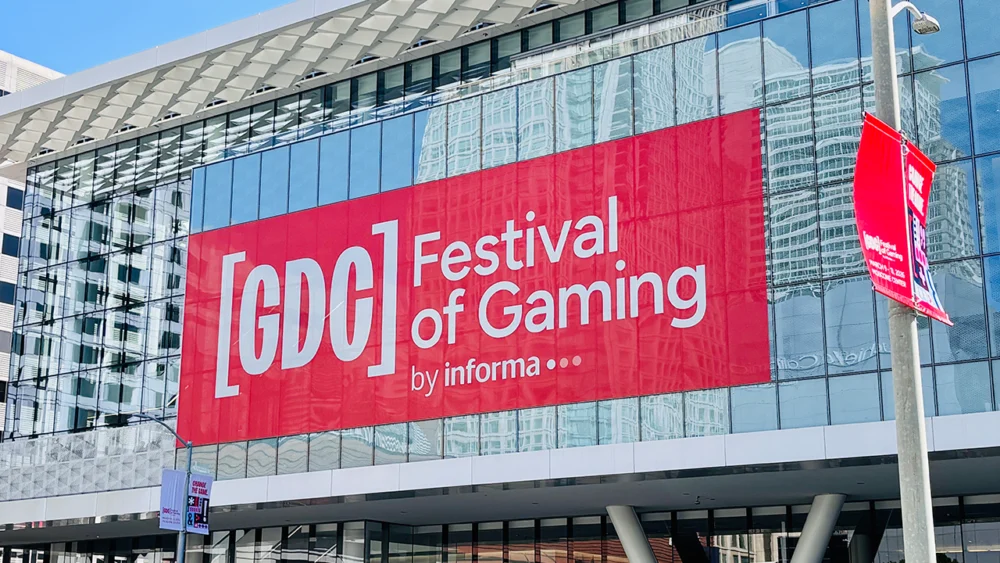
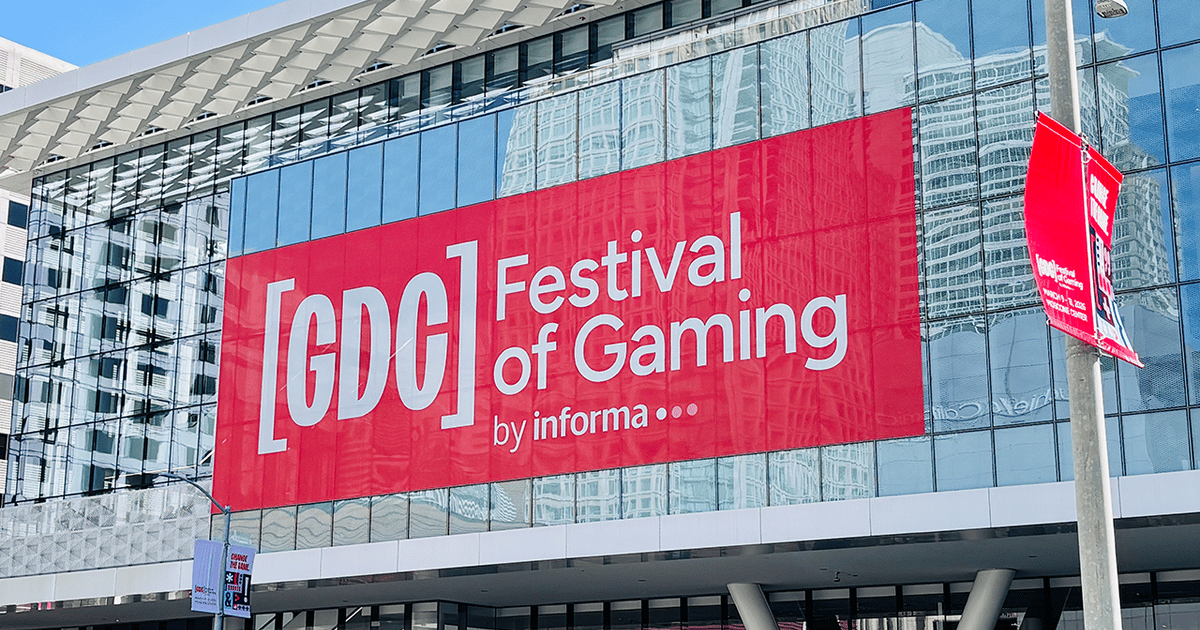
San Francisco, CA – The Game Developers Conference (GDC) Festival of Gaming 2026 successfully concluded on March 13, having welcomed over 20,000 unique attendees to its reimagined format at the Moscone Center and the Blue Shield of California Theater at YBCA. This year marked a pivotal moment for the venerated industry event, following a significant rebranding and a comprehensive overhaul of its pricing structure and pass types, all aimed at enhancing accessibility and fostering a more inclusive environment for the global game development community.
The week-long showcase, which ran from March 9 to March 13, served as a vibrant nexus for innovation, collaboration, and knowledge exchange within the dynamic landscape of interactive entertainment. Attendees from over 85 countries converged in San Francisco, participating in a robust program that featured more than 700 cross-disciplinary sessions delivered by 1,100 expert speakers. Beyond the educational tracks, the festival facilitated thousands of crucial networking meetings and showcased the latest advancements from over 300 exhibitors on its expansive show floor. The atmosphere was reportedly electric, reflecting a renewed sense of community and forward momentum for an industry in constant evolution.
The Genesis of a Reimagined GDC
The transformation into the "GDC Festival of Gaming" was not an overnight decision but rather the culmination of extensive feedback and strategic planning following the 2025 event. Historically, GDC has been the epicenter for game developers worldwide, offering unparalleled opportunities for learning, networking, and business development. However, over the years, concerns had grown regarding the escalating cost of attendance, the complexity of various pass tiers, and the perceived barriers to entry for independent developers, students, and professionals from emerging markets. These factors, coupled with the broader economic shifts and evolving industry demographics, prompted Informa Festivals, the event organizer, to undertake a radical reimagination.
The rebranding, initiated in late 2024 and fully implemented for the 2026 edition, sought to address these challenges head-on. A major pricing overhaul significantly lowered ticket prices across the board, making the comprehensive content of GDC more attainable for a wider audience. Simultaneously, the simplification of pass structures aimed to reduce confusion and streamline the registration process, ensuring that attendees could more easily access the specific tracks and experiences most relevant to their professional development. This strategic pivot underscored a commitment to GDC’s foundational mission: to empower game creators at all stages of their careers. The "Festival of Gaming" moniker itself signaled a shift towards a more expansive, celebratory, and inclusive experience, moving beyond the traditional conference model to embrace a broader spectrum of interactive engagement.
Attendance Metrics and Industry Context
The reported figure of 20,000 unique attendees for the 2026 GDC Festival of Gaming represents a significant indicator of the industry’s engagement with the new format. To contextualize this, Informa Festivals noted that the 2025 event, operating under the previous model, attracted 30,000 attendees, a figure that included approximately 6,000 participants in the GDC Nights evening program. While a direct year-over-year comparison between "unique attendees" and "total attendees" can be nuanced, the organizers have positioned the 2026 outcome as a strong validation of their strategic changes. The emphasis on "unique" attendees for 2026 suggests a distinct individual presence, which can be a robust measure of core engagement, particularly when considering the pricing and accessibility initiatives.
Prior to the pandemic, GDC often saw attendance figures ranging between 25,000 and 29,000. The post-pandemic landscape brought its own set of challenges, including shifts towards hybrid or virtual events, and a cautious return to large-scale in-person gatherings. The 2026 attendance, therefore, reflects a healthy return to robust in-person participation, especially given the explicit goal of making the event more accessible rather than solely maximizing sheer numbers. The success of the "Festival of Gaming" approach suggests that while total headcount might fluctuate, the quality of engagement and the diversity of participants have potentially increased. This move is particularly relevant in an industry grappling with talent retention, fostering diverse voices, and providing opportunities for independent developers to thrive alongside their AAA counterparts.
A Program Designed for the Future
The extensive program of over 700 sessions, presented by 1,100 speakers, covered a vast array of topics critical to modern game development. Tracks likely included cutting-edge discussions on artificial intelligence and machine learning in game design, advancements in virtual and augmented reality, evolving monetization strategies, best practices in community management, and the ever-present challenges of game production and team leadership. Specialized workshops on narrative design, audio engineering, visual effects, and programming languages would have catered to highly specific professional needs. The "cross-disciplinary" nature highlighted by the organizers underscores a recognition that modern game development demands holistic knowledge, bridging technical, artistic, and business domains.
The presence of more than 300 exhibitors transformed the Moscone Center’s exhibition halls into a bustling marketplace of ideas and opportunities. This typically includes major platform holders showcasing their latest hardware and developer tools, middleware providers demonstrating essential software solutions, recruitment agencies connecting talent with studios, and a significant presence of independent developers in dedicated "Indie Megabooth" or similar areas. For many smaller studios and individual creators, the exhibit floor is not just about showcasing their work but also about securing crucial funding, publisher deals, and talent acquisition. The "thousands of networking meetings" reported are a testament to the event’s continued role as a primary facilitator of business development and partnership building within the industry. These informal and formal interactions often lay the groundwork for future projects, collaborations, and career advancements.
Leadership’s Vision and Community Impact
Nina Brown, President of GDC, articulated the success of this transformative year in a press release. "This was the first year of a bold new concept for GDC," Brown stated. "We are thrilled that 20,000 unique attendees representing our global community showed up from over 85 countries and trusted us with this evolution. The energy across the Festival, from packed sessions to a vibrant show floor and thousands of meetings happening throughout the week, demonstrates how powerful it is when our industry comes together to learn from one another, build partnerships and shape what comes next for games."
Brown’s remarks underscore the strategic intent behind the changes: to foster a dynamic, interactive environment that responds directly to community needs. The emphasis on "community feedback" as the bedrock of this transformation suggests a responsive and adaptive leadership approach. This inclusive philosophy resonates deeply with a global industry that increasingly values diversity, accessibility, and shared learning. The vibrant energy observed across the festival, from densely attended sessions to bustling exhibition areas, indicates that the core appeal of GDC – its ability to convene, inspire, and educate – remains undiminished, even as its format evolves.
From an industry perspective, the GDC Festival of Gaming’s success in attracting a substantial number of unique attendees despite a deliberate pivot in its model sends a strong signal. It suggests that the game development community values an in-person, comprehensive event that prioritizes accessibility and meaningful engagement. In an era where many events struggle to define their value proposition against the backdrop of digital alternatives, GDC’s ability to draw a diverse global audience reaffirms the enduring power of physical gatherings for creative industries.
Broader Implications and Future Outlook
The implications of the 2026 GDC Festival of Gaming extend beyond just attendance numbers. The focus on accessibility and a simplified structure could lead to a more diverse demographic of attendees in future years. Lower ticket prices can empower a wider range of participants, including students, aspiring developers, and professionals from regions with less robust economies, to access critical industry knowledge and networking opportunities. This, in turn, can contribute to a more diverse and innovative global talent pool, fostering new perspectives and creative approaches within game development.
Furthermore, the "Festival of Gaming" concept might pave the way for other industry events to re-evaluate their own models. The balance between high-level business engagement and broad community participation is a delicate one, and GDC’s 2026 experience offers a compelling case study for achieving both. The event’s commitment to continuous evolution, as expressed by Nina Brown, indicates a proactive stance in adapting to the ever-changing needs of the game industry. This iterative approach, built on feedback and responsiveness, positions GDC to remain relevant and impactful for years to come.
For San Francisco, the return of GDC with such robust attendance is also a significant boost to the local economy. Major conferences like GDC bring substantial revenue through hotel bookings, restaurant patronage, transportation, and ancillary services, supporting thousands of local jobs. The long-standing relationship between GDC and the city of San Francisco continues to be mutually beneficial, solidifying the city’s role as a major hub for technology and innovation.
Looking ahead, the GDC Festival of Gaming is already setting its sights on the future. The event is scheduled to return to the Moscone Center next year, running from March 1 to March 5, 2027. Developers, researchers, and industry professionals are encouraged to begin preparing their contributions, as the call for submissions for the GDC Festival of Gaming 2027 is slated to open in early July 2026. This early announcement underscores the continuous planning cycle and the anticipation for another impactful gathering.
As Game Developer, a sibling publication under Informa Festivals, continues to report on the intricacies of the industry, the success of the GDC Festival of Gaming 2026 stands as a testament to the resilience, adaptability, and unwavering spirit of the global game development community. The event’s evolution reflects a concerted effort to dismantle barriers, amplify voices, and collectively shape the next exciting chapter for games worldwide.
About the Author