Halfbrick Studios, the acclaimed Australian developer responsible for iconic mobile titles such as Jetpack Joyride and Fruit Ninja, has confirmed an undisclosed number of layoffs, impacting employees based in Australia and leading to the conclusion of "a number of engagements internationally." The Brisbane-founded company, which now operates as a fully-remote studio, cited a "challenging period" as the primary driver behind these significant organizational changes, emphasizing that the decisions were made based on "organizational and strategic priorities, not individual performance." This restructuring aligns Halfbrick with a broader trend of significant workforce reductions seen across the global video game industry over the past two years, as studios grapple with shifting market dynamics, increased competition, and economic pressures.
A Legacy of Innovation in Mobile Gaming
Established in Brisbane, Australia, Halfbrick Studios carved out a formidable reputation in the early 2010s, becoming synonymous with accessible yet highly addictive mobile gaming experiences. Their breakthrough title, Fruit Ninja, launched in 2010 for iOS devices, revolutionized touch-screen gaming with its intuitive swipe-to-slice mechanic. The game’s instant popularity propelled it to global success, becoming one of the most downloaded apps of its era and solidifying Halfbrick’s position as a leading mobile game developer. Its simple premise, combined with satisfying visuals and sound design, made it a cultural phenomenon, spawning merchandise, arcade versions, and numerous sequels.
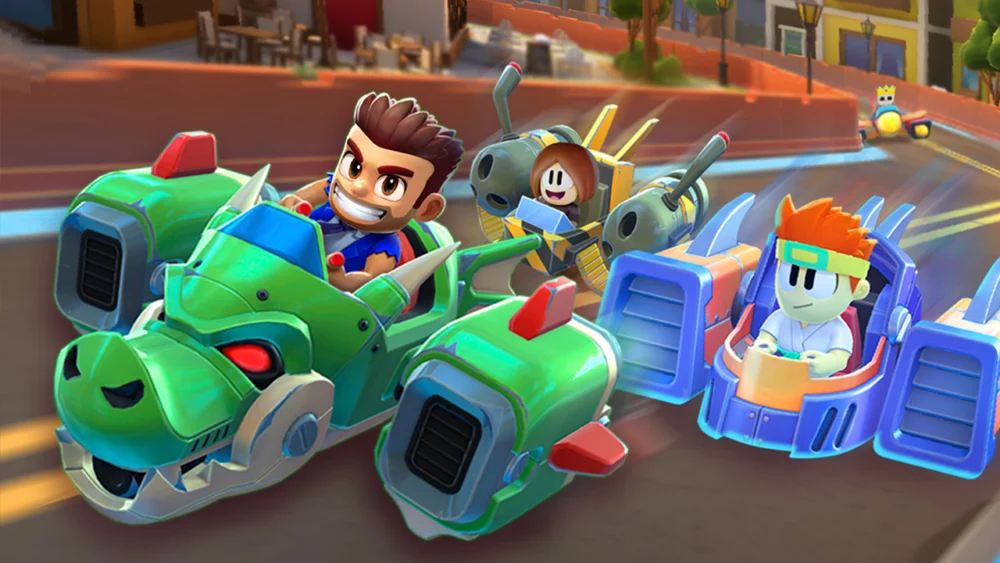
Following the immense success of Fruit Ninja, Halfbrick further cemented its legacy with the release of Jetpack Joyride in 2011. This endless runner offered a more elaborate gameplay experience, featuring Barry Steakfries, a protagonist who commandeers a jetpack to navigate a constantly scrolling laboratory while avoiding obstacles and collecting coins. Jetpack Joyride was lauded for its polished graphics, diverse gadgets, and engaging progression system, earning critical acclaim and further expanding Halfbrick’s global player base. These two titles alone represent a significant chapter in the history of mobile gaming, demonstrating how innovative design and meticulous execution could captivate millions on nascent smartphone platforms.
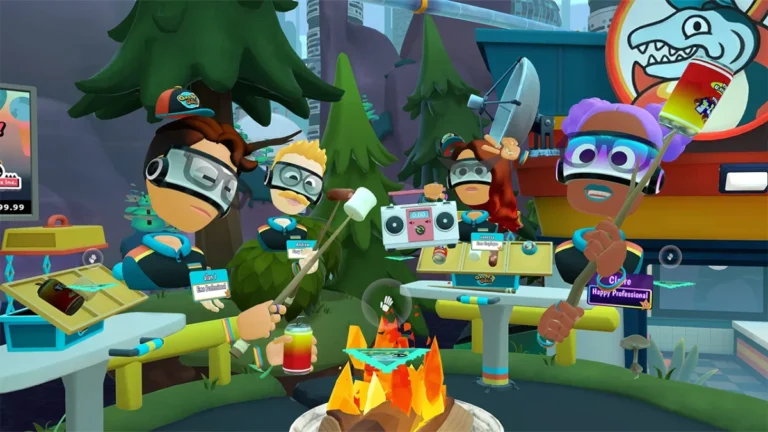
Over the years, Halfbrick continued to develop and diversify its portfolio. While their roots were firmly in mobile, the studio explored other platforms and genres. This included venturing into the nascent virtual reality market with Fruit Ninja VR in 2016 and its sequel, Fruit Ninja VR 2, in 2021, showcasing an adaptability to emerging technologies. More recently, the studio expanded its development efforts to PC and console platforms, culminating in the launch of Bluey’s Quest for The Gold Pen in December 2025. This project, based on the popular Australian children’s animated series Bluey, represented a strategic move to tap into a different audience and leverage a beloved intellectual property, indicating a continued ambition to innovate beyond their established mobile hits.
The Official Statement and Support for Affected Employees
The announcement of the layoffs came via a statement posted on Halfbrick’s official LinkedIn page. The studio’s communication underscored the difficult nature of the decision while striving to maintain transparency and support for those affected. "These changes are driven by organizational and strategic priorities, not individual performance," the statement read, a common sentiment in corporate restructuring announcements designed to reassure employees about their professional value. This phrasing is crucial as it shifts the narrative from individual shortcomings to broader business imperatives, often related to market conditions, project cancellations, or a re-evaluation of strategic direction.
The company further expressed profound gratitude for the contributions of its departing staff. "The most important thing to say is this: the people affected by this decision have made meaningful contributions to Halfbrick. They have helped shape our games, supported our players, and been an important part of this studio. We are sincerely grateful for everything they have brought to the company." This acknowledgment aims to foster a sense of respect and appreciation, crucial for preserving the company’s reputation within the tight-knit game development community and for the morale of remaining employees.
In a proactive measure to assist its former team members, Halfbrick has publicly implored other studios with job openings to consider hiring its now-available talent. "Halfbrick has always cared deeply about the people we bring in, and there is exceptional talent among those now looking for their next opportunity," the studio added. "Our focus right now is on handling this transition with care, respect, and genuine appreciation for the people who have contributed so much to Halfbrick." This commitment to facilitating new opportunities for laid-off employees is a commendable practice in the industry, demonstrating a responsibility beyond the immediate termination of employment. It also highlights the studio’s belief in the high caliber of its workforce, even as it undergoes contraction.

A Broader Industry Trend: The "Great Correction"
Halfbrick Studios’ announcement arrives amidst a period of unprecedented turbulence and consolidation across the global video game industry. What many analysts are now terming the "Great Correction" has seen tens of thousands of industry professionals lose their jobs since late 2022, a trend that accelerated dramatically through 2023 and has shown little sign of abating in 2024 and beyond. The year 2023 alone witnessed an estimated 10,500 layoffs across various game companies, with the first two months of 2024 adding another 8,000 to that tally. By the time Halfbrick’s announcement came in March 2026, the industry had endured over three years of sustained workforce reductions.
Major players and smaller independent studios alike have been impacted. Giants such as Microsoft, following its acquisition of Activision Blizzard, announced 1,900 layoffs. Sony Interactive Entertainment cut 900 positions globally, including significant reductions at Naughty Dog and Insomniac Games. Embracer Group embarked on a massive restructuring program affecting multiple studios under its vast umbrella, leading to thousands of job losses and project cancellations. Unity Technologies, the ubiquitous game engine provider, also underwent multiple rounds of significant layoffs. Epic Games, Riot Games, BioWare, and Gearbox Entertainment are just a few more names on a long list of companies that have downsized their workforces.
Several factors contribute to this widespread industry contraction:
- Over-hiring During the Pandemic Boom: The COVID-19 pandemic led to a surge in gaming engagement as people sought entertainment during lockdowns. Many companies expanded rapidly to meet this increased demand, often projecting this growth to continue indefinitely.
- Post-Pandemic Normalization: As global economies reopened, consumer spending shifted back towards other forms of entertainment and activities, leading to a slowdown in gaming’s exponential growth. This left many studios overstaffed relative to current market conditions.
- Economic Headwinds: High inflation, rising interest rates, and a general economic slowdown have impacted consumer discretionary spending, including game purchases. Development costs, meanwhile, have continued to escalate, creating a squeeze on profit margins.
- Increased Competition and Market Saturation: The gaming market, particularly the mobile segment, has become incredibly saturated. Standing out and acquiring new users is more expensive than ever, especially with privacy changes like Apple’s App Tracking Transparency (ATT) framework, which has significantly increased the cost and complexity of mobile user acquisition.
- Project Cancellations and Strategic Realignments: Many studios are re-evaluating their project pipelines, canceling games that may not meet increasingly stringent financial targets, or pivoting strategies to focus on core franchises or more cost-effective development models.
- Mergers and Acquisitions: While intended to create stronger entities, large-scale acquisitions often result in redundancies as companies consolidate departments and eliminate overlapping roles.
For Halfbrick, operating as a fully-remote studio, the "conclusion of a number of engagements internationally" suggests a potential recalibration of their global talent acquisition strategy or the winding down of specific project teams that relied on international contractors or remote employees. The shift from a Brisbane-centric studio to a fully-remote model, while offering flexibility, also exposes the company to a wider pool of talent but potentially also greater competition and the complexities of managing a geographically dispersed workforce in an uncertain economic climate.
Implications for Halfbrick’s Future and the Australian Game Development Scene
The layoffs at Halfbrick Studios signal a period of significant strategic re-evaluation for the developer. While the company has not specified which "organizational and strategic priorities" are driving these changes, it is plausible that Halfbrick will streamline its operations, potentially focusing resources on its most successful existing intellectual properties or on a smaller, more focused pipeline of new projects. The recent launch of Bluey’s Quest for The Gold Pen suggests a commitment to diversified platforms, but the success and long-term viability of such ventures will undoubtedly be under intense scrutiny following these workforce reductions. The mobile gaming landscape has evolved dramatically since Fruit Ninja and Jetpack Joyride first dominated app stores, with free-to-play models, live-service games, and hyper-casual genres now prevalent. Halfbrick’s future strategy may involve adapting more aggressively to these contemporary trends, or perhaps doubling down on high-quality, premium experiences across various platforms.
For the Australian game development scene, Halfbrick’s announcement is a somber reminder of the industry’s volatility. Australia has a vibrant and growing game development sector, supported by government initiatives and a strong talent pool. However, even well-established studios are not immune to global pressures. The availability of highly skilled professionals from Halfbrick entering the job market, while unfortunate for the individuals, could present opportunities for other local studios looking to expand or for new ventures to emerge. The call from Halfbrick for other studios to consider their former employees is a testament to the community spirit within the Australian industry, often characterized by collaboration and mutual support.
In conclusion, Halfbrick Studios’ decision to reduce its workforce reflects the challenging realities confronting the global video game industry. As one of Australia’s most recognizable game developers, their move underscores that even companies with a history of monumental success are not immune to the economic headwinds and evolving market dynamics currently reshaping the sector. While the immediate focus remains on supporting the affected employees, this restructuring marks a critical juncture for Halfbrick as it navigates a complex period, aiming to re-align its operations and strategic vision for sustained success in an ever-competitive and rapidly changing digital entertainment landscape. The broader industry continues its process of recalibration, signaling a new era of cautious growth and strategic consolidation for developers worldwide.
About the Author