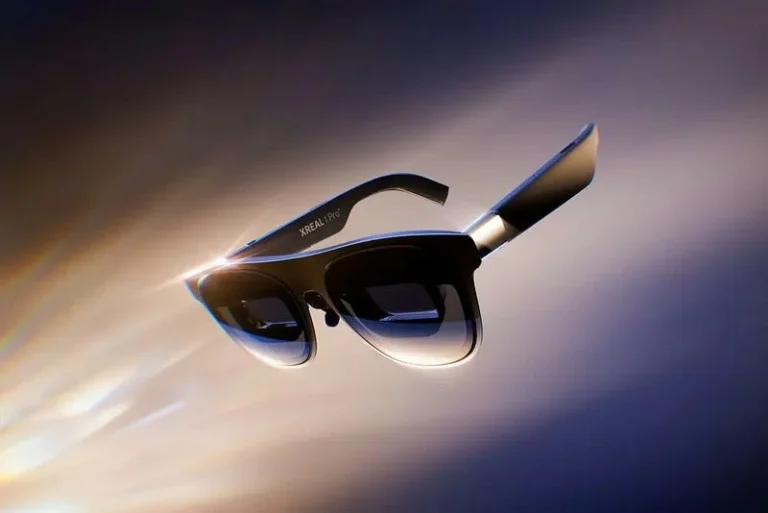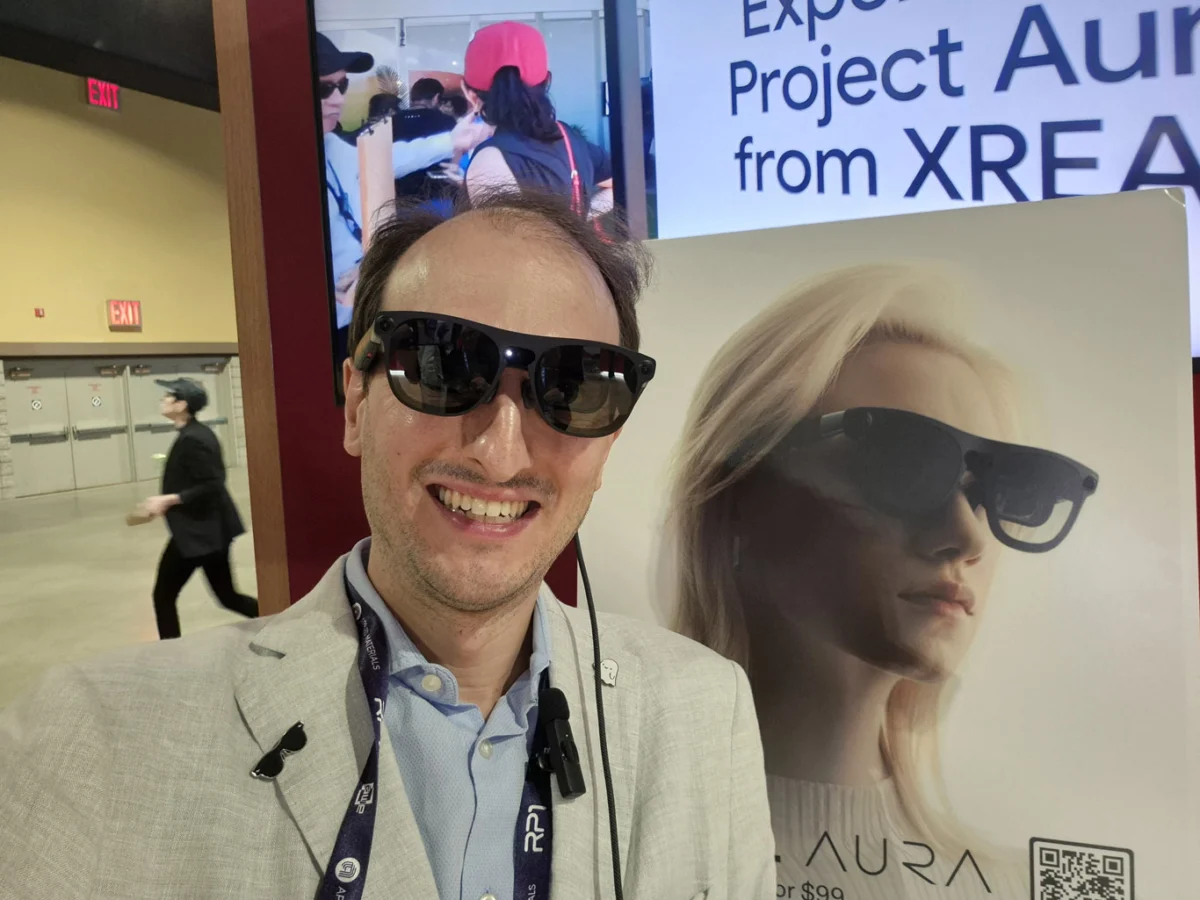
The augmented reality sector reached a significant milestone this week as XREAL officially launched its Aura AR glasses during the Android Dev Summit, signaling an intensified competition for consumer-grade spatial computing. The launch, which transitioned the device from a reservation-based model to general availability on XREAL’s website and through major retailers like Best Buy, was accompanied by a strategic pricing maneuver designed to capture market share. XREAL confirmed a standard retail price of $1,499; however, the company introduced a substantial launch incentive, discounting the units to $1,299 for all purchases made before the end of 2026. This $200 price reduction is widely interpreted by industry analysts as a direct effort to compete with Meta’s high-end wearable offerings, providing a more accessible entry point for early adopters and enterprise developers.
Market Positioning and Strategic Launch Timeline
The initial rollout of the XREAL Aura is slated to begin in mid-November, with shipping prioritized for the United States, Canada, Japan, and South Korea. Notably, the European Union and Australia have been excluded from the primary launch phase. This regional restriction has raised questions regarding regulatory compliance, particularly concerning the integration of AI-driven features that may require further alignment with the European Union’s Artificial Intelligence Act. By focusing on the North American and East Asian markets first, XREAL aims to solidify its footprint in regions with established developer communities and high consumer demand for wearable tech.
To bolster the software ecosystem for the Aura, XREAL announced several key content partnerships and developer tools. Among the most prominent is the release of an AR-optimized version of "Fallout: Factions," a 1v1 tabletop game that leverages the device’s spatial mapping capabilities. Furthermore, the Godot game engine has officially added compatibility for the Aura glasses, providing an open-source alternative for developers to create immersive content without being tethered to proprietary ecosystems.

Contrasting Financial Performance in Immersive Technology
While the AR glasses market shows signs of aggressive expansion, the broader virtual reality (VR) sector is navigating a period of cooling demand. In its Q3 earnings report, Meta revealed that revenue for its Reality Labs segment reached $443 million, representing a 6% decline compared to the previous year. The company attributed this downturn primarily to lower sales volumes of Quest VR headsets. However, this decline was partially offset by robust growth in AI-enabled smartglasses revenue.
Mark Zuckerberg, CEO of Meta, addressed the shift in consumer interest by stating that the company remains committed to the long-term future of VR but will prioritize the launch of new headsets only when they represent a "major breakthrough" in form factor or functionality. This strategic pivot suggests that the industry is moving away from incremental hardware updates in favor of disruptive innovations that can capture new market segments.
Concurrent with Meta’s report, its manufacturing partner EssilorLuxottica reported record-breaking revenues, bolstered significantly by the wearables sector. The Franco-Italian eyewear conglomerate noted that its wearables division, which includes the Ray-Ban Meta smartglasses and Nuance Audio solutions, generated €486 million in revenue—approximately 6.5% of the company’s total earnings. While growth in smartglasses sales slowed to 20% in the third quarter from a peak of nearly 100% in the preceding quarter, the figures remain a testament to the rising consumer preference for lightweight, stylish AI wearables over bulky VR head-mounted displays.
Emerging Competitors and Hardware Innovations
The landscape of wearable technology is further diversifying with rumored entries and niche launches. Reports from South Korea suggest that Samsung is preparing to launch its own smartglasses in mid-December 2026. According to the current timeline, the device will initially be available in the United States and South Korea before a wider rollout to China, Europe, and Japan. Industry observers have noted that a mid-December launch is unconventional, as it misses the critical Black Friday and Cyber Monday sales windows. Speculation persists that the delay in European availability is linked to Gemini AI integration and the necessity of adhering to strict regional data privacy and AI regulations.

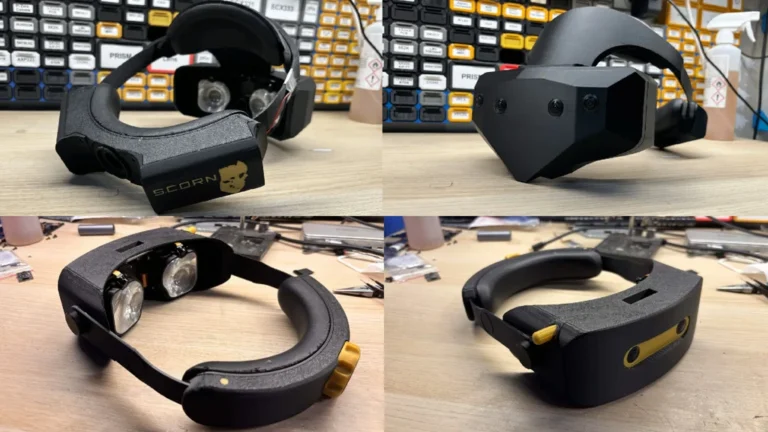
In a move targeting privacy-conscious users and developers, Raven recently launched the Raven Prism 1. Unlike the consumer-oriented Aura, the Prism 1 is a monocular smartglass system running on a Linux-based operating system. Priced at $1,499, the device emphasizes privacy with features such as a physical camera shutter and a focus on eye-and-voice-controlled computing. The Raven Prism 1 represents a growing trend of "sovereign" hardware, designed for users who wish to avoid the data-harvesting ecosystems of major tech conglomerates.
Additionally, Rokid held its "Rokid Jungle" flagship event in China, unveiling a suite of new hardware. The announcements included the Rokid Color, a monocular AR glass weighing only 45 grams; the Rokid Glasses 2, a binocular system designed for lightweight daily use; and the Rokid Ring, a specialized controller intended to improve the precision of spatial interactions.
Content Challenges and Industry Sustainability
Despite hardware advancements, the "content dilemma" remains a significant hurdle for the XR (Extended Reality) industry. During a recent technical briefing, representatives from Valve emphasized that the lack of high-quality, dedicated VR content is a primary reason users are gravitating toward "flat-screen" games on devices like the Steam Frame rather than immersive VR experiences. This observation underscores the need for "killer apps" that justify the investment in expensive hardware.
The sustainability of the VR gaming market was further called into question following reports of significant layoffs at Schell Games. As a veteran studio responsible for the critically acclaimed "I Expect You To Die" series, Schell Games’ decision to reduce its workforce for the second time in 2026 serves as a sobering indicator of the financial pressures facing independent developers. The current market appears to favor social VR platforms and children’s content, leaving traditional high-fidelity game studios in a precarious position.

Technical Developments and Developer Tools
On the software front, Google has integrated its XR Blocks framework into the Google AI Studio. This tool, powered by the Gemini LLM, allows developers to use "vibe-coding" techniques—generating complete, physics-aware WebXR applications from simple natural language prompts. This advancement is expected to lower the barrier to entry for XR development, allowing for rapid prototyping directly within Chrome browsers on Android-powered headsets like the XREAL Aura and the upcoming Samsung Galaxy XR.
Simultaneously, the modding community continues to push boundaries with tools like Venture, a new emulator that claims to allow PC VR users to play Meta Quest-exclusive titles on a computer. However, legal experts warn that such emulation may violate Meta’s Terms of Service, creating a potential conflict between hardware manufacturers and the enthusiast community. In a related development, Anthropic has updated its Claude LLM guidelines to prohibit the reverse-engineering and decompiling of software, a move that could complicate the creation of VR mods for existing non-VR games.
Broader Implications for the Future of Spatial Computing
The events of late 2026 indicate a clear maturation of the AR market alongside a consolidation of the VR sector. As Meta and XREAL compete for dominance in the "all-day wearable" category, the focus has shifted from pure immersion to utility, AI integration, and retail experience. Meta’s recent efforts to improve its "Meta Lab" retail demos inside Best Buy locations highlight the importance of physical touchpoints in converting curious consumers into long-term users.
As the industry moves toward 2027, the success of these devices will likely depend on their ability to bridge the gap between niche enthusiast hardware and mainstream consumer electronics. With rumors of high-resolution refreshes already circulating for the XREAL Aura and Samsung’s imminent entry into the market, the competition in the spatial computing arena is poised to intensify, driving further innovation in optics, AI, and developer accessibility.
About the Author