The digital landscape has been irrevocably altered by the acquisition and subsequent transformation of Twitter into X under Elon Musk’s ownership, prompting a profound re-evaluation of centralized social media platforms and accelerating interest in decentralized alternatives. The tumultuous period following the October 2022 takeover has sparked extensive debate among users, developers, advertisers, and policymakers regarding content moderation, platform governance, and the very nature of online public discourse. This shift has not only reshaped one of the world’s most influential communication channels but has also underscored the inherent vulnerabilities when a global digital public square is subject to the unilateral decisions of a single owner.
The Genesis of a Digital Town Square and its Centralized Challenges
For over a decade, Twitter served as a pivotal platform for real-time information dissemination, political discourse, and cultural exchange. Launched in 2006, it quickly distinguished itself through its brevity and immediacy, becoming an indispensable tool for journalists, activists, celebrities, and everyday users. Its concept as a "global town square" allowed for unprecedented connectivity, enabling individuals to engage with diverse viewpoints and track unfolding events as they happened. However, this centralized model also presented persistent challenges, particularly concerning content moderation, the spread of misinformation, and the management of online harassment. The "free speech" ethos, often championed by its early proponents, frequently clashed with the practical realities of fostering a healthy and inclusive environment for billions of users.
As noted by various social scientists and echoed in critical analyses, large-scale online gatherings often devolve into conflict rather than constructive dialogue. The inherent human capacity for stable relationships, often cited as around 150 individuals (Dunbar’s number), suggests that platforms attempting to aggregate millions or billions of users into a single, undifferentiated space may be fundamentally at odds with human social psychology. This tension became increasingly apparent during periods of heightened political polarization, such as the Trump era, when Twitter’s role in amplifying contentious narratives and its struggle with moderation policies came under intense scrutiny. Critics argued that the platform, despite its utility, fostered an environment that was often detrimental to mental well-being and conducive to echo chambers or hostile interactions.

The Acquisition and Immediate Aftermath: A Chronology of Disruption
Elon Musk’s interest in acquiring Twitter became public in early 2022, culminating in a $44 billion deal finalized on October 27, 2022. The acquisition was characterized by a chaotic negotiation process, including attempts by Musk to withdraw from the deal, ultimately leading to a legal battle that forced the completion of the sale. Musk articulated a vision of transforming Twitter into an "everything app" called X, promising a renewed commitment to free speech while simultaneously addressing what he perceived as the platform’s bureaucratic inefficiencies and ideological biases.
The immediate aftermath of the acquisition was marked by unprecedented upheaval:
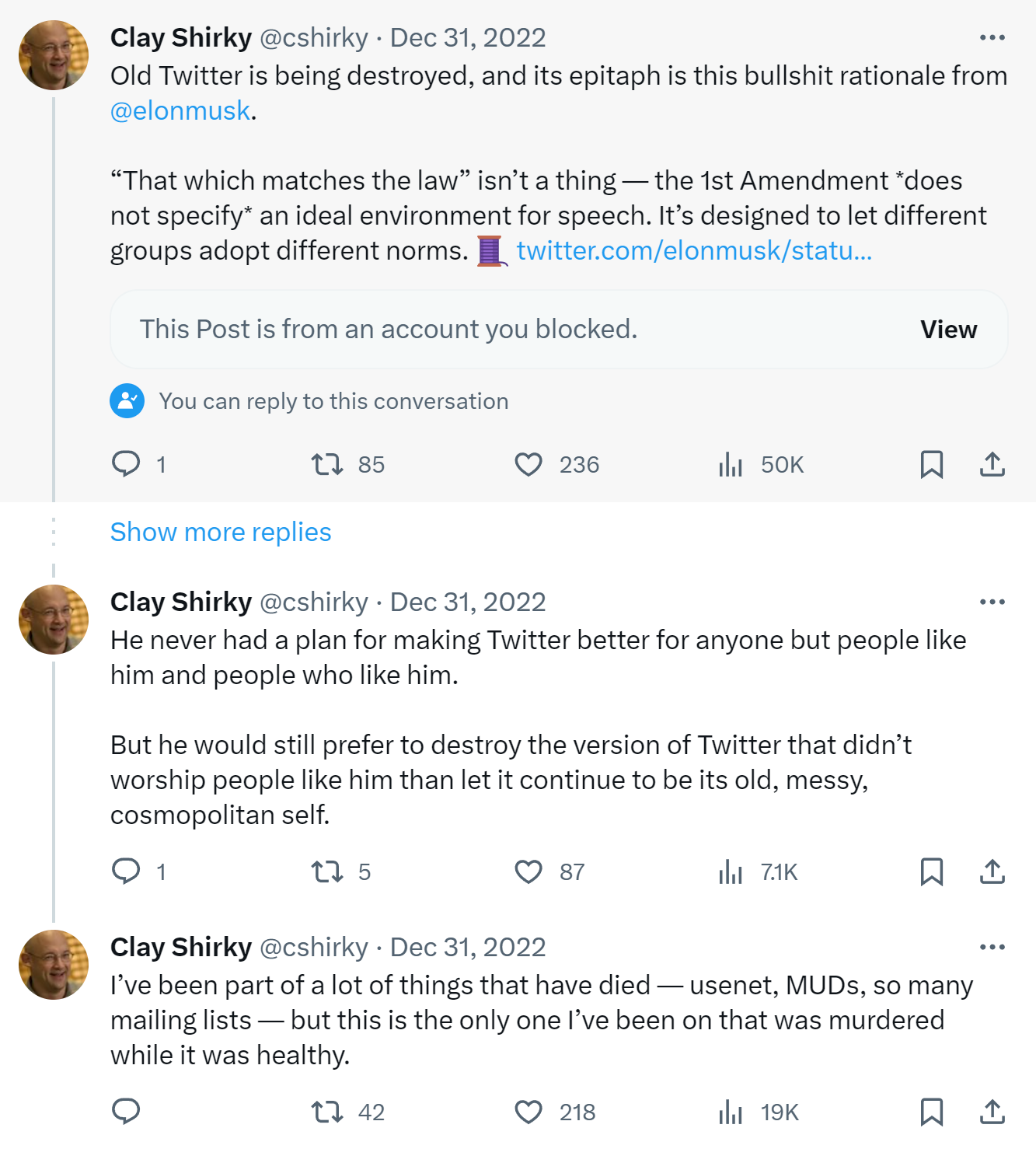
- October 2022: Musk takes control, immediately dissolves the board of directors, and embarks on a drastic workforce reduction, laying off approximately half of Twitter’s 7,500 employees within days. This included critical teams responsible for content moderation, engineering, and infrastructure.
- November 2022: The rollout of "Twitter Blue" with paid verification sparked controversy. The new system allowed anyone to purchase a blue checkmark, previously reserved for verified notable accounts, leading to a surge in impersonation and misinformation. The feature was temporarily paused and relaunched with additional safeguards. Content moderation policies became more ambiguous, with a stated commitment to "free speech absolutism" that raised concerns among civil rights groups and advertisers.
- December 2022 – Early 2023: Further layoffs, including contractors, continued to erode the platform’s operational capacity. Public data indicated a rise in hate speech and problematic content, as reported by research organizations like the Center for Countering Digital Hate. Many prominent advertisers paused or significantly reduced their spending on the platform, citing brand safety concerns. The company faced technical glitches and performance issues, which some attributed to the depleted engineering staff.
- February 2023: Musk announced significant changes to the Twitter API, restricting free access and making it a paid service. This move impacted numerous third-party developers, researchers, and academic institutions that relied on Twitter data, effectively curtailing independent analysis of the platform’s health and trends.
- July 2023: Twitter officially rebranded to "X," with a new logo and a stated ambition to become an all-encompassing platform offering various services beyond social networking. This rebrand signaled a complete break from Twitter’s established identity and brand equity.
- Late 2023 – Early 2024: The platform continued to grapple with fluctuating user engagement, advertiser skepticism, and ongoing debates about its content policies. Several countries initiated regulatory inquiries into X’s compliance with digital services laws, particularly regarding misinformation and harmful content.
Supporting Data and Market Reactions
The period post-acquisition saw significant shifts in user behavior and market perception. While X (formerly Twitter) no longer publicly reports user metrics in the same granular detail as before, external analyses and company statements have provided some insights:
- User Exodus and Engagement: While Musk claimed an increase in daily active users at various points, independent analyses from firms like Sensor Tower indicated a decline in app downloads and user engagement in key markets. A study by the Pew Research Center in July 2023 found that a significant portion of long-time Twitter users had reduced their activity or stopped using the platform altogether. Many users migrated to alternative platforms.
- Advertiser Retreat: The most tangible financial impact was the dramatic decline in advertising revenue. Reports from media intelligence firms and statements from X itself indicated a revenue drop of 50-70% in the year following the acquisition. Major brands, including General Motors, Pfizer, and United Airlines, either paused or permanently pulled their advertising campaigns, citing concerns over content moderation, brand safety, and the unpredictability of platform management. This exodus highlighted the critical importance of advertiser trust in sustaining centralized ad-supported social media models.
- Financial Performance: Musk revealed in July 2023 that X was still operating at a negative cash flow, largely due to the advertising decline and significant debt incurred from the acquisition. This contrasted sharply with Twitter’s pre-acquisition financial health, underscoring the severe economic consequences of the managerial and policy changes.
- Growth of Alternatives: The disruption at X fueled an unprecedented surge in interest and adoption for alternative social media platforms. Mastodon, a decentralized, open-source platform, saw its user base swell from approximately 300,000 monthly active users before Musk’s takeover to over 2 million by early 2023. Other platforms like Bluesky (developed by former Twitter CEO Jack Dorsey’s team) and Meta’s Threads also experienced rapid initial growth, demonstrating a clear demand for different models of online interaction.
Broader Impact and Implications: The Call for Decentralization
The transformation of Twitter into X under Musk’s leadership has served as a stark demonstration of the inherent risks associated with centralized control over critical digital infrastructure. The concept of a "king, a dictator, a tyrant, a despot, an autocrat" having unilateral power over a global communication platform became a tangible reality, raising profound questions about the resilience and trustworthiness of such systems. Users witnessed firsthand the potential for their content, communities, and digital experiences to be "rug-pulled" – altered or removed – at the whim of a single entity.
This experience has significantly accelerated the conversation around decentralization in social media, moving it from a niche technical discussion to a mainstream imperative. The argument for collective ownership of content and communities, often framed in terms of user empowerment rather than digital sharecropping, has gained considerable traction. In the centralized model, users contribute data and content, which is then owned and monetized by the platform provider, often without true user agency or control. The "free" services provided by these platforms come at the cost of data privacy, algorithmic manipulation, and vulnerability to the policies of the platform owner.
Decentralized alternatives, particularly those built on federated protocols like ActivityPub (used by Mastodon), offer a different paradigm:
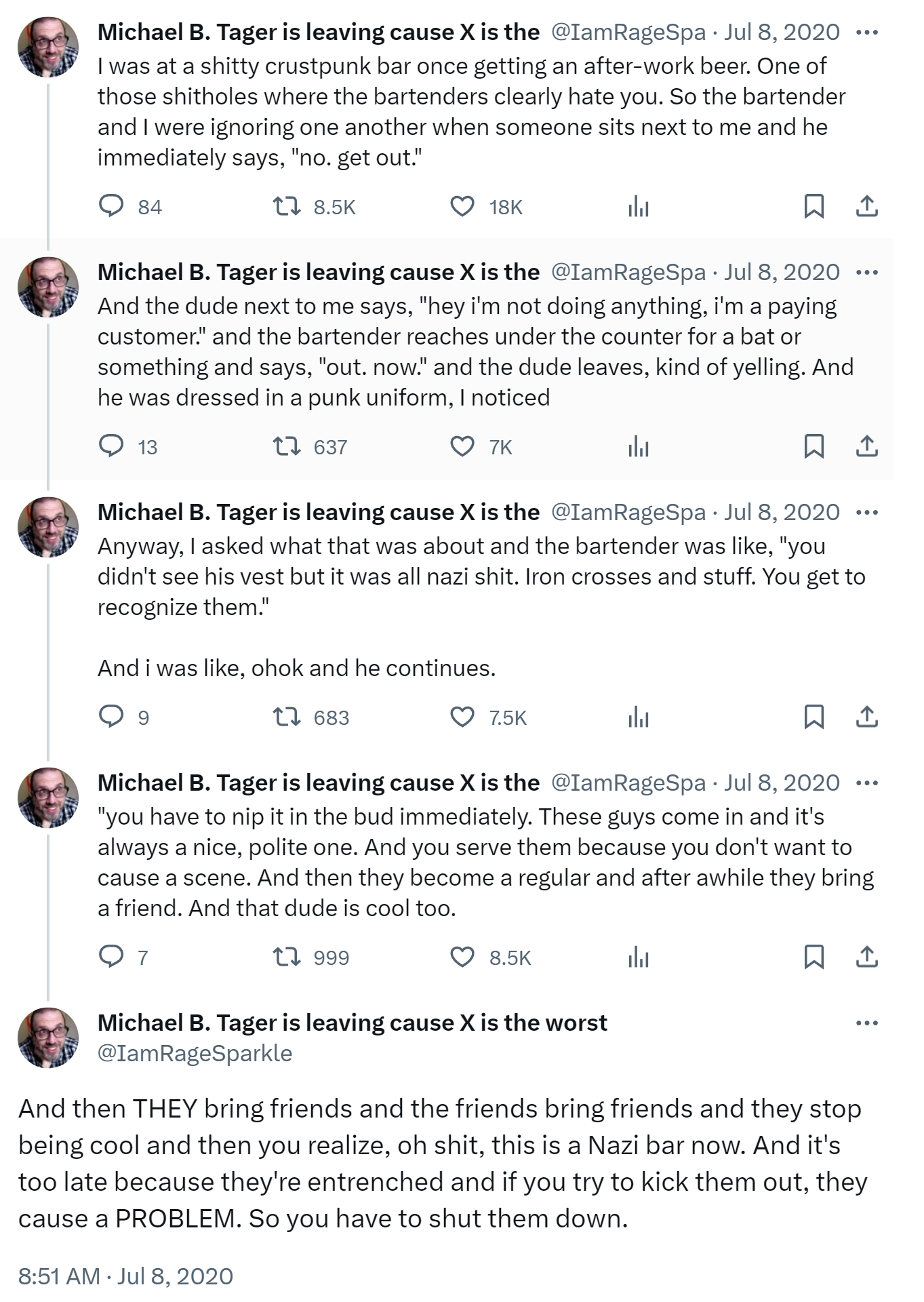
- User Control: Individuals can choose their server (instance) or even host their own, giving them greater control over their data, content, and the moderation policies they adhere to.
- Resilience: A federated network is less susceptible to a single point of failure. If one server goes down or adopts unfavorable policies, users can migrate to another without losing their connections to the broader network.
- Diverse Communities: Instead of a single "town square," decentralization fosters a multitude of smaller, interconnected communities, each with its own norms and moderation practices, potentially leading to healthier and more tailored interactions.
- Open Source Development: Many decentralized platforms are open source, allowing for community-driven development, transparency, and auditing of their code.
While decentralized platforms present challenges such as complexity for new users, potential fragmentation, and varying moderation standards across instances, proponents argue that these are worthwhile trade-offs for enhanced user agency and resilience. The shift from a singular, monolithic platform to a diverse ecosystem of interconnected services reflects a growing recognition that digital public spaces require structures that prioritize user empowerment and democratic governance, rather than autocratic control.
The events surrounding Twitter’s transformation into X highlight a crucial juncture in the evolution of the internet. They underscore the imperative for users, developers, and policymakers to actively build and support alternatives that are not beholden to the whims of a few but are instead robust, open, and community-driven. This long-term path, though messy and challenging, is increasingly viewed as essential for the health of digital discourse and the safeguarding of online communities. The era of unchecked centralized power in social media is facing its most significant challenge yet, with the future likely pointing towards a more diverse and decentralized digital commons. The "destruction" of the old Twitter, intentionally or not, may indeed have served as a catalyst, forcing a collective re-evaluation and a search for more sustainable models for online interaction.
About the Author