A prominent philanthropist today announced a significant philanthropic commitment, pledging half of his remaining wealth over the next five years to a new initiative aimed at ensuring equitable access to the American Dream for all citizens. The announcement was made during a compelling speech at the historic Cooper Union’s Great Hall in New York City, where the benefactor was joined by Lieutenant Colonel Alexander Vindman to discuss the evolving nature and future of the American Dream. The initiative includes an immediate $8 million donation to various non-profit organizations and a further $4 million to bolster critical internet infrastructure, alongside a groundbreaking plan to launch Guaranteed Minimum Income (GMI) studies in economically disadvantaged rural American communities.
The speech, drawing from the philanthropist’s widely read January 7th blog post, "Stay Gold, America," articulated a redefinition of the American Dream, emphasizing its communal aspect. "The dream is incomplete until we share it with our fellow Americans. That act of sharing is the final realization of everything the dream stands for," the speaker asserted, referencing S.E. Hinton’s novel The Outsiders and the iconic phrase "stay gold." This ethos underpins the entire "Pledge to Share the American Dream," which combines immediate charitable giving with a long-term strategy for systemic change.

Immediate Impact: Millions for Non-Profits and Digital Infrastructure
In the short term, the family has made eight $1 million donations to a diverse array of non-profit groups addressing critical societal needs. These beneficiaries include Team Rubicon (disaster relief), Children’s Hunger Fund (food security), PEN America (free expression), The Trevor Project (LGBTQ+ youth support), NAACP Legal Defense and Educational Fund (racial justice), First Generation Investors (financial literacy), Global Refuge (refugee assistance), and Planned Parenthood (reproductive healthcare). These donations are expected to provide immediate relief and support to vulnerable populations across the nation, empowering these organizations to expand their vital services.
Beyond direct humanitarian aid, a further $4 million has been allocated to reinforce America’s technical infrastructure. This includes significant contributions to Wikipedia, The Internet Archive, The Common Crawl Foundation, and Let’s Encrypt, alongside investments in pioneering independent internet journalism and various crucial open-source software projects that underpin much of the modern digital world. This strategic investment highlights a belief in the foundational importance of accessible information and robust, open digital systems for a thriving society. The philanthropist encouraged other Americans to contribute to organizations effectively assisting those in need, emphasizing that short-term fixes, while crucial, are not sufficient for lasting change.

The Long-Term Vision: A Second Act for the American Dream
The more ambitious "second act" of the Pledge involves committing half of the family’s remaining wealth over the next five years to foundational, long-term efforts. These efforts are designed to ensure all Americans retain fair access to the American Dream, addressing systemic barriers that have increasingly hindered social mobility and opportunity. This commitment stems from the benefactor’s personal journey, which began in deep poverty in Mercer County, West Virginia, and Beaufort County, North Carolina, before his family "clawed their way to the bottom of the middle class." Despite subsequent challenges, the foundation of unconditional parental love and an affordable public education at the University of Virginia, an institution deeply rooted in Thomas Jefferson’s ideals of "Life, liberty, and the pursuit of happiness," proved pivotal.
The speaker stressed that the American Dream was never intended for individual success in isolation but rather for collective prosperity and interconnectedness. This perspective fuels the initiative’s focus on addressing growing wealth concentration and economic insecurity, which are seen as direct threats to these shared American values.
America’s "Second Gilded Age" and the Erosion of Opportunity
A central theme of the address was the alarming rise of wealth concentration in the United States, which the speaker characterized as a "Second Gilded Age." Drawing parallels to the late 1800s—a period defined by extreme economic inequality, labor unrest, and hazardous working conditions—the speech highlighted a worrying trend. The original Gilded Age saw events like the Homestead Strike of 1892, where deadly confrontations erupted between workers and Pinkerton guards, and thousands died due to insufficient safety regulations as employers prioritized profit.
Today, data indicates an even more extreme imbalance. As of 2021, the top 1% of households controlled 32% of all wealth, while the bottom 50% held a mere 2.6%. The speaker noted that this concentration has only intensified in the intervening four years, leading to a situation where the term "Gilded Age" no longer suffices, necessitating the designation "The First Gilded Age" to distinguish it from the current crisis.
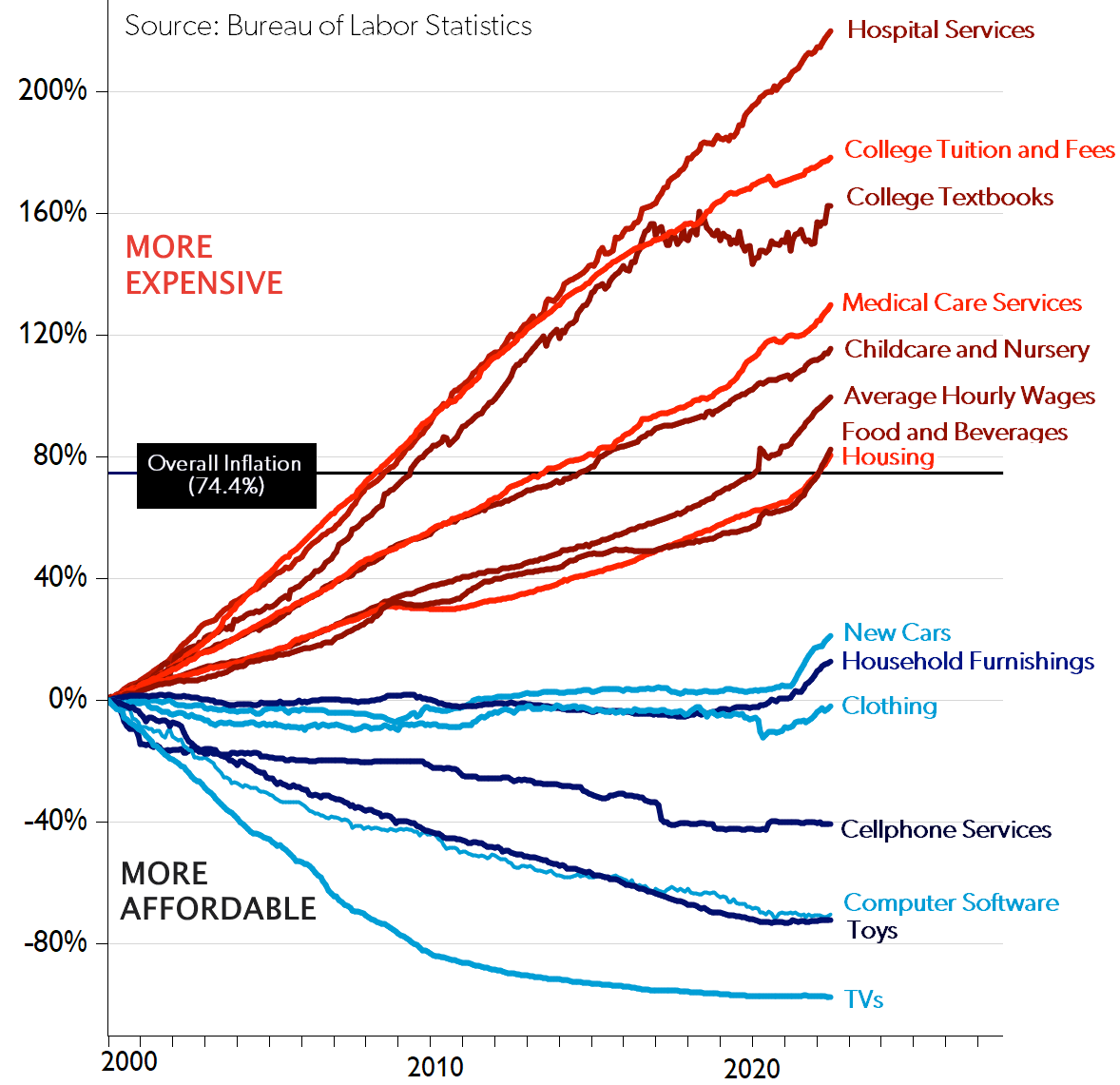
In this contemporary "Second Gilded Age," pathways to the American Dream are increasingly blocked by unaffordable education, inaccessible healthcare, and a lack of affordable housing. Millions are trapped by debt, unable to build stable foundations, pursue careers, or even choose fundamental life paths like raising families. This economic precarity, the speaker argued, represents a profound betrayal of the nation’s founding promise of life, liberty, and the pursuit of happiness. "Without a stable foundation to build a life on, our fellow Americans cannot even pursue the American Dream, much less achieve it," he stated, questioning the purpose of a dream unshared and urging a return to core American values.
Guaranteed Minimum Income: A Path Less Traveled, Rooted in History
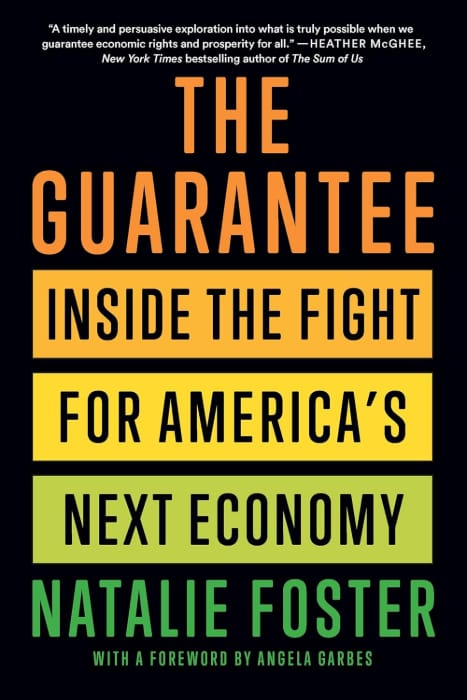
To counter this systemic inequality and unlock vast untapped potential, the initiative proposes a bold, long-term solution: a Guaranteed Minimum Income (GMI). Inspired by Natalie Foster, co-founder of the Economic Security Project, the GMI model is envisioned for the poorest areas of the country, where its impact can be maximized. This is not a novel concept but one with deep historical roots in American discourse and policy.
- 1797: Thomas Paine first proposed a retirement pension funded by estate taxes, planting the seed for social welfare.
- 1935: The Social Security Act was implemented during the Great Depression, providing guaranteed income for retirees. Before its enactment, half of seniors lived in poverty; today, that figure is only 10%.
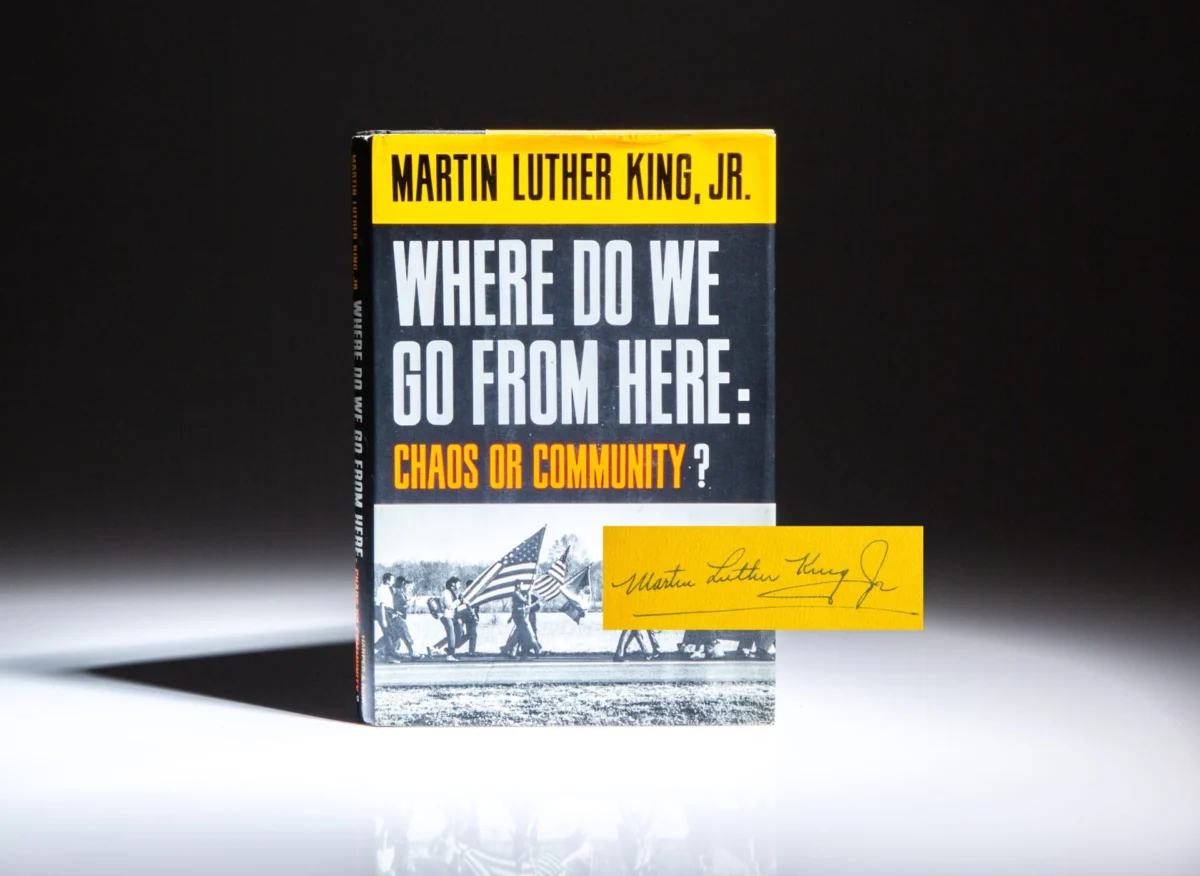
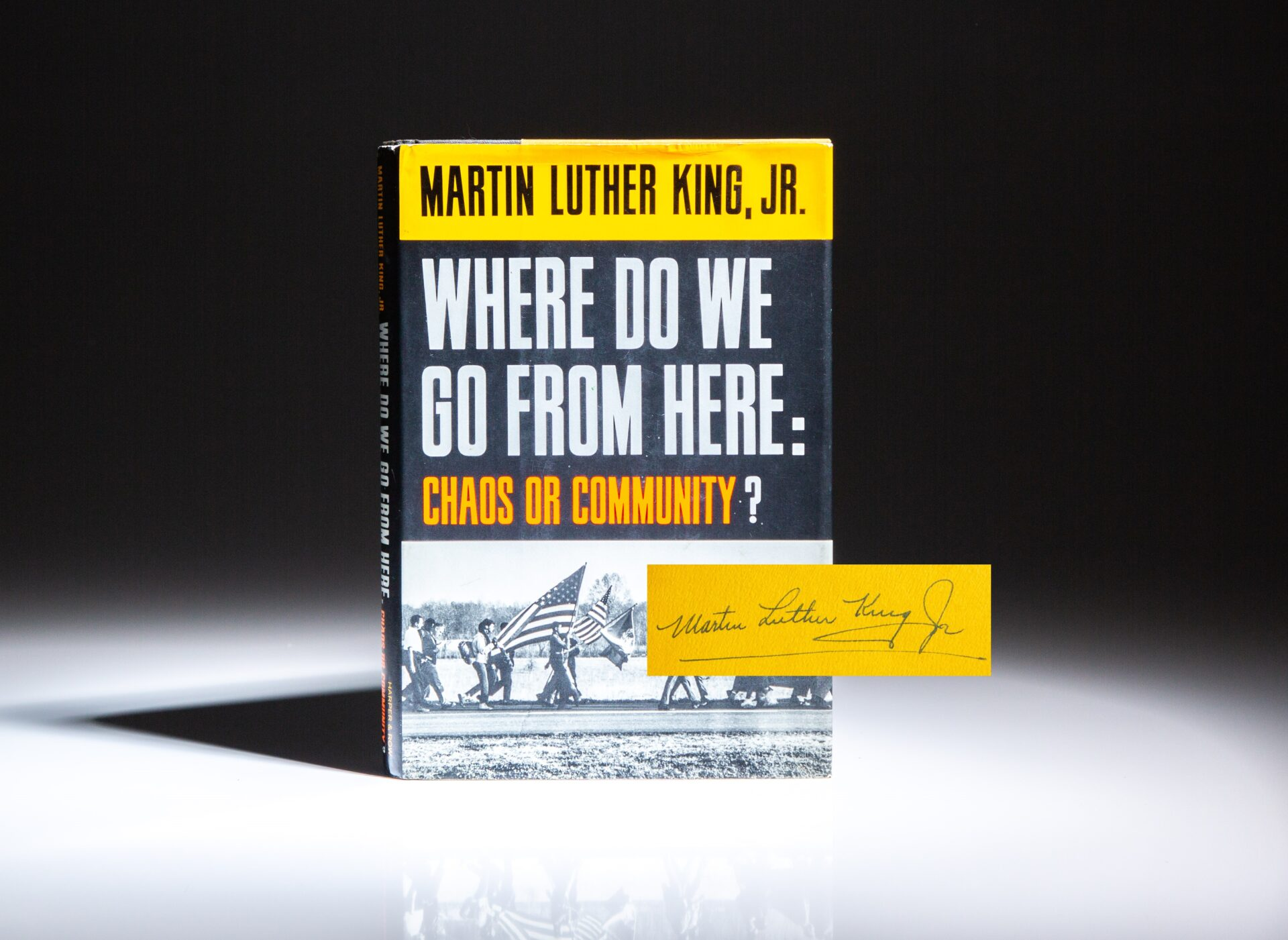
- 1967: Martin Luther King Jr., in his book Where Do We Go From Here: Chaos or Community?, advocated for a form of Universal Basic Income (UBI), believing economic insecurity was the root of all inequality and that direct cash disbursements were the simplest way to combat poverty.
- 1972: Congress established the Supplemental Security Income (SSI) program, offering direct cash assistance to low-income elderly, blind, and disabled individuals, enabling them to cover essential expenses like food and housing. As of January 2025, over 7.3 million people receive SSI benefits.
- 1975: The Earned Income Tax Credit (EITC) was introduced, benefiting working-class parents and lifting approximately 6.4 million people, including 3.4 million children, out of poverty in 2023, making it the second most effective anti-poverty tool after Social Security.
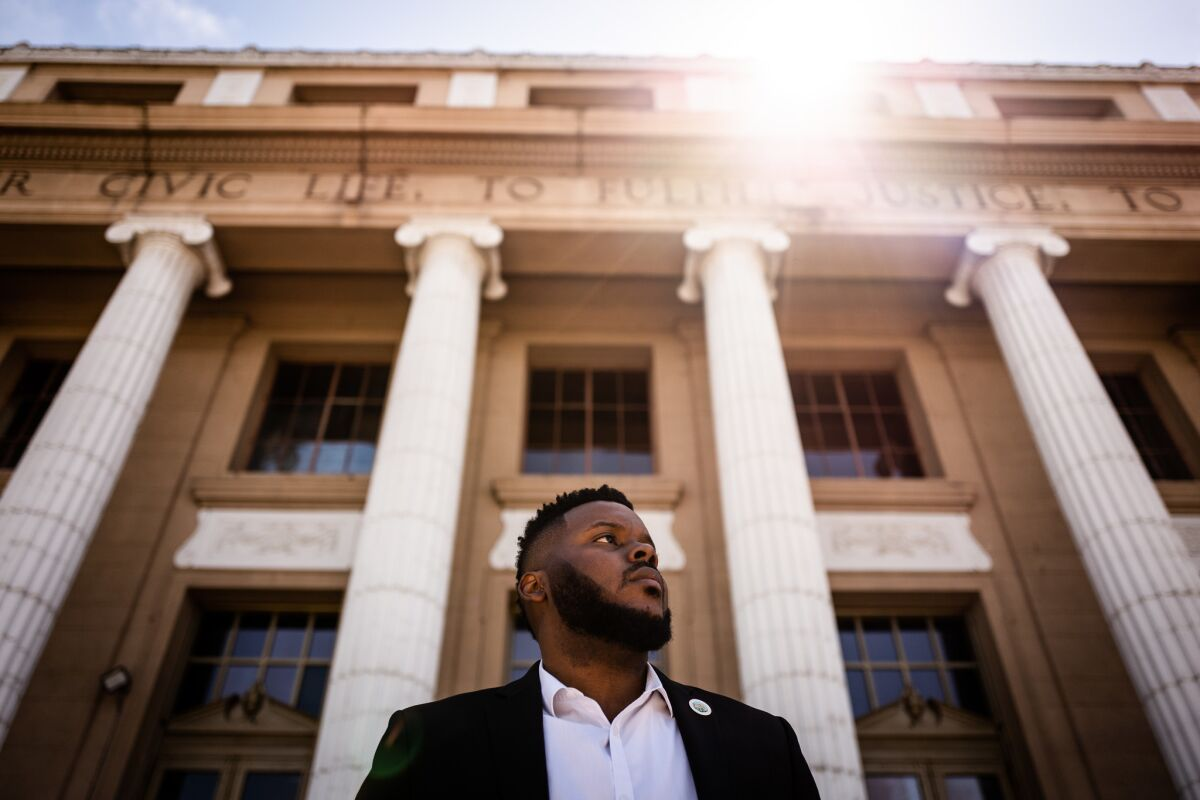
- 2019: Inspired by King, then-26-year-old Mayor Michael Tubbs launched the Stockton Economic Empowerment Demonstration, providing 125 residents with $500 per month for two years. The program demonstrated improved financial stability, increased full-time employment, and enhanced well-being among recipients.
These historical precedents, coupled with recent empirical evidence, form the bedrock of the new GMI initiative. The philanthropist cited Robert Frost’s poem "The Road Not Taken," suggesting GMI represents "the path less traveled by" but one that promises a more direct, practical, and scalable approach to economic security with minimal bureaucracy.
Targeting Rural America: A Strategic Pilot for GMI
The new initiative will partner with GiveDirectly, which has overseen numerous GMI studies in the United States, and OpenResearch, which completed the largest and most detailed GMI study in the country in 2023. Together, they will launch a new GMI program specifically in rural American communities.
The decision to focus on rural areas is strategic. These regions consistently exhibit higher poverty rates, fewer job opportunities, lower wages, and worse access to healthcare and education. Long-standing poverty plagues areas like Appalachia, the Mississippi Delta, and American Indian reservations, with some counties experiencing extreme poverty levels (e.g., Oglala Lakota, SD at 55.8% and McDowell, WV at 37.6%). Urban counties rarely see such high numbers, making rural areas prime targets for impactful interventions. Additionally, smaller rural populations facilitate tightly controlled studies, allowing for careful scaling and continuous improvement based on scientific data.
The initial plan is to target specific counties with which the philanthropist has a personal connection and which have remained in poverty for decades. These GMI studies will be opt-in, coordinated with existing local groups, and include outreach and mentorship for participants. A crucial aspect of the program will be the involvement of veterans, leveraging their leadership skills and community commitment to support and execute GMI programs, ensuring they reflect core American values of self-reliance and community service. Partnerships with churches, civic groups, community colleges, and local businesses will further integrate these studies into existing support systems.
GiveDirectly and OpenResearch will meticulously gather data, measuring impacts on employment, entrepreneurship, education, health, and community engagement. Regular participant interviews will provide qualitative insights, fostering a collaborative approach to program refinement.
GMI as the Bedrock of Democracy and Human Potential
The speech underscored that economic security is not merely about individual well-being; it is the bedrock of democracy itself. When citizens are freed from constant worry about basic needs—food, shelter, healthcare—they gain "room to breathe," and critically, the freedom to participate fully in civic life, to raise their children, start businesses, volunteer, and ultimately, to vote.
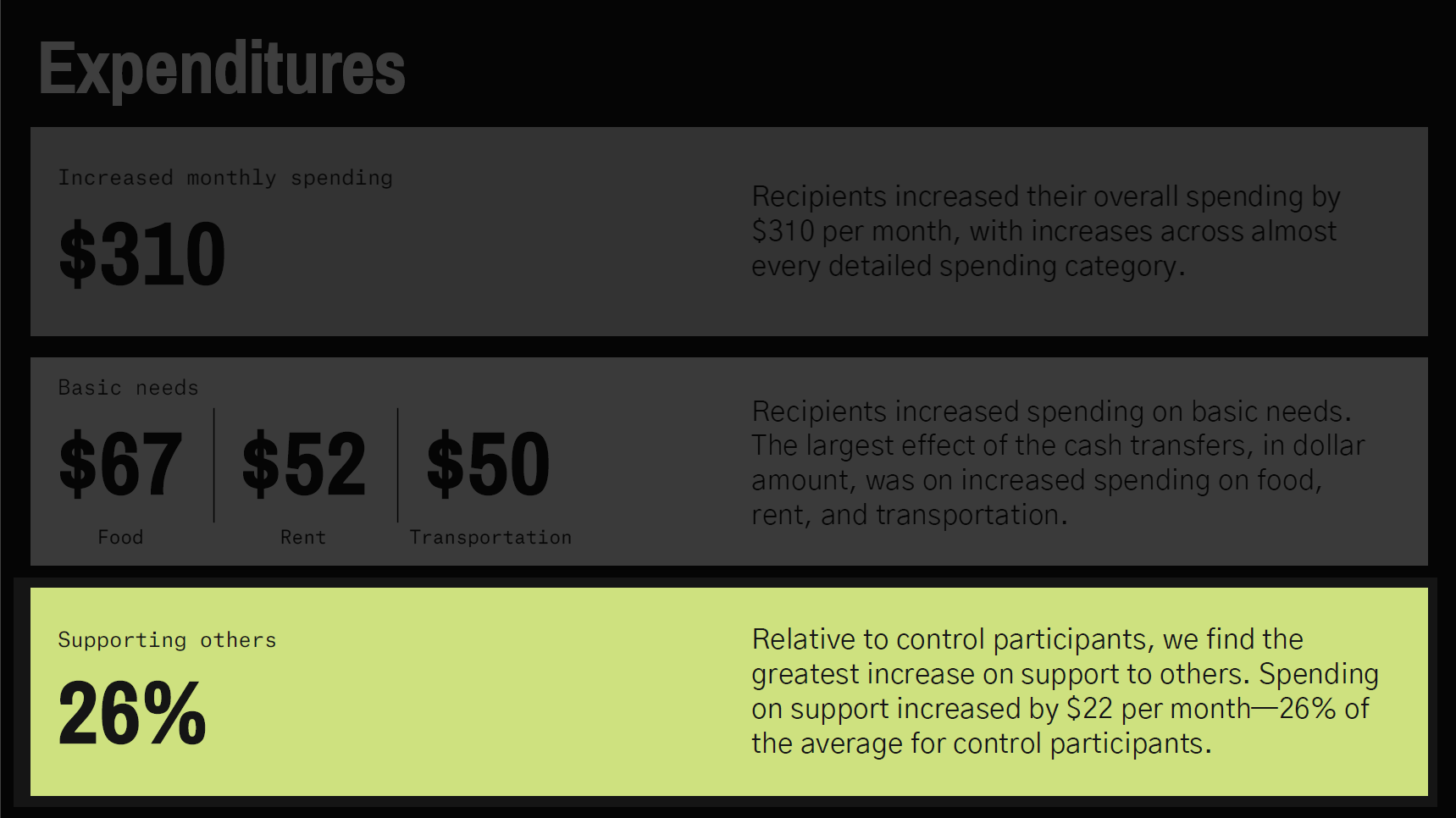
This initiative is framed not as an ideological or governmental mandate but as an investment by Americans in their collective future. The speaker asserted that GMI has the potential to unlock human potential on an unprecedented scale, citing existing study data demonstrating the transformative power of even small amounts of money for those in poverty. This "breathing room" allows individuals to move beyond mere survival and contribute their full capabilities to society.
The GMI initiative is presented as a long-term investment in America’s foundational ideals, acknowledging that the nation’s democracy was designed to be malleable and capable of continuous improvement. The speech concluded by invoking the legacy of Aaron Swartz, a precocious programmer and activist who championed universal access to information. Swartz’s tragic story, a result of aggressive prosecution for his efforts to make public domain and academic information freely available, served as a powerful reminder of the importance of standing up for core American principles, even in the face of risk.
The philanthropist issued a dual call to action: first, to individually reflect on the meaning of the American Dream and how to share it; and second, to collectively build this GMI endeavor. With his family committing $50 million, he envisioned a future where shared effort could exponentially amplify the impact. "Decades from now, people will look back and wonder why it took us so long to share our dream of a better, richer, and fuller life with our fellow Americans," he concluded, inviting all to join this "grand experiment" to ensure everyone has a fair chance at Life, Liberty, and the pursuit of the American Dream.
About the Author