The independent game distribution platform itch.io has unveiled a comprehensive suite of updates designed to significantly enhance user experience for players, streamline operations for developers, and bolster community engagement. These improvements, which range from a sophisticated new tool for navigating extensive sales to a complete overhaul of its bundle hosting system, a modernized game jam theme editor, and a rebuilt Patreon integration, underscore the platform’s ongoing commitment to fostering a robust and accessible ecosystem for indie creators and consumers alike. The updates, many of which had been quietly deployed and discussed in the Developer Updates forum, represent a strategic evolution of core functionalities, addressing longstanding community feedback and technical requirements.
The Debut of Sale Explorer: Navigating Vast Digital Marketplaces
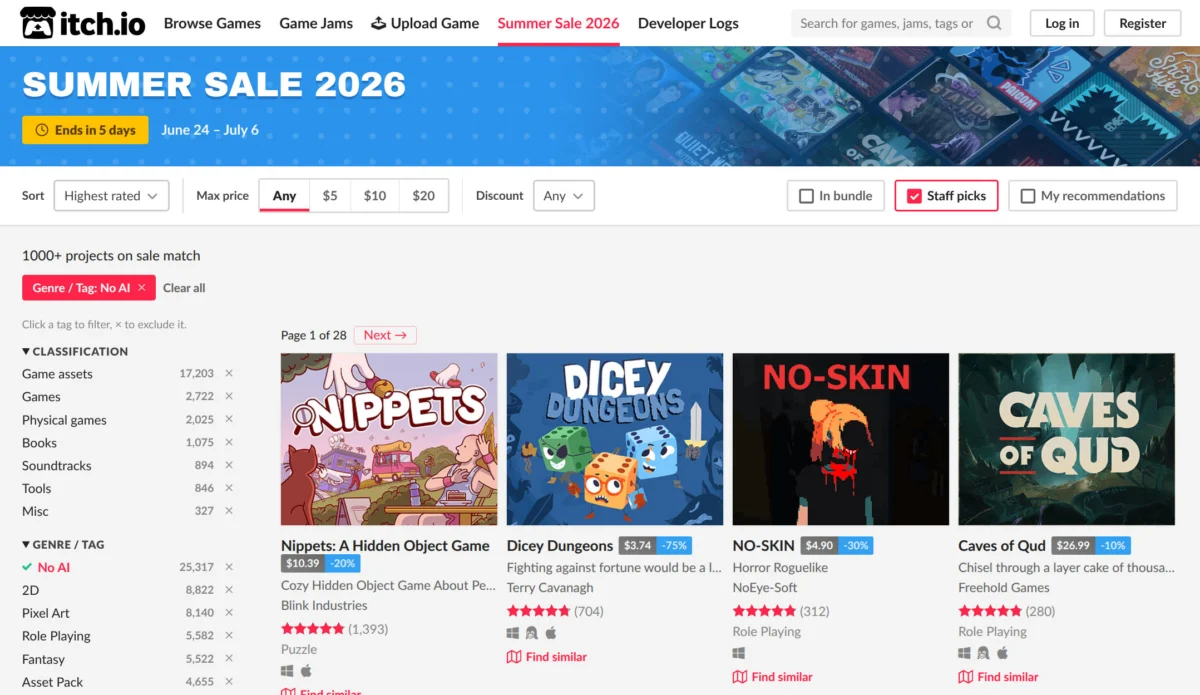
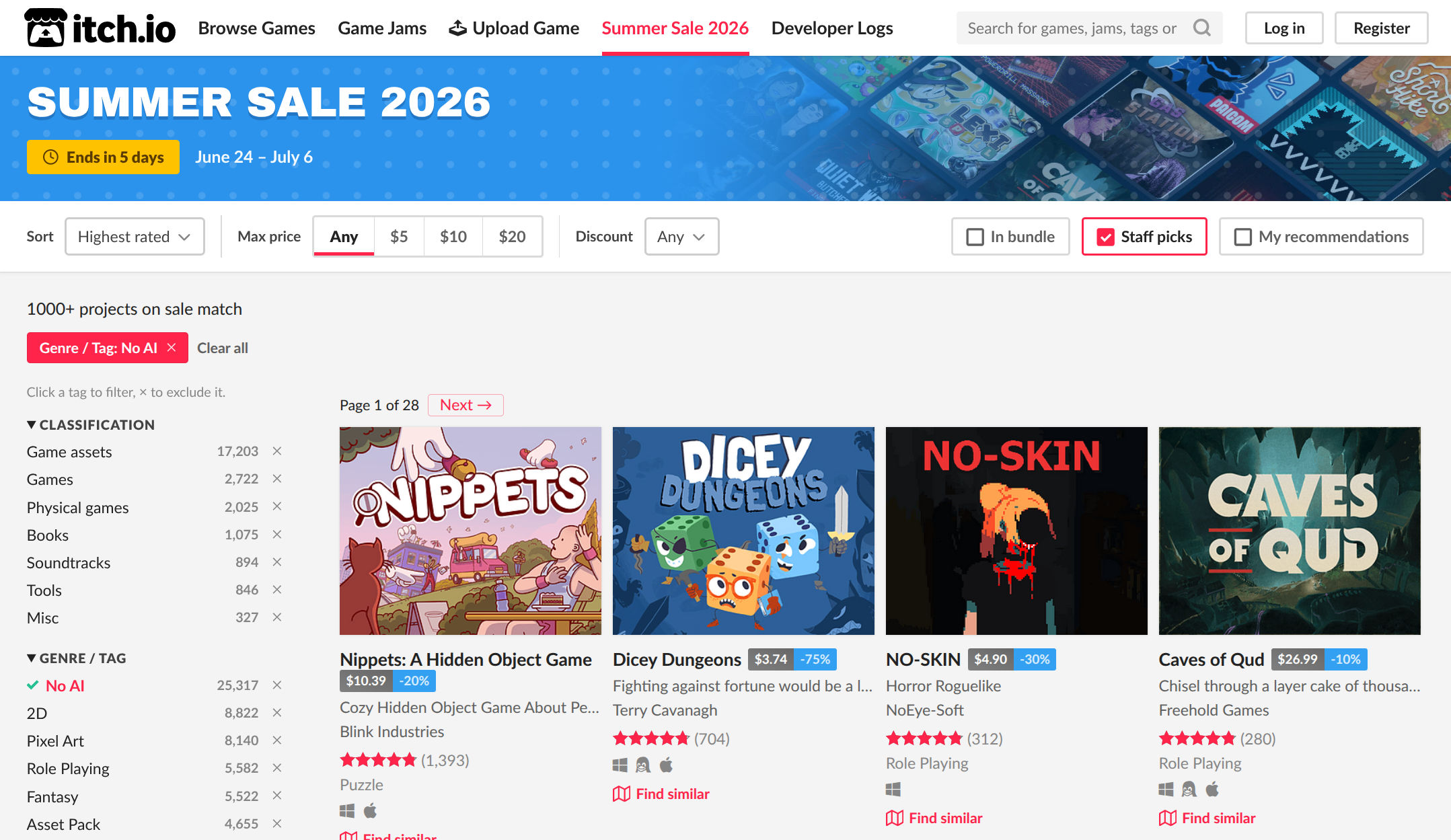
One of the most anticipated features introduced is the Sale Explorer, a new browsing interface specifically engineered to manage the often-overwhelming scale of site-wide sales events. Launched concurrently with the itch.io Summer Sale 2026, which featured an impressive catalogue of over 30,000 discounted projects and ran through July 6th, the Sale Explorer fundamentally redefines how users interact with large promotional events.
Prior to this update, navigating massive sales on digital storefronts, including itch.io, could often feel like searching for a needle in a haystack. While traditional filtering options existed, the sheer volume of discounted titles frequently led to player fatigue and overlooked gems. The Sale Explorer addresses this challenge head-on by providing a robust, intuitive, and highly granular set of discovery tools. Its advanced filtering capabilities allow users to precisely narrow down selections by genre, tag, price range, and supported platforms, moving beyond rudimentary search functions. Furthermore, innovative sorting options enable players to arrange results by various metrics, while a "find similar" recommendation engine intelligently suggests titles based on current selections, helping users unearth games they might not have discovered otherwise.
The strategic timing of the Sale Explorer’s launch, coinciding with one of the platform’s largest sales events, served as an immediate and large-scale testbed for its efficacy. Early community reactions have been largely positive, with users praising the newfound manageability of browsing thousands of games. Feedback highlighted the ability to exclude specific genres or content types as particularly valuable, enabling a more tailored and enjoyable browsing experience. This enhancement not only benefits players seeking specific content but also significantly improves discoverability for independent developers, whose titles might otherwise be lost amidst the vastness of a major sale. The platform has indicated that many of these advanced browsing enhancements, currently exclusive to site-wide sales, are slated for integration into its standard browse pages in the future, promising a broader improvement to content discovery across itch.io. This move aligns with broader industry trends towards more personalized and efficient content recommendation systems, crucial for platforms hosting diverse and extensive content libraries.
Transforming Collaborative Efforts: The Bundle Hosting Revamp
The underlying infrastructure of itch.io’s bundle system has been a cornerstone of the platform for over a decade, facilitating countless charitable initiatives, collaborative game jams, and developer-led collections. However, its longevity also meant that its hosting side had accumulated complexities, particularly for organizers attempting to manage large-scale collaborative bundles involving numerous participants. Recognizing these limitations, itch.io has undertaken a complete overhaul of its bundle hosting system, an update eagerly awaited by the community.
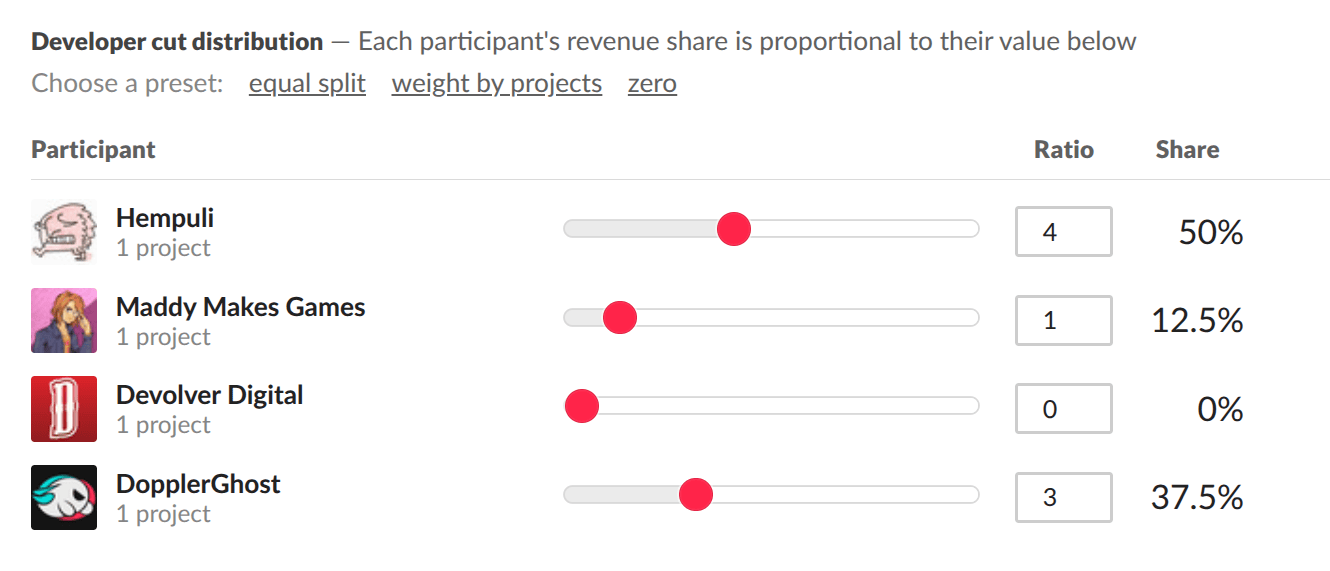
The previous system, while functional, often presented administrative hurdles for bundle organizers. Issues related to inviting and tracking participant contributions, establishing equitable revenue splits, and managing permissions across a diverse group of creators could be cumbersome and time-consuming. The revamped system is designed to drastically simplify these processes, offering a more intuitive and powerful set of tools for creating and managing bundles.
Key enhancements include a streamlined interface for inviting developers to participate, making it easier to onboard multiple contributors efficiently. The new system also introduces more flexible and transparent mechanisms for tracking game submissions and participation status, ensuring all contributors are properly accounted for. Crucially, the revamp includes advanced features for configuring revenue splits, allowing organizers to define how proceeds are distributed among participants, charities, or the platform itself with greater precision and ease. This is particularly vital for large charity bundles, which often involve complex financial arrangements. The update also provides improved communication tools within the bundle management interface, fostering better coordination among organizers and participants.
This significant architectural update addresses long-standing developer requests for more robust and user-friendly collaborative tools. It empowers individuals and groups to organize more ambitious and impactful bundles, whether for philanthropic causes, themed collections, or as part of educational initiatives. For existing pending bundles, the new features become accessible after resetting participation, ensuring a smooth transition. While one community member expressed a desire for per-project revenue split features to further enhance flexibility, the overall sentiment regarding the bundle revamp is one of appreciation for the significant improvements to what was a decade-old foundational system. This strategic investment in core infrastructure reflects itch.io’s commitment to supporting collective action and shared success within its indie ecosystem.
Empowering Event Organizers: A Modernized Jam Theme Editor
Game jams are a vibrant and integral part of the itch.io community, fostering rapid prototyping, creative collaboration, and the emergence of innovative new titles. The platform hosts thousands of jams annually, ranging from small community-led events to large, internationally recognized competitions. To support the growing demand for highly customizable and visually distinct jam pages, itch.io has modernized its jam theme editor.
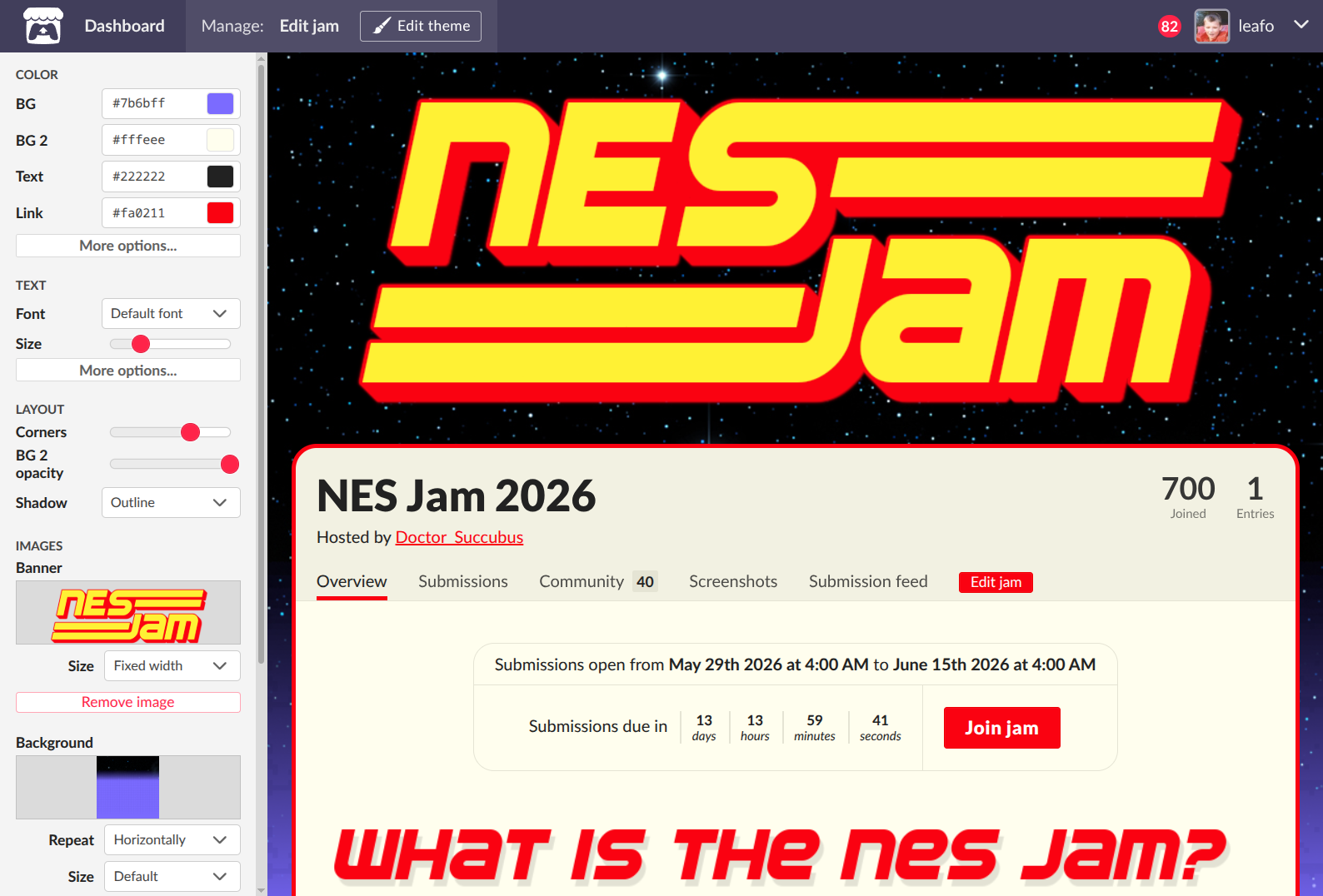
The previous jam theme editor, while functional, was beginning to show its age, potentially offering a less intuitive experience and fewer customization options compared to more contemporary web design tools. This could limit event organizers’ ability to create unique, branded experiences for their participants, potentially impacting the visual appeal and recognition of their jams.
The core of this revamp involved migrating the jam theme editor to the same unified theme editor UI utilized elsewhere on the itch.io site. This move ensures consistency across the platform’s user interface, reducing the learning curve for organizers familiar with other customization tools on the site. A critical aspect of this migration was the careful preservation of existing custom CSS on jam pages, ensuring that previous efforts by organizers to tailor their pages were not undone by the update. This demonstrates a thoughtful approach to updating core features while respecting user investment.
The modernized editor provides jam hosts with a significantly expanded array of customization options. These include granular control over color schemes, typography, layout elements, and other visual components, allowing for a much higher degree of branding and aesthetic alignment with the jam’s theme or organizer’s identity. Such visual distinctiveness can play a crucial role in attracting participants and enhancing the overall professionalism and memorability of a game jam. For those with advanced technical skills, the announcement post accompanying the update provided full details about the markup changes, allowing custom CSS users to adapt their existing styles to the new system seamlessly. This upgrade not only streamlines the design process for new jams but also provides a fresh toolkit for existing jam hosts looking to refresh their event pages, further enriching the diverse landscape of game development challenges hosted on the platform.
Strengthening Creator-Patron Relationships: Enhanced Patreon Integration
In an era where direct creator support and subscription models are increasingly vital for independent artists and developers, the seamless integration of platforms like Patreon is paramount. itch.io has significantly enhanced its Patreon integration, rebuilding it from the ground up on Patreon’s V2 API. This substantial update addresses long-standing issues and introduces greater flexibility and reliability for creators looking to reward their patrons with access to their projects.
The previous integration system, which primarily granted access based on pledge amounts, presented several challenges. Foremost among these was the difficulty in accurately converting pledge amounts across different currencies, leading to inconsistencies in granting access to patrons worldwide. This often resulted in administrative overhead for creators and potential frustration for patrons. Furthermore, the old system struggled to align with Patreon’s more common tier-based membership structure, where patrons subscribe to specific tiers offering different benefits, rather than simply pledging a monetary amount.
The rebuilt integration fundamentally shifts the access granting mechanism to membership tiers, directly aligning with how most creators structure their Patreon offerings. This eliminates the currency conversion issues and provides a more intuitive and accurate way to manage patron benefits. Creators now have three distinct methods to grant access to their projects, offering unparalleled flexibility:
- Granting access to specific tiers: This is the most common and straightforward method, allowing creators to assign specific itch.io projects to one or more Patreon tiers.
- Granting access based on a minimum pledge amount (legacy option): While tier-based is now primary, this option remains for creators who prefer or require it, providing continuity.
- Manual grants: Creators retain the ability to manually grant access to individual patrons, offering a failsafe for unique situations or custom rewards.
Beyond tier-based access, the new system is designed to handle complex scenarios that the old integration could not. This includes automatically adjusting access when a patron changes their membership tier, ensuring they always have access commensurate with their current support level. It also better manages situations involving refunds or cancelled pledges, revoking access appropriately. A key policy maintained from the previous system is that once a patron claims access to a project, they keep it indefinitely, reinforcing the value of their initial support. Membership is checked at the point of the initial grant, ensuring that active patrons receive their rewards without ongoing verification burdens on the system.
This enhanced Patreon integration is a significant boon for the thousands of creators on itch.io who leverage crowdfunding and direct support models. It streamlines their workflow, reduces administrative errors, and strengthens the creator-patron relationship by ensuring reliable and consistent delivery of rewards. Community feedback has been overwhelmingly positive, with users praising the "neatness" of the feature and some even indicating that this update might finally prompt them to set up a Patreon themselves, highlighting its potential to further empower creators financially. This move firmly positions itch.io as a platform that deeply understands and actively supports the diverse monetization strategies of independent developers.
Broader Strategic Implications and Community Reception
Collectively, these updates represent a significant strategic investment by itch.io in its core infrastructure and user experience. They underscore the platform’s commitment to its founding principles of empowering independent creators and providing an open, flexible marketplace, while simultaneously evolving to meet the demands of a dynamic digital landscape.
The Sale Explorer is not just a browsing tool; it is a declaration of intent to solve the discoverability crisis inherent in massive digital storefronts, a challenge that many larger platforms continue to grapple with. By focusing on granular control and intelligent recommendations, itch.io aims to ensure that both niche and popular titles find their audiences, fostering a healthier ecosystem where diverse content can thrive. The planned integration of these features into general browsing further signifies a long-term vision for intuitive content discovery across the entire platform.
The overhaul of the bundle hosting system reinforces itch.io’s role as a hub for collaborative and community-driven initiatives. In an industry often characterized by individual endeavors, the ability to seamlessly organize and manage collective projects—whether for charity, educational purposes, or simply mutual support—is invaluable. This update streamlines administrative burdens, allowing creators to focus more on the creative aspects of their collaborations.
The modernized jam theme editor speaks to the platform’s dedication to its vibrant game jam culture. By providing robust and user-friendly customization tools, itch.io empowers event organizers to create more engaging and professional experiences, which in turn attracts more participants and encourages greater creativity within the community.
Finally, the enhanced Patreon integration highlights itch.io’s understanding of the evolving financial models for indie creators. By addressing critical pain points related to currency conversion and tier-based access, the platform ensures that creators can effectively leverage direct patron support, a lifeline for many independent developers. This integration not only simplifies creator workflows but also strengthens the economic viability of operating within the itch.io ecosystem.
Community reactions, as observed in immediate feedback channels, generally reflect strong approval. Users have lauded the Sale Explorer for making large sales "manageable" and the Patreon integration for its "neatness." While specific requests, such as the ability to exclude "AI assisted" tags or implement per-project revenue splits, indicate an active and engaged user base with ongoing desires for platform evolution, the overarching sentiment is one of appreciation for itch.io’s consistent efforts to optimize and expand its offerings.
In an increasingly competitive digital distribution landscape, these updates position itch.io not merely as an alternative, but as a robust, feature-rich platform that actively listens to and empowers its community. By investing in these foundational improvements, itch.io solidifies its standing as a critical and evolving space for independent game development and discovery.
About the Author