The independent game platform itch.io has rolled out a comprehensive series of platform enhancements, detailed in its latest changelog, signifying a significant stride in improving user experience and developer functionality. These updates, which encompass a new Sale Explorer, a complete overhaul of bundle hosting capabilities, a modernized game jam theme editor, and a rebuilt Patreon integration, underscore the platform’s ongoing commitment to empowering indie creators and facilitating discoverability for its diverse catalog of digital projects. Deployed incrementally over recent months, these features address longstanding user requests and technical considerations, aiming to streamline operations for developers and enhance navigation for consumers within its unique ecosystem.
The Dawn of the Sale Explorer: Navigating Digital Marketplaces
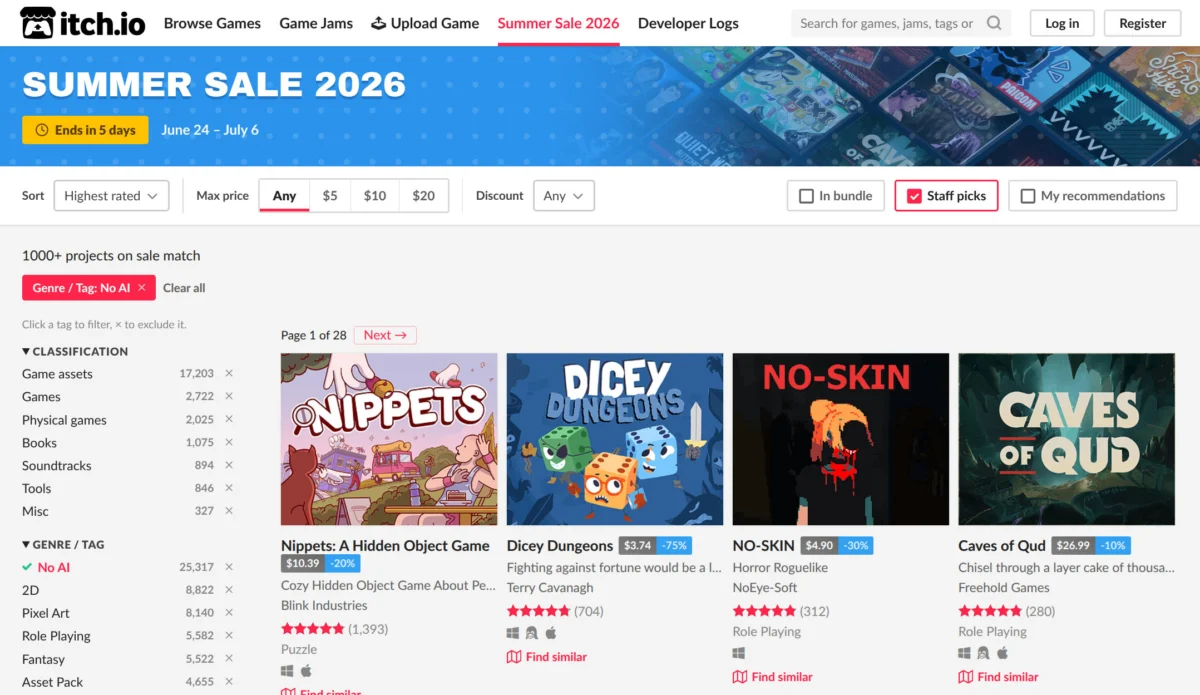
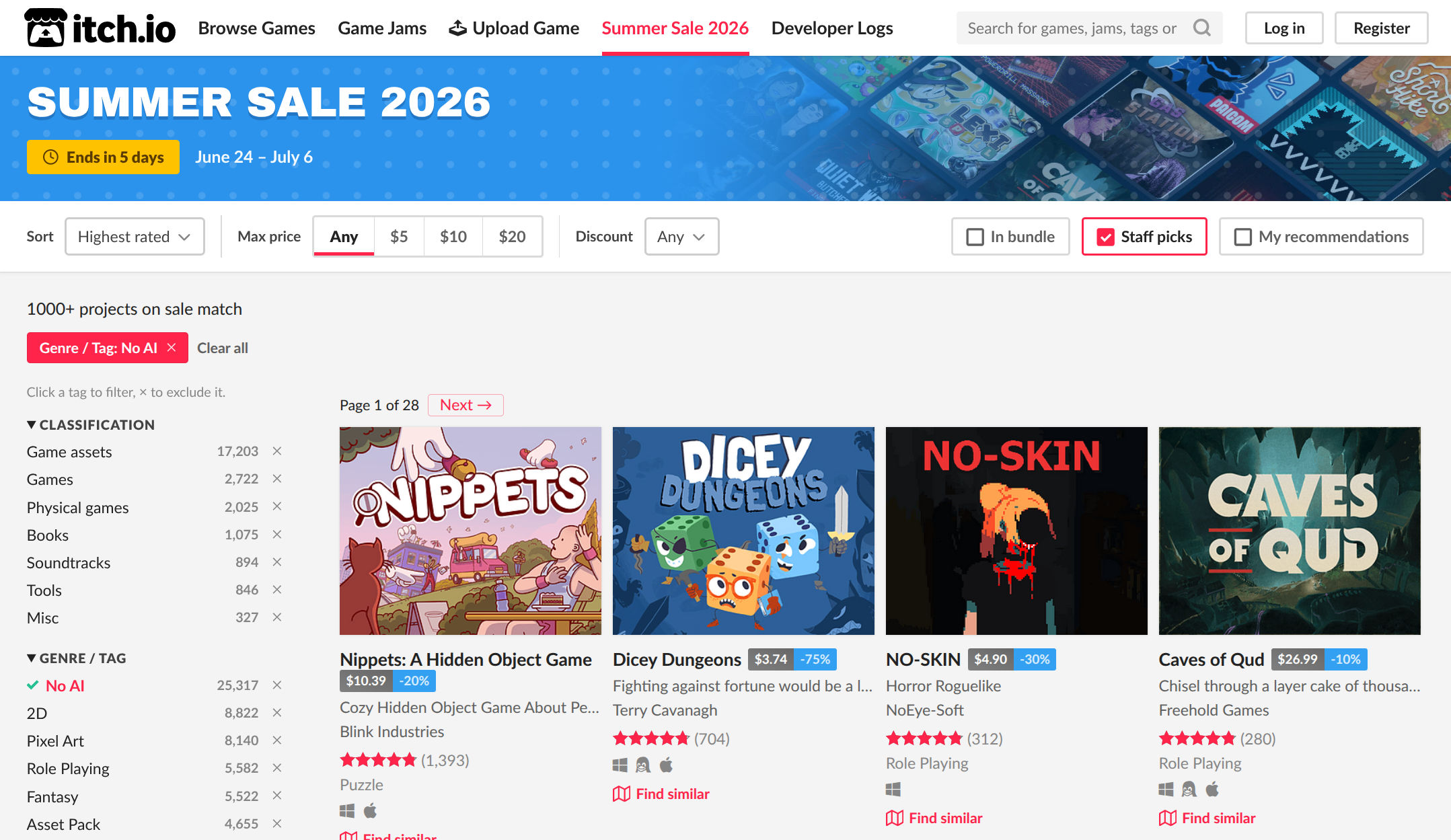
One of the most immediate and impactful additions for users is the new Sale Explorer, a dedicated browsing interface designed to navigate the often-overwhelming landscape of large-scale digital sales. Launched in conjunction with the platform’s recent Summer Sale, which featured over 30,000 discounted projects, the Sale Explorer fundamentally redefines how users discover content during promotional events. Prior to this, users often faced a linear or less granular browsing experience, making it challenging to sift through vast quantities of titles to find specific genres, styles, or platforms of interest. The introduction of the Sale Explorer directly addresses this challenge, transforming the sales page into a highly interactive and filterable hub.
The Sale Explorer integrates advanced filtering mechanisms, allowing users to precisely narrow down their search by various criteria such as genre, tag, platform compatibility, price range, and more. This granular control empowers buyers to efficiently locate games, assets, or tools that align with their preferences, mitigating discovery fatigue that can arise from sifting through thousands of undifferentiated listings. Furthermore, a "find similar" recommendation engine has been implemented, providing intelligent suggestions based on currently viewed or preferred projects. This feature leverages underlying metadata and user interaction patterns to surface relevant titles that users might otherwise overlook, significantly enhancing serendipitous discovery within the sale environment. Early community reactions, as seen in the platform’s forums, have been overwhelmingly positive, with users praising the ability to "exclude genres and get ‘find similar’ recommendations [making] browsing a sale with thousands of games actually manageable." This enhancement is not merely a temporary fixture for seasonal events; itch.io developers have indicated plans to integrate many of these advanced browsing functionalities into the standard browse pages across the site in the future, promising a more robust and personalized discovery experience year-round. This move reflects a broader industry trend towards intelligent content curation, recognizing that as digital libraries grow, effective navigation becomes paramount for both consumer satisfaction and creator visibility.
Revolutionizing Collaborative Bundles: A Decade in the Making
Another cornerstone update is the comprehensive revamp of itch.io’s bundle hosting system, an integral feature that has been a part of the platform for over a decade. While the previous system facilitated numerous successful bundles, including many charity initiatives and collaborative developer showcases, its age presented growing limitations, particularly for large-scale, multi-developer projects. Organizing and managing hundreds of contributors and their respective projects within a single bundle often proved cumbersome, requiring significant manual oversight and administrative effort. The new overhaul directly targets these pain points, introducing a suite of features designed to simplify the creation, management, and participation processes for collaborative bundles.
Key improvements include enhanced tools for bundle organizers, allowing for more efficient invitation management, improved project submission workflows, and clearer communication channels with participating developers. The previous system, while functional, could become unwieldy when dealing with dozens or hundreds of contributors, often leading to delays and administrative bottlenecks. The revamped system streamlines the entire lifecycle of a bundle, from initial conceptualization to final execution, making it significantly easier for organizers to coordinate large groups of creators. For developers, participation in bundles is now a more intuitive process, with clearer instructions and simplified submission procedures. This is particularly beneficial for charity bundles or community-driven events, which often rely on the participation of many indie developers to achieve their fundraising or promotional goals. The ability for existing pending bundles to leverage these new features after resetting participation further highlights the platform’s commitment to ensuring all users can benefit from the modernized system. This update not only improves operational efficiency but also reinforces itch.io’s reputation as a platform that actively fosters community and collaboration, providing the infrastructure necessary for creators to come together for shared initiatives, whether for profit-sharing or philanthropic causes. The improved system is poised to reduce friction, encourage more ambitious collaborative projects, and ultimately drive greater engagement within the indie game community.
Modernizing Creative Spaces: The Jam Theme Editor’s Evolution
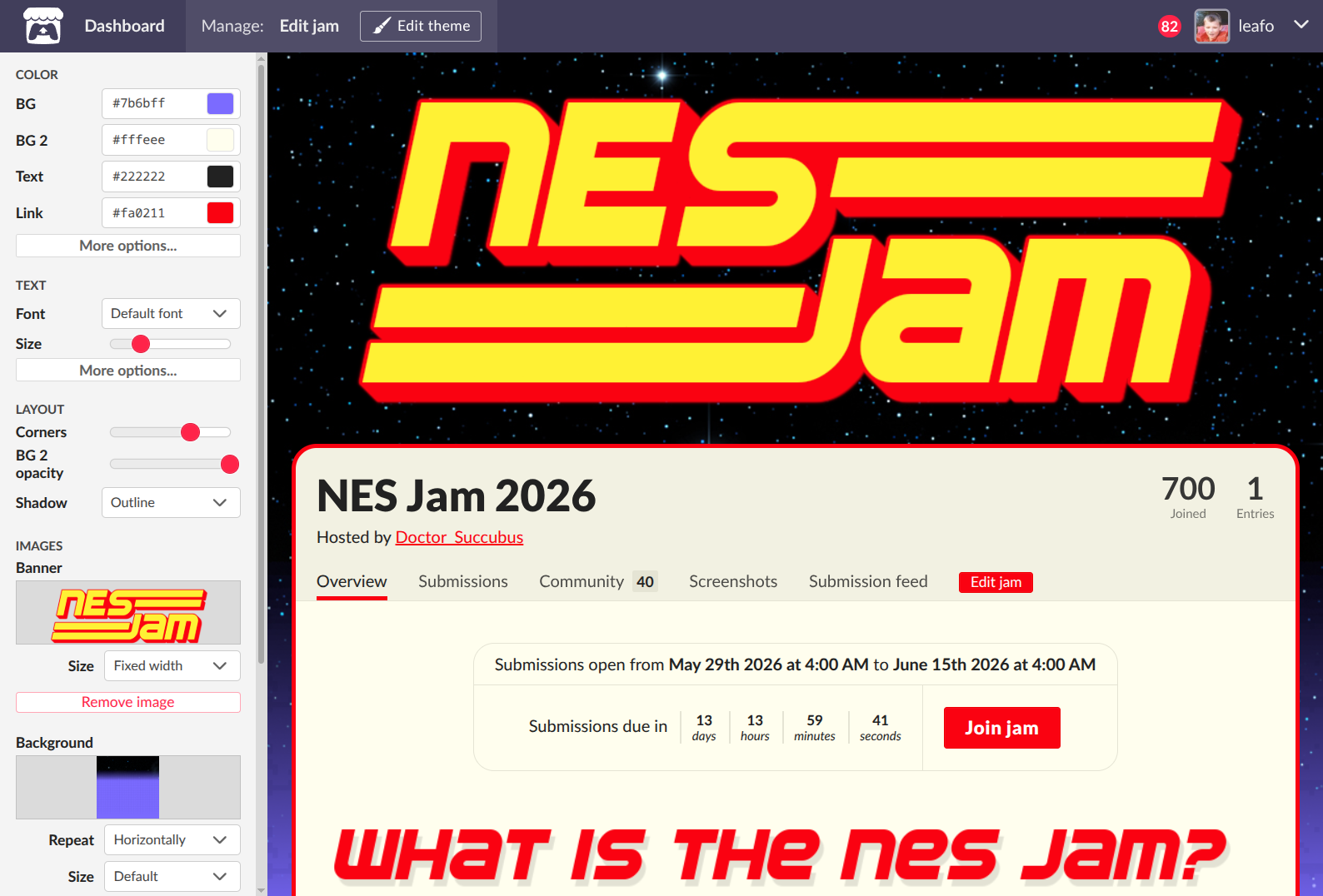
Game jams are a vibrant and essential component of the independent game development scene, serving as incubators for creativity, skill development, and community building. Recognizing the importance of a compelling presentation for these events, itch.io has modernized its jam theme editor. This update migrates the editor to the same user interface framework used elsewhere on the site, ensuring a consistent and intuitive experience for jam hosts while simultaneously expanding customization capabilities. The previous jam theme editor, while functional, had become somewhat dated in its interface and options, potentially limiting the aesthetic expression of jam organizers.
The revamped editor provides jam hosts with a rich array of new customization options, allowing for greater control over the visual identity of their jam pages. This includes advanced color palette selection, typography adjustments, layout configurations, and more flexible integration of images and multimedia elements. The goal is to enable organizers to create unique and thematic landing pages that accurately reflect the spirit and branding of their game jam, thereby attracting more participants and fostering a stronger sense of community. Crucially, itch.io developers took careful measures to preserve existing custom CSS on jam pages, ensuring that previous customizations were not disrupted by the migration. For hosts who rely on custom CSS for highly specific design elements, the platform has provided detailed documentation regarding markup changes, facilitating a smooth transition and continued creative freedom. This attention to backward compatibility, while introducing forward-looking features, demonstrates a thoughtful approach to platform evolution. The enhanced theme editor not only makes game jam pages more visually appealing and professional but also reduces the barrier to entry for new organizers, allowing them to create polished event pages without extensive technical knowledge. This investment in the aesthetics and functionality of game jam pages ultimately strengthens itch.io’s position as a premier host for indie game development events, fostering a more dynamic and engaging environment for creators worldwide.
Strengthening Creator Economy: Enhanced Patreon Integration
In a significant move to bolster its creator economy tools, itch.io has rebuilt its Patreon integration, moving to Patreon’s V2 API. This overhaul addresses critical limitations of the previous integration, particularly concerning access grants for patrons and financial discrepancies arising from currency conversions. The previous system primarily relied on pledge amounts for access, which could lead to inconsistencies when patrons paid in different currencies, creating administrative headaches for creators and potential frustration for patrons. The new integration resolves this by enabling access grants based on membership tiers, a more robust and flexible system aligned with how creators typically structure their Patreon offerings.
Creators now have three distinct methods to grant access to their projects through the Patreon integration:
- Tier-based access: Patrons gain access to specific projects upon reaching a designated pledge tier. This is particularly useful for creators offering different levels of content or early access.
- Pledge amount access: While tier-based access is the primary enhancement, the option to grant access based on a specific pledge amount remains, providing continuity for existing setups and flexibility for certain creator models.
- Manual grants: Creators retain the ability to manually grant access to individual patrons, offering a fallback for unique situations or custom rewards.
The enhanced system significantly improves reliability and fairness, handling various edge cases that the older integration struggled with. This includes scenarios involving patrons who change their pledge tiers, patrons whose payments might temporarily lapse, or those interacting with different currencies. The integration ensures that access is granted accurately and consistently, reducing the administrative burden on creators and ensuring patrons receive the content they are entitled to. An important aspect of this integration is that once a patron claims access to a project through Patreon, they retain that access indefinitely, even if their Patreon membership changes or lapses. This policy ensures that patrons are not penalized for changes in their subscription status after having supported a project, fostering goodwill and long-term engagement. The membership status is checked at the initial grant time, providing a clear and fair mechanism for content distribution. This robust Patreon integration is crucial for indie creators who rely on crowdfunding and subscription models to sustain their work. By streamlining the process of delivering content to patrons, itch.io empowers creators to focus more on development and less on administrative tasks, ultimately strengthening their ability to monetize their projects and build sustainable communities around their work. This is a critical development in the evolving landscape of the creator economy, where direct support mechanisms are increasingly vital for independent artists and developers.
Broader Platform Strategy and Context
These latest updates collectively reflect itch.io’s foundational philosophy: to provide a creator-first platform that champions independent game development. Since its inception, itch.io has carved out a unique niche in the digital distribution landscape by prioritizing flexibility, openness, and direct creator control, standing in contrast to larger, more curated storefronts. The continuous deployment of features like the Sale Explorer, revamped bundle hosting, modernized jam editor, and enhanced Patreon integration demonstrates a strategic commitment to refining the core functionalities that underpin its community-driven ecosystem.
The Sale Explorer, for instance, is not just about improving sales; it’s about democratizing discoverability within a crowded marketplace, ensuring that even niche titles have a chance to be found by interested players. This aligns with itch.io’s mission to be a platform where developers can experiment, publish freely, and connect directly with their audience without prohibitive gatekeeping. Similarly, the bundle hosting revamp reinforces the platform’s role as a hub for collaborative projects and charitable endeavors, facilitating collective action within the indie community. The game jam editor update underscores the importance of community events and learning opportunities, providing better tools for the grassroots development that often defines the indie scene. Finally, the Patreon integration directly supports the financial sustainability of creators, recognizing that direct audience support is increasingly vital for independent artists to thrive.
In a competitive market dominated by giants like Steam and Epic Games Store, itch.io differentiates itself through its strong community focus and its comprehensive suite of tools tailored specifically for indie developers. These updates are not merely incremental improvements; they are strategic investments in the platform’s unique value proposition. By continually enhancing the user experience for both players and creators, itch.io solidifies its position as a vital, creator-centric alternative that fosters innovation and supports the diverse needs of the independent game development community.
Community Reception and Future Outlook
The initial reception to these updates within the itch.io community has been largely positive, as evidenced by discussions on the platform’s forums and blog comments. Users have specifically lauded the Sale Explorer for making large sales "actually manageable," highlighting the immediate impact of improved filtering and recommendation features. The Patreon integration has also been warmly received, with creators expressing enthusiasm for the new tier-based grant system and the enhanced reliability it brings to their monetization efforts. One user commented, "The patreon feature is really neat. Nice to see big update happening on itch," while another remarked, "Some awesome additions! May finally be time to pull my finger out and setup a Patreon! <3"
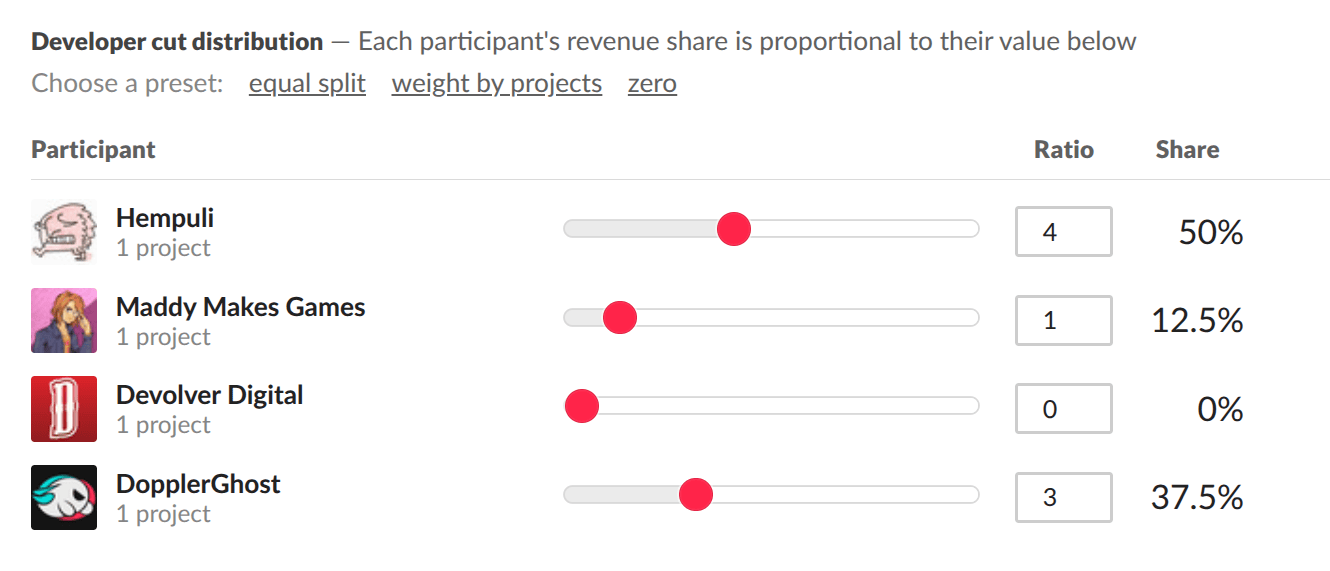
However, community feedback also includes constructive suggestions for further improvements. One prominent request is the ability to exclude the "AI assisted" tag from searches, indicating a desire for more refined content filtering options, particularly concerning emerging technologies and their ethical implications within creative works. Another significant suggestion revolves around the revenue split feature, with a user expressing a desire for it to be "usable per project" to facilitate collaborations with multiple individuals on a single game or monthly publications. Leafo, the founder of itch.io, acknowledged this specific request, stating, "I agree, it’s something I want to work on at some point," signaling potential future developments that could further empower collaborative creator teams. Such direct engagement between the platform’s leadership and its user base is a hallmark of itch.io’s community-driven approach.
The developers have also indicated that many of the advancements seen in the Sale Explorer are intended to eventually permeate the standard browse pages, suggesting a continuous evolution of the platform’s core discovery mechanisms. This forward-looking perspective, coupled with an agile development cycle that frequently rolls out changelogs, indicates that itch.io remains committed to iterative improvement and responsiveness to its community’s needs. The platform’s ongoing evolution is critical for maintaining its relevance and appeal to indie developers and players alike, ensuring it remains a dynamic and supportive environment for independent digital creativity.
Conclusion
The latest changelog from itch.io represents a substantial upgrade to its core functionalities, reinforcing its position as a robust and creator-friendly platform. From enhancing user discoverability through the Sale Explorer to streamlining collaborative efforts with the revamped bundle hosting, empowering game jam organizers, and strengthening creator monetization via an improved Patreon integration, these updates collectively contribute to a more efficient, engaging, and sustainable ecosystem for independent digital content. By addressing critical user needs and technical limitations, itch.io continues to demonstrate its commitment to fostering a vibrant community where indie creators can thrive and connect with their audiences effectively. These strategic enhancements are not just about new features; they are about continually refining the infrastructure that supports the diverse and innovative world of independent games and digital projects.
About the Author