The popular indie game platform itch.io has unveiled its curated list of standout titles from Ludum Dare 56, the latest installment of the celebrated bi-annual game development marathon. From October 4th to October 7th, developers worldwide converged digitally to create original games from scratch, all adhering to the theme "Tiny Creatures." The event concluded with thousands of innovative submissions, showcasing the boundless creativity and technical prowess within the global game development community. itch.io’s selections highlight a diverse array of genres and artistic interpretations, providing a snapshot of the innovative spirit that defines Ludum Dare.
Understanding Ludum Dare: A Crucible for Creativity
Ludum Dare, Latin for "to give a game," is one of the longest-running and most influential game jams in the world. Established in 2002 by Geoff Howland, it has grown into a cornerstone event for indie game developers, attracting tens of thousands of participants globally. The jam typically operates in two main categories: the "Compo," a solo challenge requiring a game to be built in 48 hours, and the "Jam," a team-based or solo event allowing 72 hours. Both categories demand that all assets, from code to art and sound, be created during the specified timeframe, fostering an intense environment for rapid prototyping and idea generation.
The core of Ludum Dare’s appeal lies in its stringent time limits and the unifying theme, which is voted upon by the community from a shortlist generated through multiple rounds of suggestions. This process ensures a fresh creative constraint for each event, pushing developers to think inventively and often outside their comfort zones. Past themes have ranged from the abstract "Start with nothing" to the more concrete "A small world," consistently leading to surprising and ingenious game designs. The event not only serves as a platform for individual skill development but also as a vibrant community hub where developers can share feedback, learn from peers, and discover emerging talent.
Ludum Dare 56: Embracing "Tiny Creatures"
Ludum Dare 56, held from Friday, October 4th, to Monday, October 7th, presented participants with the evocative theme "Tiny Creatures." This theme offered a broad spectrum of interpretations, from literal depictions of insects, microbes, or miniature animals, to more metaphorical explorations of small-scale societies, microscopic worlds, or even the subtle impact of seemingly insignificant entities. The chosen theme challenged developers to consider not only the physical attributes of small beings but also their environments, behaviors, and potential narratives. Would players embody a single ant, guide a swarm of microscopic organisms, or perhaps observe a hidden ecosystem? The ambiguity allowed for immense creative freedom, leading to a rich tapestry of submissions that explored various facets of "tininess" and "creaturehood."
The submission period for Ludum Dare 56 saw thousands of games uploaded to various platforms, including itch.io, which serves as a primary repository and community hub for jam participants. Following the development phase, a crucial voting period commences, where participants play and rate each other’s games, providing constructive criticism and helping to surface standout entries across categories like innovation, fun, graphics, and audio. itch.io’s curated recommendations often emerge from this extensive pool of community-vetted titles, highlighting games that not only excelled technically but also uniquely interpreted the theme.
itch.io’s Influence on the Indie Game Landscape
As a prominent digital storefront and community platform for independent game developers, itch.io plays a crucial role in the indie game ecosystem. Known for its developer-friendly revenue share model and extensive customization options for game pages, it has become a preferred destination for creators to host, sell, and distribute their games, especially those originating from game jams. The platform’s robust tagging system, community features, and curated collections make it an invaluable resource for both developers seeking an audience and players looking to discover unique, experimental, or niche titles.
When itch.io provides official recommendations, it significantly boosts visibility for the selected games and their creators. This exposure can be pivotal for nascent projects, attracting new players, generating feedback, and potentially laying the groundwork for further development into commercial releases. For Ludum Dare participants, an itch.io feature can be a powerful validation of their hard work and creativity within the intense jam environment. The platform’s recommendations are not merely arbitrary picks but are often reflective of games that demonstrate strong design, innovative mechanics, compelling art, or a fresh take on the jam’s theme.
Featured "Tiny Creatures" Creations: A Deep Dive
The selection of games highlighted by itch.io for Ludum Dare 56 exemplifies the breadth of interpretation and execution within the "Tiny Creatures" theme. Each title offers a distinct experience, showcasing various genres, art styles, and gameplay mechanics.
TINY PACK by xk
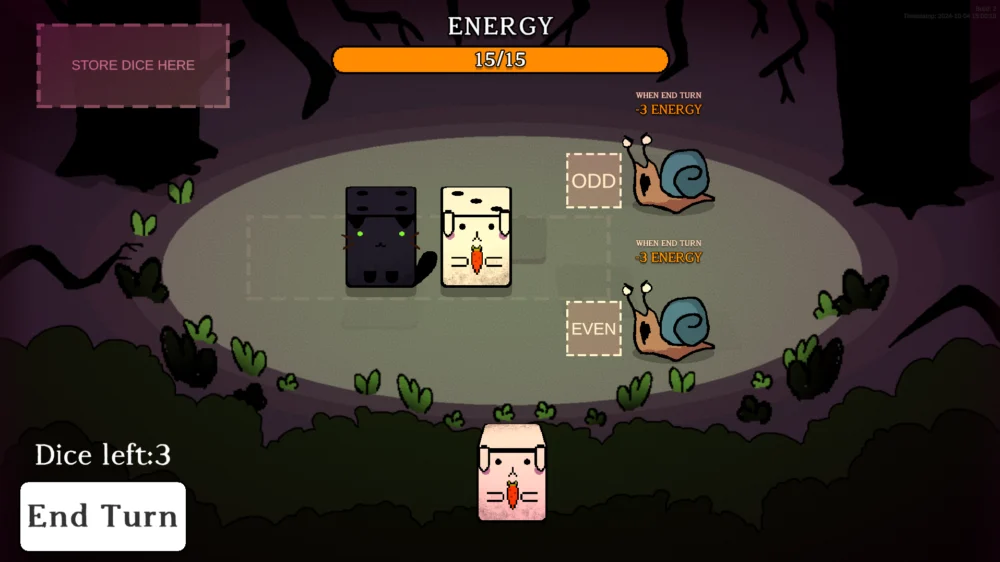
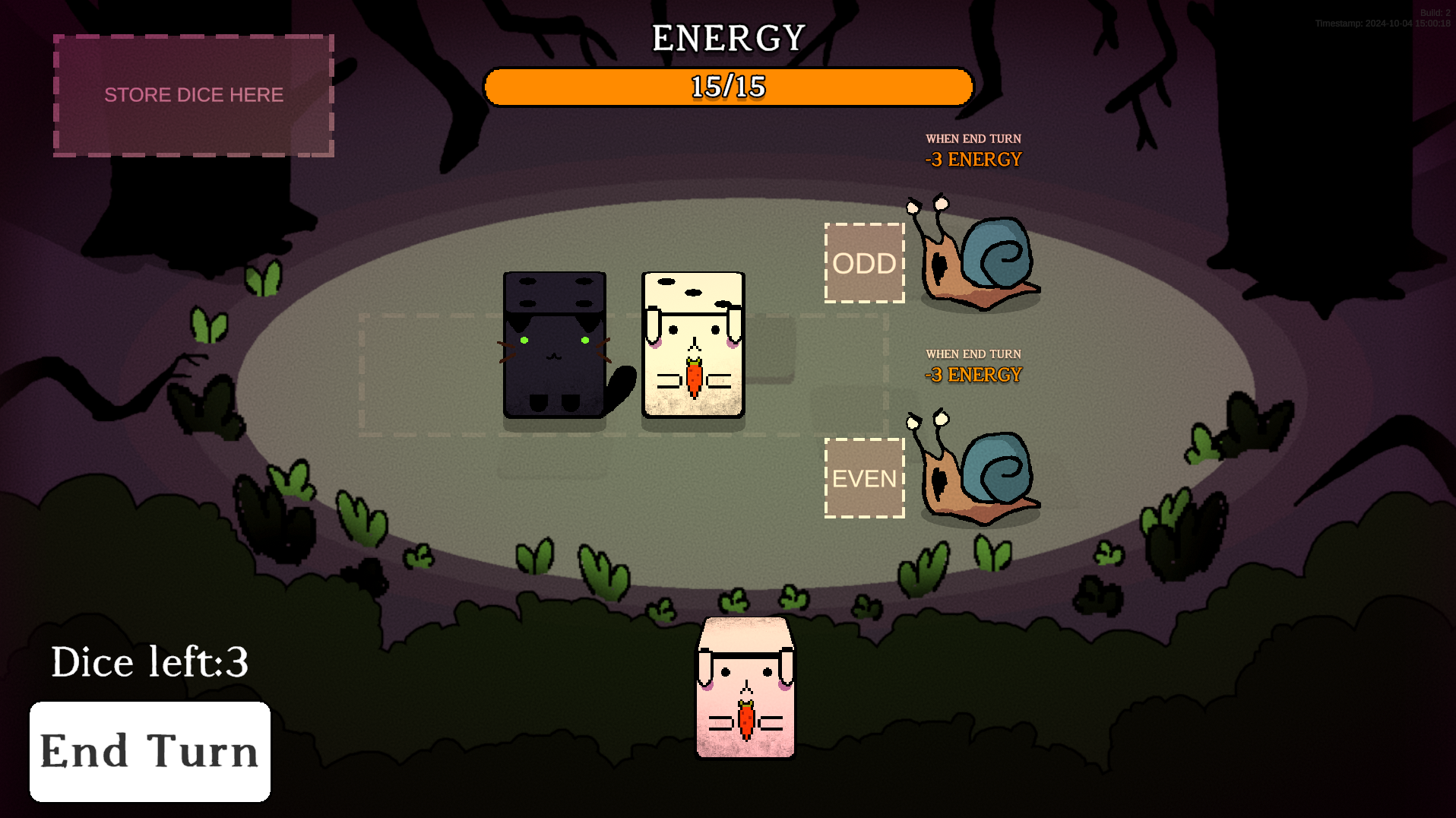
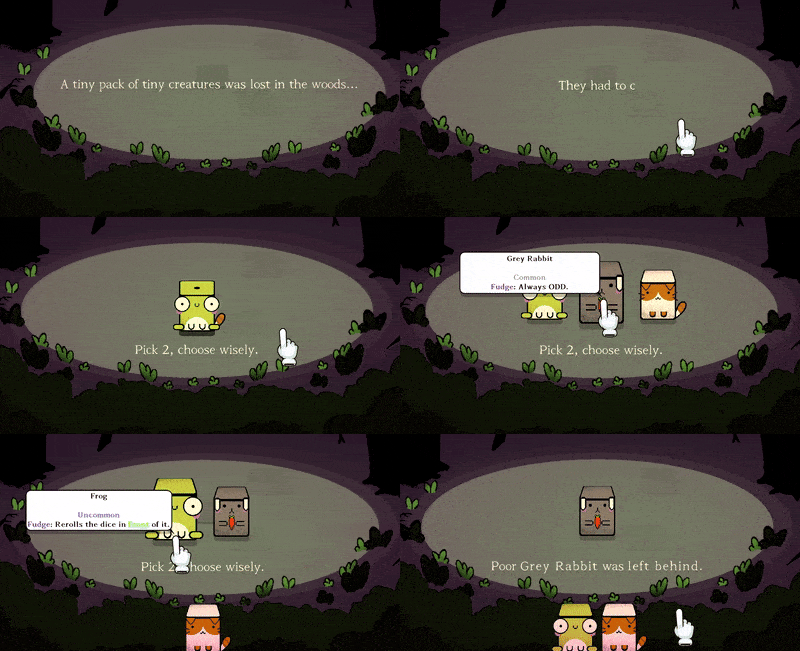
TINY PACK masterfully blends elements of roguelike adventure with strategic deck-building and turn-based combat. Players embark on a journey through a procedurally generated woodland, guiding a pack of diminutive creatures. The "tiny creatures" aspect is central to the gameplay, as players manage a diverse array of small animal companions, each possessing unique dice-based abilities. Success hinges on strategic decision-making, utilizing the creatures’ combined strengths to overcome environmental obstacles and enemy encounters. The pixel art visuals evoke a classic, charming aesthetic, enhancing the sense of a grand adventure undertaken by a small, yet formidable, group. The game’s browser-based accessibility ensures wide reach, allowing players to dive into its intricate systems immediately. This title exemplifies how a simple theme can inspire complex and engaging gameplay loops, focusing on the tactical management of a miniature ecosystem.
Butterjar by zz1p
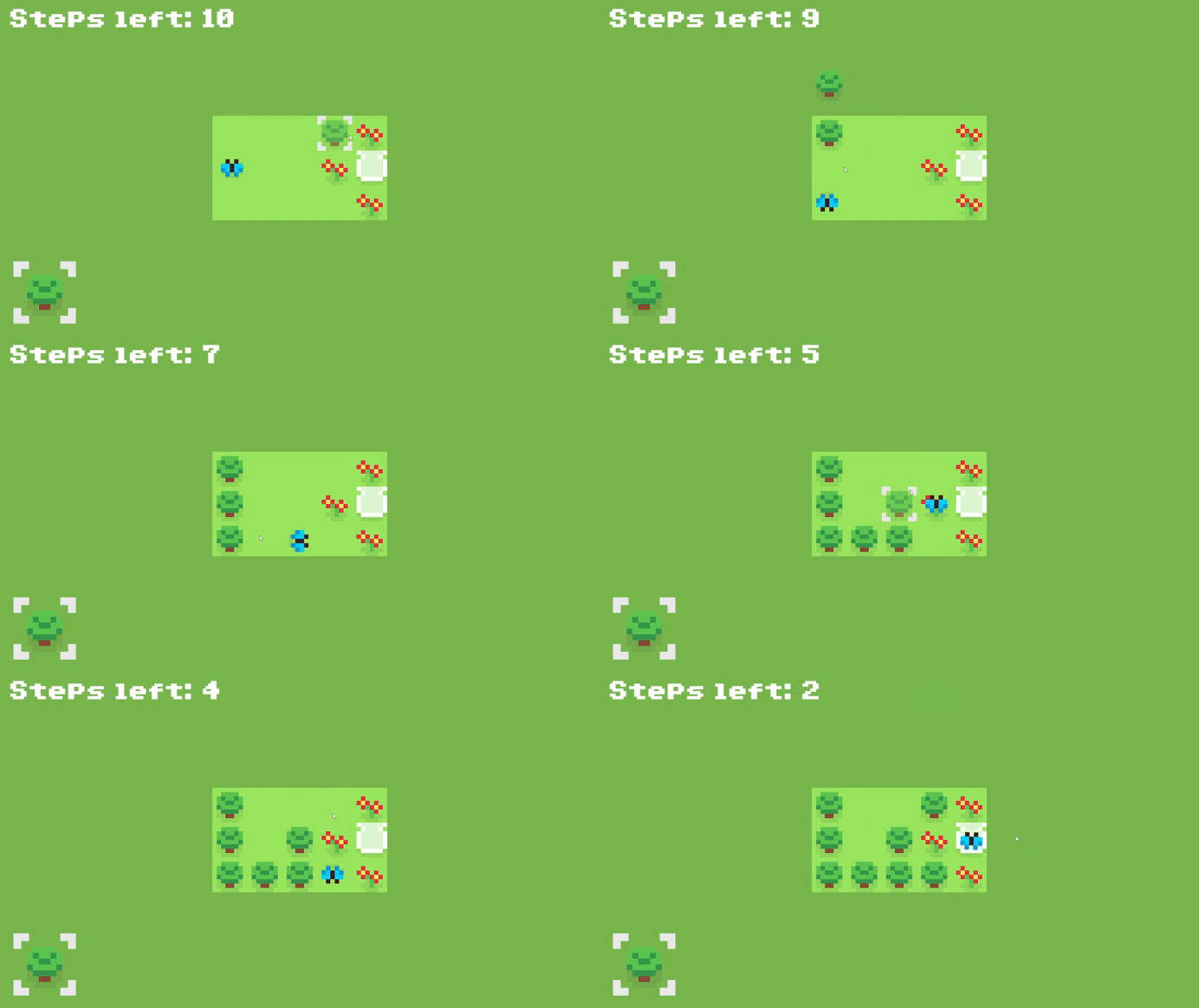
Butterjar offers a more contemplative and precise experience as a puzzle-platformer. The premise is elegantly simple: guide a delicate butterfly into a jar. This seemingly straightforward task is complicated by a series of increasingly clever environmental puzzles across 13 distinct levels. The "tiny creature" here is the butterfly itself, whose fragile nature and specific movement patterns dictate the puzzle design. Players must navigate intricate pathways, manipulate objects, and time their movements with precision. The game’s concise playtime, around 10 minutes, makes it an ideal example of a well-scoped game jam project that delivers a complete and satisfying experience. Its browser compatibility makes it highly accessible, inviting players to a brief but engaging mental challenge.
GO BLO by kazantsev
GO BLO shifts the focus from individual creatures to a collective. Players lead a troop of "blue people" – essentially tiny, amorphous blobs – through a series of levels, with the primary objective of accumulating a larger and larger crowd of followers. The "tiny creatures" concept is explored through the mechanics of growth and mass: the more blue people collected, the greater the collective’s ability to solve environmental puzzles. This innovative approach requires players to manage their growing troop, utilizing their combined weight or numbers to activate switches, move obstacles, or reach new areas. The game’s visual style, while minimalist, effectively conveys the dynamic nature of the expanding blob. Also playable in browser, GO BLO offers a unique take on the puzzle genre, emphasizing the power of unity among small entities.

Slimeow Game by quanran
Slimeow Game cleverly combines the popular genres of tower defense and incremental gameplay, featuring adorable slime creatures. Players are tasked with guiding "slimeows" to collect fish, which in turn allows them to breed more slimeows, expanding their tiny colony. The game then introduces a defensive element, requiring players to protect their pond from invading "bobtails." Here, the "tiny creatures" are both the endearing protagonists and the encroaching antagonists, creating a compelling loop of resource management, expansion, and defense. The game’s incremental nature provides a satisfying sense of progression, while the tower defense mechanics add a layer of strategic depth. The use of a vibrant screenshot rather than a GIF suggests a more static, perhaps UI-driven, experience, typical of incremental games. Its browser accessibility makes it easy for players to jump in and start building their slimeow empire.
A very small seed by vidarn
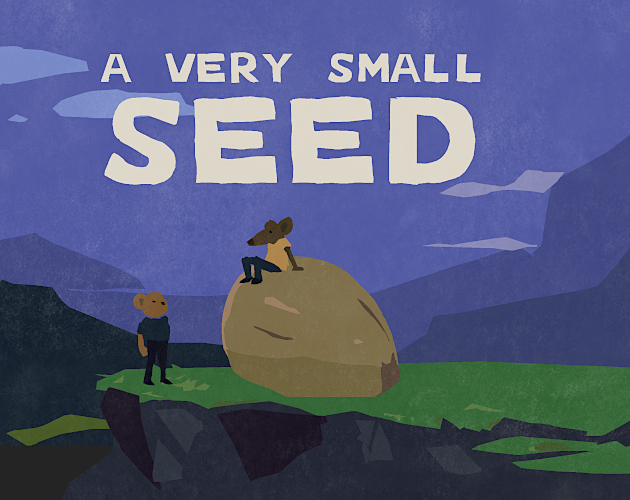
A very small seed delivers a narrative-driven adventure with a distinct hand-drawn aesthetic. The game follows two tiny creatures on a poignant journey to bring a small seed home. The "tiny creatures" are central to the emotional core of the experience, their vulnerability and determination driving the narrative. Players navigate various obstacles, immersing themselves in a world scaled to the protagonists’ miniature perspective. The hand-drawn visuals lend a personal and intimate feel to the journey, enhancing the storytelling aspect. As a short interactive experience, it demonstrates how game jams can be platforms for concise, impactful narratives that resonate emotionally, even within a limited development timeframe. Its browser-based format encourages players to experience this touching tale without friction.
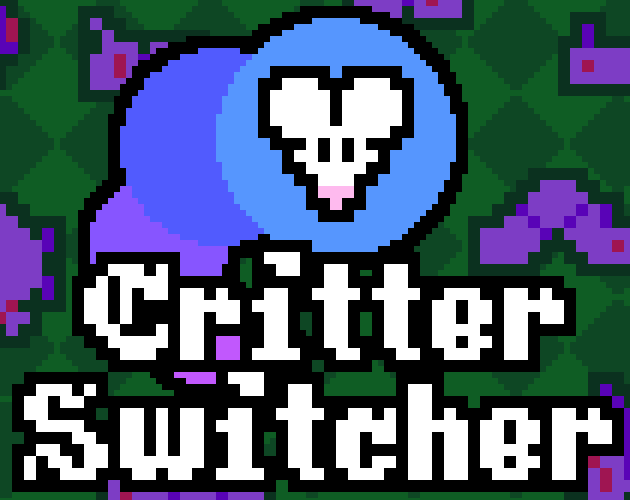
Critter Switcher by torcado
Critter Switcher reintroduces the roguelike genre with a charming pixel-art twist. Players guide a mouse through an intricately designed pixel-art garden, on a quest to find their "posse." The "tiny creature" theme is embodied by the mouse protagonist and potentially its allies, suggesting a focus on the miniature world of garden inhabitants. As a roguelike, it implies procedural generation, permadeath, and challenging combat or puzzle elements, all within the confines of a small, interconnected environment. The pixel art style is perfectly suited for depicting a detailed yet condensed world, allowing for clear visual communication of gameplay elements. While specific mechanics are not detailed, the roguelike tag suggests a focus on exploration, resource management, and strategic encounters, all from the perspective of a small but resilient critter.
Candyween by megurte
Candyween offers a delightful Halloween-themed puzzle-platformer with an isometric pixel art style. In this game, players control a cat, another quintessential "tiny creature" in a domestic setting, assisting a witch in recovering scattered candies. The levels are designed as isometric puzzles, requiring players to navigate around obstacles such as ghosts and dogs. The "tiny creature" aspect is explored through the cat’s perspective and its ability to traverse environments that might be challenging for larger beings. The Halloween theme adds a festive and atmospheric layer, while the puzzle-platformer mechanics demand careful planning and execution. The isometric view provides a unique spatial challenge, making the navigation around spooky elements both engaging and visually appealing. The game’s GIF showcases its charming visuals and fluid gameplay.
Tiny Apple by docgeraud
Tiny Apple takes an entirely different approach, presenting an idle simulation game focused on generating "love" in a city. The "tiny creature" aspect here is more abstract, perhaps referring to the small, unseen actions or entities that contribute to a larger, positive outcome. The gameplay is characterized by simple one-button interactions, making it highly accessible and relaxing. As an idle game, it allows for continuous progression even when the player is not actively engaged, embodying the idea that small, consistent efforts can lead to significant results over time. Its browser-based nature further emphasizes its pick-up-and-play appeal, offering a serene and contemplative experience centered around the incremental growth of an abstract resource.
Combo Critters by punkcake
Combo Critters is a strategic card battling game that directly leans into the "tiny creatures" theme by featuring a roster of small, unique beings. Players build teams of these critters, each endowed with distinct abilities, to create powerful combinations and outmaneuver opponents. The strategic depth comes from understanding the synergies between different "tiny creatures" and deploying them effectively in battle. This game showcases how the theme can be interpreted within a competitive, tactical framework, where the individual characteristics of small entities contribute to a larger strategic whole. As a free-to-play title for Windows, it offers a more robust experience, potentially with deeper systems than typical browser-based jam games, allowing for extensive experimentation with creature combinations.
Would You Still Love Me? by rachelftech
Would You Still Love Me? is a narrative adventure that delves into the emotional and interpersonal implications of the "tiny creature" theme. This game explores a unique premise: what happens if your partner suddenly transforms into a tiny creature? The narrative focuses on the human element, examining themes of love, acceptance, change, and the challenges of maintaining a relationship under extraordinary circumstances. The "tiny creature" here serves as a catalyst for a deeply personal story, allowing players to explore complex emotions and decisions. Its browser-based format makes it an accessible vehicle for storytelling, proving that game jams can produce not only mechanically innovative titles but also emotionally resonant interactive narratives that prompt introspection.
Beyond the Picks: The Broader Ludum Dare 56 Landscape
While itch.io’s curated list provides an excellent starting point, it represents only a fraction of the thousands of games submitted to Ludum Dare 56. The official Ludum Dare website and itch.io’s dedicated Ludum Dare 56 tag showcase the sheer volume and diversity of entries, ranging from experimental art games to polished prototypes across every conceivable genre. The event’s communal aspect is further solidified by the extensive feedback and rating system, where developers actively engage with each other’s creations, fostering a supportive and educational environment. This collaborative spirit is a hallmark of game jams, transforming what could be a solitary pursuit into a shared learning experience.
The success of Ludum Dare 56, much like its predecessors, underscores the enduring power of creative constraints and community engagement in driving innovation within game development. The "Tiny Creatures" theme proved to be a fertile ground for imaginative interpretations, leading to a vibrant collection of games that highlight the ingenuity of indie developers.
The Enduring Impact of Game Jams
Game jams like Ludum Dare are more than just weekend coding marathons; they are vital incubators for talent, innovation, and community building. For aspiring developers, they offer invaluable experience in rapid prototyping, project management, and working under pressure. For seasoned professionals, they provide an opportunity to experiment with new ideas, technologies, or genres without the commercial pressures of a full production cycle. Many successful indie games, such as Baba Is You and Superhot, began as game jam prototypes, demonstrating their potential to spark groundbreaking concepts.
Platforms like itch.io amplify this impact by providing a democratic and accessible space for these creations to be showcased and discovered. By highlighting standout titles, itch.io not only celebrates individual achievements but also encourages wider participation and exploration within the indie game ecosystem. The recommendations for Ludum Dare 56 serve as a testament to the thriving creativity within the game development community, reminding us that even the smallest ideas, when given the right platform and constraint, can blossom into something truly remarkable.
The enthusiasm surrounding Ludum Dare 56 and the quality of its submissions reinforce the jam’s critical role in shaping the future of independent game development. Developers and players alike are encouraged to delve deeper into the vast catalog of games tagged "Ludum Dare 56" on itch.io, to discover more hidden gems and appreciate the dedication and artistry of the global game dev community.
About the Author