The contemporary gaming landscape is frequently dominated by the release of major AAA titles, often characterized by extensive development cycles, massive budgets, and gameplay experiences stretching over dozens of hours. Amidst this deluge, the independent game development sector continues to thrive, offering a rich tapestry of unique, experimental, and often deeply personal experiences that challenge conventional gaming paradigms. Digital storefronts like itch.io play a crucial role in highlighting these hidden gems, providing a curated platform for developers to showcase their creations and for players to discover games that might otherwise be overlooked. This week’s selection from itch.io exemplifies the diversity and creative prowess within the indie scene, featuring a minimalist platformer from a renowned developer, a narrative-driven exploration of early online communities, and an unsettling adventure from a studio celebrated for its evocative storytelling. These titles collectively underscore the innovative spirit that defines independent game development.
The Enduring Appeal of Independent Game Development
Independent games, often referred to as indie games, are developed by individuals or smaller teams without the financial support of a large publisher. This autonomy frequently translates into greater creative freedom, allowing developers to pursue niche concepts, experimental mechanics, and unconventional narratives that might be deemed too risky for mainstream production. The result is a vibrant ecosystem of games that push boundaries, foster artistic expression, and cater to diverse player preferences. Platforms like itch.io serve as vital conduits for this ecosystem, offering developers an accessible marketplace with favorable revenue splits and robust community features. For players, these platforms represent a curated alternative to the broader digital storefronts, where smaller titles can easily get lost amidst high-profile releases. The "Games of the Week" feature is a testament to itch.io’s commitment to surfacing quality independent content, ensuring that innovative projects receive the attention they deserve.
Featured Mr Platformer – A Testament to Core Mechanics and Exploration
The first highlighted title, Mr Platformer, arrives from Terry Cavanagh, a developer whose name is synonymous with critically acclaimed indie games that often blend deceptively simple aesthetics with profound mechanical depth. Cavanagh’s previous works, such as the gravity-flipping VVVVVV (2010), the intense rhythm-action game Super Hexagon (2012), and the roguelike deck-builder Dicey Dungeons (2019), have consistently demonstrated his mastery of game design, earning him a dedicated following and numerous industry accolades. The release of a new title from Cavanagh is an event in the indie community, and Mr Platformer is no exception, already garnering praise for its nuanced execution.

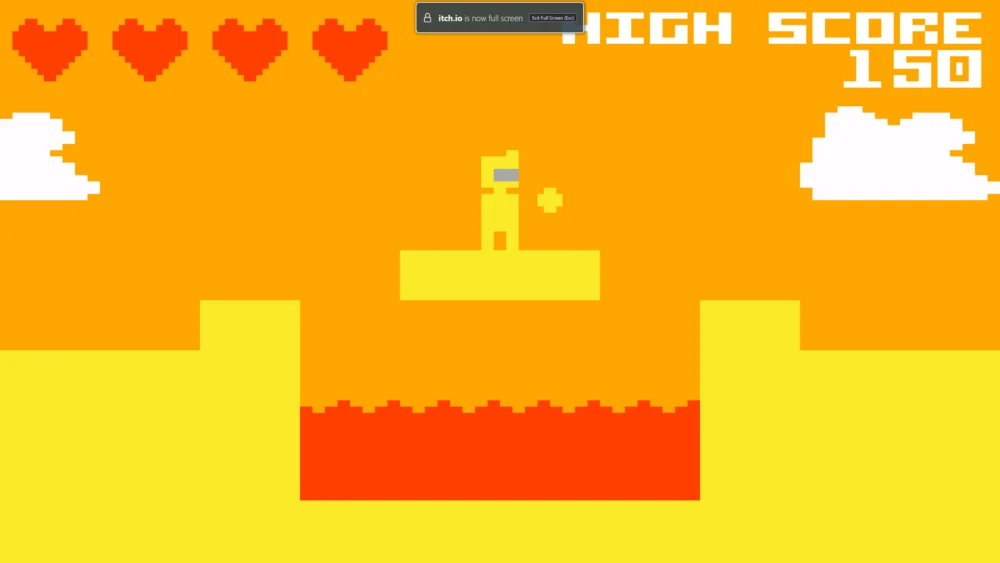
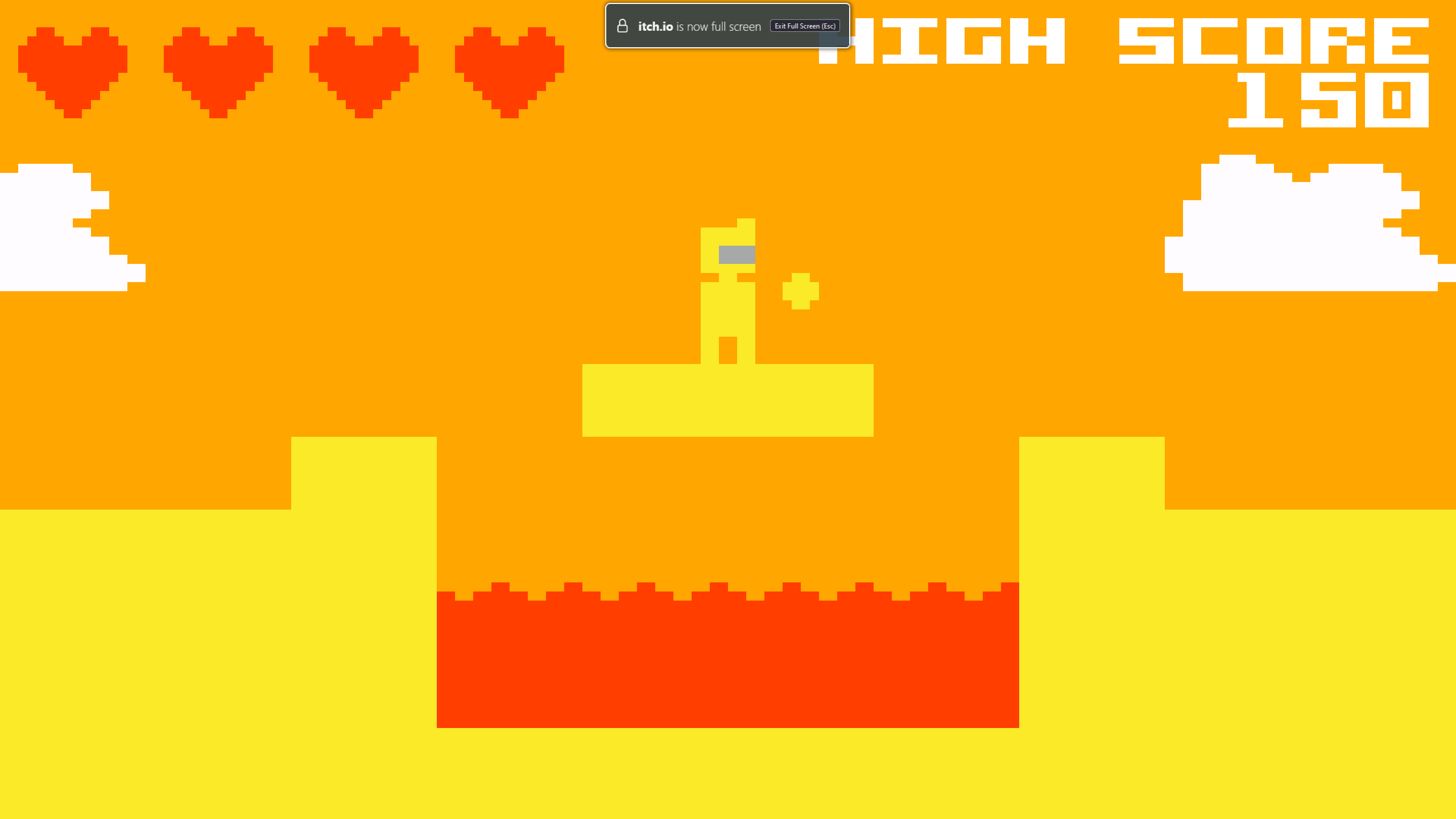
At first glance, Mr Platformer presents itself with a minimalist title and an equally understated description, promising little more than the fundamental actions of running, jumping, and swimming. This Spartan presentation, however, belies a meticulously crafted experience that leverages these core mechanics to explore deeper design principles. While the game’s initial premise might suggest a straightforward platforming challenge, players who delve beyond the surface will quickly discover layers of complexity and environmental storytelling. The game encourages extensive exploration, hinting that the titular Mr Platformer possesses capabilities beyond the basic actions, which are unveiled through diligent interaction with the game world. This design philosophy aligns with Cavanagh’s reputation for creating games that reward player curiosity and persistence, often revealing hidden depths and unexpected twists.
The critical reception, as inferred from the enthusiastic recommendation, positions Mr Platformer as another significant contribution to Cavanagh’s impressive portfolio. It serves as a compelling reminder of why he is considered one of the enduring greats in independent game development. His ability to distill complex ideas into accessible, yet profoundly engaging, gameplay experiences continues to set a benchmark for minimalist design. The game’s focus on foundational mechanics, combined with its encouragement of player-driven discovery, offers a refreshing counterpoint to the feature-laden nature of many modern games. Its release reinforces the idea that innovation in game design often stems from refining core interactions and allowing emergent gameplay to flourish.
Featured Videoverse – A Thoughtful Retrospective on Early Digital Communities
Videoverse, developed by Kinmoku, offers a poignant and meticulously crafted journey back to an era when online social interaction felt distinctly different from today’s sprawling, often contentious, digital landscapes. The game taps into a collective nostalgia for the early days of social media and online forums, presenting a period characterized by genuine connection, shared enthusiasm, and a sense of discovery that predated the widespread commercialization and algorithmic curation of the internet. This thematic choice resonates deeply with a generation that witnessed the internet’s evolution from nascent community spaces to its current omnipresent form.
Players assume the role of Emmett, a budding game enthusiast and artist navigating the complexities of adolescence and self-discovery within the context of these burgeoning online communities. The narrative unfolds through Emmett’s interactions across various digital platforms, including dedicated fan forums for his favorite RPGs and private instant messaging conversations with friends. This dual-layered approach allows Videoverse to explore both the public and private facets of online identity formation during a formative technological period. The game’s success lies in its ability to thread a delicate needle: it avoids both navel-gazing introspection and overly romanticized historical revisionism. Instead, Kinmoku demonstrates a profound empathy for both the fictional characters and the real-world era they represent, portraying the nuances of online friendships, rivalries, and self-expression with authenticity.
Beyond its compelling narrative and thematic depth, Videoverse distinguishes itself through its visually striking and tonally perfect art style. The game masterfully evokes the aesthetic sensibilities of 1990s and early 2000s anime without resorting to pastiche or cliché. This visual design is not merely decorative; it functions as an integral component of the storytelling, enhancing the nostalgic atmosphere and lending emotional weight to character interactions. The expressive character designs and environmental details consistently reinforce the game’s central themes, creating an immersive experience where visual artistry and narrative cohesion are inextricably linked. The development team’s attention to detail in this regard has been widely praised, with the visual design often cited as a standout feature that complements the nuanced writing. The positive community response, including a direct acknowledgement from the developer "Kinmoku" in the comments section, further highlights the game’s impact and appreciation within the itch.io community. Videoverse stands as a compelling example of how indie games can offer insightful social commentary and historical reflection through engaging interactive narratives.
Featured TEST TEST TEST – Mojiken Studio’s Dive into the Unsettling
Mojiken Studio, an Indonesian independent game developer operating under the Toge Productions umbrella, has cultivated a reputation for crafting deeply emotional and artistically distinct narrative experiences. Their portfolio includes acclaimed titles such as "A Space for the Unbound," "When the Past Was Around," and "She and the Light Bearer," each praised for their unique visual styles and heartfelt storytelling. Despite their consistent output of high-quality games, the original article rightly points out that Mojiken Studio has yet to achieve the widespread notoriety arguably commensurate with their talent. TEST TEST TEST (TTT) represents a departure in tone for the studio, venturing into territory that is notably more unsettling and psychologically intriguing than their previous works.
TEST TEST TEST is presented as a short adventure game that places players in the role of an individual tasked with testing new software for the enigmatic Triquetra Consulting Firm. The firm’s stated mission to "unlock human potential" immediately establishes an undercurrent of unease, setting the stage for a narrative steeped in corporate mystery and potential technological overreach. The premise cleverly plays on common anxieties surrounding artificial intelligence, corporate ethics, and the unknown implications of advanced software. As players proceed with the testing protocols, the narrative inevitably veers into unexpected and disturbing territory, fulfilling the implicit promise of the unsettling setup. The game’s genius lies in its dual-layered storytelling: elements of the unfolding horror are revealed both through the direct testing scenarios and through environmental details and subtle clues within the broader office environment. This allows for a gradual build-up of tension and a compelling discovery process that keeps players engaged without explicitly revealing too much too soon.
The original article’s deliberate reticence to disclose further plot details underscores a key strength of TTT: its reliance on player discovery for maximum impact. This approach aligns with Mojiken Studio’s commitment to immersive narrative experiences, where players are active participants in uncovering the story’s nuances. The game’s shift towards a more suspenseful and subtly horrific tone demonstrates the studio’s versatility and willingness to explore different narrative avenues while maintaining their signature artistic integrity. TTT contributes to a growing subgenre of indie games that leverage psychological tension and atmospheric storytelling to create memorable, albeit disquieting, experiences. Its release serves as another compelling argument for Mojiken Studio to receive broader recognition within the global independent game development community, showcasing their capacity for diverse and impactful storytelling.

The Broader Impact and Future of Indie Game Curation
The selection of Mr Platformer, Videoverse, and TEST TEST TEST by itch.io for its "Games of the Week" feature is more than just a spotlight on individual titles; it is an affirmation of the crucial role platforms play in shaping the independent gaming landscape. In an era where digital storefronts are saturated with content, effective curation becomes paramount for both developers seeking visibility and players seeking quality. Itch.io’s commitment to showcasing diverse genres, innovative mechanics, and compelling narratives ensures that smaller, yet significant, projects do not get lost in the noise.
These three games collectively represent the breadth of creativity flourishing within the indie scene. Mr Platformer demonstrates that profound experiences can emerge from refined core mechanics and minimalist design, building upon the legacy of celebrated developers like Terry Cavanagh. Videoverse offers a timely and empathetic reflection on the evolution of digital social spaces, utilizing narrative and artistic cohesion to evoke a specific cultural moment. TEST TEST TEST showcases Mojiken Studio’s evolving narrative capabilities, proving that they can deliver unsettling psychological experiences with the same mastery they apply to heartfelt tales. Each game, in its unique way, contributes to the ongoing dialogue about what games can be, pushing the boundaries of interactive storytelling and gameplay.
The continued success and visibility of games like these are vital for the health of the independent development sector. They inspire new creators, challenge industry conventions, and provide players with experiences that are often absent from the mainstream market. As the gaming industry continues its rapid expansion, the role of platforms that champion independent voices will only grow in importance, ensuring a diverse and innovative future for interactive entertainment.
About the Author