A year after initiating a nationwide call to "Share the American Dream," tech entrepreneur and philanthropist Jeff Atwood, alongside his partner Betsy Atwood, has unveiled a substantial $71 million commitment aimed at addressing both immediate and systemic poverty across the United States. The initiative, anchored by the newly established Rural Guaranteed Minimum Income Initiative (RGMII), signifies a profound shift in the Atwoods’ philanthropic strategy, moving beyond reactive aid to target the root causes of economic insecurity, particularly in overlooked rural communities. This long-term endeavor builds on an initial pledge for immediate relief and focuses on direct cash transfers to empower families experiencing generational poverty.
The Genesis of a Philanthropic Vision: Sharing the American Dream
The journey began twelve months ago with a public "pledge to Share the American Dream," inviting Americans to support effective organizations assisting those in immediate need and to dedicate time or funds towards long-term efforts ensuring the dream remains attainable for future generations. This call to action was deeply informed by the quote, "From those to whom much is given, much is expected," attributed to Mary Gates, mother of Microsoft co-founder Bill Gates. This philosophical underpinning, highlighting the moral imperative of wealth redistribution, became a guiding principle for the Atwood family.
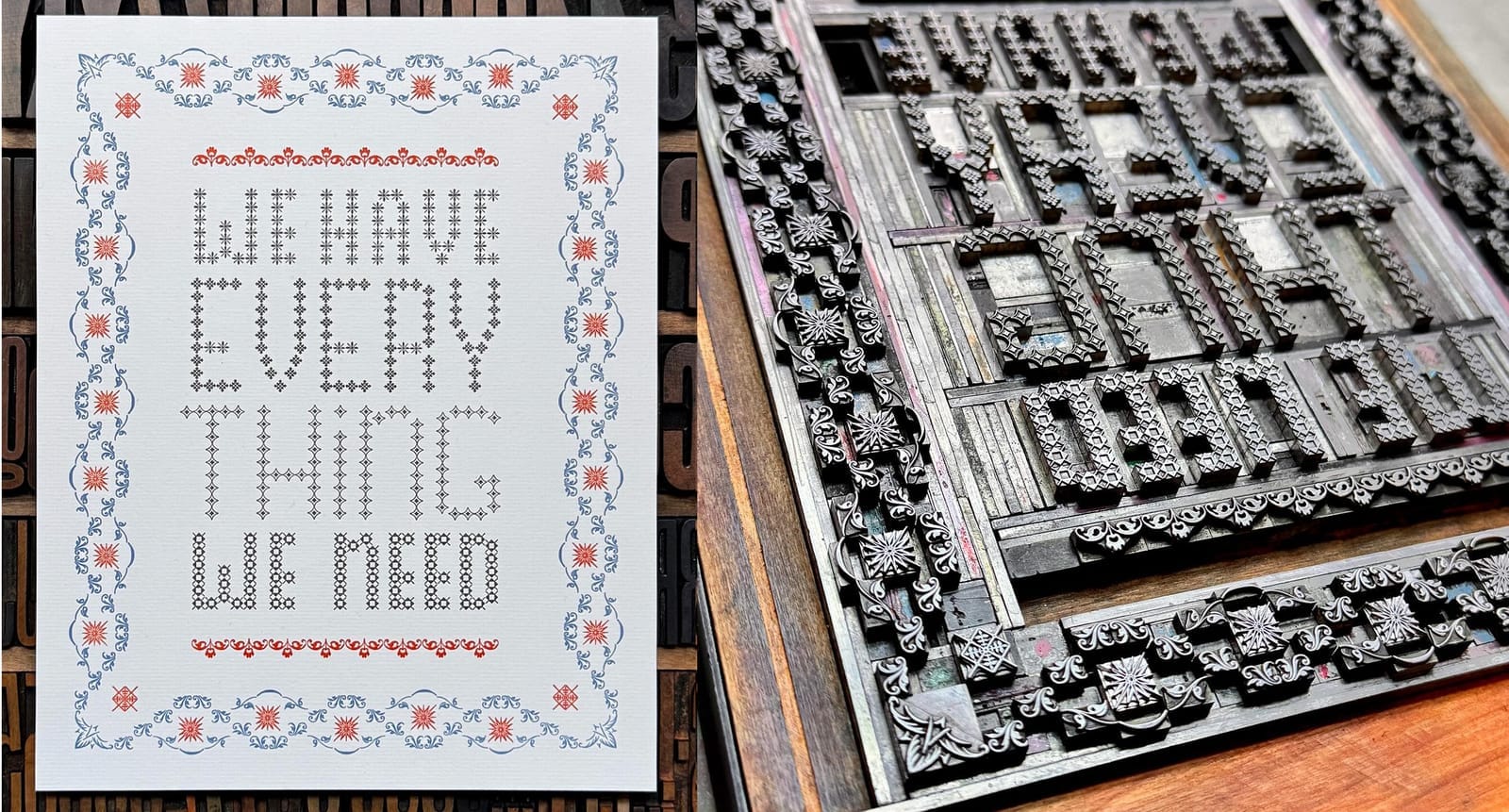
For Jeff Atwood, known for co-founding the influential developer Q&A platform Stack Overflow, and Betsy Atwood, their personal prosperity, significantly augmented by the reported $1.8 billion acquisition of Stack Overflow by Prosus in 2021, spurred a crucial question: "When, exactly, is enough?" Betsy Atwood articulated their shared sentiment on a recent podcast, stating, "We have everything we need! How do we make sure everybody has what they need? Because that’s the basic thing — Do you have a comfortable place to live? Do you have enough to eat? Do you have healthcare? If you have the basics, you’re in a good place in life, and everybody should have that opportunity." This profound reflection catalyzed their intensified philanthropic efforts.

Addressing Immediate Needs: A $21 Million Rapid Response
The initial phase of the Atwoods’ commitment focused on immediate relief. Following their January 2025 announcement of $1 million distributed among eight nonprofit charities, the urgent and widespread needs across the country prompted a rapid escalation of their contributions. Within a few months, an additional $13 million was disbursed, bringing the total immediate donations to $21 million. These funds were directed towards organizations effectively addressing the most pressing humanitarian crises and supporting vulnerable populations across America, providing critical aid where it was most needed. This rapid deployment of funds underscored their commitment to tackling urgent issues head-on, while simultaneously laying the groundwork for more sustained intervention.
The Long-Term Vision: A $50 Million Commitment to Systemic Change
Recognizing that immediate aid, while crucial, only addresses symptoms, the Atwoods quickly moved to tackle the underlying systemic issues perpetuating poverty. "You can’t take a completely short-term view and fight each individual fire reactively, as it comes. You’ll never stop firefighting," Jeff Atwood stated, emphasizing the need for "fire abatement" and addressing root causes. This led to a monumental decision: a pledge of $50 million—half of their remaining wealth—dedicated to longer-term, structural improvements. This significant commitment represents a strategic pivot towards proactive, evidence-based solutions designed to foster sustainable economic stability.
The search for an effective long-term strategy led to extensive research and deliberation. Jeff Atwood had initially proposed speculative ideas, including the founding of an organization similar to the RAND Corporation, modernized like Lever for Change, to empower experts in charting a path toward preserving the American Dream for all. By March 2025, a consensus emerged: the optimal "road not taken" was the implementation of Guaranteed Minimum Income (GMI).
Understanding Guaranteed Minimum Income (GMI)
Guaranteed Minimum Income (GMI) is a contemporary evolution of Universal Basic Income (UBI), designed for greater efficiency and impact. While UBI typically involves providing a regular, unconditional cash payment to all citizens regardless of their income, GMI strategically directs financial assistance to those who demonstrably need it most, with a particular focus on families trapped in generational poverty. This targeted approach aims to maximize the impact of every dollar, ensuring that resources reach individuals and families facing the most significant economic hardship.

Proponents of GMI argue that direct cash transfers empower recipients to address their most immediate needs, whether it’s securing stable housing, affording nutritious food, accessing healthcare, or handling unexpected expenses that can derail financial stability. Unlike traditional welfare programs often encumbered by bureaucratic hurdles and restrictive conditions, GMI provides dignity and autonomy, allowing individuals to make their own best financial decisions. Research from various pilot programs globally has consistently indicated positive outcomes, including improved physical and mental health, increased educational attainment, reduced crime rates, and even a boost in local economic activity as recipients spend money within their communities. These findings underscore the potential of GMI as a potent tool for poverty alleviation and economic empowerment.
The Rural Guaranteed Minimum Income Initiative (RGMII): A Focused Approach
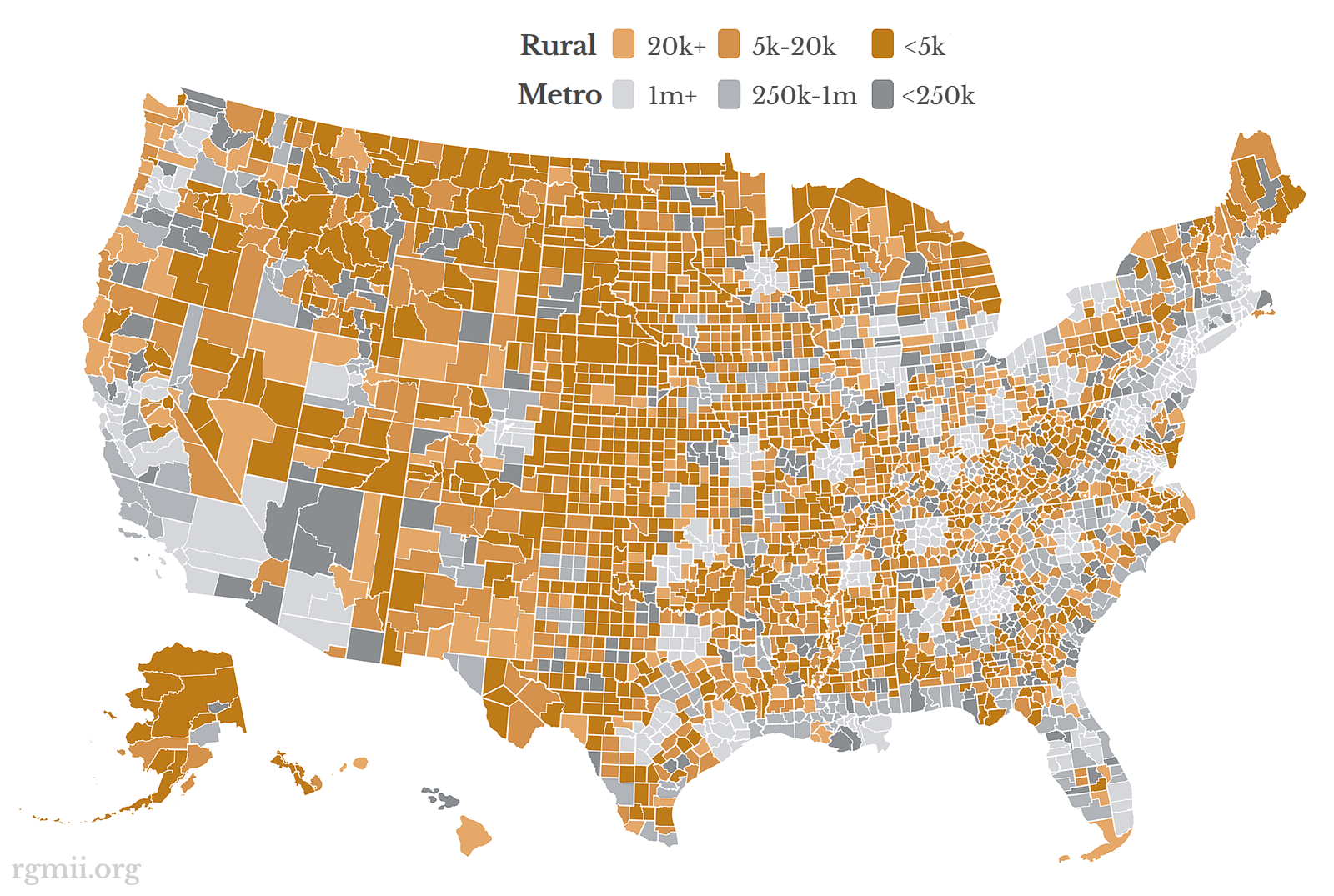
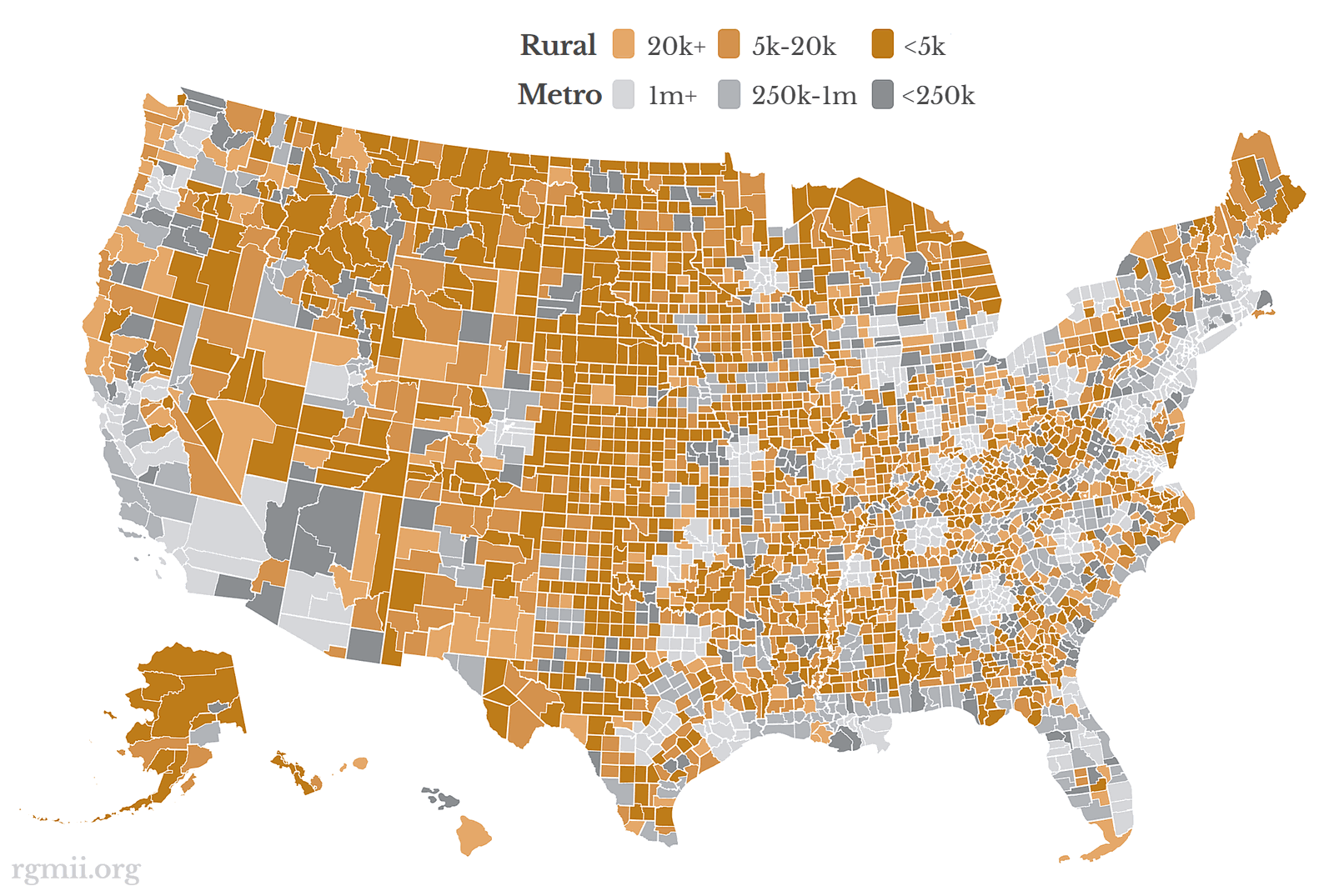
The Atwoods’ long-term vision materialized as the Rural Guaranteed Minimum Income Initiative (RGMII), an organization specifically designed to implement and study GMI programs in rural counties across the United States. This geographical focus is strategic for several reasons. Rural areas often face unique economic challenges, including limited job opportunities, declining populations, inadequate infrastructure, and reduced access to essential services like healthcare and education. Poverty in these regions can be more deeply entrenched and less visible to national discourse compared to urban poverty.

Moreover, in rural settings, philanthropic dollars can often stretch further due to lower costs of living, potentially yielding greater impact per investment. The smaller, more tightly-knit populations in rural counties also lend themselves to more controlled and observable studies, allowing for robust data collection and analysis on the effectiveness of GMI. Jeff Atwood’s personal connection to rural America, having grown up in such an environment, further underscores this strategic choice, recognizing the "incredible untapped talent" that often goes overlooked.
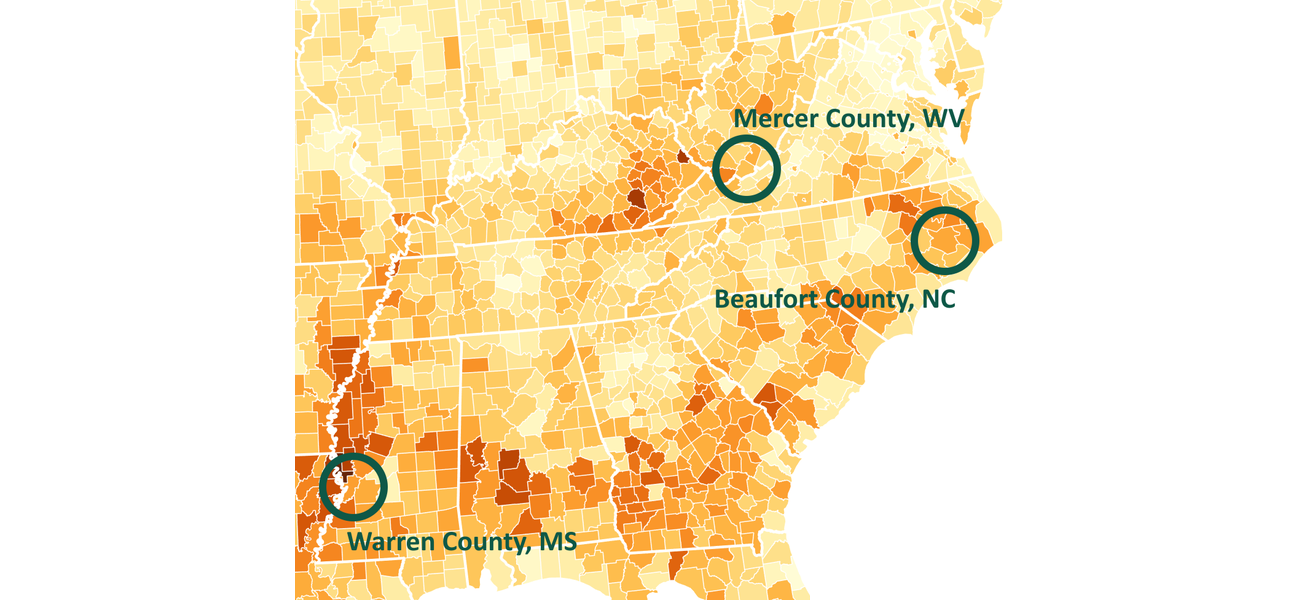
The RGMII has already launched three pioneering county-level programs in Mercer, West Virginia; Beaufort, North Carolina; and Warren, Mississippi. These initiatives are designed to lift thousands of individuals out of poverty over a period of 16 months, providing them with a guaranteed minimum income. The programs are meticulously structured to collect comprehensive data, which will be shared openly with researchers, policymakers, and the public. This commitment to transparency and evidence-based practice is crucial for demonstrating the efficacy of GMI and informing future policy decisions.
Voices from the Frontlines: The Impact of GMI
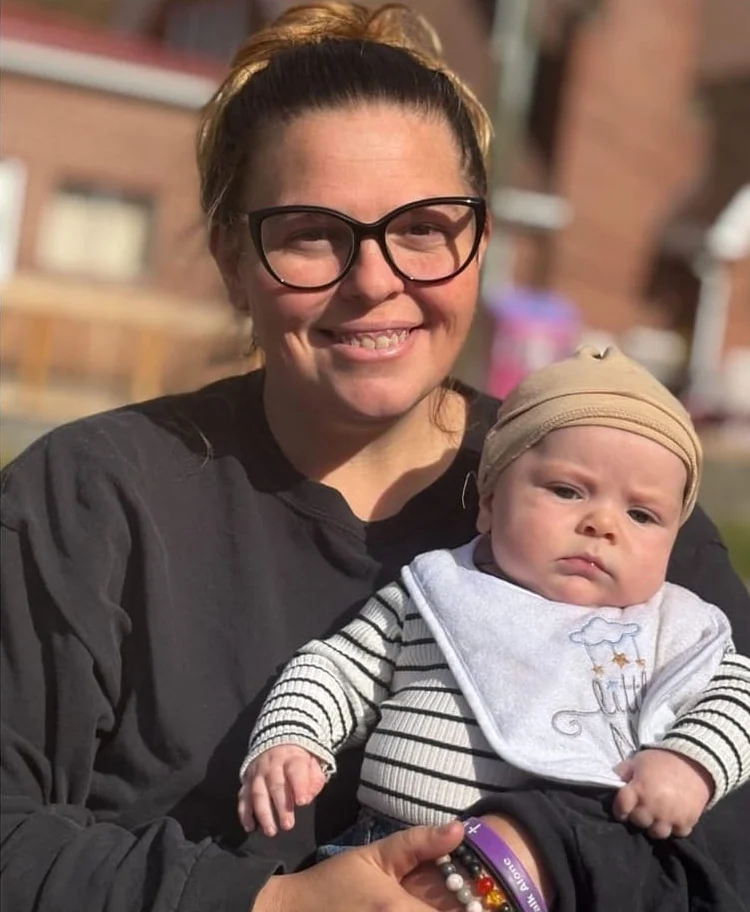
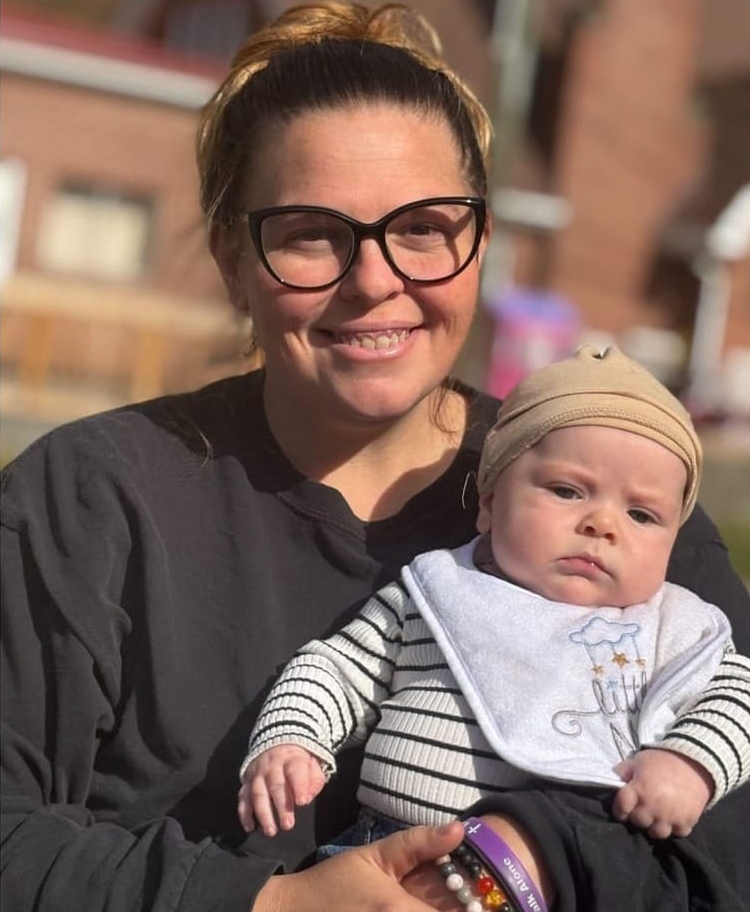
The human impact of GMI is profoundly illustrated by testimonials from early recipients. Stacy D., a mother from West Virginia and a recipient of the RISE program, shared her story, highlighting the critical difference direct cash assistance can make. Having moved to the area without an extended family support network, she faced immense challenges in securing basic necessities for her five children after stopping work due to a high-risk pregnancy. "So, if me and my husband don’t figure it out, it don’t get figured out," she recounted, emphasizing the isolation and burden. When her family’s only vehicle, capable of transporting all her children, broke down, it plunged them into further hardship.
The GMI assistance provided a lifeline. "This is also going to get my vehicle back on the road," Stacy D. expressed with palpable relief. Her experience underscores how GMI can provide the crucial buffer against unexpected crises, allowing families to maintain stability and regain self-sufficiency without the indignity of constantly asking for help. Such stories are vital in demonstrating the tangible, immediate benefits of direct cash transfers, empowering individuals to navigate life’s inevitable challenges.
Broader Implications and Call to Action
The Atwoods’ $71 million commitment, particularly the $50 million dedicated to the RGMII, represents a significant investment in a potentially transformative approach to poverty alleviation. By focusing on rural areas, the initiative aims to generate specific, actionable data that can inform broader policy discussions and potentially scale up GMI programs nationwide. The goal of reaching all 50 states over time is ambitious but reflects a deep conviction in the power of this model.
This initiative comes at a time when economic inequality and the fragility of the American Dream are subjects of intense national debate. The "path of love," as Jeff Atwood describes it, is a challenging one, demanding sustained effort and resources. However, he posits that no other investment could yield a return as valuable as fostering economic security and opportunity for all Americans.
The RGMII is not merely a philanthropic endeavor; it is framed as a scientific undertaking, committed to rigorous data collection and analysis. The open sharing of results, the historical context of GMI, and public education are integral components of the initiative. The Atwoods invite everyone to participate, whether by sharing information, engaging with representatives, or debunking misconceptions about UBI and GMI. For those "to whom much is given," the RGMII offers a direct pathway to sponsor county-scale work, contributing to the expansion of GMI studies and the potential upliftment of thousands more out of poverty.
Challenges and the Path Forward
Implementing GMI on a widespread scale faces various challenges, including securing sustained funding, navigating political landscapes, and addressing public skepticism regarding the concept of unconditional cash transfers. Critics sometimes raise concerns about potential disincentives to work or inflationary pressures. However, existing GMI and UBI pilots have largely countered these concerns, demonstrating that recipients often use funds responsibly, investing in education, small businesses, or simply covering basic needs, leading to improved overall well-being.
The Atwoods’ initiative, described by Jeff as his "third and final startup," eschews the creation of a traditional "Atwood Foundation" in favor of directly advancing the concept of direct cash transfer. This focused approach emphasizes the simplicity and effectiveness of "simply giving money to those most in need." The RGMII’s commitment to rigorous study and open data generation is crucial in building a robust evidence base that can address these concerns and inform future policy.
In a nation grappling with persistent poverty and widening economic disparities, the Rural Guaranteed Minimum Income Initiative stands as a bold experiment and a testament to the belief that collective well-being is intrinsically linked to shared opportunity. By empowering individuals with the fundamental resources they need, the Atwoods hope to demonstrate that "dreams, like happiness, are only real when shared." The journey to rebuild the American Dream, starting in rural counties, has begun, inviting all to join in this transformative act of solidarity and economic justice. The initiative’s progress and findings can be followed at staygold.us and rgmii.org.
About the Author