In an increasingly cloud-dominated technological landscape, prominent developer and Discourse co-founder Jeff Atwood has presented a compelling argument for the strategic deployment of self-owned, colocated mini-PCs as a significantly more economical and performant solution for dedicated, long-term computing resources compared to prevailing hyperscale cloud providers. This perspective challenges the conventional wisdom of relying solely on public cloud infrastructure, particularly for established applications with predictable workloads. Atwood’s long-running "scooter computer" experiment, documented on his blog Coding Horror, showcases how carefully selected and colocated miniature personal computers can deliver superior performance at a fraction of the cost, fostering a renewed interest in the "personal cloud" paradigm.
The Shifting Tides of Computing Infrastructure
The journey of server requirements for modern web applications has seen a dramatic evolution over the past decade. When Discourse, the open-source discussion platform, was launched in 2013, its server needs were substantial, demanding a dedicated virtual private server (VPS) with robust specifications. At the time, such resources were a significant investment, underscoring the high barrier to entry for many startups and projects. Atwood, a long-time advocate for building durable software, anticipated a future where the cost of suitable VPS instances would decline. This prediction materialized in January 2018, largely facilitated by providers like Digital Ocean, which began offering 1GB droplets for as little as $5 per month.
This reduction in cloud costs reflected a broader trend in the industry: the relentless commoditization of hardware. As Atwood famously observed, the "price of hardware trends to zero over time," making computing power more accessible than ever. However, despite these price drops, the inherent nature of cloud computing—where users rent resources on "someone else’s computer"—means it is not without its perpetual costs. While the flexibility, scalability, and managed services offered by cloud platforms are undeniable advantages for many use cases, they often come with a premium, especially for workloads requiring consistent, dedicated resources over extended periods.
The Genesis of the "Personal Cloud" Concept
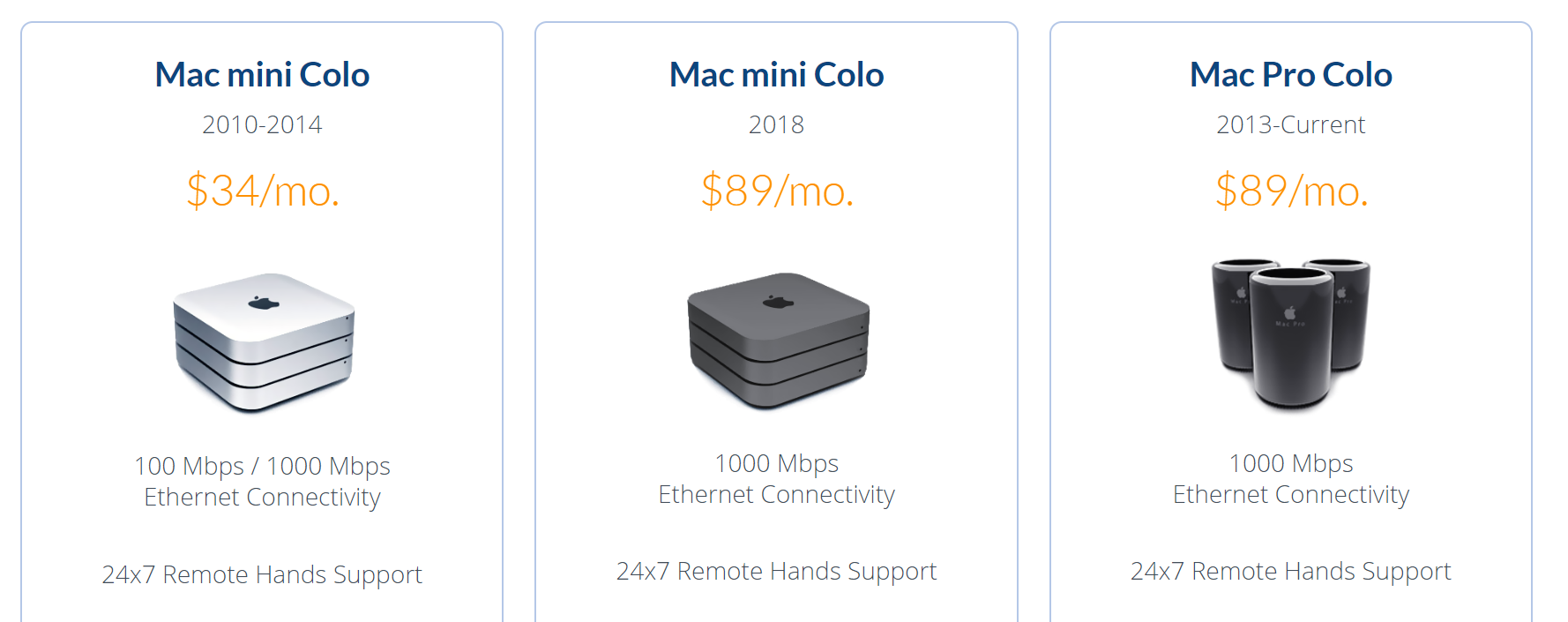
The notion of owning and colocating one’s hardware is not entirely novel. Mac users, for instance, have been utilizing colocation services for their Apple hardware for years, particularly through providers like MacStadium. This trend emerged partly because Apple has historically offered limited server-grade hardware options, compelling users to find external solutions for hosting their macOS-dependent applications or development environments. This practice effectively allows users to combine the benefits of reliable data center connectivity and environmental controls with the economic advantages of owning their compute resources.
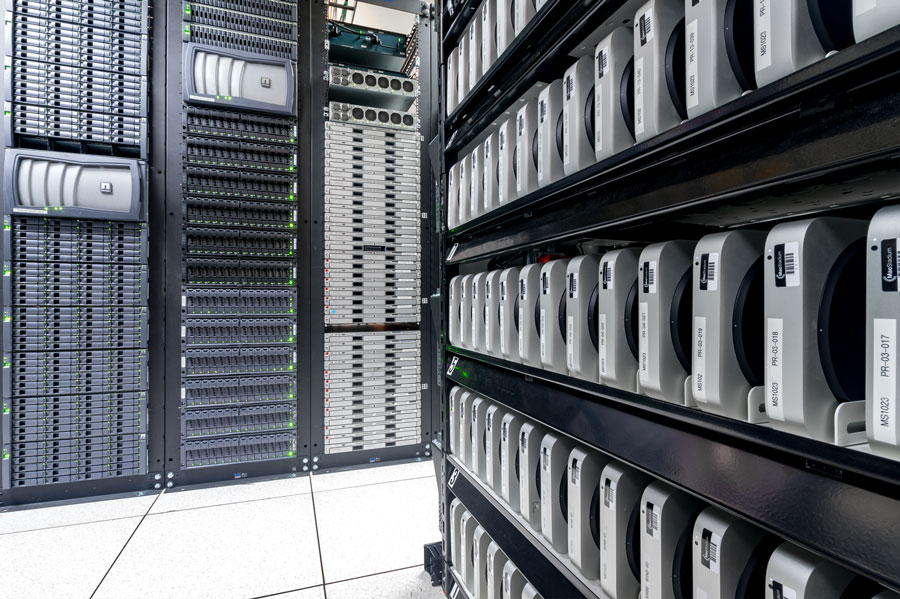
Atwood’s vision extends this concept to the broader PC ecosystem, proposing a model where individuals or organizations can deploy their own high-performance, compact computing units within a professional data center. This "best of both worlds" approach aims to harness the reliability and network infrastructure of a data center while circumventing the recurring rental fees and potential performance variability associated with multi-tenant cloud environments. The appeal lies in gaining full control over hardware specifications and avoiding the "noisy neighbor" problem common in virtualized cloud settings, where the performance of one’s virtual machine can be affected by other tenants on the same physical host.

Discourse’s Pioneering "Scooter Computer" Experiment
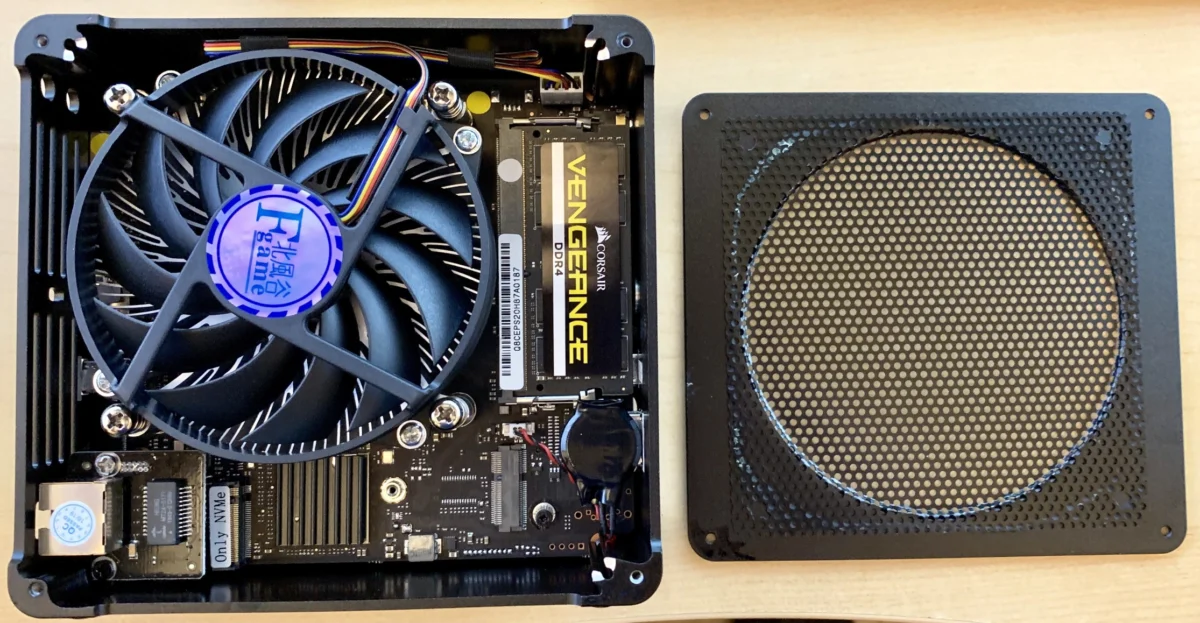
Driven by a curiosity to explore alternatives to traditional cloud hosting, Jeff Atwood initiated an experiment in 2016 to integrate mini-PCs, affectionately termed "scooter computers," into Discourse’s infrastructure. These compact machines were colocated in data centers, serving various hosting roles. After three years of continuous operation, Atwood concluded that these mini-PCs offered remarkable reliability, confirming their viability for production environments, with a specific caveat regarding certain roles that would be detailed separately. This success prompted the development of a more powerful 2019 iteration, significantly enhancing the capabilities of these personal cloud nodes.
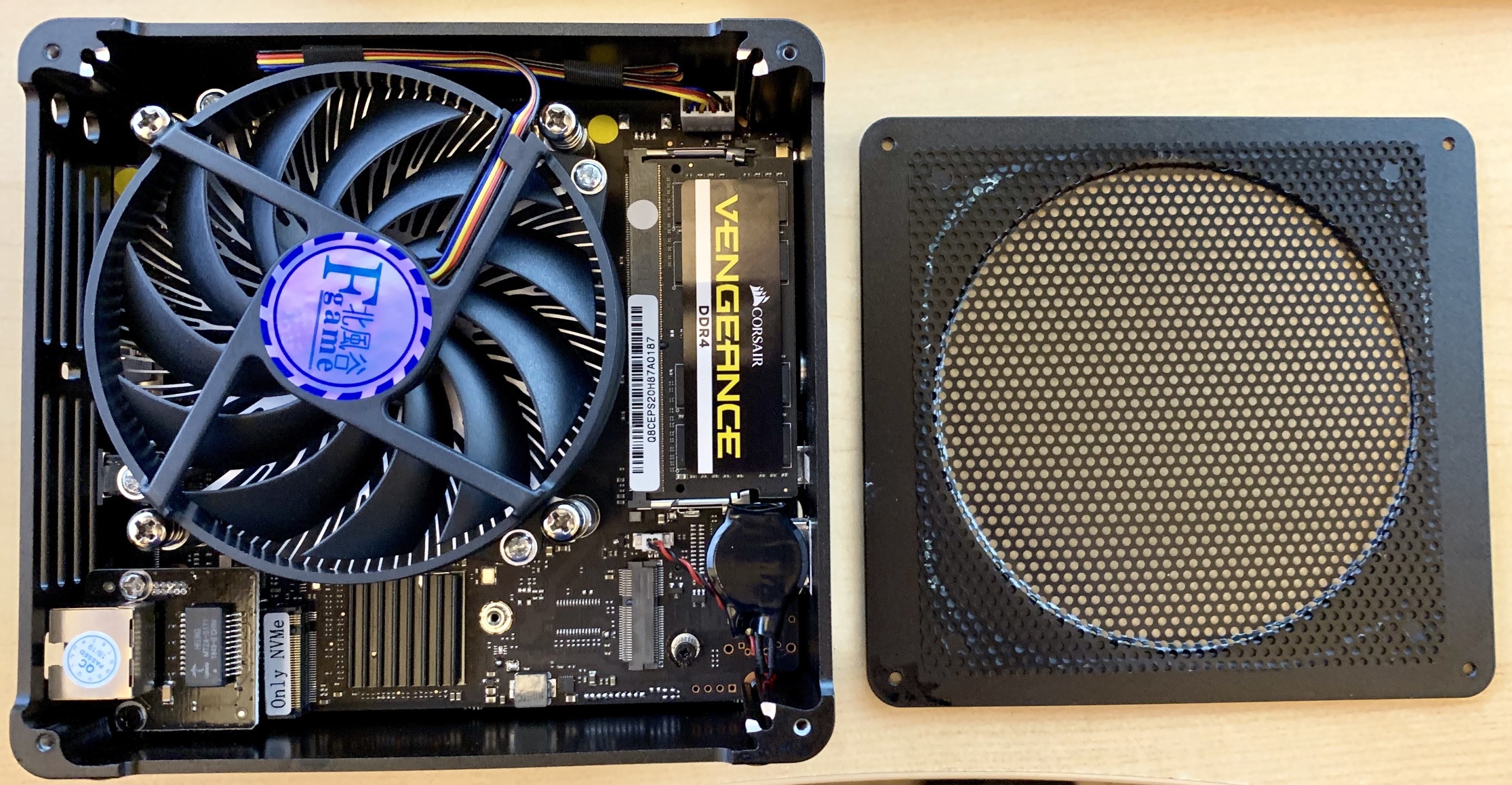
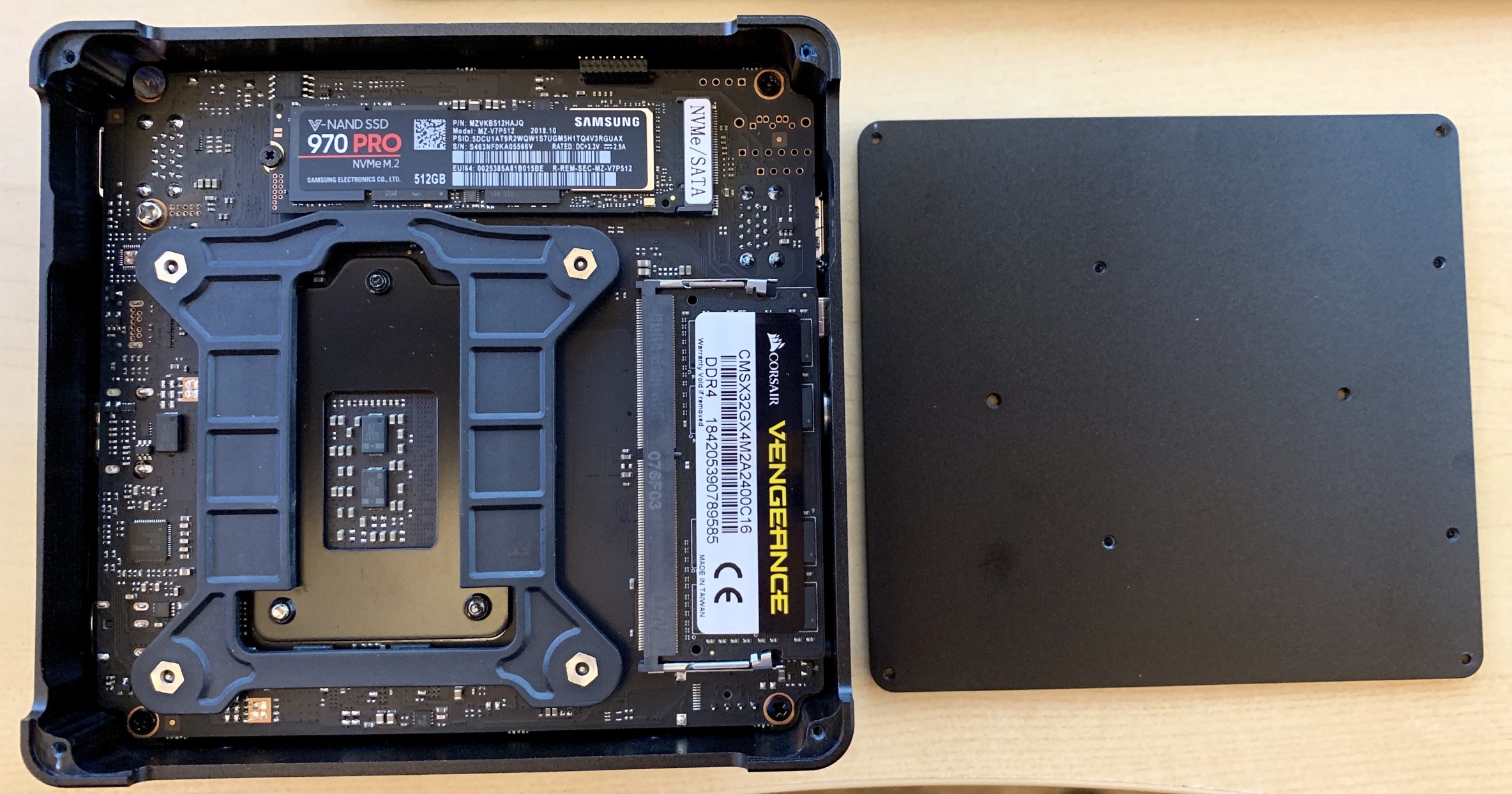
The evolution from the 2017 to the 2019 "scooter computer" is a testament to rapid hardware advancements and strategic component selection. The 2017 model, costing approximately $670, featured an Intel Core i7-7500U processor (2 cores/4 threads, 2.7-3.5 GHz), 16GB DDR3 RAM, and a 500GB SATA SSD. In contrast, the 2019 iteration, priced at $820, represented a substantial upgrade: an Intel Core i7-8750H processor (6 cores/12 threads, 2.2-4.1 GHz), 32GB DDR4 RAM, and a 500GB NVMe SSD. This newer model delivered a staggering three times the core count, double the memory, and a three-fold increase in drive speed, signifying a monumental leap in raw processing power and I/O capabilities for a relatively modest price increase.
Rigorous Performance Benchmarking and Power Analysis
To substantiate the claims of superior performance, comprehensive benchmarks were conducted, comparing the 2017 and 2019 mini-PCs against a typical Digital Ocean droplet. The results unequivocally highlighted the dedicated hardware’s advantages:
Per-core CPU Performance (sysbench cpu –cpu-max-prime=20000 run):
- Digital Ocean Droplet: 2,988
- 2017 Mini-PC: 4,800
- 2019 Mini-PC: 5,671
The 2019 mini-PC demonstrated nearly double the single-core performance of a standard cloud droplet, indicating its efficiency in handling single-threaded tasks critical for many applications.
Multi-core CPU Performance (sysbench cpu –cpu-max-prime=40000 –num-threads=8 run):
- Digital Ocean Droplet: 2,200
- 2017 Mini-PC: 5,588
- 2019 Mini-PC: 14,604
This benchmark revealed an even more dramatic disparity, with the 2019 mini-PC achieving over six times the multi-core performance of the cloud droplet. This is particularly significant for modern applications that leverage parallel processing, such as database operations, code compilation, and complex data analytics.
Disk Performance (dd bs=1M count=512 if=/dev/zero of=test conv=fdatasync; hdparm -Tt /dev/sda):
- Digital Ocean Droplet: 701 / 8818 / 471 MB/sec (Cached reads / Buffered disk reads / Buffered disk writes)
- 2017 Mini-PC: 444 / 12564 / 505 MB/sec
- 2019 Mini-PC: 1200 / 17919 / 3115 MB/sec
The 2019 mini-PC’s NVMe SSD delivered significantly faster disk I/O, particularly in buffered disk writes (over six times faster than the cloud droplet), which is crucial for applications that frequently read from and write to storage, impacting overall application responsiveness and database performance.
Discourse Rebuild Time (time ./launcher rebuild app):
- Digital Ocean Droplet: 6:59
- 2017 Mini-PC: 3:41
- 2019 Mini-PC: 3:24
The practical application benchmark, rebuilding the Discourse application, showed the 2019 mini-PC completing the task in less than half the time of the cloud droplet, a direct indicator of its superior real-world performance for development and deployment cycles.
Power consumption, a critical factor in data center operations, was also carefully measured. The 2019 mini-PC, with its higher core count, had a Thermal Design Power (TDP) of 45 watts, compared to the 15 watts of its 2017 predecessor. Testing revealed that the unit consumed around 10-20 watts during typical low-load operations. Under full CPU stress, it reached approximately 65 watts. It was noted that intensive operations leveraging AVX2 extensions could push consumption to 75 watts, albeit with a slight clock speed reduction. Despite the active cooling solution, the system remained "extremely quiet" even under full load, indicating efficient thermal management.
The Compelling Economics of Colocation
Beyond raw performance, the financial argument for mini-PC colocation is perhaps the most striking. Atwood’s chosen colocation provider, EndOffice in Boston, offers highly competitive rates, charging $29 per month for a single mini-PC. While Atwood personally colocates three units for redundancy, the cost analysis focuses on a single machine to draw a direct comparison. Assuming a conservative three-year useful lifespan for the hardware, a single 2019 mini-PC incurs an initial hardware cost of $820. Over three years, the colocation fees amount to $29/month * 36 months = $1,044. Therefore, the total cost for three years of hosting a dedicated mini-PC comes to approximately $1,864 ($820 + $1,044). The article uses $2,044 for three years of hosting, possibly including minor incidentals or an average cost for shipping/setup.
This figure stands in stark contrast to the cost of a comparable cloud server from a major provider like Digital Ocean. According to their pricing, a cloud instance offering similar specifications (though, as benchmarks showed, not equivalent performance due to multi-tenancy and hardware differences) could easily cost $160 per month. Over three years, this translates to a staggering $5,760 ($160/month * 36 months).
The analysis reveals that opting for a self-owned, colocated mini-PC can be nearly three times more cost-effective over a three-year period than renting a comparable server from a hyperscale cloud provider. While the initial upfront investment for hardware might seem a hurdle for some, the long-term savings are substantial, particularly for projects requiring stable, dedicated resources. It also offers the advantage of owning the physical asset, providing greater control and a predictable cost structure that isn’t subject to the variable pricing models or potential egress fees sometimes associated with cloud services.
Industry Perspectives and Broader Implications
The findings from Atwood’s experiment underscore a growing discourse within the tech community regarding the optimal allocation of computing resources. While the public cloud continues to dominate for its unparalleled agility, on-demand scalability, and reduced operational overhead for many businesses, a distinct niche exists for colocation. This model particularly appeals to:
- Cost-sensitive operations: Startups, small businesses, or non-profits with predictable, long-term resource needs can significantly reduce their infrastructure expenditure.
- Performance-critical applications: Workloads demanding absolute maximum CPU, disk I/O, or memory performance benefit from dedicated hardware, free from the "noisy neighbor" effect of virtualized environments.
- Data sovereignty and control: Owning the physical hardware provides a higher degree of control over data location and security, which can be crucial for regulatory compliance or specific privacy requirements.
- Hybrid cloud strategies: Colocation can form a critical component of a hybrid cloud strategy, where core, stable workloads reside on owned hardware, while burstable or ephemeral tasks leverage public cloud elasticity.
Cloud providers themselves are not oblivious to these considerations. Many now offer "bare metal" instances, which provide dedicated physical servers without virtualization, attempting to bridge the gap between cloud flexibility and dedicated hardware performance. However, these bare metal options typically come at a higher premium than standard virtualized instances, and still fall under the "renting someone else’s computer" paradigm.
The primary trade-off for colocation is the initial effort and capital expenditure involved in purchasing, configuring, and shipping the hardware. Unlike spinning up a cloud instance with a few clicks, colocation requires a more hands-on approach to hardware management, even if the data center handles the physical racking and network connectivity. This makes it less suitable for ephemeral workloads, rapid prototyping, or businesses that require instant, massive scaling up and down. However, for projects that have moved past the initial experimental phase and require a stable, high-performance foundation, the long-term benefits of colocation become increasingly attractive.
Empowering Developers: Building Your Own Digital Infrastructure
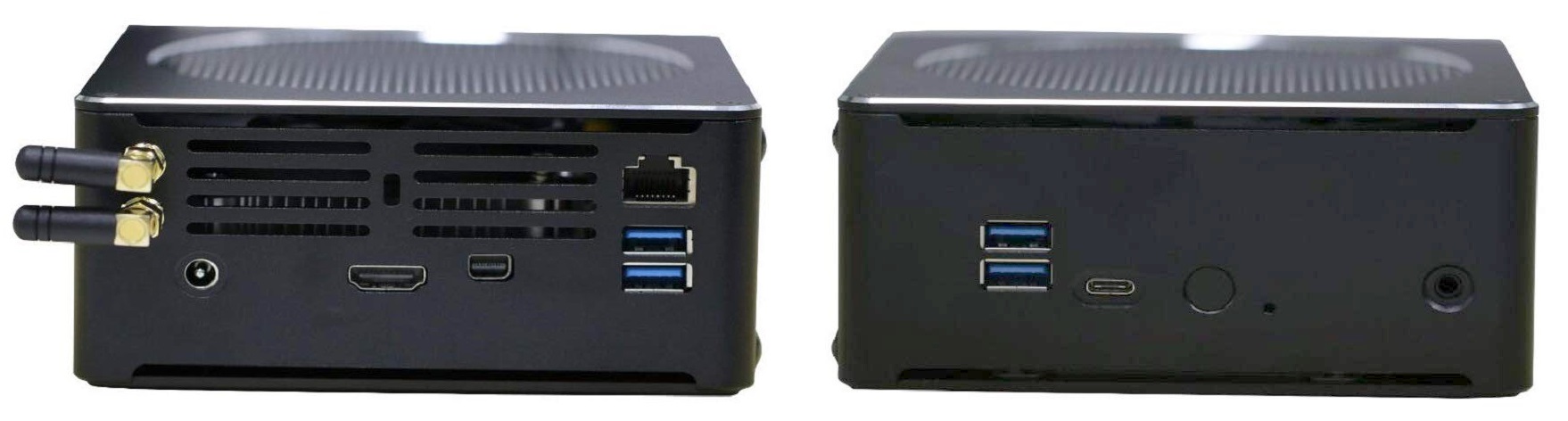
Jeff Atwood’s advocacy for mini-PC colocation serves as a powerful reminder that innovative, cost-effective infrastructure solutions can still be found outside the dominant cloud narratives. By choosing hardware like the Partaker B18 box (available for $460-$490) and pairing it with reliable colocation services such as EndOffice, developers and organizations can actively participate in building their own "personal clouds."
This approach not only provides a competitive advantage through superior performance and reduced costs but also encourages a deeper understanding and appreciation for the underlying hardware that powers the internet. In a world where abstraction layers often obscure the physical realities of computing, initiatives like Atwood’s reinforce the value of hands-on engagement with technology. As the internet continues to evolve, fostering such diverse and unconventional infrastructure strategies will be key to keeping it "fun and weird," ensuring innovation isn’t solely confined to monolithic platforms but thrives across a decentralized and adaptable ecosystem.
About the Author