The acclaimed narrative triumph, Clair Obscur: Expedition 33, continues to garner significant industry recognition, with its latest accolade being the "Best Writing" award at the prestigious DICE 2026 Summit. Sandfall Interactive’s groundbreaking title has captivated audiences and critics alike with its profoundly moving, operatic narrative, rich character development, and an enchanting fantasy world intricately woven from themes of familial pain and loss. Industry analysts and game development educators are already pointing to Clair Obscur as a seminal work, poised to influence storytelling paradigms for years to come. Yet, understanding the true genius behind its narrative requires delving beyond the finished product and into the innovative creative processes that brought it to life.
A Narrative Triumph Recognized at DICE
Released in late 2025, Clair Obscur: Expedition 33 quickly established itself as a critical darling and a commercial success, reportedly selling over 3 million units worldwide within its first three months. Its unique blend of a turn-based combat system with a deeply emotional, character-driven story set against a stunning Belle Époque-inspired backdrop resonated profoundly with players. The game’s narrative structure, which unfolds through the intertwined perspectives of its diverse cast, has been lauded for its emotional depth and thematic complexity, earning an average Metacritic score of 92, placing it among the highest-rated games of the year. This widespread acclaim culminated in Jennifer Svedberg-Yen, the lead writer for Sandfall Interactive, accepting the coveted "Best Writing" award at the annual DICE Awards, held during the Design, Innovate, Communicate, Entertain (DICE) Summit in Las Vegas. Her presence at the summit was not merely to accept an award but to share the foundational principles that empowered Sandfall to craft such an extraordinary tale.
The Prestigious DICE Summit: A Gathering of Industry Titans
The DICE Summit, an annual gathering hosted by the Academy of Interactive Arts & Sciences (AIAS), stands as one of the most respected forums for leaders in the video game industry. Established in 2002, the summit brings together top executives, creative directors, and innovators to discuss the future of interactive entertainment. Its agenda typically includes a series of talks, panels, and networking events, culminating in the DICE Awards, which celebrate excellence across various categories of game development.
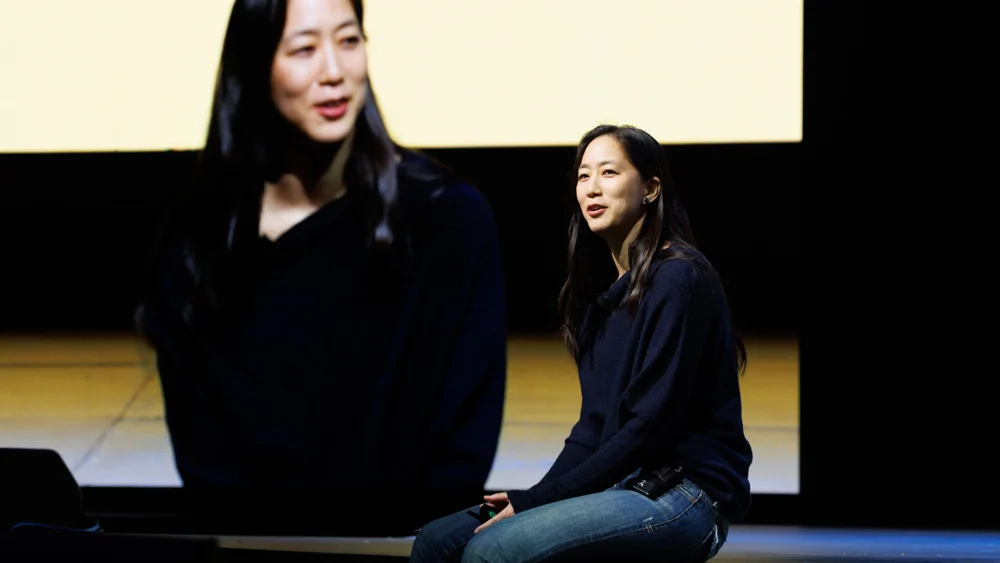
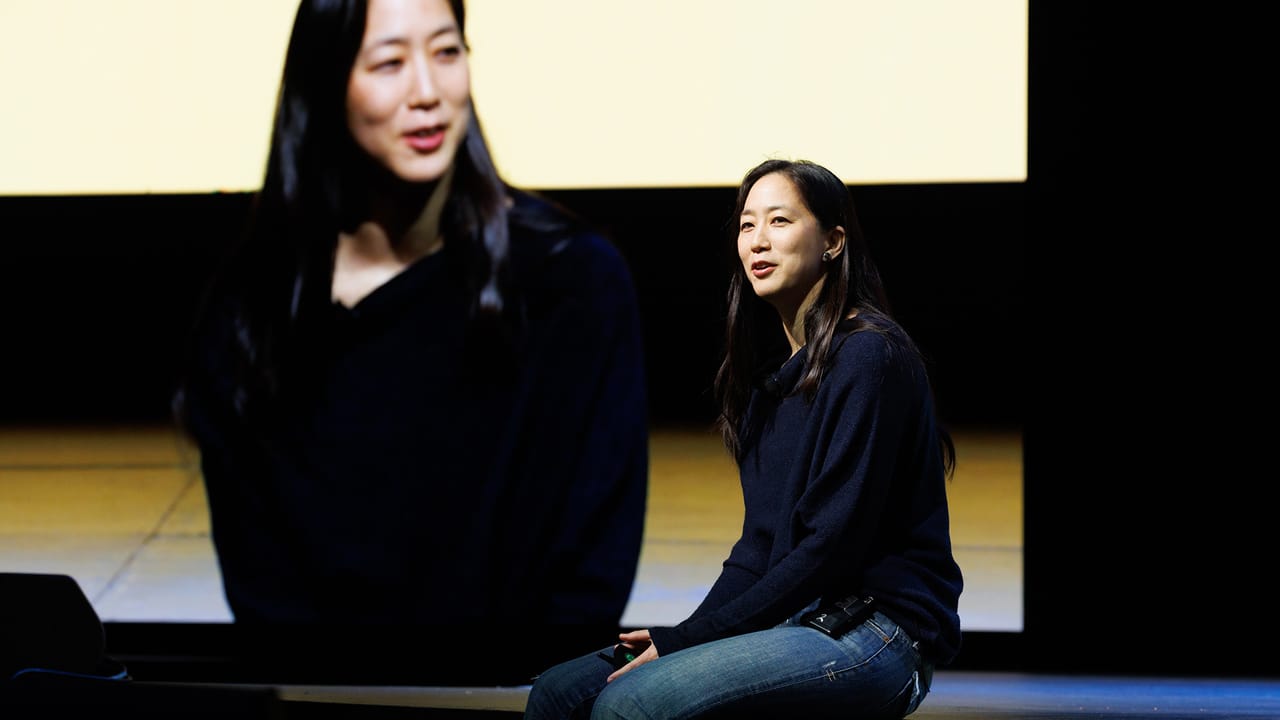
DICE 2026, held from February 11-13 at the Aria Resort & Casino, was particularly anticipated, following a period of significant industry shifts, including evolving business models, the increasing prominence of indie development, and ongoing discussions surrounding the ethical integration of new technologies like generative AI. Svedberg-Yen’s opening keynote, titled "Voices of the Story Ahead," set a reflective and inspiring tone for the summit. Rather than offering prescriptive, textbook-style instructions, her address was interpreted by many attendees as a profound call to action for industry executives: to empower their creative teams, allowing writers and developers the autonomy to infuse personal passion and unique perspectives into their storytelling. This philosophy, Svedberg-Yen articulated, is paramount to fostering genuinely innovative and emotionally resonant narratives that transcend formulaic approaches. Her message served as a timely counterpoint to the growing anxieties surrounding the commodification of creative processes, a concern amplified by recent public discourse, including what Svedberg-Yen alluded to as "disinformation spread on LinkedIn" regarding creative methodologies within game development.
Sandfall Interactive’s Journey to Acclaim
Sandfall Interactive, though a relatively young studio, has rapidly distinguished itself through its unwavering commitment to artistic vision and narrative excellence. Founded in 2022 by a collective of seasoned developers from various corners of the European game industry, including veterans from narrative-heavy RPG studios and art-driven indie houses, Sandfall was conceived with a singular mission: to craft deeply immersive, story-driven experiences that push the boundaries of emotional engagement in interactive media. Their debut title, Echoes of Aethelgard (2024), a smaller-scale narrative adventure, earned critical praise for its innovative dialogue system and character development, signaling the studio’s potential.
Clair Obscur: Expedition 33 represents a significant leap for Sandfall Interactive, both in scale and ambition. The studio invested heavily in a diverse team, bringing together talent from traditional cinema, literature, and fine arts alongside seasoned game developers. This interdisciplinary approach was foundational to their development philosophy, fostering an environment where ideas could cross-pollinate and creative contributions from all disciplines were valued. The development process, spanning over three years, was characterized by an iterative and highly collaborative methodology, allowing the narrative to evolve organically rather than being rigidly defined from the outset. This commitment to transparency and collaborative spirit became particularly vital in countering the aforementioned "disinformation" circulating in professional circles, demonstrating Sandfall’s dedication to authentic, human-centric creativity.
Beyond the Script: Svedberg-Yen’s Philosophy on Collaborative Storytelling
Following her acceptance of the "Best Writing" award, Jennifer Svedberg-Yen elaborated on the core tenets of her approach, offering invaluable advice not just for fellow writers, but for anyone tasked with integrating diverse creative visions within a team. Her central tenet, a seemingly simple yet profoundly impactful piece of wisdom, was: "understand your audience and how they like to receive information. Not everybody likes to receive information in the same way." This statement, she explained, is critical when collaborating with "non-storytellers"—the artists, programmers, designers, and sound engineers who are essential to bringing a game’s narrative to life, but who may not process information in the same textual-centric manner as a writer.
Svedberg-Yen’s philosophy challenges the traditional model where a writer delivers a finalized script that other departments then execute. Instead, she advocates for a fluid, empathetic communication strategy that adapts to individual cognitive styles. She detailed a spectrum of preferences: "Some people prefer to discuss it in person and be able to be flexible and agile and talk right there. Other people prefer to have it in text so they can review it, think about it, and then respond. Some people like having lots of detail and like understanding where the source is coming from. Other people say ‘just give me a couple of key words so that I understand the essence and let them do what they want.’" This adaptability, she emphasized, is not merely a courtesy but a strategic necessity for fostering genuine collaboration and ensuring that the narrative’s essence is accurately and enthusiastically translated across all creative disciplines. It reflects a deeper understanding that game storytelling is an inherently multidisciplinary art form, where the final narrative emerges from a complex interplay of individual interpretations and collective execution, rather than being a strictly linear translation of a single writer’s vision.
Tailoring Narrative for Visual Storytellers: Practical Applications
To illustrate her point, Svedberg-Yen offered concrete examples from her experience working with Clair Obscur‘s art team. She recounted her interactions with Art Director Nicholas Maxson-Francomb, describing him as a visual thinker who processes information most effectively through concise, high-level cues. "He doesn’t like to have too much information. He doesn’t want to actually read tons of things," she explained with a knowing smile. "He preferred just having a few keywords to give him the general essence of what he needs to do for that particular character or the environment." For Maxson-Francomb, a brief, evocative phrase like "decaying grandeur" for an ancient ruin or "haunted resilience" for a character’s demeanor was far more effective than a multi-page descriptive document. This minimalist approach allowed his artistic expertise to flourish, translating the narrative’s core emotional and thematic elements into striking visual language without feeling constrained by overly prescriptive text.
Conversely, the environment artists at Sandfall Interactive, responsible for constructing the game’s exquisite Belle Époque-inspired world, often sought a different level of detail. While appreciative of creative freedom, they frequently requested "a list of suggestions" from Svedberg-Yen to serve as a tangible starting point for their intricate work. "As a writer, what I’m careful to do is [ensure] there are certain areas where I will just offer suggestions, so they have a starting point, but they are not mandates," she elaborated. "When we do need [something] for the story, then I will say this is something that is necessary for the story, but for other things, it’ll be clear that these are just ‘offerings.’ And then they can choose what they like." This distinction between "necessities" and "offerings" is crucial. It provides artists with creative parameters where required by the narrative, while also empowering them to exercise their own artistic judgment and contribute their unique flair to elements that enhance the world without directly impacting core plot points. This delicate balance, Svedberg-Yen emphasized, cultivates a sense of ownership and creative investment across the team, leading to a more cohesive and inspired final product.
The Holistic Tapestry: Weaving Story Across Departments
The success of Clair Obscur underscores that interactive storytelling is far more than a script; it is a holistic tapestry woven from countless individual contributions. Svedberg-Yen’s collaborative philosophy extended far beyond the art department, influencing how narrative elements were communicated to animators, level designers, sound engineers, and even programmers. The game’s distinctive black-and-white cutscenes, reminiscent of classic French cinema, were not merely direct translations of a storyboard but were born from animators’ interpretations of the narrative’s tone and emotional beats. Similarly, the expressive movements of the "faceless Gestrals"—mysterious entities central to the game’s lore—required animators to convey complex emotions and intentions without traditional facial cues, relying on a deep understanding of their narrative purpose. The poignant lyrics of the central theme song, "Une vie à t’aimer" (A Life to Love You), while rooted in the game’s themes of loss and devotion, were ultimately brought to life by composers and vocalists who infused their own artistic sensibilities into its final form.
This iterative, interpretive process highlights that in narrative-heavy games, the story is "an ever-evolving beast constructed in bits and pieces by a team, not scripts strictly executed at leadership’s behest." Svedberg-Yen and creative director Guillaume Broche share storytelling credit, but their written words serve as a foundation upon which an entire studio builds. The emotional impact experienced by players is the culmination of hundreds of creative decisions, each informed by, yet independent of, the initial textual narrative. This distributed authorship, paradoxically, strengthens the narrative, allowing it to resonate on multiple sensory and emotional levels.
Implications for Modern Game Development: A New Paradigm
Svedberg-Yen’s insights from DICE 2026 carry significant implications for the broader game development industry, particularly in an era grappling with the complexities of large-scale productions and the integration of emerging technologies. Her approach stands in stark contrast to more rigid, top-down narrative development models that can stifle creativity and lead to disjointed experiences. By advocating for empathetic, tailored communication, Sandfall Interactive has demonstrated a viable pathway to achieving narrative coherence and emotional depth through genuine collaboration.
This human-centric method also offers a compelling counter-narrative to the ongoing discussions surrounding generative AI in creative fields. While AI tools are increasingly being explored for content generation, Svedberg-Yen’s emphasis on understanding individual human communication styles and fostering personal creative input highlights the irreplaceable value of human connection and nuanced artistic interpretation. The industry-wide conversation, as evidenced by recent data suggesting a potential decline in developer reliance on generative AI for core creative tasks, indicates a growing recognition that while AI can assist, the soul of a game’s narrative often requires the unique, adaptable, and deeply human touch that Svedberg-Yen champions. Her transparency at DICE was a refreshing antidote to the opaque processes sometimes associated with larger studios or the anxieties surrounding technological shifts, offering a clear model for cultivating a thriving creative ecosystem.
The Future of Narrative: Sandfall and Beyond
The resounding success of Clair Obscur: Expedition 33 and the widespread acclaim for Jennifer Svedberg-Yen’s collaborative narrative philosophy position both Sandfall Interactive and its lead writer as significant forces in the future of game development. For Sandfall, this success solidifies its reputation as a studio capable of delivering high-quality, deeply resonant narrative experiences, likely paving the way for larger, more ambitious projects. The studio’s commitment to empowering its diverse talent pool through adaptable communication frameworks sets a benchmark for industry best practices.
For Jennifer Svedberg-Yen, her "Best Writing" award and her impactful address at DICE 2026 mark her as a fast-rising thought leader in interactive storytelling. Her candidness regarding Sandfall’s creative process, especially in the face of industry misinformation, has earned her widespread respect. Her advice—to understand one’s audience and adapt communication accordingly—is not merely a tactical tip but a fundamental principle for fostering innovation and cohesion in any complex creative endeavor. As the video game industry continues to evolve, the lessons learned from Clair Obscur‘s development and Svedberg-Yen’s insightful perspectives will undoubtedly serve as a guiding light for developers striving to craft stories that are not only compelling but are truly collaborative masterpieces.
About the Author