The critically acclaimed PlayStation title, LittleBigPlanet 2, marked its tenth anniversary this past week, prompting a reflective look into the intricate process behind its memorable licensed soundtrack. The game, released in January 2011, is renowned not only for its innovative gameplay and user-generated content but also for its carefully curated musical landscape, which significantly contributed to its unique atmosphere and player experience. This retrospective delves into the evolution of the LBP2 soundtrack, exploring the creative decisions, challenges, and collaborative efforts that shaped its sonic identity, diverging from the franchise’s previous installment while maintaining its distinct charm.
The Genesis of a Sonic Vision: From LBP1 to LBP2
The journey to LittleBigPlanet 2’s soundtrack began with lessons learned from its predecessor. While LittleBigPlanet (2008) embraced a "journey around the world" theme, its sequel aimed for a more abstract yet equally rich concept: "science through the ages" or "science fiction through the ages." This thematic shift presented both opportunities and challenges for the audio team. The broader, more conceptual nature of LBP2’s premise allowed for a wider range of musical interpretations, but it also demanded a more nuanced approach to ensure cohesion across diverse in-game environments.
The core objective for the licensed soundtrack was to complement, rather than duplicate, the original score. While the in-house composition focused on characterization, drama, and narrative exposition, the licensed music was tasked with providing a tangible and appropriate sonic backdrop that resonated with the game’s art direction and underlying themes. This division of labor proved crucial in crafting a layered and multifaceted audio experience.

Curating the Soundscapes: Playlists and Creative Decisions
To commemorate the anniversary, a comprehensive look at the music considered for LittleBigPlanet 2 has been made available, divided into three distinct playlists. This approach offers insight into the creative process, highlighting both the tracks that made the final cut and those that, for various reasons, did not.
1. The Official LittleBigPlanet 2 Licensed Soundtrack
This playlist features the licensed tracks that players are familiar with from the game. It’s important to note that due to the game’s backward compatibility, the official soundtrack technically encompasses all licensed music from LittleBigPlanet 1. However, for clarity and focus, this playlist exclusively includes the music specifically licensed for the sequel. A notable aspect of this curation is the omission of certain alternate versions or remixes found on unofficial platforms like YouTube. The development team prioritized the specific edits and instrumental versions licensed for the game, recognizing that many of these unique arrangements were not readily available through standard music distribution channels. This decision underscores the meticulous attention to detail invested in the game’s audio.
2. The LittleBigPlanet 2 Alternate Universe Soundtrack
This collection comprises tracks that were seriously considered for inclusion in LittleBigPlanet 2 but ultimately did not make it into the final game. The majority of these selections were passed over due to creative choices made during development. In most instances, the decision was not a matter of unavailability but rather a strategic alignment with the evolving game design and artistic direction. The author recalls only one instance where a desired track could not be obtained due to licensing complexities, a decision that was reportedly met with considerable disappointment at the time. This playlist serves as a fascinating glimpse into the road not taken, revealing the depth of exploration undertaken in search of the perfect sonic matches.
3. The LittleBigPlanet 2 "Brief Says No" Soundtrack
The third playlist, "Brief Says No," showcases music that, while possessing merit, did not align closely enough with the game’s evolving creative brief. Many of these tracks were considered in the early stages of development, proving useful for initial video mock-ups and concept presentations. However, as the game’s direction became more refined, these selections were deemed less suitable. Factors such as insufficient energy for gameplay or a general misalignment with the project’s overarching narrative led to their exclusion. Despite not making the final cut, these tracks represent a valuable archive of musical exploration and offer a testament to the rigorous selection process.

The Development Timeline: From Concept to Completion
The development of LittleBigPlanet 2’s soundtrack was a multi-year endeavor, deeply intertwined with the game’s design and art direction.
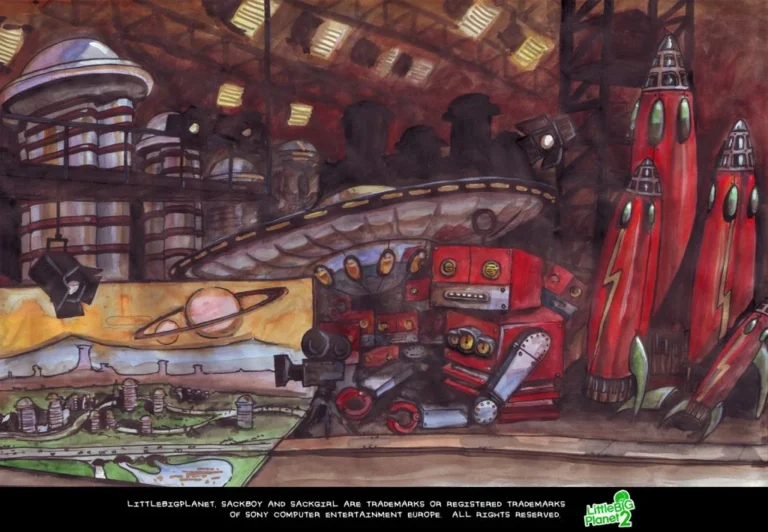
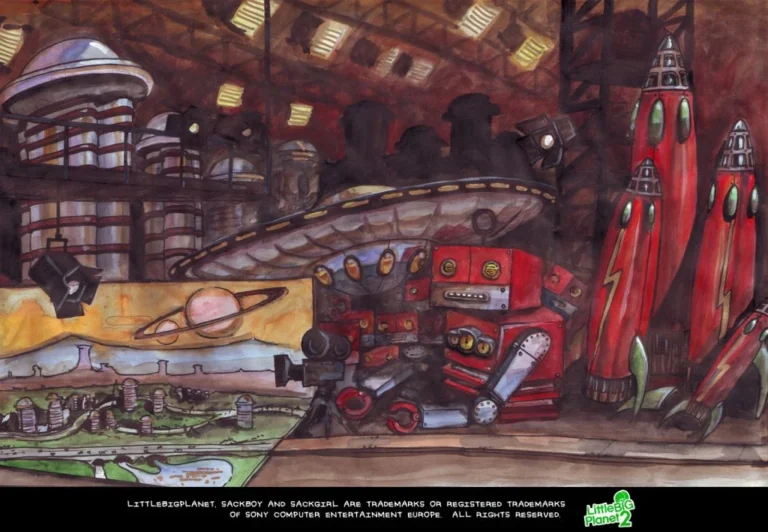
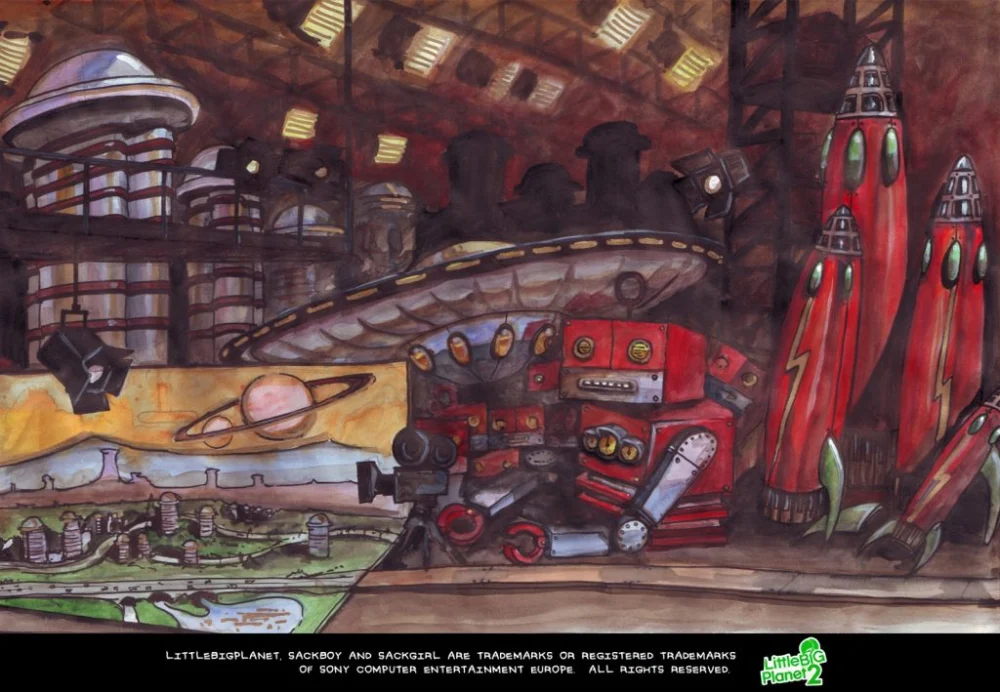
Early Pre-Production (circa May 2009): Even before full production began, a music montage video was created. This early tool utilized concept art for each game area, set against work-in-progress licensed music ideas. This "quick and dirty" approach was instrumental in kickstarting discussions and establishing a shared audio vision among the team. At this stage, the high-level direction for each area was primarily informed by the visual art direction. For instance, early considerations for the "Cosmos" area included electronic artists like Squarepusher and Röyksopp, indicating an early embrace of futuristic and experimental sounds. Ladytron’s "Ghosts" was one of the few tracks from this initial selection that ultimately made it into the final game.
Mid-Development (circa December 2009): A year before the game’s release, the musical ideas had undergone significant refinement, beginning to resemble the final game’s audio landscape. The initial eight distinct themes had been consolidated into six, reflecting a process of merging overlapping concepts and adjusting content requirements as the full team came onboard. This period also saw a shift in music direction, with a focus on better supporting gameplay as its mechanics became more solidified.
Key Thematic Challenges:

- Clive’s Factory: Integrating the "Soviet/Hollywood mashup" aesthetic proved challenging, requiring music that could bridge these disparate influences.
- Eve’s Asylum: Defining "organic" in the context of high-intensity gameplay presented a juxtaposition that the music had to navigate.
- The Cosmos: The development of the music sequencer gadget, intended to cover the 8-bit aspects of this theme, was still in its nascent stages.
At this point, approximately 10 out of the 21 licensed tracks were in contention, though not yet finalized. The licensing process itself had not yet begun, meaning there were no guarantees that any of the chosen music could be legally secured. This necessitated an "overprovision" of suitable music to allow for backup options.
Collaboration with Sony Music Licensing (Leading up to Announcement): As development progressed towards the game’s announcement, closer collaboration with Sony’s music licensing team commenced. This partnership significantly broadened the scope of music evaluation and suggestions, aligning with the refined game direction.
Announcement Trailer (Passion Pit’s "Sleepyhead"): A pivotal moment was the selection of Passion Pit’s "Sleepyhead" for the announcement trailer. This choice was a collaborative effort, with Rex (a key team member) suggesting the track. The goal was to find music that conveyed a sense of community, achievement, and forward momentum, while acknowledging the sequel’s more digital aesthetic. While "Sleepyhead" was ideal for the trailer’s emotional arc and pacing, its energy did not perfectly align with the game’s core gameplay. Consequently, while it found a meaningful place in the game’s end credits, the team initially explored other options for in-game use. This highlights the delicate balance between marketing impact and gameplay integration.
Final Months of Development (leading to January 2011 release): The game’s release was eventually shifted from the Christmas market to January 2011, a decision made to ensure the game was fully polished. This schedule adjustment proved beneficial for the soundtrack, as some crucial licensing clearances were not finalized until as late as October 2010. One particular track took an arduous six months to clear, illustrating the unpredictable nature of music licensing.

A Collective Effort: The Power of Collaboration
The creation of LittleBigPlanet 2’s soundtrack was a testament to collaborative synergy. While the author played a central role in music evaluation and direction, numerous individuals contributed to the process. The team at Media Molecule, including Dan, John, and Rex, alongside Martin Hewett from Sony, were instrumental in sourcing and suggesting tracks.
Furthermore, suggestions poured in from a wider circle, including Alex, Costa, Jim, Jonatan, Mark, Martin, and Tom from within the development team, and even from external contacts like Jo at Sony. This widespread involvement fostered a sense of shared ownership and ensured a diverse range of musical ideas were explored. The author emphasizes that this was a "real team effort," underscoring the collective contribution to the game’s distinctive audio identity.
Broader Impact and Lasting Legacy
The licensed soundtrack of LittleBigPlanet 2 has resonated deeply with players over the past decade. Many have shared how the game and its music were integral parts of their childhoods, with some continuing to listen to the soundtrack regularly. This enduring connection highlights the power of music to transcend its original context and evoke lasting memories.
In an era where gaming platforms age and become less accessible, music serves as a potent medium for preserving and re-invoking the experiences associated with beloved games. The contribution of the artists whose music was licensed for LittleBigPlanet 2 has ensured that the game’s unique atmosphere, its sense of community, and its overall identity continue to live on. The anniversary serves as a reminder of the profound impact that thoughtfully curated music can have on a video game’s success and its lasting cultural footprint. The sonic tapestry woven for LittleBigPlanet 2 not only enhanced the player’s journey through its imaginative worlds but has also cemented its place in the hearts of its audience, proving that great music is indeed a powerful and timeless force.
About the Author