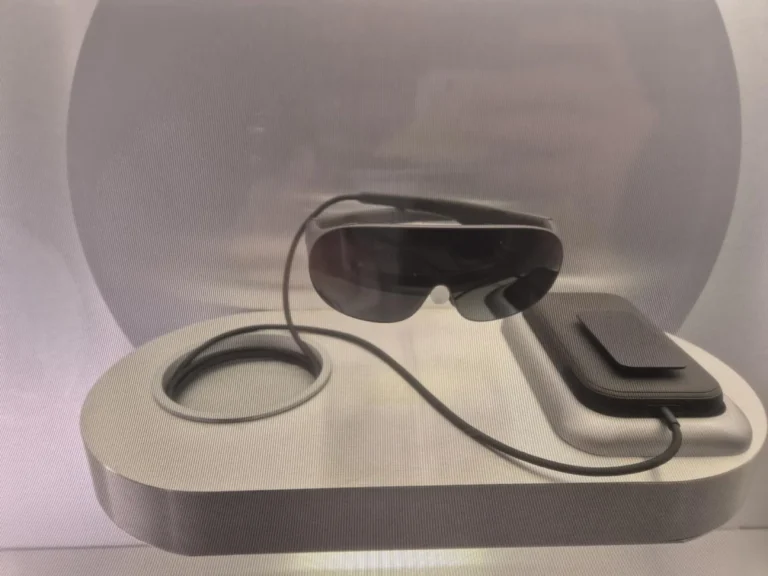
Apple is reportedly accelerating the development of its upcoming smartglasses, internaly codenamed N50, with a revised timeline that suggests production could begin as early as the end of 2026 for a 2027 market launch. This strategic shift, detailed in recent reports from industry analysts, indicates that Apple is pivoting its wearable strategy to prioritize artificial intelligence (AI) integration. Unlike the high-fidelity immersion of the Vision Pro, the N50 project is expected to focus on lightweight, everyday utility, positioning Apple to compete directly with Meta’s established dominance in the smartglasses sector.
Apple’s Proprietary Strategy for Wearable AI
The N50 smartglasses are anticipated to deviate from the industry standard in two significant ways. First, Apple intends to develop the hardware and aesthetics entirely in-house, eschewing partnerships with traditional eyewear conglomerates like Luxottica, which currently partners with Meta for Ray-Ban branded devices. Analysts suggest that Apple’s existing retail infrastructure and brand equity as a "status symbol" allow it to bypass the need for external fashion validation.
Second, the device is being designed as a primary interface for Apple’s burgeoning AI ecosystem. The core use cases are expected to mirror current smartglasses functionality—including audio playback, telephony, real-time language translation, and visual capture—but with a deeper integration into Siri and Apple’s generative AI models. By controlling both the silicon and the frame design, Apple aims to maintain its signature vertical integration, ensuring that the hardware is optimized for the power demands of continuous AI processing.

Pico to Unveil Project Swan at GDC
While Apple focuses on the consumer smartglasses market, Pico, the XR subsidiary of ByteDance, is preparing to disclose technical details regarding its next-generation high-end headset. Codenamed "Project Swan," the device is positioned as a direct competitor to the Apple Vision Pro and the upcoming Samsung Galaxy XR. Pico has confirmed a technical presentation at the upcoming Game Developers Conference (GDC), where it will detail the headset’s graphics performance, multimodal interaction systems, and developer toolchain.
Project Swan is rumored to feature a proprietary chip architecture and custom microOLED displays boasting 4,000 pixels per inch (PPI). The GDC presentation is expected to focus on "Pico OS 6," a new operating system designed to facilitate spatial computing workflows and the porting of existing Android XR and visionOS applications. Industry observers note that the timing of this disclosure at a developer-centric event suggests that Pico is prioritizing ecosystem growth and content parity before a formal hardware launch, likely in the Chinese market first.
Meta’s Hardware Roadmap and Strategic Realignment
Meta is also reportedly adjusting its hardware release schedule. New reports suggest that "Hypernova 2," the codename for the successor to the Ray-Ban Meta smartglasses, could launch as early as late 2025 or 2026, significantly ahead of previous 2027 estimates. The Hypernova series is expected to introduce a binocular display system, addressing the primary limitation of the current camera-only Ray-Ban Meta glasses.
However, Meta is currently navigating supply chain challenges, as demand for its first-generation smartglasses continues to outpace production capacity. Amidst these hardware updates, Meta Reality Labs has reiterated a fundamental shift in its software strategy. Samantha Ryan, Vice President of Content at Meta Reality Labs, recently confirmed that the company is distancing its "Horizon Worlds" social platform from the Quest hardware brand. Moving forward, Meta intends to treat the Quest store as an open ecosystem for third-party developers, similar to a traditional mobile app store, rather than a closed environment centered around Meta’s own first-party social experiences.

Hardware Milestones: SlimeVR, Pimax, and Samsung
The broader XR hardware market continues to see significant activity from niche and enthusiast-grade manufacturers:
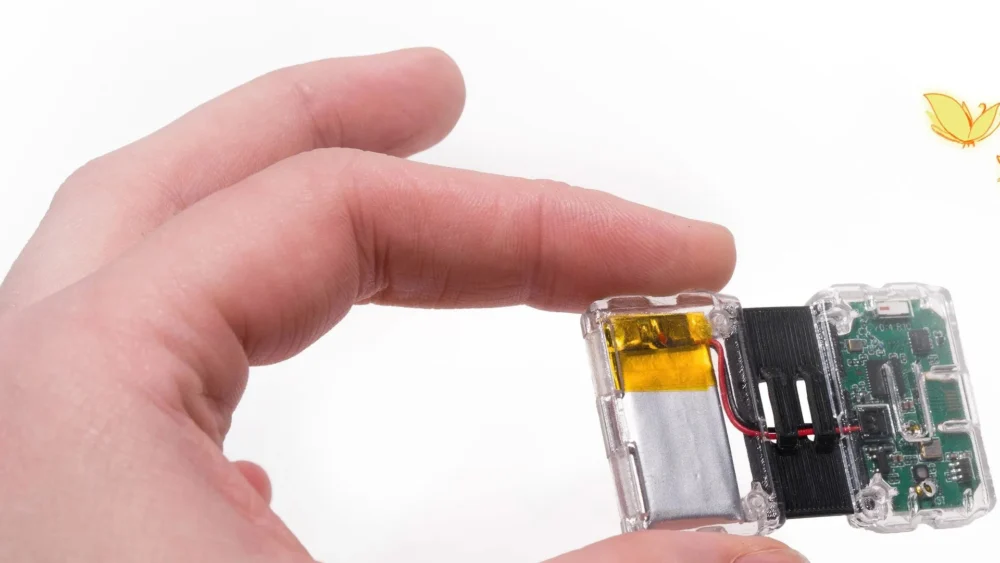
- SlimeVR Butterfly Trackers: A recent Kickstarter campaign for SlimeVR’s new "Butterfly" trackers surpassed $400,000 in funding. These trackers are notable for their small form factor, 48-hour battery life, and lack of reliance on external base stations, making full-body tracking more accessible for social VR users.
- Pimax Dream Air: After several production delays, Pimax has begun shipping the "Dream Air," its first compact headset utilizing microOLED technology. The initial units feature Lighthouse tracking compatibility, with a standalone SLAM (Simultaneous Localization and Mapping) version expected to follow.
- Samsung Unpacked: Samsung is scheduled to hold its "Unpacked" event on February 25. While the Galaxy S26 smartphone series is the expected focus, XR enthusiasts are monitoring the event for any mention of the long-rumored Samsung Galaxy XR headset, developed in partnership with Google and Qualcomm.
Software Evolution and Platform Metrics
Software updates are also expanding the capabilities of existing hardware. The latest visionOS beta (version 26.4) has introduced foveated streaming support for the Apple Vision Pro. This technology optimizes remote rendering by delivering high-resolution detail only to the area where the user is looking, significantly reducing bandwidth requirements for cloud-based XR applications. This update also includes support for NVIDIA Cloud XR, signaling Apple’s intent to court enterprise users who require high-end PC-tethered performance without physical cables.
Platform metrics indicate that despite a perceived slowdown in the VR market, user engagement remains robust in specific sectors:
- VRChat: The social platform recently hit a record of 100,000 concurrent users during a virtual concert event in Japan, highlighting the continued growth of the "metaverse" as a venue for live entertainment.
- Meta Horizon+: Meta’s subscription service has reportedly surpassed one million active subscribers, providing a steady revenue stream for the company’s XR division.
Industry Implications and Future Outlook
The current trajectory of the XR industry suggests a bifurcation of the market. On one side, high-end "spatial computing" devices like the Apple Vision Pro and Pico’s Project Swan are pushing the limits of display technology and remote rendering. On the other, the rapid acceleration of AI-enabled smartglasses from Apple and Meta indicates a move toward "ambient computing," where technology is integrated into fashionable, wearable forms that supplement rather than replace the user’s view of the physical world.

As Apple moves toward a 2027 launch for the N50, the success of the device will likely depend on its ability to transition from a tech gadget to a legitimate fashion accessory. Meta’s head start in this area, bolstered by its partnership with Luxottica, provides a significant hurdle for Apple. However, Apple’s history of disrupting established markets through superior ecosystem integration and brand loyalty suggests that the 2026-2027 period will be a decisive era for the future of wearable technology.
Furthermore, the implementation of foveated streaming and cloud-based rendering solutions suggests that the industry is solving the "compute gap," allowing lightweight headsets to access the power of high-end workstations. This will be critical for enterprise adoption in fields such as industrial design, medicine, and remote collaboration, where visual fidelity is non-negotiable. As the year progresses, the focus will shift from hardware specifications to the strength of developer ecosystems, as Meta, Apple, and Pico compete to attract the talent necessary to build the next generation of spatial applications.
About the Author