A new Blender tutorial released on March 8, 2026, by artist Ryan King Art provides a comprehensive guide for creating stylized, low-poly, hand-painted mushrooms. The video tutorial, available on BlenderNation, targets users seeking to develop a distinctive aesthetic in their 3D art, focusing on techniques that emphasize a painterly look within a simplified geometric structure. This release caters to a growing segment of 3D artists interested in non-photorealistic rendering and the creation of visually appealing, game-ready assets.
The Art of Stylized Low-Poly Assets
The trend towards stylized 3D art has seen significant growth across various digital mediums, including video games, animated shorts, and architectural visualizations. Low-poly modeling, characterized by a reduced polygon count, offers several advantages: it is computationally less demanding, allowing for smoother real-time rendering in game engines, and it inherently lends itself to a clean, graphic aesthetic. Hand-painting textures, as demonstrated in King’s tutorial, further enhances this style by allowing for direct artistic control over color, shading, and detail, moving away from procedural or physically-based rendering approaches.

Ryan King Art, a self-described 3D artist and YouTuber, has built a following on his platform by sharing accessible and practical Blender tutorials. His channel, accessible at https://www.youtube.com/c/RyanKingArt, features a range of content designed to empower both novice and intermediate Blender users. This latest tutorial on stylized mushrooms exemplifies his commitment to demystifying complex artistic techniques and making them achievable for a wider audience.
Tutorial Content and Technical Approach
The tutorial, running approximately [Insert estimated duration if known, or state ‘a comprehensive length’], walks viewers through the entire process of creating the mushroom models. While specific details of the workflow are best understood by watching the video, the core techniques likely involve:
- Low-Poly Modeling: This phase would focus on building the basic forms of the mushrooms using a minimal number of polygons. This might involve techniques such as extruding, scaling, and manipulating vertices to achieve the desired silhouette. The emphasis on "low-poly" suggests a deliberate choice to embrace simplicity over intricate detail, a hallmark of stylized art.
- UV Unwrapping: For hand-painted textures to be applied effectively, a clean UV unwrap is crucial. This process flattens the 3D model’s surface into a 2D representation, allowing for the painting of textures directly onto the model. The tutorial likely guides users on creating an efficient and distortion-free UV layout.
- Hand-Painting Textures: This is the cornerstone of the "hand-painted" aspect. Users would be shown how to create or paint textures in a 2D application (like Photoshop, Krita, or even Blender’s Texture Paint mode) that mimic traditional painting styles. This involves carefully considering color palettes, brush strokes, and shading to achieve the desired stylized look. The tutorial may cover techniques for creating diffuse maps, and potentially emissive or other map types depending on the intended use of the assets.
- Material Setup in Blender: Once the textures are created, the tutorial would demonstrate how to set them up within Blender’s material nodes. This ensures that the painted textures are correctly applied to the 3D model and that the lighting and rendering in Blender complement the stylized aesthetic.
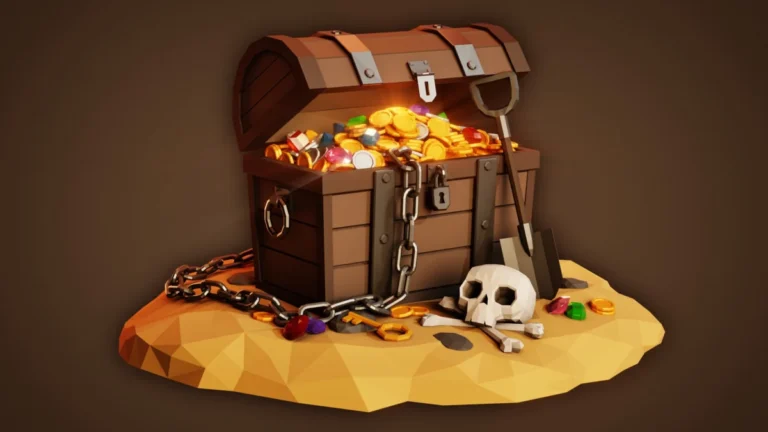
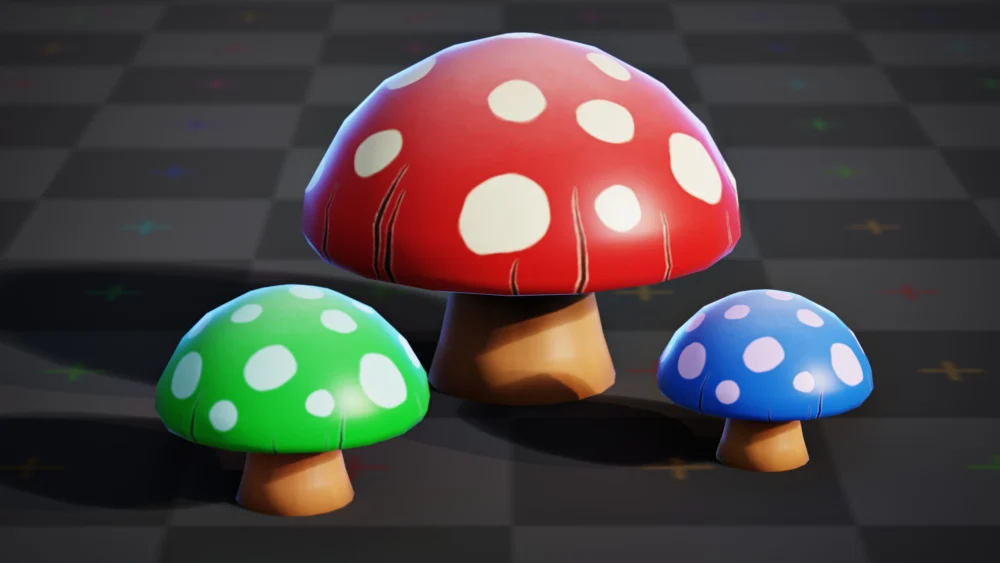
The visual result, as seen in the accompanying thumbnail image, showcases vibrant colors and a distinct, almost illustrative quality. The mushrooms appear to have a gentle, rounded form, with clear segmentation suggesting their low-poly nature, and the textures exhibit a visible brushwork that defines their form and highlights their organic shapes. This approach is highly desirable for projects where a unique visual identity is paramount.

The Growing Demand for Stylized 3D Assets
The market for 3D assets continues to expand, with a significant portion driven by the gaming industry. According to recent reports from industry analysis firms like Newzoo, the global games market is projected to continue its upward trajectory, with a substantial portion of development budgets allocated to art and asset creation. Stylized art remains a popular choice for many game developers, particularly in genres such as indie games, mobile games, and certain AAA titles that aim for a distinctive visual signature.
Furthermore, the rise of real-time rendering technologies and game engines like Unreal Engine and Unity has democratized the creation of visually stunning interactive experiences. These engines are highly optimized for low-poly and stylized assets, making tutorials like Ryan King Art’s particularly relevant to aspiring game developers and asset creators.
The demand is not limited to gaming. Animated shorts, explainer videos, and even architectural pre-visualization projects increasingly leverage stylized aesthetics to stand out and communicate information effectively. The ability to create assets that are both visually appealing and performant across different platforms is a valuable skill in the current digital landscape.

Broader Implications for 3D Artists
Tutorials that focus on specific artistic styles, such as low-poly hand-painted assets, play a crucial role in the continuous learning and development of 3D artists. They offer:
- Skill Diversification: By learning techniques outside of photorealism, artists can broaden their skill set and become more adaptable to various project requirements.
- Portfolio Enhancement: A portfolio showcasing a range of styles, including stylized work, can attract a wider array of clients and employers.
- Creative Exploration: These tutorials often encourage artists to think outside the box and experiment with different visual approaches, fostering personal artistic growth.
- Community Building: Platforms like BlenderNation and YouTube serve as hubs for artists to share knowledge, receive feedback, and connect with like-minded individuals. The comments section and associated forums for such tutorials often become vibrant communities for discussion and problem-solving.
The success of such tutorials also reflects the ongoing evolution of Blender as a powerful and versatile 3D creation suite. With each update, Blender introduces new features and improves existing ones, making it an increasingly competitive and accessible tool for artists of all levels. The ability to seamlessly integrate modeling, UV unwrapping, texture painting, and rendering within a single application further streamlines the creative process.
About the Creator: Ryan King Art
Ryan King, the creator behind the tutorial, is a testament to the power of online learning and content creation. His stated ambition is to "help you achieve your 3D art dreams." His YouTube channel provides a consistent stream of tutorials covering various aspects of Blender, from beginner fundamentals to more advanced techniques. His approach is often characterized by clear explanations, practical demonstrations, and an encouraging demeanor. This focus on user accessibility and practical application is likely a key factor in his growing popularity and the value his content brings to the Blender community.

His personal bio on BlenderNation highlights his dedication to the craft: "I am a 3D Artist and YouTuber. Check out my YouTube channel for Blender Tutorials: https://www.youtube.com/c/RyanKingArt." This direct statement of purpose underscores his commitment to education and sharing his expertise with others.
Conclusion and Future Outlook
The release of Ryan King Art’s low-poly hand-painted mushroom tutorial is a valuable contribution to the Blender community and the broader 3D art ecosystem. It addresses a clear demand for stylized assets and provides a practical, step-by-step guide for achieving a sought-after aesthetic. As the demand for unique and visually engaging 3D content continues to grow across various industries, skills in stylized modeling and texturing will remain highly relevant. Tutorials like this empower artists to explore new creative avenues, enhance their portfolios, and contribute to the ever-evolving landscape of digital art. The accessibility of Blender and the wealth of educational resources available online, exemplified by this tutorial, ensure that the creation of sophisticated 3D art is within reach for an increasing number of aspiring creators.
About the Author