The mobile gaming landscape continues to undergo significant structural changes as major publishers refine their portfolios through strategic acquisitions, platform expansions, and the lifecycle management of licensed intellectual properties. This week’s industry movements are headlined by Playtika’s aggressive expansion of its casual gaming footprint following its 2024 acquisition of SuperPlay, alongside a series of high-profile mobile ports from the PC and console sectors. These developments occur against a backdrop of shifting distribution models, where subscription-based services like Netflix are simultaneously expanding their "Games on TV" initiative while shuttering underperforming exclusive titles. As the industry navigates the final quarter of the year, the focus has clearly shifted toward long-term user retention and the diversification of revenue streams across multiple hardware ecosystems.
Playtika and SuperPlay: Post-Acquisition Synergy and Soft Launch Strategies
Following the landmark 2024 acquisition of SuperPlay for an estimated $700 million, Playtika has begun to leverage the studio’s expertise in the casual and merge genres. The most prominent result of this collaboration is the soft launch of Disney Merge Dreams. This title represents a significant brand partnership, utilizing the Disney and Pixar libraries—specifically featuring iconic characters such as Cinderella and Stitch—within a gameplay framework inspired by Disney Parks. Currently, the title has entered a testing phase on iOS in Colombia and the Philippines, while the Android version on Google Play has already surpassed the 1,000-download milestone.
Market analysts view this move as a strategic attempt to capture the high-LTV (Lifetime Value) demographic associated with the merge-three genre, which has seen consistent growth in the casual gaming sector. By combining SuperPlay’s proven mechanics—previously seen in successful titles like Dice Dreams—with the global appeal of Disney IP, Playtika aims to stabilize its revenue growth in a post-IDFA (Identifier for Advertisers) environment where recognizable brands serve as powerful organic user acquisition tools.
In tandem with the Disney project, Playtika has also initiated a soft launch for Bingo Gees. Currently restricted to Android users in the Philippines, the game is part of Playtika’s broader "Bingo Blitz" ecosystem. The Philippines is frequently utilized as a primary testing ground for mobile developers due to its high English proficiency and a demographic that closely mirrors Western casual gaming behaviors, providing a cost-effective environment for technical stress testing and monetization tuning.
Nintendo’s Ecosystem Expansion: The My Mario Children’s Line
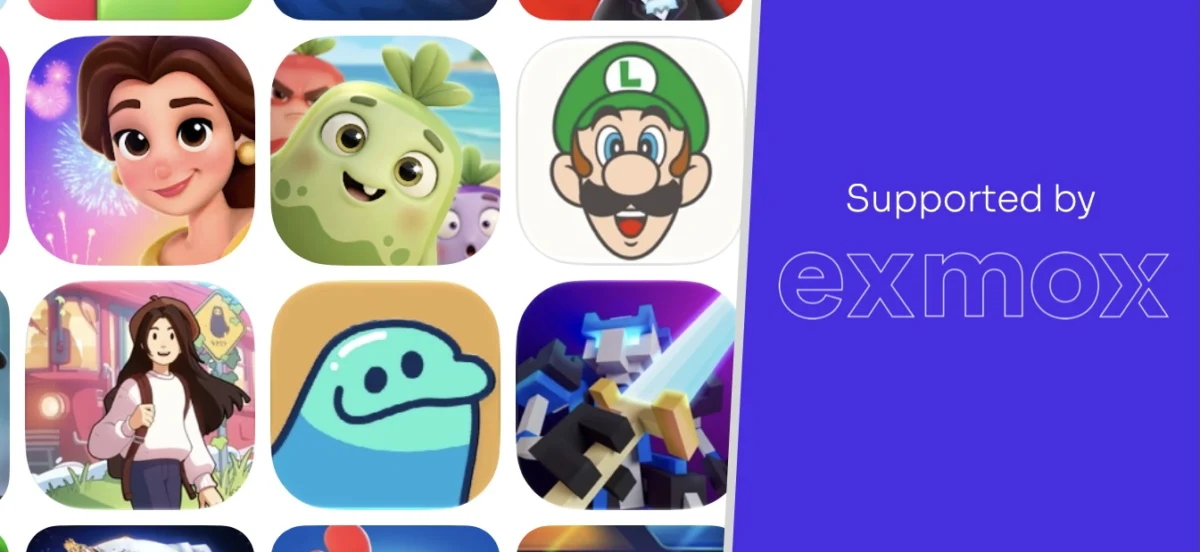
Nintendo continues to diversify its mobile presence with a more conservative, brand-centric approach. The company recently expanded its "My Mario" product line with the release of Hello Peach and Hello Luigi. These applications follow the August 2025 debut of Hello Mario and are designed as free, kid-friendly entry points into the Nintendo ecosystem. While Nintendo’s previous mobile efforts, such as Fire Emblem Heroes, focused heavily on gacha-style monetization, the My Mario line appears to prioritize brand affinity over immediate direct revenue.
Data from AppMagic indicates a modest but steady adoption rate, with Hello Peach securing approximately 16,700 downloads and Hello Luigi reaching 11,100 across the App Store and Google Play. Industry observers suggest that these apps serve as a "top-of-funnel" marketing strategy, introducing younger demographics to the Mario franchise before they graduate to the premium hardware of the Nintendo Switch and its rumored successor. This long-term brand-building strategy aligns with Nintendo’s broader goal of maintaining its intellectual property’s relevance across multiple generations of players.
Transitioning from Netflix: The Independence of Spry Fox
A notable shift in the independent development scene is highlighted by the release of Spirit Crossing, a social MMO from Spry Fox. Originally announced as a Netflix-exclusive title, the game’s trajectory changed significantly when Spry Fox transitioned back to an independent status in December. Spirit Crossing has now achieved a multi-platform launch, appearing on iOS, PC, and both iterations of the Nintendo Switch hardware.
The game’s business model is particularly noteworthy in the current mobile climate. Eschewing the traditional free-to-play model common on iOS, Spirit Crossing is positioned as a premium title with a $29.99 price point on PC and Switch, complemented by an optional "Cozy Club" subscription. This hybrid model reflects a growing trend among "cozy game" developers who seek to avoid the aggressive monetization tactics often required to sustain free-to-play live-service games. The success of Spirit Crossing will likely be watched as a case study for other developers considering the move from subscription-exclusive platforms to independent, multi-platform distribution.

The Porting Pipeline: Bringing Proven PC Hits to Mobile
The trend of migrating established PC and console successes to the mobile market remains robust. Doborog Games’ Clone Drone in the Danger Zone arrived on mobile platforms on November 13, coinciding with the title’s 10th anniversary. With over 2 million copies sold on Steam and a 97% positive review rating from a pool of 36,000 players, the game enters the mobile market with an established reputation.
Similarly, Raw Fury and Fool Moon have released Hillthorn, a card-based investigation game, across iOS, Android, PC, and Switch. Hillthorn is distinguished by its unconventional narrative structure, which lacks dialogue and relies entirely on visual cues and "Clue cards." These ports signify a narrowing gap between mobile and traditional gaming experiences, as mobile hardware becomes increasingly capable of handling complex physics engines and sophisticated art styles. For publishers like Raw Fury, a simultaneous multi-platform launch ensures maximum visibility and captures diverse player segments who may prefer mobile for short sessions and PC for deep immersion.
Netflix Games: Consolidation and the "Games on TV" Initiative
Netflix’s gaming strategy is currently undergoing a period of recalibration. On November 17, the streaming giant added Scrabble Shake-Up and Scattergories Party to its "Games on TV" lineup. This initiative utilizes the user’s smartphone as a controller, bypassing the need for specialized gaming hardware and leveraging the existing smart TV infrastructure. By focusing on established party game IPs like Scrabble and Boggle, Netflix is positioning itself as a competitor in the local multiplayer space, traditionally dominated by Nintendo.
However, the expansion into casual TV gaming is contrasted by the upcoming shutdown of Blood Line: A Rebel Moon Game. Developed by Super Evil Megacorp and based on Zack Snyder’s film franchise, the online co-op action game is scheduled to be taken offline on December 9, less than 17 months after its launch. The closure highlights a critical vulnerability in the Netflix Games model: because many of these titles are built on Netflix-owned IP and hosted exclusively on their servers, they cannot transition to other storefronts once Netflix chooses to end support. This "digital-only" lifespan raises questions about the long-term preservation of mobile titles tied strictly to subscription services.
Niche Revivals and Emerging Markets
The mobile market also continues to see the resurrection of older titles and the emergence of culturally specific projects. World War II: TCG, a strategy card game that originally launched in 2014 and was delisted in 2022, is set for an open beta return on November 28 under the management of Games for a Living. The revival includes the integration of Web3 elements, such as card trading on a dedicated marketplace, though the developers have clarified that a crypto wallet is not mandatory for standard gameplay. This reflects a broader industry trend where developers are attempting to find a "middle ground" for blockchain technology that provides player ownership without alienating traditional gamers.
In the European market, Italian developer Not Just Music is preparing for the launch of Papgame, a mobile tie-in to the animated film Papmusic – Animation for Fashion. Featuring a dual-mode structure that combines a first-person adventure in Milan’s Piazza Duomo with a rhythm game featuring 50 songs, the project underscores the increasing use of mobile games as cross-media promotional tools for regional film industries.
Analysis of Market Implications and Future Outlook
The current wave of releases and soft launches illustrates a mobile industry in a state of high-stakes experimentation. The reliance on established brands—from Disney and Scrabble to Rebel Moon and Mario—indicates that the cost of user acquisition has reached a point where original, unbranded IPs face immense hurdles to visibility.
The divergence in monetization strategies—ranging from the premium pricing of Spirit Crossing to the "phone-as-controller" model of Netflix—suggests that the industry has not yet reached a consensus on the most sustainable way to monetize mobile content outside of the standard "whaling" mechanics of free-to-play titles. Furthermore, the rapid lifecycle of titles like Blood Line suggests that the "Netflix for Games" model may lead to shorter, more volatile development cycles where games are treated more like seasonal content than long-standing services.
As we move toward the end of the year, the performance of Disney Merge Dreams in its soft-launch territories will likely serve as a bellwether for the continued viability of high-budget licensed casual games. Simultaneously, the success or failure of multi-platform indies like Spirit Crossing will determine whether smaller studios can successfully bypass the gatekeeping of major subscription platforms to find direct-to-consumer success on mobile.
About the Author