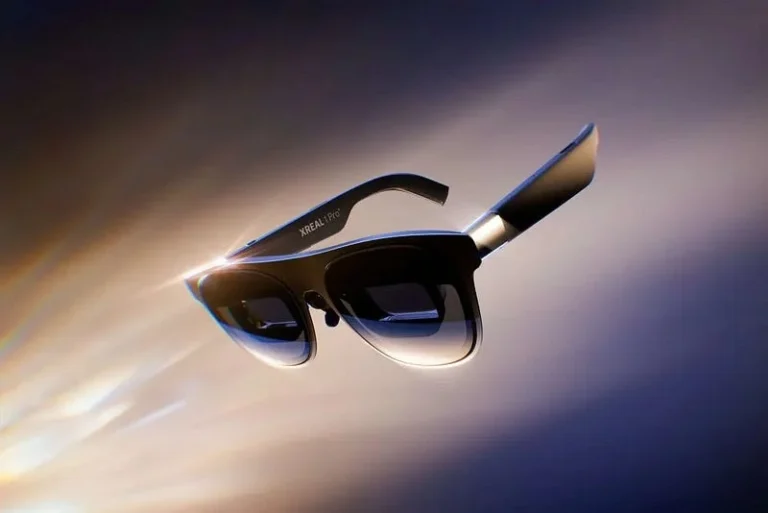
Alibaba Group, the Chinese multinational technology conglomerate, has officially announced the launch of its latest wearable hardware, the Qwen N1 and N1 Pro smartglasses. Introduced during a high-profile technology event in Hangzhou, the N1 series represents a significant strategic pivot for Alibaba’s hardware division, moving away from traditional augmented reality (AR) displays toward an AI-centric, audio-visual wearable ecosystem. The devices are designed to integrate seamlessly with Alibaba’s proprietary Qwen large language models (LLM) and its vast network of consumer services, including Alipay and Taobao. By incorporating sophisticated sensors typically reserved for medical devices or high-end VR headsets, Alibaba is positioning the N1 Pro as a direct competitor to Western offerings, such as the Ray-Ban Meta smartglasses, while introducing features that set a new benchmark for the industry.
Technical Specifications and Hardware Performance
The Alibaba N1 series is divided into two distinct models: the standard N1 and the premium N1 Pro. Unlike previous prototypes from the company that featured monochrome heads-up displays, the N1 series adopts a "display-less" design, prioritizing a lightweight form factor and extended battery life. The hardware is built to serve as an intelligent interface for the Qwen AI assistant, facilitating real-time translation, voice-activated e-commerce, and hands-free communication.
One of the most notable hardware upgrades is the camera system. The N1 series features a 50-megapixel primary sensor capable of recording video in 4K resolution. This specification significantly exceeds the 12-megapixel sensors found in many current market leaders. According to technical documentation released during the Hangzhou event, the camera is optimized for low-light environments, utilizing AI-driven image processing to maintain clarity during night-time photography and video capture.

Power management has also seen a substantial improvement. The N1 glasses offer up to nine hours of continuous music streaming and 25 hours of standby time on a single charge. This represents a significant increase over the industry average, which typically hovers around six hours for active audio use. Furthermore, the architecture of the glasses supports swappable battery components, a feature intended to extend the device’s operational lifespan for power users and enterprise professionals.
The Qwen N1 Pro and Integrated Eye Tracking Technology
The flagship N1 Pro distinguishes itself through the integration of advanced eye-tracking technology, a feature rarely seen in consumer-grade smartglasses due to size and power constraints. The device houses two 1.7mm micro-cameras—one for each eye—that monitor pupil movement and gaze direction with a claimed accuracy error of less than one degree.
This eye-tracking module serves two primary functions: contextual AI awareness and biometric security. By tracking exactly where a user is looking, the Qwen AI assistant can provide more accurate responses to visual queries. For example, if a user asks the assistant for information about a specific landmark or product, the system does not need to infer the subject from the user’s head position; it uses the gaze data to pinpoint the exact object of interest.
In terms of security, the N1 Pro utilizes these cameras for iris authentication. This allows users to authorize financial transactions via Alipay directly through the glasses. This biometric layer is intended to prevent unauthorized use of the payment system if the glasses are lost or stolen, providing a level of security comparable to high-end smartphones.

Expansion into Health and Wellness Monitoring
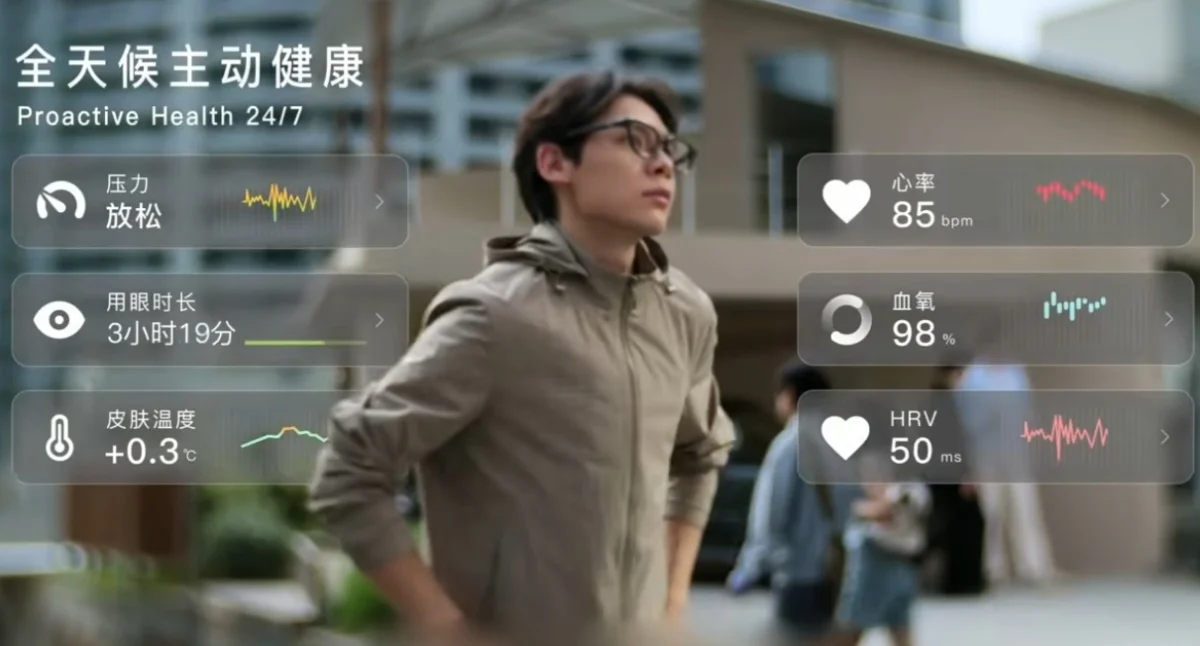
In a move that mirrors the evolution of the smartwatch industry, Alibaba has outfitted the N1 Pro with a suite of health-monitoring sensors. Located within the nose bridge of the frames, these sensors are designed to maintain constant contact with the wearer’s skin to monitor vital signs.
Key health features include:
- Real-time Heart Rate Monitoring: Tracking cardiovascular activity during daily routines or exercise.
- Body Temperature Sensing: Providing alerts for fever or heat-related stress.
- Stress Analysis: Utilizing physiological data to estimate the wearer’s stress levels throughout the workday.
By merging health diagnostics with a communication wearable, Alibaba is targeting a broader demographic beyond tech enthusiasts, aiming for users interested in holistic wellness and productivity tracking. Industry analysts suggest that this integration could pave the way for smartglasses to replace smartwatches as the primary "always-on" biometric device for consumers.
Ecosystem Integration and Market Strategy
The N1 series is deeply embedded in the Alibaba ecosystem, which is a critical component of its value proposition in the Chinese market. The glasses are designed to function as a hands-free gateway to Alibaba’s digital services. Users can scan QR codes for payments simply by looking at them or execute purchases on the Taobao e-commerce platform using voice commands and gaze confirmation.

The devices are powered by the Qwen (Tongyi Qianwen) family of AI models. These models provide the natural language processing capabilities required for real-time translation and complex task management. During the launch, Alibaba demonstrated the glasses’ ability to translate spoken dialogue in real-time, delivering audio translations through the integrated open-ear speakers.
The pricing structure for the N1 series reflects its premium positioning. The Qwen N1 Pro is priced at 3,499 yuan (approximately $490 USD), while the standard N1 model is set at 2,999 yuan (approximately $450 USD). At launch, Alibaba offered promotional discounts, bringing the prices down to roughly $390 and $420, respectively. While these prices are higher than some competing models, the inclusion of eye-tracking and health sensors provides a higher hardware-to-price ratio compared to display-less audio glasses currently available in Western markets.
Broader Implications and Industry Impact
The introduction of eye-tracking and health sensors into the smartglasses category signals a shift in the technological trajectory of wearables. While earlier iterations of smartglasses struggled with "glasshole" social stigmas and poor battery life, the N1 series focuses on utility and "invisible" technology.
However, the inclusion of such invasive sensors raises significant questions regarding data privacy and surveillance. Eye-tracking data is uniquely sensitive; it can reveal a user’s interests, subconscious preferences, and even early signs of neurological conditions. While Alibaba has emphasized the security benefits of iris authentication, the potential for massive data harvesting remains a point of contention for international observers. In jurisdictions with strict data protection laws, such as the European Union’s GDPR, the deployment of such technology would likely face rigorous regulatory scrutiny.

Currently, Alibaba has not announced plans for a global release of the N1 series. The heavy reliance on Chinese-centric services like Alipay and Taobao suggests that the device is primarily intended for the domestic market. Nevertheless, the hardware innovations presented in the N1 Pro—specifically the miniaturization of eye-tracking and the inclusion of biometric health sensors—are expected to influence the design of future wearables from global competitors.
As AI continues to move from cloud-based interfaces to edge-device hardware, the Alibaba N1 series represents a significant step toward the realization of ambient computing, where the digital and physical worlds are linked through a constant, intelligent, and sensor-rich interface. The success of the N1 series will likely depend on how effectively Alibaba can balance its advanced feature set with consumer concerns over privacy and the practicalities of daily wear.
About the Author