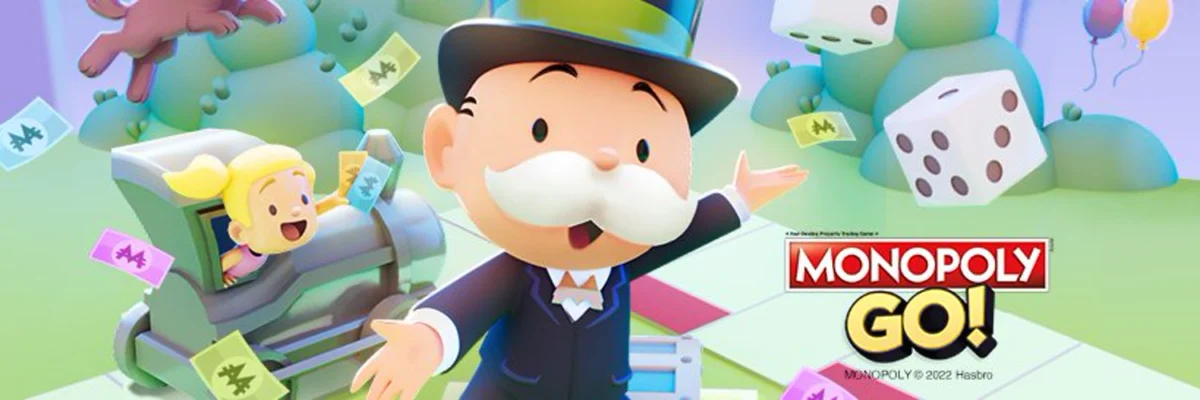
Hasbro’s financial results for the second quarter of the fiscal year have underscored the transformative power of strategic licensing and the enduring strength of its premier gaming franchises. At the center of this success is Scopely’s mobile sensation, Monopoly Go, which contributed $44 million in royalty revenue to Hasbro during the three-month period ending in June. This figure represents a steady upward trajectory for the title, surpassing the $41 million earned in the previous quarter and bringing the year-to-date total from this single game to $86 million. The performance of Monopoly Go serves as a cornerstone for Hasbro’s digital strategy, illustrating a highly profitable model that leverages external development expertise to monetize internal intellectual property.
The broader financial landscape for the toy and gaming giant revealed a significant surge in its digital and licensed gaming division. Total revenue for this segment grew by 17% year-on-year, reaching $135.5 million. However, this growth was eclipsed by the company’s tabletop gaming sector, which saw a remarkable 30% increase to $528.3 million during the same period. When viewing the first half of the year (H1) in its entirety, Hasbro’s digital and licensed gaming division posted a 10% increase to $256.8 million. In contrast, the tabletop segment surged by 32%, reaching $989 million. This divergence suggests that while digital gaming is a vital and growing component of the Hasbro portfolio, the physical tabletop market—driven largely by the resurgence of Magic: The Gathering—remains the primary engine of revenue growth for the company in the current fiscal climate.
The Wizards and Digital Gaming Segment Performance
The Wizards and Digital Gaming segment, which encompasses both the Wizards of the Coast (WotC) subsidiary and the company’s various digital gaming initiatives, reported a total revenue increase of 27% to $663.8 million in the second quarter. The primary driver of this growth was Magic: The Gathering, which saw its revenue climb by 32% to $545.3 million. The success of the "Universes Beyond" initiative, which integrates external intellectual properties into the Magic: The Gathering ecosystem, alongside strong performance from core set releases, has solidified the brand’s position as a dominant force in the gaming industry.
While Monopoly Go remains the standout performer in the mobile space, Hasbro’s reporting indicates a diversified approach to digital revenue. The company did not provide specific financial breakdowns for other individual mobile titles but noted that its digital portfolio includes a wide array of games across PC and console platforms. This includes the continued tailwinds from Baldur’s Gate 3, which, although released in 2023, continues to provide residual licensing revenue and has revitalized interest in the Dungeons & Dragons brand.
The Monopoly Go Phenomenon and Digital Economics
The meteoric rise of Monopoly Go has fundamentally shifted the conversation regarding Hasbro’s digital potential. Developed and published by Scopely, the game has become one of the fastest-growing mobile titles in history. During an earnings call with analysts, Hasbro CEO Chris Cocks highlighted the game’s unprecedented scale, noting that Monopoly Go is on track to exceed $8 billion in lifetime revenue by the end of the summer. This milestone is particularly significant given that the game launched just over a year ago.
The financial arrangement between Hasbro and Scopely allows Hasbro to reap the benefits of the Monopoly brand’s popularity without the massive overhead associated with mobile game development and user acquisition. "It proves that Hasbro can create major digital economics without carrying all the costs and risk ourselves," Cocks stated during the call. This "asset-light" model is a pivot from previous years where Hasbro sought to develop more titles internally. By partnering with experts in the mobile space who handle the multi-million dollar daily marketing spends and live-service operations, Hasbro secures a high-margin revenue stream that scales directly with the game’s success.
Chronology of the Digital Pivot
The current success of Hasbro’s digital strategy is the result of a multi-year transition.
- Early 2020s: The Internal Expansion: Hasbro initially invested heavily in internal development teams, aiming to build a self-sustaining digital publishing powerhouse.
- 2022-2023: Strategic Realignment: Following a period of market volatility, the company began to lean more heavily into licensing. The partnership with Larian Studios for Baldur’s Gate 3 and Scopely for Monopoly Go became the blueprints for this new direction.
- April 2023: Launch of Monopoly Go: The game debuted to immediate success, quickly climbing the charts on both iOS and Android platforms.
- Q1 2024: Hasbro reports $41 million in earnings from Monopoly Go, signaling the game’s long-term sustainability.
- Q2 2024: Earnings rise to $44 million, and the company confirms a pipeline of over 200 active or developing digital projects.
This timeline demonstrates a clear shift from being a developer to being a premier licensor and collaborator, a move that has been well-received by investors looking for lower-risk avenues into the volatile gaming market.
Future Roadmap: 200 Projects in Development
Looking ahead, Hasbro has no intention of slowing its digital expansion. The company’s strategy involves creating "community hubs" and "major franchise moments" through a focused set of platforms and genres. To achieve this, Hasbro is leveraging an extensive network of third-party developers.
According to CEO Chris Cocks, there are more than 200 projects currently active or in development. These projects span across diverse gaming categories, including mobile, social casino, gaming consoles, and PC. The list of partners involved in these ventures includes some of the most prominent names in the interactive entertainment industry:
- Scopely: Continuing the evolution of Monopoly Go and exploring other potential collaborations.
- Aristocrat: Focusing on the intersection of Hasbro brands and social casino experiences.
- Ubisoft and Gameloft: Bringing classic Hasbro IPs to consoles and mobile devices with high production values.
- Tripledot, Marmalade, and Gameberry Labs: Developing casual and puzzle-based experiences that cater to broader demographics.
This massive pipeline is designed to ensure that Hasbro’s intellectual properties, which include Transformers, G.I. Joe, My Little Pony, and Clue, remain relevant in the digital age. By spreading these projects across multiple partners, Hasbro mitigates the risk of any single failure while maximizing the chances of discovering the "next" Monopoly Go.
Analysis of Implications and Market Impact
The Q2 earnings report carries several implications for the future of Hasbro and the wider gaming industry. First, the success of the licensing model suggests that IP owners may increasingly move away from the high-risk endeavor of internal game development. When an IP is as recognizable as Monopoly, the value lies in the brand equity rather than the technical execution, which can be outsourced to specialized firms.
Second, the disparity between digital growth (17%) and tabletop growth (30%) highlights a "back-to-basics" trend among consumers. Despite the ubiquity of digital entertainment, the demand for physical, social gaming experiences remains at an all-time high. For Hasbro, this means that Magic: The Gathering is not just a legacy product but a growth engine that complements its digital aspirations. The challenge for the company moving forward will be to find ways to better integrate these two worlds, perhaps through hybrid play or digital-to-physical rewards.
Furthermore, the mention of an $8 billion lifetime revenue target for Monopoly Go suggests that the game has achieved a level of "cultural ubiquity" similar to titles like Candy Crush or Pokémon GO. This provides Hasbro with significant leverage in future licensing negotiations, as they can point to Monopoly Go as a proof of concept for the massive scale achievable through their brands.
Conclusion
Hasbro’s second-quarter performance reflects a company that has successfully navigated the complexities of the modern gaming landscape. By balancing the traditional strength of its tabletop division with a savvy, licensing-forward digital strategy, the company has created a diversified revenue stream that is both resilient and scalable. The $44 million contribution from Monopoly Go is a testament to the power of the right partnership, while the 200-plus projects in development signal an ambitious future. As the company moves into the second half of the year, the focus will likely remain on sustaining the momentum of its "Big Two"—Magic: The Gathering and Monopoly Go—while nurturing the next generation of digital hits through its extensive network of global partners.
About the Author