Prospective game developers often confront staggering tuition figures—forty, sixty, even upwards of one hundred thousand dollars—when researching educational pathways. These numbers frequently spark apprehension, conjuring images of years spent servicing substantial student loan debt. While the immediate answer to whether game design courses are expensive is, regrettably, often affirmative, this simplistic view overlooks a nuanced landscape of costs, educational models, and individual career aspirations. The gaming industry is a vast ecosystem, encompassing a myriad of specializations from intricate programming and visual artistry to compelling narrative design, sound engineering, and project management. The financial investment required to master any of these trades can vary dramatically, from elite private academies to state-subsidized public universities and community colleges. Crucially, the monetary price tag represents only half of the equation; the other half is deeply personal, encompassing an individual’s learning style, specific career needs, and willingness to shoulder debt before securing that pivotal first industry role. Therefore, a thorough examination beyond advertised tuition is essential before committing to years of dedicated study.
The Evolving Landscape of Game Development Education
The journey to becoming a game developer has evolved significantly since the industry’s nascent stages. Historically, many pioneers were self-taught programmers or artists who honed their skills through passion projects and informal apprenticeships. As the industry matured and games grew in complexity and commercial scale, the demand for specialized talent led to the emergence of formal educational programs. Initially, these often resided within computer science or art departments at traditional universities. However, the late 20th and early 21st centuries saw a proliferation of dedicated game design schools and programs, driven by the industry’s explosive growth and increasing sophistication. Today, the global video game market is a multi-billion-dollar enterprise, projected to exceed $200 billion annually, fueling a continuous demand for skilled professionals. This robust market underpins the perceived value of specialized education, but also intensifies competition for desirable roles, making a strong portfolio and relevant skills paramount.
The Premium Path: For-Profit Universities and Private Academies
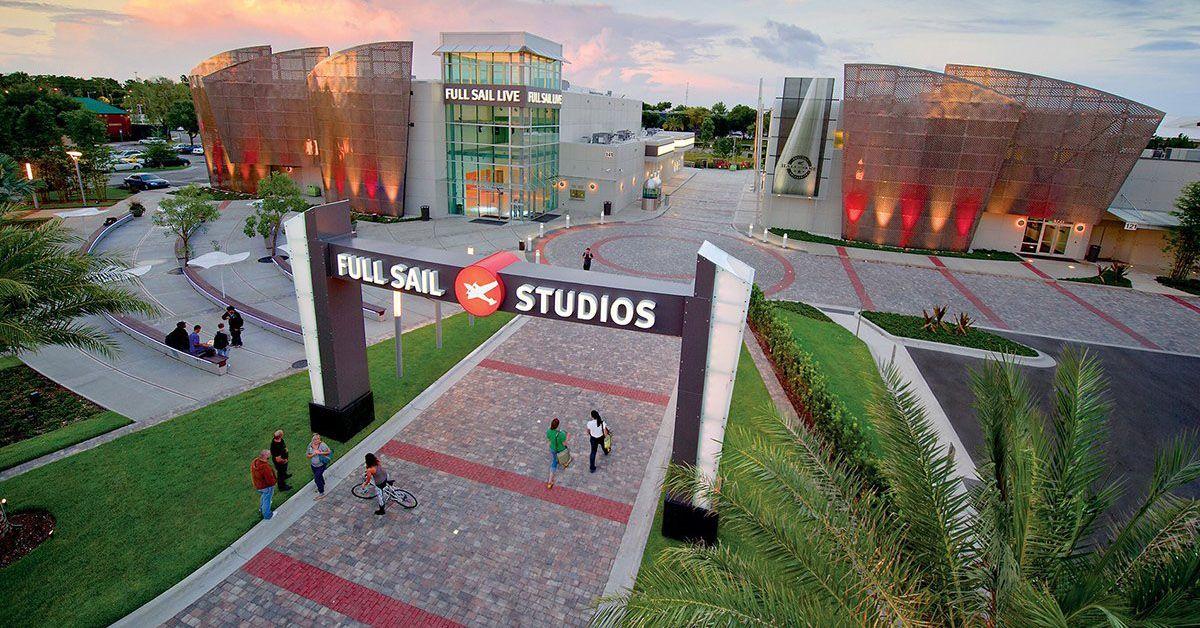
When commencing research into game design education, certain names consistently dominate search results and advertising campaigns: institutions such as Full Sail University, DigiPen Institute of Technology, and Gnomon School of Visual Effects. These entities often present a compelling proposition, boasting state-of-the-art laboratories designed to mirror professional studios, an impressive roster of alumni credited on blockbuster titles, and dedicated career services with direct lines to industry recruiters. The facilities are frequently cutting-edge, designed to inspire and equip students with tools used in top-tier development houses.
These institutions operate on a model where students are not merely acquiring knowledge but also investing in a brand, an extensive professional network, and an accelerated, highly specialized curriculum. This represents a premium educational product, inevitably accompanied by a premium cost. For instance, a Bachelor of Science degree in Game Design or Development from a leading for-profit institution can range from approximately $80,000 to over $100,000 for the full program, excluding living expenses, which could add another $15,000-$25,000 per year depending on location. A typical four-year program could thus approach or exceed $150,000 in total.

These programs offer a highly structured and intensive learning environment. Students are consistently challenged by demanding project deadlines, guided by mentors who often possess extensive experience working on major game titles, and immersed in a competitive peer group of exceptionally talented individuals. This environment is designed to simulate the pressures and collaborative dynamics of a professional studio.
However, prospective students must approach this investment with a clear understanding of its financial implications. The substantial debt incurred can significantly influence early career decisions. While an entry-level game designer might expect an average starting salary ranging from $50,000 to $70,000 per year, high loan payments can tether graduates to corporate contracts, often prioritizing financial stability over creative risk-taking. This can limit the freedom to explore opportunities at smaller independent studios, which, while potentially offering more creative autonomy and diverse experiences, may not provide salaries sufficient to comfortably service large student loans. As one industry recruiter noted, "While pedigree from top schools is recognized, ultimately, we prioritize demonstrable skills and a robust portfolio. Graduates burdened by immense debt sometimes struggle to accept roles that offer significant learning opportunities but slightly lower pay, which can be a critical growth phase for new talent."
The Accessible Route: Public Universities and Community Colleges
Many students inadvertently overlook public educational institutions, mistakenly assuming that programs without a nationally recognized, specialized "game design" brand lack equivalent value. This perception can be a significant misstep, as public universities, particularly those with reputable computer science, interactive media, or digital arts departments, can offer an equally robust educational foundation at a substantially lower cost. Annual tuition for in-state students at public universities typically ranges from $10,000 to $15,000, while out-of-state tuition might fall between $25,000 and $35,000. These institutions often receive state funding, which subsidizes instructional costs, making their pricing significantly more manageable.
A Bachelor of Science in Computer Science with a specialization in game development, for example, provides a strong theoretical grounding in algorithms, data structures, and software engineering—foundational skills highly valued across the industry, particularly for programming roles. Similarly, a Bachelor of Fine Arts in Digital Media or Animation can equip aspiring artists with the skills needed for character design, environment modeling, or UI/UX. Many public universities, such as the University of Utah’s Entertainment Arts and Engineering program or the University of Central Florida’s Florida Interactive Entertainment Academy (FIEA), have gained national recognition for their game development curricula, often at a fraction of the cost of their private counterparts.
The Community College Entry Point
Community colleges represent an even more affordable and flexible entry point into game design education. Students can complete general education requirements, learn foundational skills in areas like UI/UX design, 3D modeling, or basic programming, and then transfer credits to a four-year institution. Many community colleges have formal articulation agreements with public universities, ensuring seamless credit transfer and a clear pathway to a bachelor’s degree. This model allows students to reside at home, work part-time, and significantly reduce the debt burden associated with four years at a private institution. Annual tuition at community colleges can range from a few thousand dollars to around $8,000, making it an exceptionally cost-effective starting point. As an academic advisor at a community college might explain, "We provide an invaluable stepping stone, allowing students to explore their interests and build foundational skills without committing to massive debt from day one. It’s about opening doors, not closing them."
Alternative Learning Models: Bootcamps and Self-Taught Paths
For individuals seeking maximum flexibility or a highly targeted skill acquisition, alternative learning models offer compelling, often more affordable, options.
Bootcamps and Specialized Workshops: These intensive programs typically focus on specific skills or software, such as Unity or Unreal Engine development, 3D character modeling, or game writing. Ranging from a few weeks to several months, bootcamps are designed to provide practical, project-based training that prepares students for entry-level roles or to enhance existing skill sets. Costs for these programs typically range from $2,000 to $10,000 for a 10-16 week course. While they lack the comprehensive academic breadth of a university degree, their concentrated nature can be highly effective for individuals who know precisely which skills they need to acquire.
The Self-Taught Path: Arguably the most flexible and cost-effective option, the internet has become an unparalleled classroom for aspiring game developers. Platforms like YouTube host an incredible library of free tutorials, ranging from beginner introductions to advanced techniques in game engines like Unreal Engine 5 or Unity HDRP. Online forums, developer communities, and free versions of professional software (e.g., Blender for 3D modeling, GIMP for image editing, Godot Engine for development) provide robust ecosystems for learning and collaboration. The primary costs associated with this path are time, internet access, and the self-discipline required to structure one’s own curriculum and maintain motivation. This approach empowers individuals to tailor their learning precisely to their interests and career goals, building a portfolio of projects that often rivals those from formal institutions.
Online Courses and MOOCs: Bridging the gap between fully self-taught and traditional education, massive open online courses (MOOCs) and specialized online programs offer structured learning at a lower cost. Platforms like Coursera, edX, and Udemy host courses from reputable universities and industry experts. For example, the California Institute of the Arts offers a "Game Design: Art and Concepts" specialization on Coursera, including an "Introduction to Game Design" course that can be completed in about six hours. Many of these courses are beginner-friendly, require no prior diplomas, and can be audited for free or completed for a small fee to earn a certificate. This model provides accessible, credentialed learning without the commitment of a full degree program.
Beyond Tuition: Hidden Costs and Essential Investments
Regardless of the chosen educational path, several hidden costs and essential investments must be factored into the overall financial plan. To effectively compete in the modern game development landscape, specific hardware and software are indispensable:

- High-Performance Computer: A robust desktop or laptop capable of smoothly running demanding game engines like Unreal Engine 5 or Unity HDRP, alongside 3D modeling and animation software, is crucial. Such a machine typically costs between $2,000 and $3,500.
- Software Licensing: Professional-grade tools often require subscription fees. The Adobe Creative Suite (for graphic design, video editing, etc.) and Autodesk Maya (for 3D modeling and animation) are industry standards, and their annual licensing fees can add approximately $600 per year to expenses. While some educational licenses are available, they often expire upon graduation.
- Peripherals: Drawing tablets, ergonomic keyboards, and high-resolution monitors can enhance productivity and creative output, adding hundreds of dollars to the initial setup cost.
- Networking and Conferences: Attending industry events, workshops, and conventions (e.g., GDC, PAX) is invaluable for networking, learning about emerging trends, and showcasing work. Travel, accommodation, and ticket costs can quickly accumulate.
- Portfolio Hosting and Personal Website: A professional online presence to display projects is critical for job applications, often involving domain registration and hosting fees.
For those pursuing the self-taught path, these hardware and software costs remain largely the same. However, the advantage lies in the flexibility to leverage free and open-source alternatives (like Blender or Godot Engine) more extensively, or to utilize modern tools that automate aspects of asset creation and coding, potentially reducing the overall financial outlay for software.
The Trade-offs and Realities of Different Paths
It is important to acknowledge the trade-offs inherent in each educational model. Public universities and community colleges, while more affordable, may not always boast the absolute latest laboratory equipment compared to heavily funded private academies. Instructors at public institutions might bring more academic theory than direct, recent experience on blockbuster titles, though many are highly respected researchers or seasoned developers. Students in these environments might need to engage in more self-directed learning to master specific technical concepts or emerging software features, such as understanding complex rendering techniques like ambient occlusion or real-time ray tracing. Furthermore, career services at public institutions might not have the same direct pipelines or established relationships with recruiters at top-tier studios like Naughty Dog or Insomniac Games, often requiring students to be more proactive in their networking and job search.
However, the advantages of a lighter debt burden are profound. Graduates with minimal student loan obligations gain significant early career flexibility. This "financial freedom," as some alumni describe it, allows them to accept positions at smaller independent studios, where creative risks are often encouraged, and innovative projects can flourish. It liberates them from being "chained to a corporate contract solely to service loan payments." In an industry where a compelling portfolio of demonstrable skills often matters more than institutional pedigree, this flexibility is not just practical; it is empowering.
Before graduation, most reputable game design programs—regardless of their institutional type—will require a Capstone Project. This culminating work, often developed in a team, serves as the cornerstone of a student’s professional portfolio. It is during the development and presentation of this project that students undertake their first formal portfolio reviews, a critical step in securing interviews and ultimately landing a job at a desired studio.
National Resources for Prospective Students
Across the United States, a diverse array of institutions offers valuable game design programs. Examples include Wichita State University’s Bachelor of Applied Arts in Media Arts, Southern New Hampshire University’s Bachelor of Science in Game Art and Interactive Design, and Berkeley City College’s Associate of Arts in Animation and Game Design. For students seeking programs tailored to their location and specific needs, the National Center for Education Statistics’ College Navigator (nces.ed.gov/collegenavigator/) serves as an invaluable resource for researching accredited institutions and their offerings.

Conclusion: Dedication, Portfolio, and Personal Freedom
The journey into game design education reveals a complex interplay of cost, value, and personal ambition. While the initial sticker shock of tuition figures can be daunting, a comprehensive understanding of the various pathways—from premium private academies to affordable public institutions, intensive bootcamps, and robust self-taught routes—is crucial.
The ultimate takeaway, often unstated in university brochures, is that while a diploma provides a structured learning environment and credential, it is an individual’s dedication, persistent effort, and a compelling portfolio of work that truly propel them from a nascent career to sustained success. Industry professionals consistently emphasize that tangible skills and completed projects outweigh institutional affiliations.
Therefore, the "real cost" of game design education extends beyond the tuition statement; it encompasses the potential impact on an individual’s career flexibility and creative freedom. Choosing an educational path requires a clear-eyed assessment of financial investment against desired outcomes, personal learning preferences, and tolerance for debt. With the right research and a strategic approach, aspiring game developers can navigate this intricate landscape to find a path that not only fits their budget but also empowers them to achieve their professional aspirations in this dynamic and rewarding industry.
About the Author