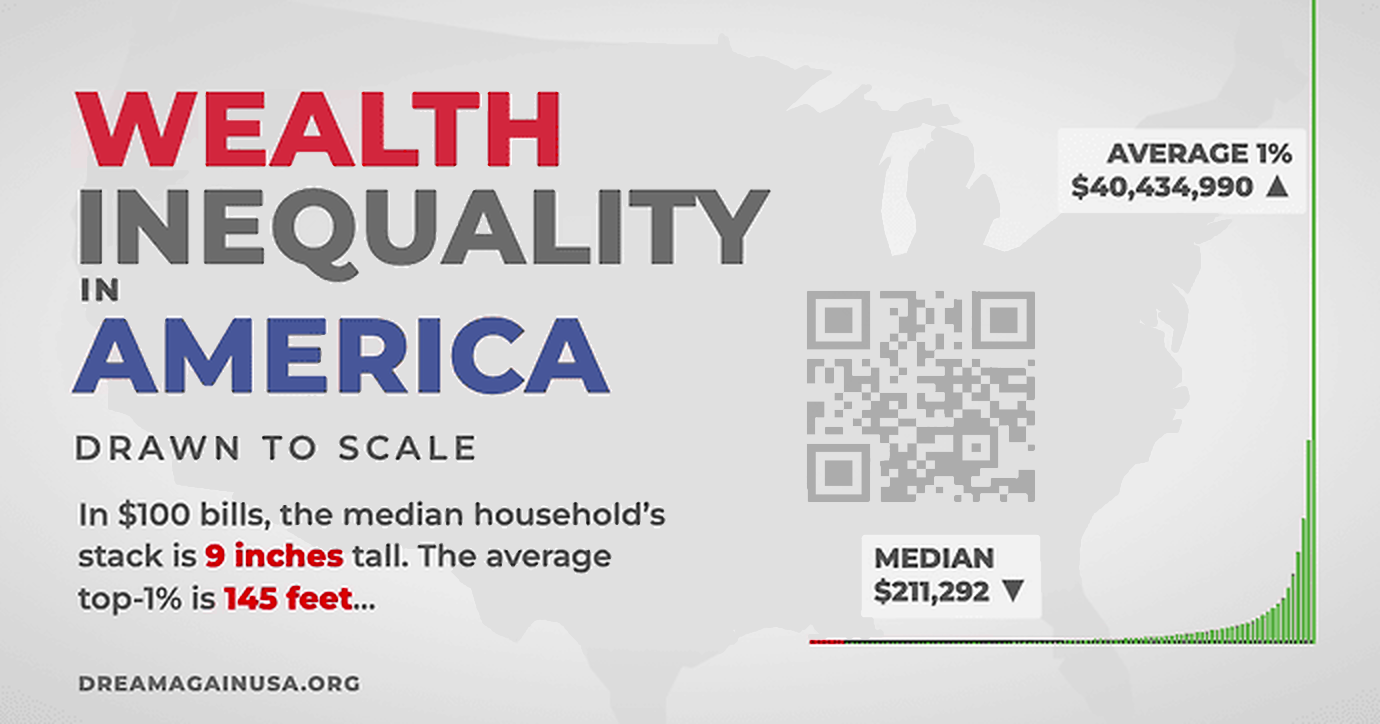
A new interactive online experience, DreamAgainUSA.org, has launched, offering a stark and visceral visualization of wealth inequality in the United States. Conceived and supported by Jeff Atwood, co-founder of Stack Overflow, the website forces users into a prolonged, manual scrolling journey to comprehend the vast chasm between the nation’s wealthiest individuals and its most impoverished citizens. The initiative builds upon a legacy of visual advocacy, notably integrating with an updated 2026 video series on wealth disparity produced by Politizane, aiming to transform abstract economic data into an undeniable personal experience.
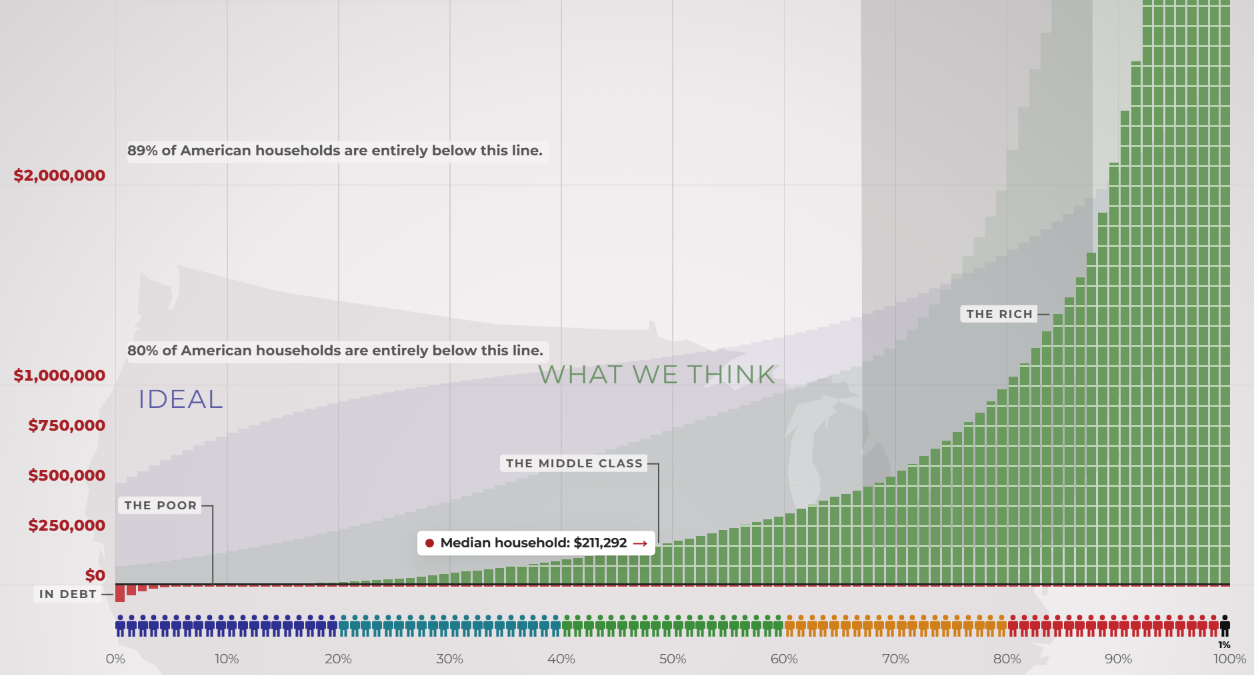
The platform challenges users to physically scroll through a linear graph representing the entire spectrum of American wealth, from the lowest earners to the ultra-rich. This deliberate design choice, which Atwood describes as "suffering as a feature," aims to evoke empathy and understanding for the daily struggles faced by millions of Americans living with minimal resources. The project’s core message is that the sheer scale of wealth concentration is "almost impossible to explain" and must be "experienced" to be truly grasped.
The Genesis of a Movement: From Viral Video to Interactive Platform
The inspiration for DreamAgainUSA.org stems from a powerful predecessor: the original "Wealth Inequality in America" video released by Politizane 14 years ago. That viral sensation fundamentally altered public perception for many, including Atwood, by visually breaking down complex economic data into an easily digestible, yet profoundly impactful, format. The video illustrated how the vast majority of wealth was concentrated in the hands of a tiny fraction of the population, a reality often obscured by statistics alone.
Recognizing the enduring relevance of this issue and the need for updated information, Atwood supported the creation of the "updated 2026 wealth inequality video series" by Politizane. This new series, alongside contributions from satirists like The Onion and cultural commentators like Garbage Day, forms a multimedia ecosystem designed to educate and provoke thought. Atwood emphasized his non-interventionist approach, granting creators full control over their content, underscoring his belief that the project is "for the public. It is for We, The People." This collaborative spirit aims to ensure diverse perspectives and impactful storytelling without organizational bias.

DreamAgainUSA.org: An Unconventional Design for a Critical Issue
The website’s primary feature is its endlessly scrolling graph, where users must continuously move upwards to observe the incremental increase in wealth. Atwood recounts personal experiences of scrolling for nearly 13 minutes to reach the theoretical "top" of the graph, highlighting the arduous nature of the journey. This physical effort is central to the design philosophy, deliberately eschewing automated scrolling or rapid jumps. The intention is for the user’s growing fatigue to mirror the relentless struggle of those living in economic precarity.
A key element of the user experience is the presence of an "I Quit" button. This option allows users to disengage from the simulated climb at any point, providing a stark contrast to the real-life circumstances of many Americans who lack such an easy exit from economic hardship. "Do other Americans get an easy way out of the most extreme wealth concentration in history?" Atwood posits, underscoring the privilege inherent in the digital "quit" button. The website effectively transforms abstract data into a "walking simulator" of economic endurance, where the "game" is simply living one’s daily life with almost nothing.
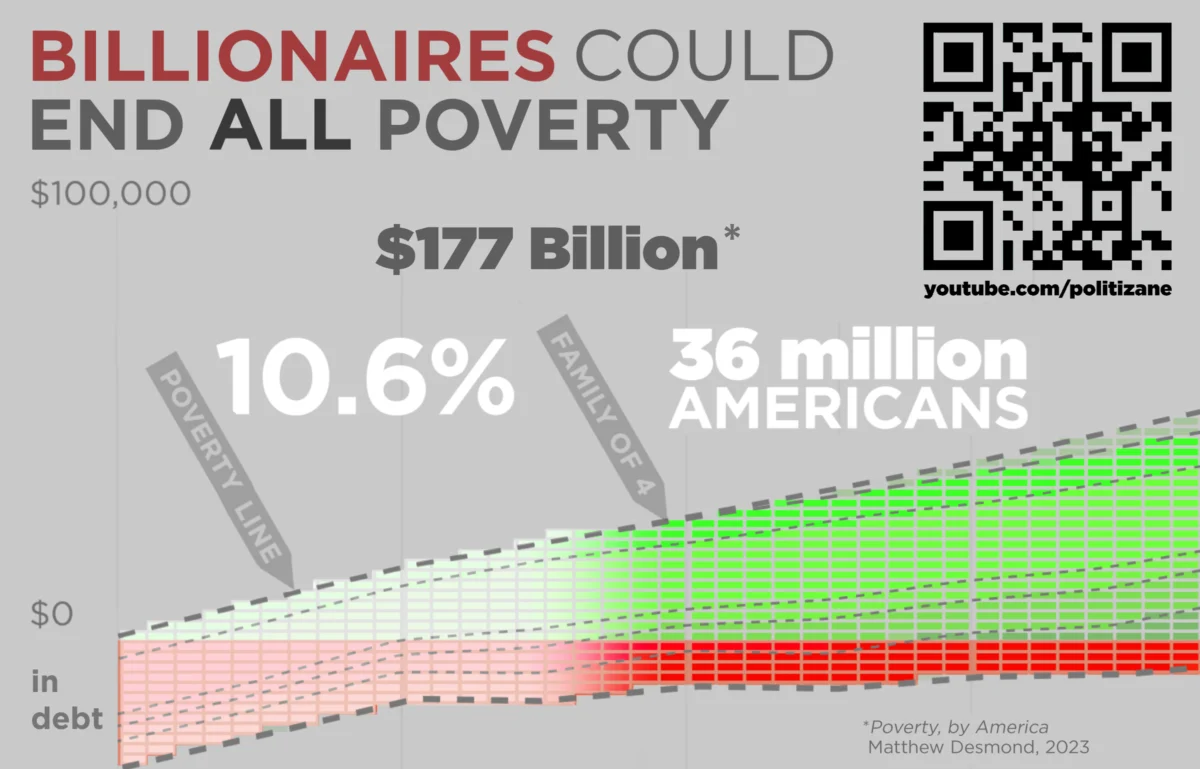
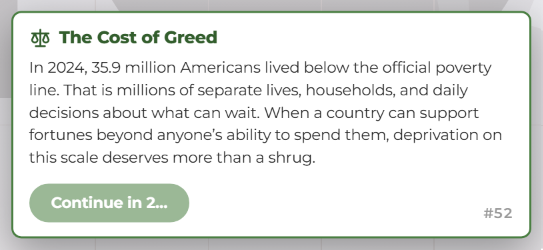
The development of the site was a collaborative effort, with Geoff Dalgas, Atwood’s long-time friend and co-founder of Stack Overflow, handling the technical implementation. Early iterations that allowed for rapid navigation were discarded, as Atwood believed that the user needed to "do the work" to truly internalize the message. Furthermore, the website incorporates forced stops at critical junctures, preventing users from blindly scrolling past significant markers of human suffering. One such pause occurs when the graph reaches the point representing the 36 million Americans living in poverty. This deliberate interruption serves to highlight the shocking juxtaposition that "we could eliminate all poverty in this country for $177 billion," yet collectively choose not to.
The Stark Reality: Data Behind the Scroll
The immersive experience of DreamAgainUSA.org is grounded in staggering economic realities. Wealth inequality in the United States has reached levels not seen in nearly a century, with significant implications for social mobility, economic stability, and democratic health.
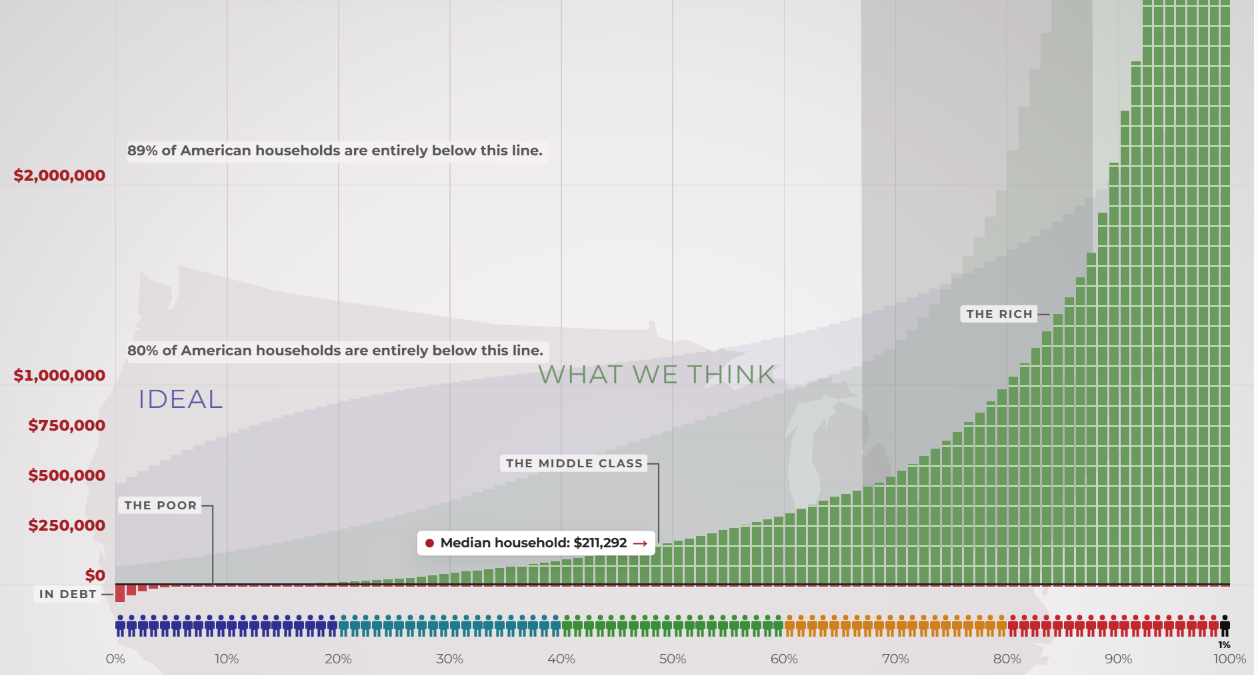
According to data from the Federal Reserve, the richest 1% of American households held approximately 30.5% of the nation’s total wealth in the first quarter of 2023. This figure is a sharp increase from the 1970s, when the top 1% controlled around 20% of the wealth. Conversely, the bottom 50% of households collectively owned only about 2.5% of the nation’s wealth. The Gini coefficient, a common measure of income and wealth inequality, consistently places the U.S. among developed nations with the highest levels of disparity. For wealth, the U.S. Gini coefficient is significantly higher than for income, reflecting a more entrenched and difficult-to-change distribution.
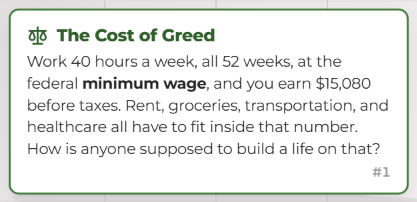
The website particularly emphasizes the plight of those at the bottom of the economic ladder. The federal minimum wage, currently $7.25 per hour, translates to an annual income of approximately $15,080 before taxes for someone working 40 hours a week, 52 weeks a year. This figure stands in stark contrast to the rising cost of living across the country. Data from organizations like the National Low Income Housing Coalition consistently show that a full-time minimum wage worker cannot afford a modest two-bedroom rental home anywhere in the U.S. Even a one-bedroom rental is out of reach in most metropolitan areas. When factoring in essential expenses like rent, groceries, transportation, and healthcare, building a stable life on the federal minimum wage becomes an insurmountable challenge for millions.
The cost to alleviate poverty in the U.S. is often debated, but estimates like the $177 billion cited by DreamAgainUSA.org highlight a critical point: the financial resources exist within the country’s wealthiest segments to make a significant impact. This figure, often derived from analyses by organizations like the Economic Policy Institute or academic research, represents a fraction of the total wealth held by the nation’s billionaires. The decision to allow pervasive poverty to persist amidst unprecedented affluence is framed by the website as a societal choice, a form of "suffering as a feature" of the economic system itself.

Historical Context and Contributing Factors
The widening gap in wealth in the U.S. is not a sudden phenomenon but the result of decades of policy shifts and economic trends. Starting in the 1970s and accelerating in the 1980s, several factors contributed to this divergence:
- Tax Policy: A shift towards less progressive taxation, with lower top marginal income tax rates and reduced capital gains taxes, has disproportionately benefited the wealthy, allowing them to accumulate and retain more capital.
- Deregulation: Loosening of financial regulations contributed to increased risk-taking and the growth of the financial sector, where wealth is often generated at the top through mechanisms not directly tied to broad economic productivity.
- Globalization and Automation: While these forces have increased overall productivity, their benefits have not been evenly distributed. Many manufacturing jobs moved overseas, and automation reduced the demand for certain types of labor, suppressing wages for non-college-educated workers.
- Decline of Unions: The erosion of union power has weakened the bargaining position of many workers, leading to stagnant wages and a smaller share of corporate profits flowing to labor.
- Wage Stagnation: For the majority of American workers, real wages have seen little growth for decades, especially compared to productivity gains, which have largely accrued to capital owners and top executives.
- Financialization of the Economy: A growing reliance on financial markets for wealth creation, rather than manufacturing or services, tends to favor those who already have capital to invest.
These interlocking factors have created a system where wealth tends to concentrate, making it increasingly difficult for those starting with little to accumulate assets or climb the economic ladder.
Broader Impact and Policy Debates
The implications of such extreme wealth inequality extend far beyond individual financial circumstances. Economists and social scientists point to several broader impacts:
- Economic Instability: High inequality can lead to reduced consumer demand from the majority, hindering overall economic growth. It can also exacerbate economic cycles, contributing to boom-and-bust patterns.
- Reduced Social Mobility: The "American Dream" of upward mobility becomes harder to achieve when wealth and opportunity are concentrated. Children born into poverty are more likely to remain in poverty, regardless of their talents or efforts.
- Political Polarization: Economic grievances often fuel political divisions, making consensus-building more challenging and potentially undermining democratic institutions. Wealthy individuals and corporations can exert disproportionate influence on policy through lobbying and campaign finance.
- Social Disintegration: Gaps in wealth correlate with disparities in health outcomes, education, and access to justice, leading to a fragmented society with unequal opportunities and increased social tension.
In response to these challenges, policymakers and advocates for economic justice often propose a range of solutions. These include increasing the federal minimum wage to a living wage, implementing more progressive tax structures (including wealth taxes or higher capital gains taxes), strengthening social safety nets, investing in public education and affordable healthcare, and supporting policies that promote unionization and worker bargaining power.
The Tangible Reality: A Printable Graph
To extend the impact beyond the digital realm, DreamAgainUSA.org offers an "8-page foldable version of the graph," designed to be 6 feet, 6 inches tall—the average height of an NBA player. This printable version transforms the abstract data into a tangible, physical representation that can be shared and displayed. Atwood refers to it as "the most obscene centerfold of all time," encouraging the public to print it out and "show everyone" the scale of wealth disparity. This physical artifact serves as a powerful tool for community engagement and discussion, bringing the data into homes, schools, and public spaces where its message can resonate directly.
Ultimately, DreamAgainUSA.org is more than just a website; it is an audacious attempt to make the invisible visible, to make the abstract concrete, and to compel users to confront a fundamental challenge facing contemporary American society. By requiring effort and imposing simulated hardship, the platform aims to bridge the experiential gap between those who navigate extreme wealth and those who struggle with its absence. The concluding question posed by Atwood to those who endure the entire scroll—"Was it worth it?"—serves as a poignant challenge, inviting deep reflection on the societal costs and moral implications of profound economic inequality.
About the Author