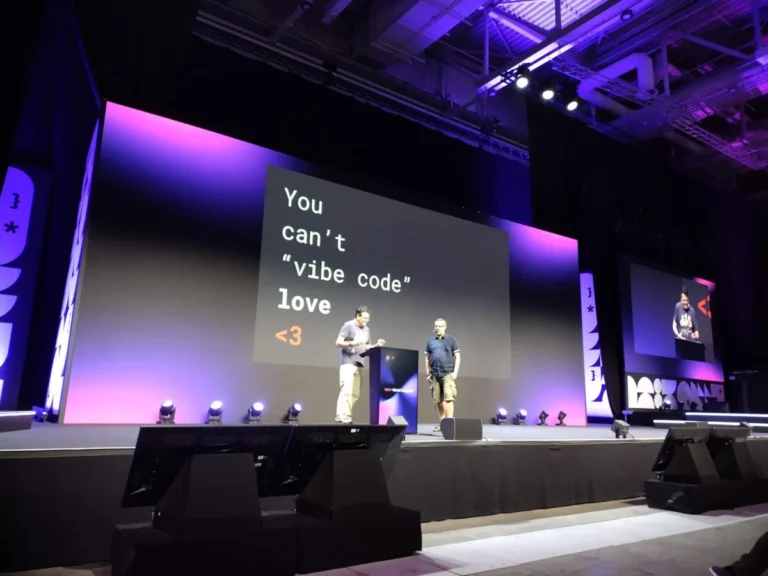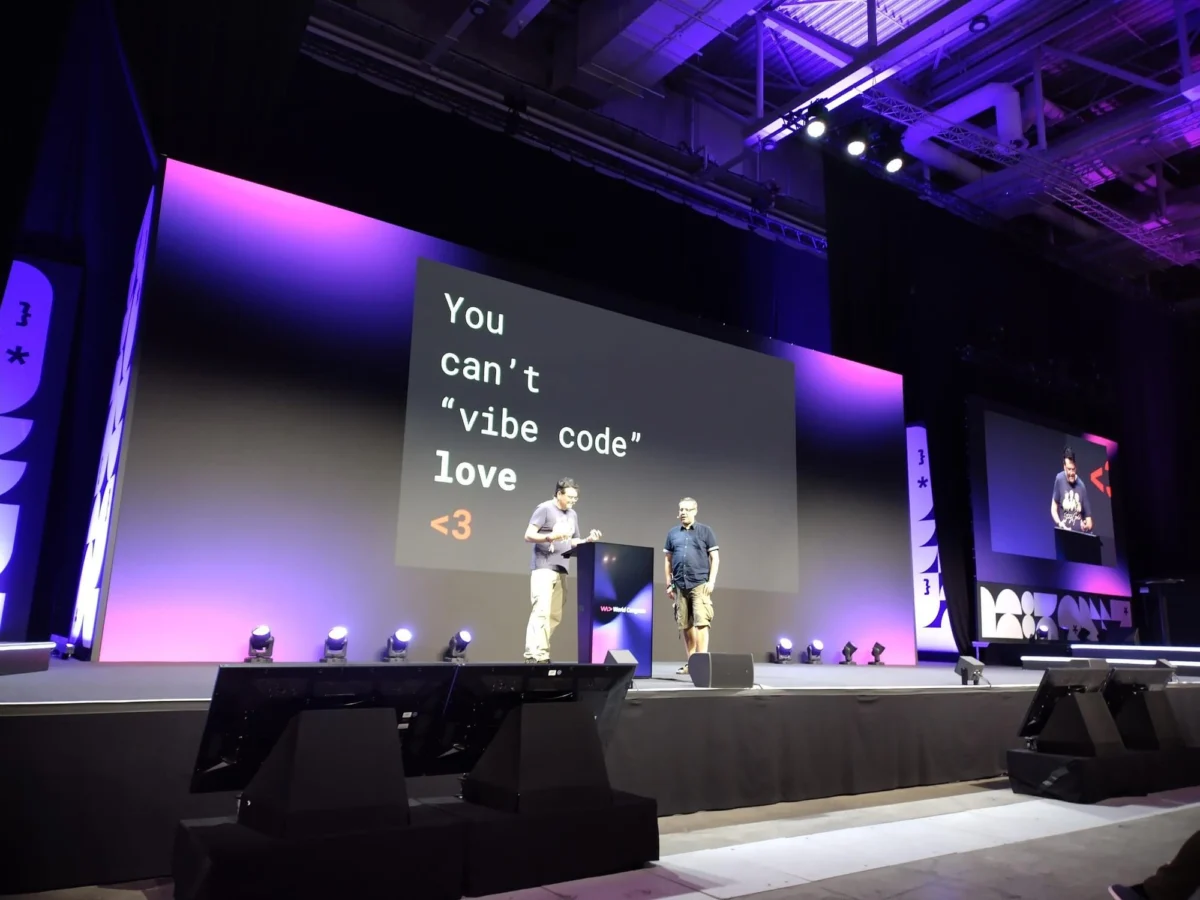
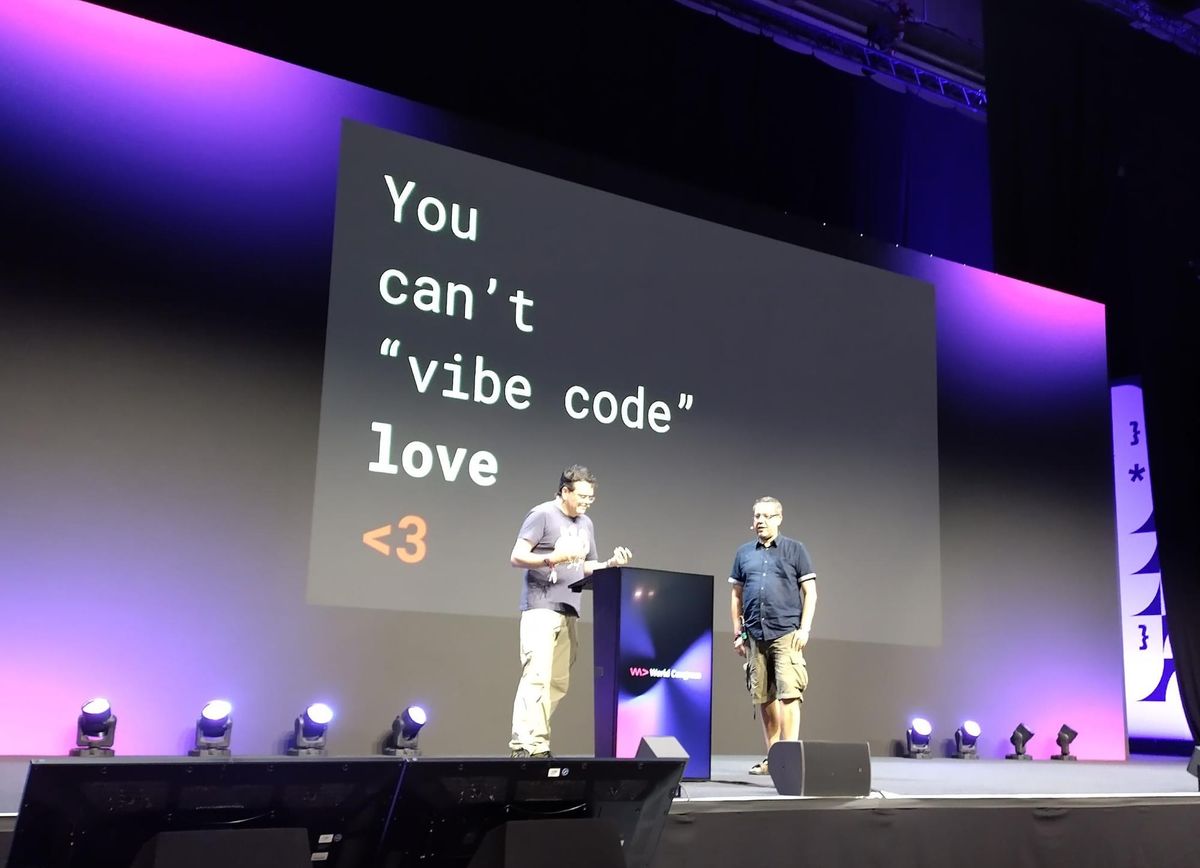
Berlin, Germany – The future of collaborative knowledge sharing in the age of artificial intelligence took center stage at the WeAreDevelopers World Congress, where Stack Overflow co-founder Jeff Atwood and early community hire Ben Dumke-von der Ehe delivered a thought-provoking presentation titled "None of Us Is As Dumb As All of Us: Community And Knowledge Go Hand In Hand." Delivered on Friday, July 10th, at the CityCube in Berlin, their joint address explored the profound impact of community-driven platforms like Stack Overflow and posed critical questions about the sustainability of open knowledge in an era increasingly dominated by private interactions with Large Language Models (LLMs).
A Global Forum for Tech Innovation: The WeAreDevelopers World Congress
The WeAreDevelopers World Congress stands as one of the largest and most influential events for developers worldwide, attracting tens of thousands of attendees, speakers, and companies from across the globe. Held annually, it serves as a vital platform for discussing the latest trends, challenges, and innovations in software development, AI, cybersecurity, and cloud computing. The 2026 event in Berlin continued this tradition, providing a high-profile stage for Atwood and Dumke-von der Ehe to share their unique perspectives on a topic of growing relevance to the entire tech ecosystem.
Atwood, a veteran voice in the programming community through his "Coding Horror" blog and his foundational role at Stack Overflow, rarely accepts speaking engagements, particularly international ones. However, the opportunity to co-present with Dumke-von der Ehe in Berlin, where Ben resides, proved compelling. Their collaboration was predicated on a shared vision to discuss the crucial interplay between community and knowledge, albeit from slightly different angles, enriched by their intertwined history with Stack Overflow. The organizers readily agreed to Atwood’s contingency, recognizing the value of such a nuanced dialogue.
The Human Element: A Story of Connection and Contribution
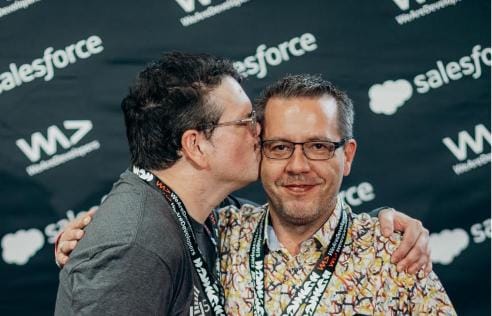
Central to their presentation was the compelling human story of how Atwood and Dumke-von der Ehe first met, a narrative that underpins the very essence of community building. Atwood candidly described their initial encounter as life-changing for both, encapsulating its serendipitous nature with the playful phrase, "unicorns." This anecdote highlighted the organic, often unexpected, ways in which online communities foster deep personal and professional connections.
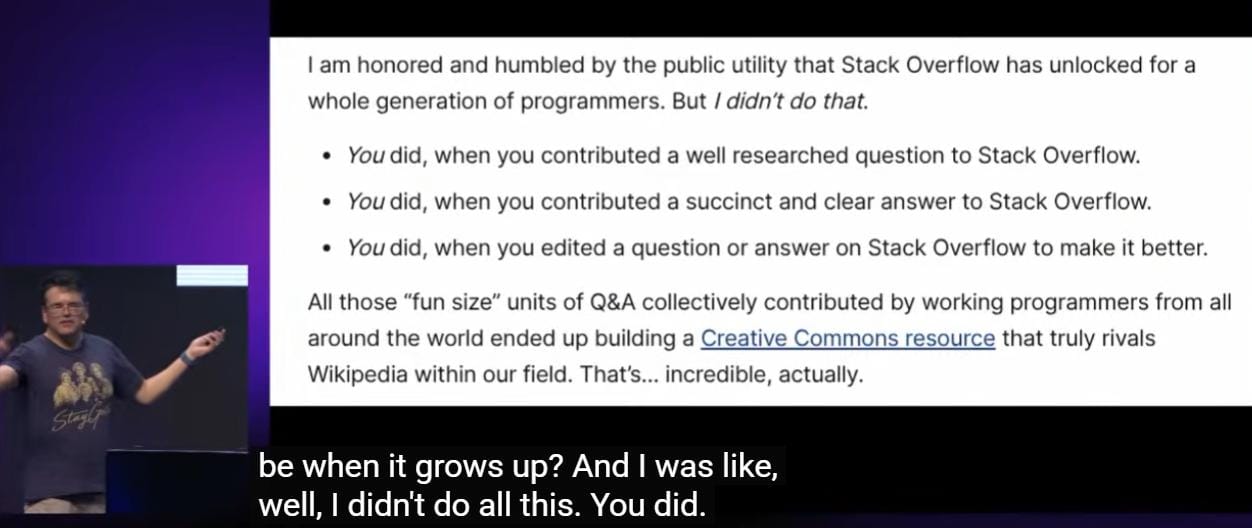
Ben Dumke-von der Ehe was an early and pivotal community hire at Stack Overflow, embodying the spirit of collaboration and mutual support that defined the platform’s formative years. His journey, marked by initial engagement as a passionate user, followed by employment, a departure, and then a return to the company, serves as a testament to the powerful allure and impact of the Stack Overflow community. Atwood openly acknowledged a significant debt of gratitude to Dumke-von der Ehe and, by extension, to every individual who contributed to Stack Overflow. This sentiment underscored the collective effort required to build and sustain such a vast knowledge repository.
Stack Overflow: A Bedrock of Open Knowledge
Stack Overflow, launched in 2008 by Jeff Atwood and Joel Spolsky, was conceived as a revolutionary platform to address the fragmented and often low-quality nature of programming help available online. Its core mission was to create a comprehensive, peer-moderated, and high-quality repository of programming questions and answers. From its inception, the platform embraced a bedrock Creative Commons license (CC BY-SA 2.5, later updated to CC BY-SA 3.0 and 4.0), a crucial decision that respected the intellectual contributions of its users and cemented its status as a public "commons" for technical knowledge.

This licensing model enabled the free and widespread use of its content, fostering an environment where millions of developers could access, learn from, and contribute to a shared pool of information. Over its lifetime, Stack Overflow has grown exponentially, becoming an indispensable resource for an estimated 80% of professional developers globally. The site boasts millions of questions and answers, with traffic exceeding 100 million unique visitors per month. This vast dataset, meticulously curated by its community, has profoundly impacted developer productivity, education, and problem-solving methodologies worldwide. The platform’s success demonstrated that collective intelligence, when properly structured and governed, could outperform traditional, often proprietary, knowledge sources.
The AI Revolution: Efficiency vs. Community
The presentation delved into the transformative influence of Large Language Models (LLMs) on the programming landscape. Atwood acknowledged the significant benefits LLMs bring, particularly in handling common programming queries and effectively addressing the perennial challenge of duplicate questions. He articulated that this aligns with Stack Overflow’s original, higher-level goals: to efficiently provide answers.
"Passively searching and reading highly ranked Stack Overflow answers as they appear in web search results is arguably the primary goal of Stack Overflow," Atwood stated, reiterating a long-held view from his "What Does Stack Overflow Want to Be When It Grows Up?" blog post. "If Stack Overflow is working like it’s supposed to, 98% of programmers should get all the answers they need from reading search result pages and wouldn’t need to ask or answer a single question in their entire careers. This is a good thing! Great, even!"
LLMs, with their ability to synthesize information and provide instant solutions, significantly enhance this efficiency. Atwood highlighted how these AI tools can "cut the Gordian knot of constant duplicate questions," a problem that historically plagued community-driven platforms. The sheer volume of existing questions on Stack Overflow—numbering in the tens of millions—made it increasingly difficult for users to ask truly unique questions without inadvertently duplicating prior discussions. LLMs, capable of mapping semantically similar questions using entirely different phrasing to existing answers, offer an "incredibly transformative" solution, leading to "less duplication. More answers, faster. That’s the point."
The Looming Question: The Future of the Commons
Despite the undeniable efficiencies offered by LLMs, Atwood and Dumke-von der Ehe raised a crucial and urgent question that resonated deeply with the audience: "But what happens to the commons when everyone is privately whispering to LLMs?" This query strikes at the heart of the dilemma facing open knowledge platforms.
The concern is multifaceted. If developers increasingly turn to private AI assistants for their coding problems, the public forums where knowledge is collaboratively built, debated, and refined might see a decline in activity. This shift risks eroding the vibrant communities where programmers not only find answers but also learn from each other, mentor newcomers, and engage in the "vibe coding" — the intangible, collaborative energy that fosters innovation and professional growth. Dumke-von der Ehe’s own experience, where he found joy in becoming a programmer and was hired for "doing things he loved" within the Stack Overflow community, exemplifies the invaluable role of such environments.
The presenters emphasized that the act of asking and answering questions in public forums is not merely transactional; it is a pedagogical process. It teaches critical thinking, communication skills, and the art of problem-solving. It also builds reputation, fosters networking, and provides a sense of belonging. These communal benefits are largely absent in a private, AI-driven interaction.
Furthermore, a critical implication concerns the future of AI itself. "Where exactly will the LLMs get their next set of training data from, if we don’t build for and protect the commons together?" Atwood queried. AI models learn and evolve by consuming vast amounts of human-generated data. If the creation of new, high-quality, openly accessible knowledge diminishes due to the shift towards private AI use, the very wellspring that feeds these LLMs could eventually dry up or become stagnant. This creates a potential feedback loop where the tools designed to enhance knowledge retrieval inadvertently undermine the mechanisms of knowledge creation.
Stack Overflow’s Evolving Stance and Broader Implications
The concerns raised by Atwood and Dumke-von der Ehe are not theoretical; they reflect ongoing discussions and strategic shifts within Stack Overflow itself. Initially, Stack Overflow faced challenges and controversies regarding the use of AI-generated content on its platform, with some users pushing for outright bans due to concerns about accuracy and the undermining of human contribution. However, the company has since adapted, recognizing the inevitable integration of AI into developer workflows.
In recent years, Stack Overflow has engaged in licensing deals with major AI developers, including Google and OpenAI, providing access to its vast corpus of data for training LLMs. This move reflects a pragmatic approach to ensure the platform’s sustainability and relevance while also acknowledging the value of its community’s contributions. However, these partnerships also underscore the tension between monetizing community-generated data and maintaining the spirit of an open "commons."
The presentation’s core message extends beyond Stack Overflow to the entire tech ecosystem. It challenges developers, educators, and platform creators to consider how they can continue to foster environments where knowledge is not just consumed but also actively created, shared, and loved. The concept of "philomath" – a lover of learning – was invoked, suggesting that the intrinsic joy of discovery and shared understanding remains paramount. Protecting the "commons" means investing in platforms and practices that encourage public contribution, collaborative learning, and the human connections that make the pursuit of knowledge truly meaningful.
In conclusion, the presentation by Jeff Atwood and Ben Dumke-von der Ehe at the WeAreDevelopers World Congress served as a potent reminder of the enduring value of community in an increasingly AI-driven world. While LLMs offer unprecedented efficiency in solving common problems, the critical challenge lies in ensuring that this efficiency does not come at the expense of the collaborative spirit, the human connections, and the open knowledge commons that have historically propelled innovation and learning in the tech industry. The conversation ignited in Berlin calls for a concerted effort to balance technological advancement with the preservation of the vital human element in the pursuit of knowledge.
About the Author