The Mechanics of Fluidic Optical Adjustment
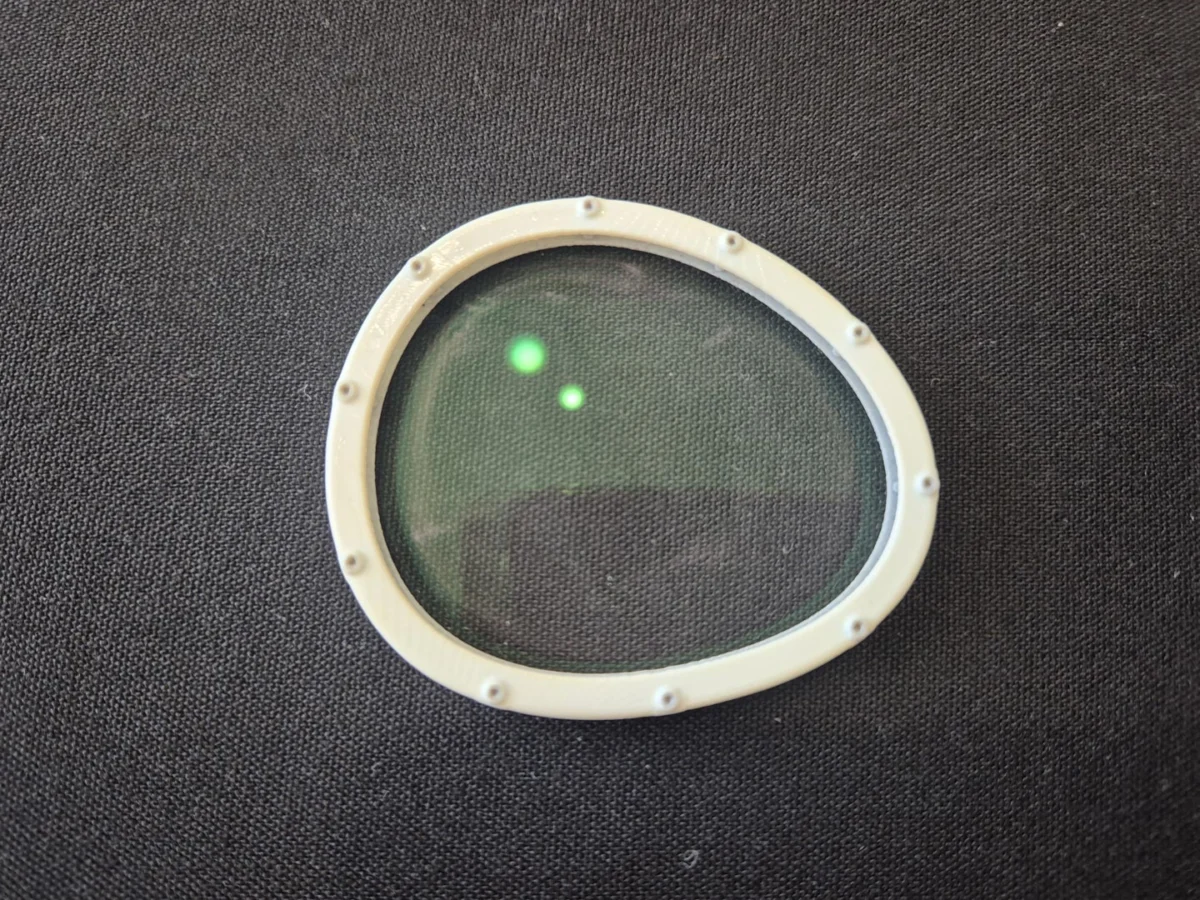
The core of the Oxford Optical Labs innovation lies in its departure from traditional solid-state glass or plastic lenses. The OOL lens is constructed using a high-durability membrane that encapsulates a proprietary non-toxic fluid. Unlike other experimental adjustable lenses that rely on electrowetting or liquid crystals—technologies that often face challenges regarding clarity or voltage requirements—the OOL system operates through mechanical pressure.
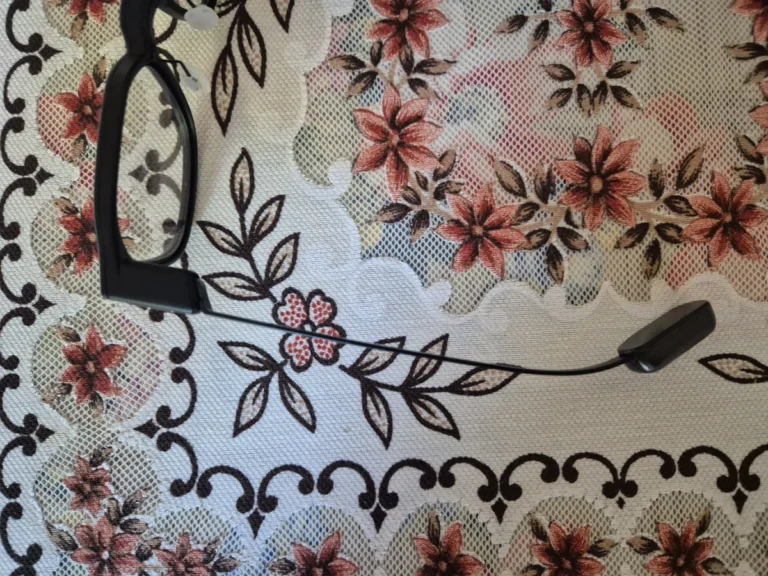
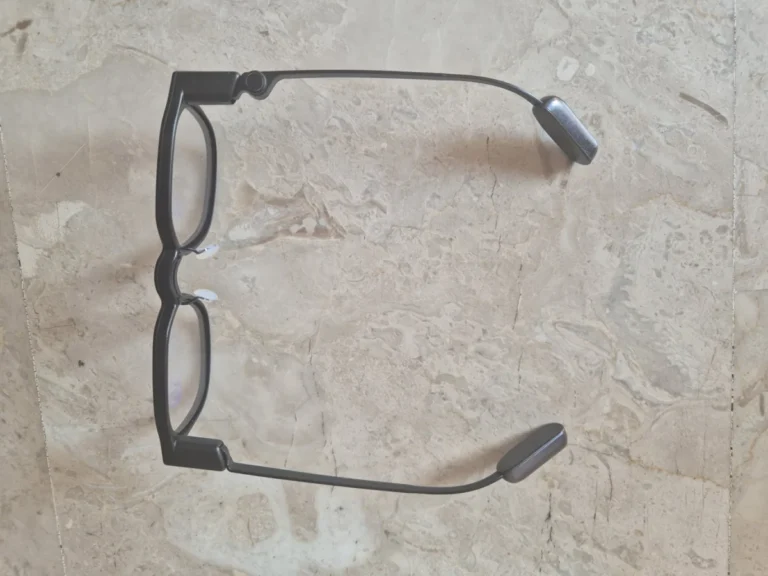
By applying pressure at specific points along the lens periphery, the system deforms the membrane to alter its refractive properties. This mechanical "deforming" process allows a single lens to transition between various optical profiles, correcting for myopia (nearsightedness), presbyopia (age-related farsightedness), and astigmatism. During technical demonstrations, the company utilized a magnetic "deformer" ring to snap onto the lens base, instantly changing the optical parameters to match a specific prescription.

Technical data provided by OOL suggests that these lenses are designed for longevity, with laboratory samples maintaining their structural integrity and optical clarity for over 15 years. The use of non-toxic fluids further ensures safety for consumer-facing applications, a critical consideration for wearable technology positioned close to the eyes.
Addressing the Resolution Gap: The Impact of Astigmatism
One of the most compelling data points shared during the AWE presentation concerned the impact of uncorrected astigmatism on the perceived resolution of modern VR headsets. According to OOL’s research, even a minor astigmatism of 0.5 diopters can drastically degrade a user’s visual experience.
In a standard device like the Meta Quest 3, which offers approximately 25 pixels per degree (PPD), uncorrected astigmatism can reduce the perceived resolution to as low as 13 PPD. This effectively halves the visual fidelity of the hardware, rendering high-resolution displays moot for a significant portion of the population. By integrating adjustable fluid lenses that can correct for astigmatism on the fly, OOL aims to restore the full intended resolution for all users, regardless of their physiological visual impairments.

A Strategic Three-Phase Roadmap for Market Integration
Oxford Optical Labs has outlined a clear chronology for the deployment of its technology, moving from specialized professional applications to full-scale consumer integration.
Phase 1: Location-Based Entertainment (LBE) and Institutional Use
The immediate application for OOL technology is in environments where headsets are shared among multiple users, such as museums, medical training facilities, and location-based VR centers. Currently, these venues must either force users to wear glasses inside headsets—which is often uncomfortable and risks scratching lenses—or maintain a costly inventory of magnetic prescription inserts. OOL proposes a universal lens system equipped with an automated adjustment dock. A steward could scan a visitor’s existing glasses, and the dock would instantly configure the OOL fluid lenses to match that specific prescription, providing a bespoke visual experience in seconds.
Phase 2: Consumer Hardware Integration
The second phase involves partnering with major original equipment manufacturers (OEMs) such as Meta, Sony, or Pico. In this scenario, headsets would ship with integrated fluid lenses. Users could input their prescription data into the headset software, and an internal mechanism would adjust the lenses accordingly. This would eliminate the secondary market for prescription inserts and simplify the supply chain for manufacturers.

Phase 3: The Realization of Varifocal XR
The ultimate goal of the OOL roadmap is the implementation of true varifocal vision. Current XR headsets have a fixed focal plane, meaning that while an object might appear to be two inches from a user’s face, the user’s eyes are actually focusing on a screen several feet away. This discrepancy causes eye strain and nausea.
To solve this, OOL plans to synchronize its lenses with eye-tracking technology. By identifying exactly where a user is looking in 3D space, the system can adjust the lens pressure in real-time to shift the focal plane.
Technical Challenges and Saccadic Synchronization
The transition to varifocal technology requires extreme precision and speed. Oxford Optical Labs reports that its lenses can change optical parameters in approximately 70 milliseconds. This timing is critical because it falls within the window of "saccadic suppression."

When the human eye moves rapidly between two points (a movement known as a saccade), the brain temporarily ignores visual input to prevent motion blur. These saccades typically last upwards of 100 milliseconds. By completing the lens adjustment within 70 milliseconds, the OOL system can change the focus while the user is effectively "blind" during the eye movement. This ensures that when the eye settles on a new target, the focus is already correct, preventing the "breathing" or "pulsing" effect that would occur if the lens adjusted while the eye was stationary.
Performance Analysis and Industry Implications
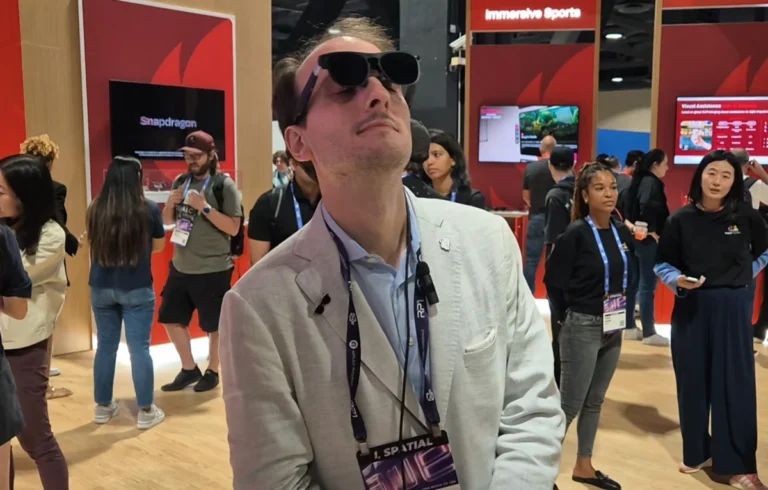
At the Long Beach event, OOL demonstrated a prototype AR display utilizing a dual-lens configuration. In AR, varifocal systems are particularly complex because the lens must adjust the focus of the digital overlay without distorting the user’s view of the physical world. The OOL prototype solved this by using one fluid lens to set the digital focus and a second lens to "undo" that distortion for the real-world background.
While the prototype proved the theoretical viability of the system, industry analysts note several hurdles remaining for mass-market adoption:

- Miniaturization: The current mechanical systems required to apply precise pressure are bulky and would need to be significantly reduced in size to fit into slim AR glasses.
- Acoustics: Prototype units have been noted to produce mechanical noise during rapid focal shifts, a factor that would need to be mitigated for consumer comfort.
- Power Consumption: Constant focal adjustments in a varifocal system will require a consistent power draw, challenging the battery life of untethered devices.
Despite these challenges, the shift toward fluidic optics represents a fundamental change in how the industry views vision correction. As the XR market moves toward the "all-day wearable" segment, the ability to accommodate the 75% of adults who require vision correction without external accessories is becoming a competitive necessity.
Broader Impact on the XR Ecosystem
The implications of Oxford Optical Labs’ technology extend beyond mere comfort. If successfully integrated, fluid lenses could democratize high-end XR by making it accessible to those with complex prescriptions who are currently underserved by the market. Furthermore, by solving the vergence-accommodation conflict, OOL could unlock longer session times for professional users in fields such as surgery, engineering, and remote piloting, where visual fatigue is currently a limiting factor.
As OOL continues conversations with major eye-tracking and headset companies, the industry will be watching closely to see if fluidic optics become the standard for the next generation of spatial computing hardware. The move from static glass to dynamic membranes may well be the "Retina display" moment for XR, shifting the focus from simply displaying pixels to ensuring those pixels are perfectly aligned with the human eye’s natural behavior.
About the Author