A year after issuing a call to action for Americans to "Share the American Dream," entrepreneur and philanthropist Jeff Atwood, co-founder of Stack Overflow, has unveiled the Rural Guaranteed Minimum Income Initiative (RGMII). This ambitious project, backed by a $50 million pledge from Atwood and his family, aims to address systemic poverty by directly providing financial support to families in underserved rural communities across the United States. The initiative, described by Atwood as his "third and final startup," signifies a profound commitment to leveraging personal wealth for broad societal impact, moving beyond immediate relief to tackle the root causes of economic inequality.
A Two-Pronged Approach to Philanthropy
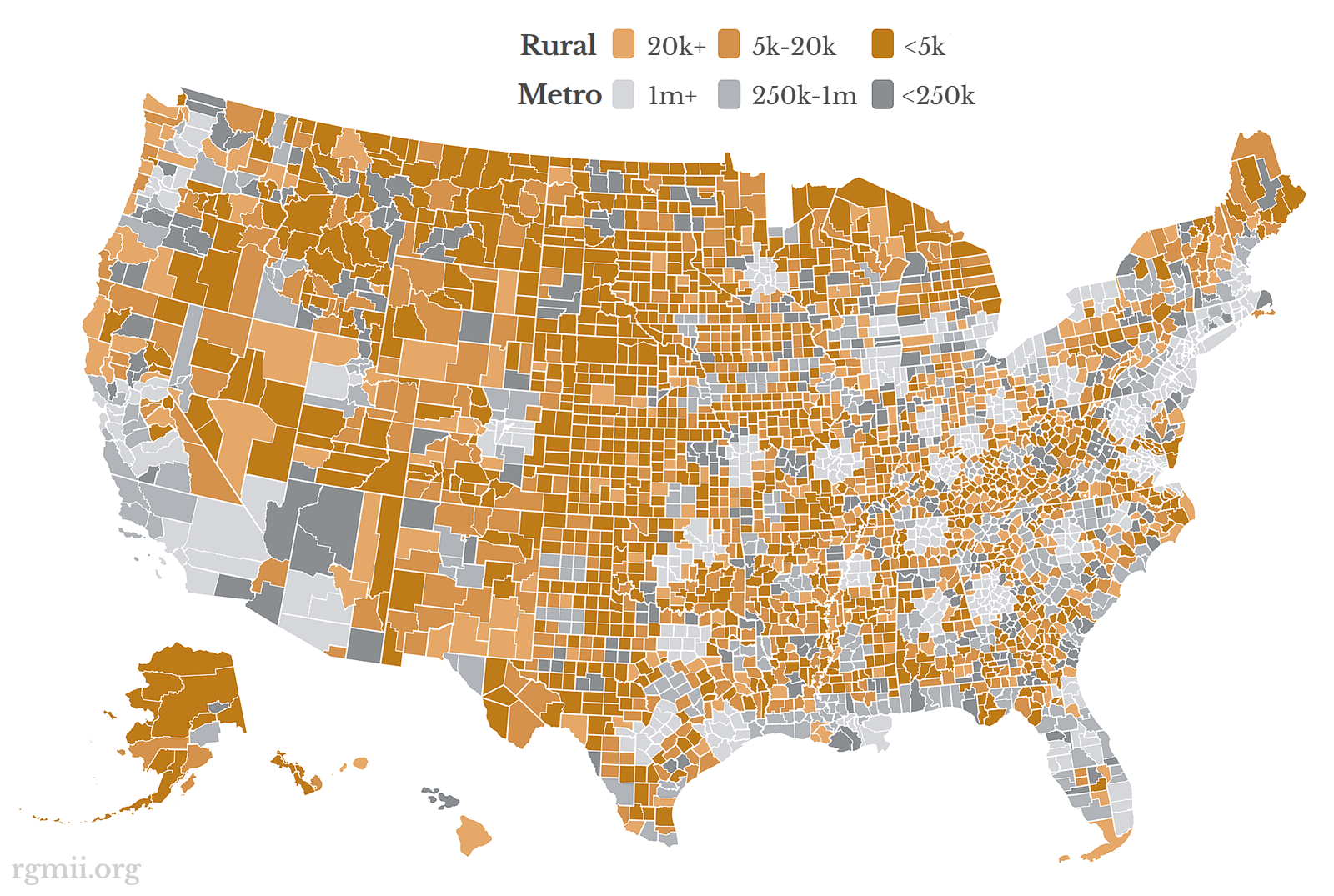
The "Share the American Dream" pledge, first announced in January 2025, outlined a dual philanthropic strategy. The initial phase focused on immediate support for organizations effectively assisting those most in need across America. This commitment saw Atwood and his partner, Betsy, allocate $1 million to eight non-profit charities. Recognizing the escalating urgency of societal needs, this initial contribution was swiftly augmented by an additional $13 million within a few months, bringing the total for immediate relief efforts to $21 million. These funds were directed towards various charities identified as crucial in providing essential services and support to vulnerable populations, reflecting a belief in direct, impactful aid.
However, the second, more substantial component of the pledge focused on longer-term, systemic change. This involved dedicating significant time and funds towards efforts designed to ensure the American Dream remains fair and attainable for future generations. This strategic shift was underscored by a guiding philosophy attributed to Mary Gates: "From those to whom much is given, much is expected." This ethos, coupled with a fundamental question posed by Atwood and his family—"When, exactly, is enough?"—catalyzed their deeper engagement in addressing societal disparities. Betsy Atwood articulated this sentiment on a recent podcast, stating, "We have everything we need; how do we make sure everybody has what they need?" This principle, emphasizing access to basic necessities like comfortable housing, sufficient food, and healthcare, became the bedrock of their long-term philanthropic vision.
From Speculation to Strategic Implementation: The Rise of GMI

Following the significant liquidity event from the 2021 acquisition of Stack Overflow, the Atwoods embarked on a period of introspection regarding their wealth and its potential for impact. Initial considerations for long-term efforts, as outlined in Atwood’s earlier writings, included the establishment of a new research-focused organization akin to a modernized RAND Corporation or Lever for Change. The goal was to empower experts to define a realistic and achievable path towards preserving the American Dream for all.
By March 2025, a clear consensus emerged: the most effective "road not taken" in addressing poverty was the concept of Guaranteed Minimum Income (GMI). The RGMII formally adopted this approach, distinguishing it from Universal Basic Income (UBI). While UBI typically involves providing a regular income to all citizens regardless of their economic status, GMI is a more targeted intervention. It specifically directs financial resources towards individuals and families who are most in need, with a particular focus on those experiencing generational poverty. This targeted approach aims to maximize the impact of every dollar by concentrating resources where they can alleviate the most profound economic distress.
The Strategic Focus on Rural America
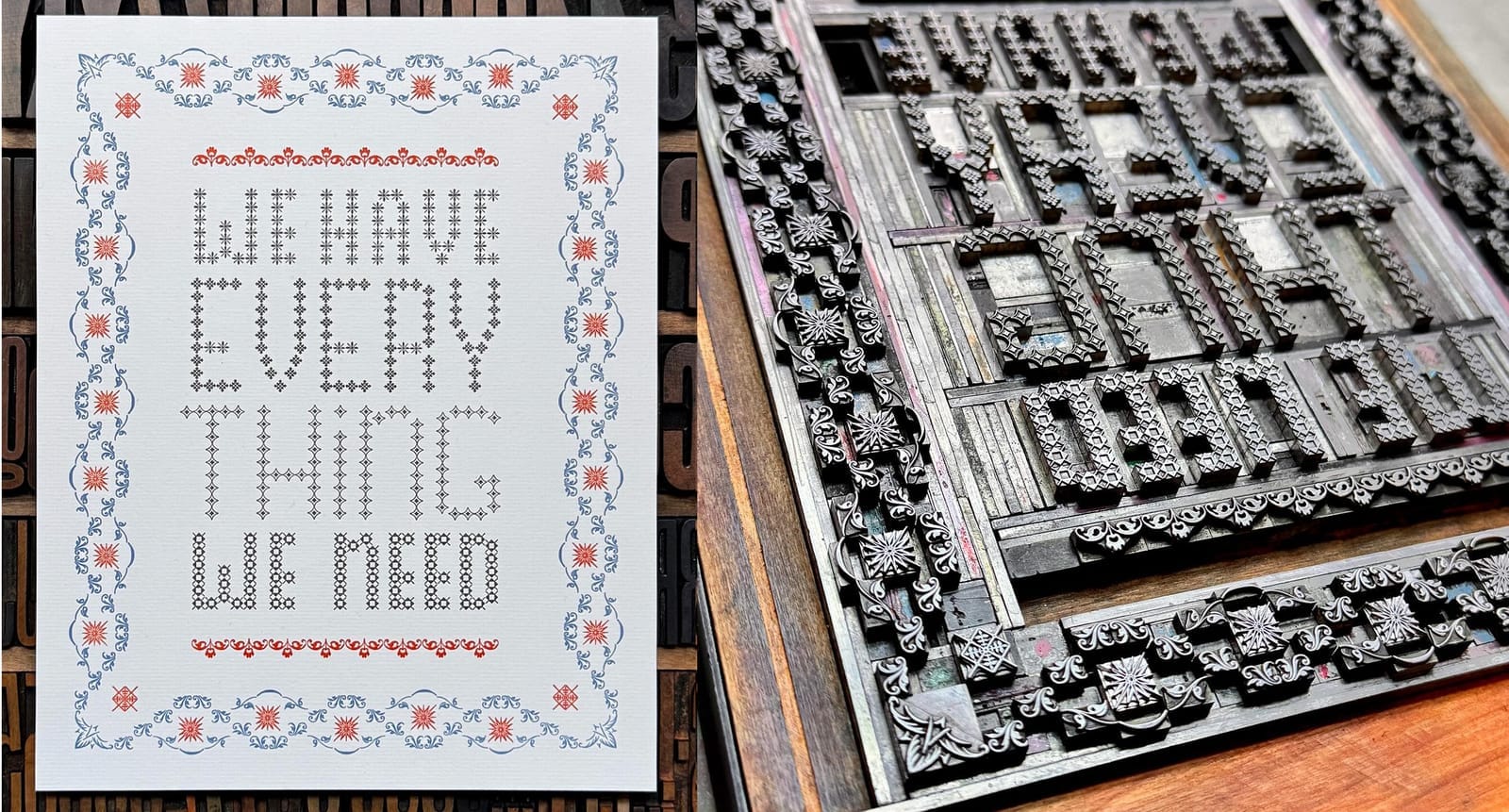
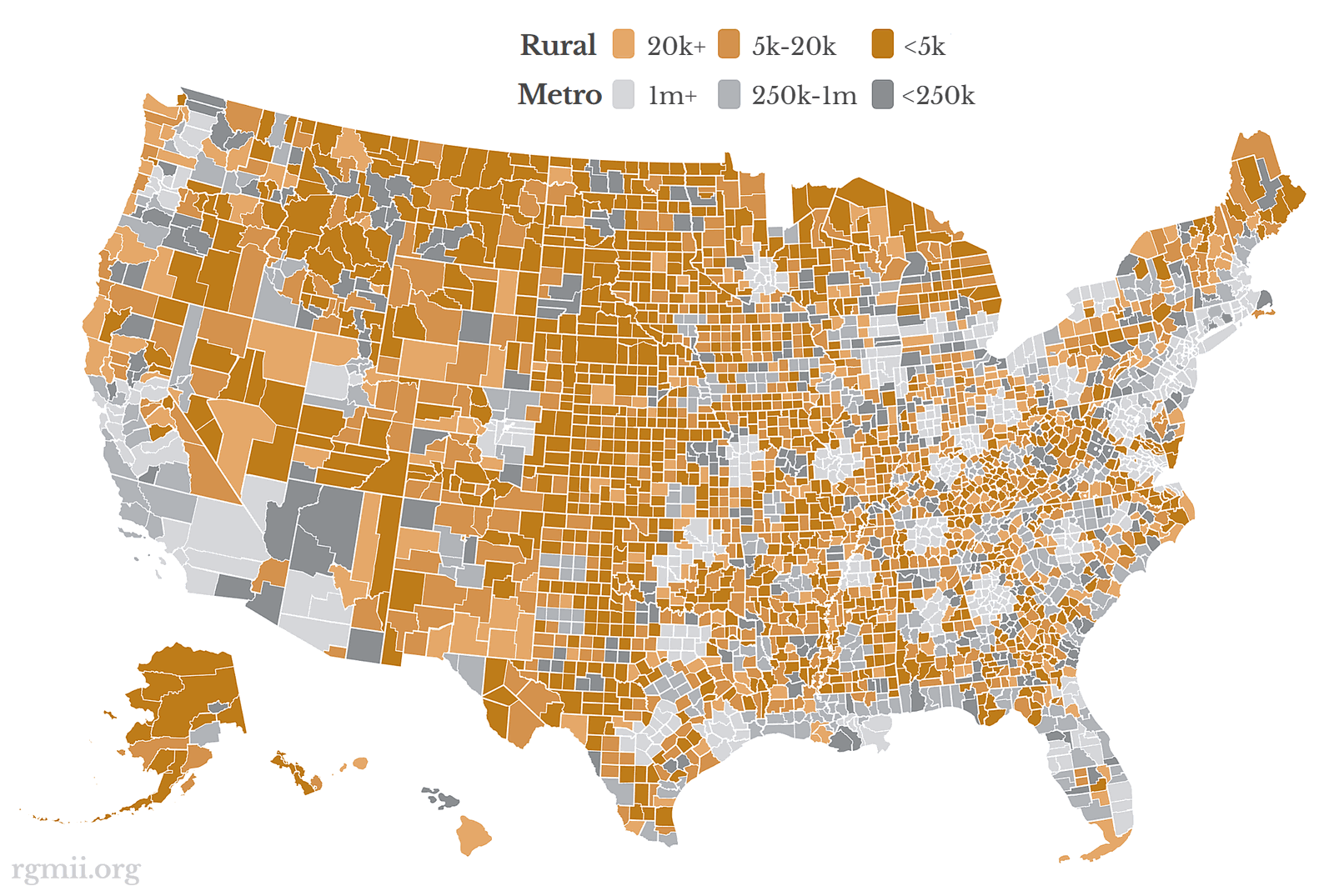
A cornerstone of the RGMII is its deliberate concentration on rural counties. This strategic decision is rooted in several key observations and advantages. Firstly, dollars often extend further in rural areas due to a lower cost of living, allowing the initiative to support more individuals or provide a more substantial safety net. Secondly, poverty is often more prevalent and deeply entrenched in rural communities, which frequently suffer from economic disinvestment, limited access to resources, and dwindling opportunities. Data from the U.S. Department of Agriculture’s Economic Research Service consistently highlights higher poverty rates and persistent poverty in many non-metropolitan counties compared to their urban counterparts.
Furthermore, the smaller populations characteristic of rural counties allow for tighter, more controlled studies, facilitating the collection of robust data and the assessment of program effectiveness. This scientific approach is vital for generating evidence that can inform broader policy discussions and potential scalability. Atwood also expressed a personal connection to this focus, noting his own rural origins and a belief in the "incredible untapped talent" that resides in these often-overlooked regions. By investing in rural communities, the RGMII seeks to unlock this potential and demonstrate the efficacy of direct cash transfers in contexts frequently neglected by large-scale philanthropic and governmental programs.
Pilot Programs and Initial Impact

The RGMII has swiftly moved from concept to implementation, launching three county-level pilot programs. These initial sites include Mercer County, West Virginia; Beaufort County, North Carolina; and Warren County, Mississippi. These diverse locations were carefully selected to represent a cross-section of rural challenges and demographics. In each of these counties, the initiative aims to provide financial support to thousands of individuals, helping to lift them out of poverty over a 16-month period.
The structure of these pilot programs is designed not only to provide immediate relief but also to generate invaluable data and results. These findings will be openly shared with the world, contributing to the growing body of research on the effectiveness of GMI. The experiences of recipients like Stacy D. from West Virginia, who articulated the profound impact of such assistance in navigating unexpected crises like vehicle breakdowns and childcare needs, underscore the immediate and tangible benefits of direct cash transfers. For families without established support networks, the predictable income provided by GMI can be a critical lifeline, enabling them to cover basic necessities and address emergencies without resorting to high-interest loans or sacrificing other essentials.
The Evidence Base for Guaranteed Minimum Income

The decision to champion GMI is supported by an increasing body of evidence from pilot programs and academic research conducted globally and within the United States. Studies on direct cash transfers, including various UBI and GMI experiments, have consistently demonstrated positive outcomes across several key metrics. Recipients often report improved financial stability, reduced stress levels, better health outcomes (both physical and mental), and enhanced educational attainment for their children.
For example, the Stockton Economic Empowerment Demonstration (SEED) in California, a prominent UBI pilot, found that recipients experienced a significant reduction in income volatility, an increase in full-time employment, and improved overall well-being. Similar findings have emerged from programs in other countries, illustrating that providing a safety net of guaranteed income does not, as some critics fear, disincentivize work. Instead, it often empowers individuals to pursue better employment opportunities, invest in education, and address critical personal needs that were previously unattainable due to financial precarity. The RGMII aims to further bolster this evidence base, particularly within the understudied context of rural American poverty.
Broader Implications and the Path Forward
The Rural Guaranteed Minimum Income Initiative carries significant implications for the national conversation surrounding poverty alleviation and social welfare policy. By focusing on rural areas, it sheds light on communities often marginalized in policy discussions, highlighting their unique needs and potential. The initiative serves as a living laboratory, demonstrating how philanthropic capital can be strategically deployed to conduct rigorous social science experiments at scale.
While the current commitment targets three counties, the long-term vision for the RGMII is ambitious: to expand its reach to all 50 states. This expansion will undoubtedly require substantial additional funding and collaborative partnerships. Atwood’s call for others—particularly those "to whom much is given"—to join in sponsoring county-scale work underscores the collaborative spirit of the initiative. The goal is not merely to provide aid but to conduct continuous scientific inquiry, generating open data that can inform policymakers and galvanize broader public support for direct cash transfer programs.
The RGMII also encourages public engagement beyond financial contributions. Individuals are invited to learn about the history and analysis of GMI, share study results, and engage with their elected representatives to raise awareness and advocate for evidence-based poverty reduction strategies. Addressing misconceptions about GMI and UBI is a critical component of building public understanding and support.
In a political landscape often divided by approaches to social welfare, the RGMII champions a "path of love," as Atwood described it, emphasizing direct support and human dignity. This initiative posits that the simple act of "giving money to those most in need" is not only a radical act of compassion but also an empirically proven method for fostering stability and opportunity. The data collected by the RGMII from its rural pilots is expected to reinforce findings that direct cash transfers enable people to afford basic necessities, maintain stable housing, and handle unexpected expenses, thereby strengthening the fabric of communities.
Ultimately, the Rural Guaranteed Minimum Income Initiative stands as a testament to the belief that "dreams, like happiness, are only real when shared." Through its strategic investment in rural America and its commitment to rigorous data collection, the RGMII seeks to illuminate a viable path toward a more equitable and prosperous future for all Americans, demonstrating that systemic change is achievable through targeted, evidence-based philanthropy. The initiative’s dedicated platform, staygold.us, serves as a hub for information, results, and engagement for those wishing to join this transformative effort.
About the Author